Contents +
CTMON Google SEO Beginner's Guide: Business Website Diagnosis (Part 2)
Source: 创同盟
Date: 2025-08-30
Views: 10931
In the previous article, CTMON Google SEO Beginner's Guide: Business Website Diagnosis (Part 1), we shared a diagnostic guide for three core factors of a business website.
- Are the "core experience" metrics of the business website good?
LCP (Maximum Content Rendering) : The time it takes for a visitor to see the main content on the first screen; ideally, it should be ≤ 2.5 seconds.
CLS (Cumulative Layout Offset) : Page element bounce range, ≤ 0.1.
INP (Interaction Delay) : The delay from the user's first interaction to the page response, ≤ 200 ms. - Does the business website make specific adjustments for mobile devices?
"The mobile version of a business website has become the only final version that Google uses to understand, evaluate, and rank websites."
Any content differences between the desktop and mobile versions will be based on the mobile version. - Does the business website include appropriate structured data?
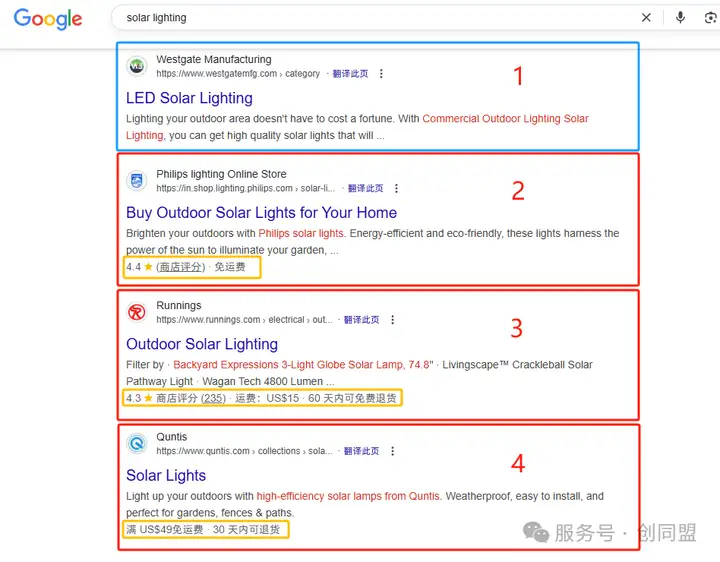
Structured data can generate "rich snippets" or "rich results" in Google search results.
According to reliable data, websites that occupy "rich media" display positions in Google search results (SERPs) can increase their click-through rate (CTR) by 20-30%.
This issue continues our discussion of other important aspects of business website SEO diagnostics.
Please like and save this post! Give it a thumbs up so you can come back anytime!
I. EEAT Content Diagnosis
EEAT is Google’s core framework for evaluating content quality, and in 2025, it will determine whether your content is recognized by Google as “high-quality”.
EEAT stands for Experience, Expertise, Authoritativeness, and Trustworthiness .
1.Experience (Experience)
- "Have you actually used it?"
Showcasing content creators' personal experiences on the topic is intended to combat the proliferation of AI-generated evaluations.
Practical checklist:
- Replace all generic images provided by suppliers with original, high-quality product photos and videos . Showcase the product's use in real-world scenarios.
- Publish detailed "unboxing videos," "how-to" tutorials , or product maintenance guides.
- Share real customer case studies or usage scenarios to increase credibility.
2. Expertise
- "Do you really understand?"
The professional knowledge and skills that creators possess in a specific field.
Practical checklist:
- Write in-depth buying guides, comparing the advantages and disadvantages of different models, and explaining the scientific principles or manufacturing processes behind the products.
- Provides detailed product specifications and technical parameters.
- For YMYL (Your Money Your Life) categories (such as skincare and health supplements), the content must be written or reviewed by qualified professionals (such as dermatologists) and clearly labeled.
3. Authority
- "Does anyone in the industry recognize you?"
The extent to which your brand is recognized within the industry as a reliable source of information is typically measured by external signals.
Practical checklist:
- Actively seek high-quality backlinks from well-known industry blogs and news websites.
- Actively accumulate positive reviews on third-party review platforms (such as Trustpilot).
- Maintain an active and professional social media presence to demonstrate thought leadership.
4. Trustworthiness
Is your website safe and trustworthy?
This is the cornerstone of EEAT, covering website security, transparency, and business ethics.
Practical checklist:
- The entire site uses HTTPS encryption (marked at the beginning of the URL).
- Provide clear and easy-to-find contact information (phone, address, email), privacy policy, and return policy.
- Showcase genuine user reviews (including negative comments and your expert responses) and secure payment badges.
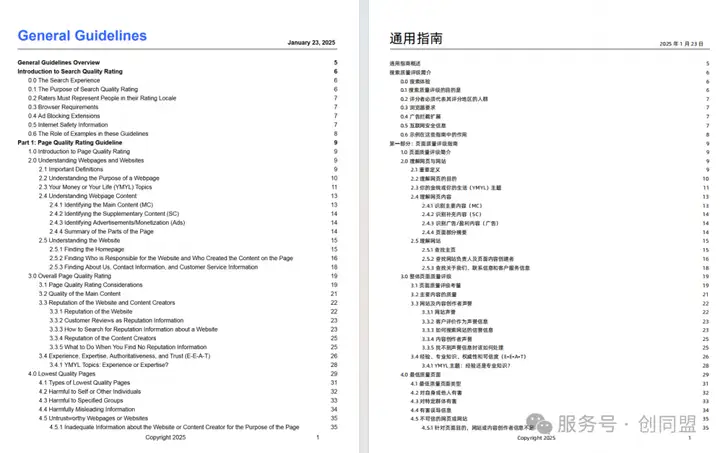
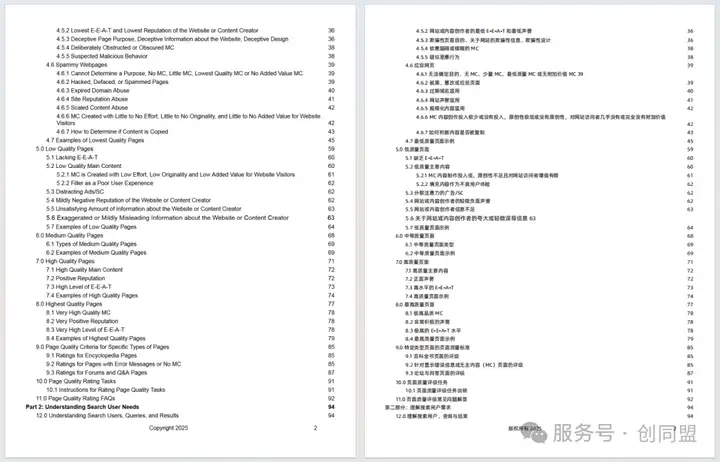
For readers interested in learning more, CTMON has created a bilingual (Chinese-English) version based on the original English version of Google's internal "Google Search Quality Assessment Guidelines." You can find it in the comments section or via private message.
II. Basic SEO Diagnosis for Business Websites
A. Check the page's H tags
Right-click on the website page and select "Inspect" or press F12. Hovering the small arrow in the upper right corner over a page element will show whether it is an H tag.
For example:

B. Check SEO titles and descriptions
Pressing Ctrl+U will take you to the source code page, where you can directly see the page's title and description, or you can place the mouse cursor at the top of the page.
For example:
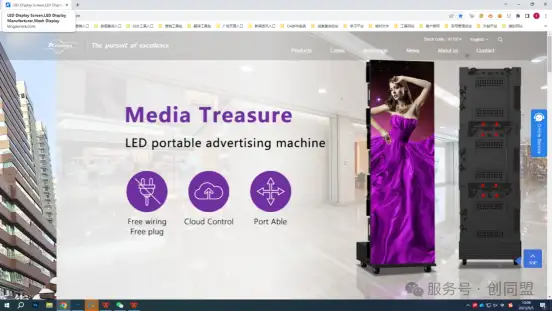
SEO titles and descriptions are the titles and descriptions displayed in Google search results. SEO titles must contain core keywords and are preferably within 70 characters.
The description does not have to contain keywords, but it is best to include statements that encourage users to click through, and it is recommended to keep it within 170 characters.
C. Check website indexing status
site : http://www.abc.com . “site” must be lowercase and there must be no spaces in between.
like:
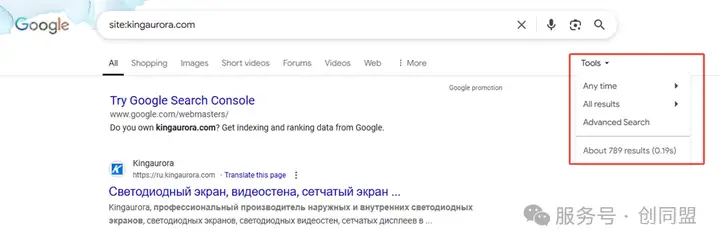
The site command is used to check if a website's pages have been indexed by Google. This method can slightly affect search results depending on the time, location, and IP address.
The most accurate way to check is through Google Search Console. Compare the total number of pages to the total number of indexed pages, and then compare the website's traffic to give a rough estimate of the website's overall quality.
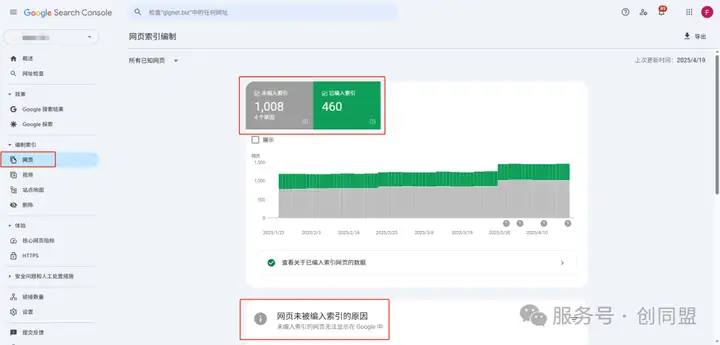
- Google Search Console - Website Management Backend
D. Check the site map
To check if a website has a sitemap that conforms to Google's standards, add /sitemap.xml to the domain name, such as: http://abc.com/sitemap.xml
Once your sitemap is submitted to Google Search Console, the search engine will automatically crawl all the links on the site periodically.
E. Check if the URL is SEO-friendly.
The links on a page are the structure of its URLs, and the URL structure should have a strict hierarchical structure.
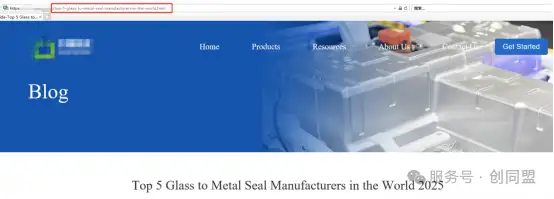
Each page's URL must be unique. The URL should include the page's main keywords to help search engines index the page.
END
Business website SEO is no longer a magic bullet, but a science of continuous optimization. It tests your professionalism, patience, and sincerity towards your users.
From a logically clear website architecture to verifiable, data-driven content, and user-centric page details, your business website traffic will ultimately experience a qualitative leap.
In the next installment, we'll continue sharing detailed diagnostics of business website SEO, including images, blog, language, and other related aspects. Stay tuned!
What does international social media management service include? 2026 Guide to Social Media Management for Export Businesses
2026-10-28
How to write a WordPress product page that will make overseas buyers want to send inquiries?
2026-10-28

How to fix WordPress form emails not sending: Practical WP Mail SMTP configuration
2026-10-27
Are foreign trade promotion companies reliable? Six key criteria for businesses to judge promotion service providers in 2026.
2026-10-26
How do I set up an email account for export businesses? How can I configure it to avoid it ending up in the spam/junk mail folder?
2026-10-26
Related Articles
Are foreign trade promotion companies reliable? Six key criteria for businesses to judge promotion service providers in 2026.

The 140th Canton Fair Opens: How can export businesses seize overseas sourcing opportunities through digital marketing?
How to Choose an Overseas Promotion Company for Foreign Trade? 2026 Service Provider Selection Criteria and Evaluation Guide
How to avoid pitfalls when building a B2B export website? A guide to avoiding common mistakes in B2B export website development in 2026.
Which company should I choose for building a B2B export website? A comparison and recommendation of B2B export website service providers in 2026.

