Contents +
The Secret to the Explosive Growth of Website Traffic
Source: 创同盟
Date: 2024-05-23
Views: 1119
I. The Importance of Keyword Research
Keywords are the terms users enter into search engines. Accurate keyword research helps you understand user needs and search habits, thereby optimizing website content and making it easier for search engines to crawl and rank it. With the right keywords, you can not only improve website visibility but also attract a larger target audience, increasing click-through rates and conversion rates.
II. Basic Steps in Keyword Research
1. Determine the theme and target audience.
First, you need to define your website's theme and target audience. Understanding what words and phrases your audience uses in search engines (language localization) is fundamental to keyword research. Market research and competitor analysis can help you better grasp user search intent.
2. Use keyword research tools
There are many excellent keyword research tools that can help you discover potential high-performing keywords. For example:
| Google Keyword Planner | This is a free tool that can help you find relevant keywords and understand the search volume and competition level of each keyword. |
| Ahrefs | This is a powerful SEO tool that provides detailed keyword data, including search volume, keyword difficulty, related keywords, and more. |
| SEMrush | This is another popular SEO tool that offers comprehensive keyword research and competitive analysis capabilities. |
3. Analyze keyword search volume and competition.
When choosing keywords, it's necessary to balance search volume and keyword difficulty. High-search-volume keywords are usually highly competitive (KD > 50). New websites can start with long-tail keywords (i.e., keywords with lower search volume but more specific keywords). Although these keywords have lower search volume, the competition is relatively less, making it easier to achieve good rankings. This competitive situation is even more pronounced in popular industries.
4. Focus on user intent
Understanding a user's intent when searching for a particular keyword is crucial. Keywords can be categorized into three types:
Content can be categorized into navigation, information, and transactional. Optimizing your content based on user intent can improve user satisfaction and website conversion rates. For example, if your keyword is "buy a mobile phone," then your content should provide detailed buying guides and product recommendations (transactional attributes).
III. Keyword Optimization Strategies
1. Use keywords naturally in the content.
Keyword usage should be natural, avoiding excessive keyword stuffing. Keywords should appear in headings, paragraph beginnings, paragraph endings, and other prominent locations within the content. Furthermore, using related synonyms and variations can enhance the richness and readability of the content.
2. Optimize page titles and meta descriptions (TDK).
Page titles and meta descriptions are the first things users see in search results, so they need to include key keywords and attract clicks. Ensure titles are concise and appealing; meta descriptions provide an accurate summary of the content and include keywords.
3. Internal and external linking strategies
Internal links can direct traffic to other important pages on a website, improving overall SEO. External links are also important; linking to high-authority websites can enhance the authority of your pages.
4. Regularly update and optimize content.
Search engines favor fresh and high-quality content, so regularly updating website content is crucial. According to the latest research, continuously optimizing existing content can maintain and improve keyword rankings.
IV. Monitoring and Adjusting
SEO is a continuous optimization process, and keyword research also needs constant updating. Use tools like Google Analytics to monitor keyword performance, understand which keywords are driving traffic and conversions, and adjust keyword strategies and website optimization directions based on data feedback.
Conclusion
Through scientific keyword research and strategy optimization, you can significantly improve your website's ranking in search engines, thereby achieving explosive traffic growth. Remember, SEO is a long-term endeavor that requires continuous attention and optimization. Hopefully, the techniques and strategies in this article will help you succeed in keyword research, attract a larger target audience, and achieve rapid website traffic growth.

What does international social media management service include? 2026 Guide to Social Media Management for Export Businesses
2026-10-28
How to write a WordPress product page that will make overseas buyers want to send inquiries?
2026-10-28

How to fix WordPress form emails not sending: Practical WP Mail SMTP configuration
2026-10-27
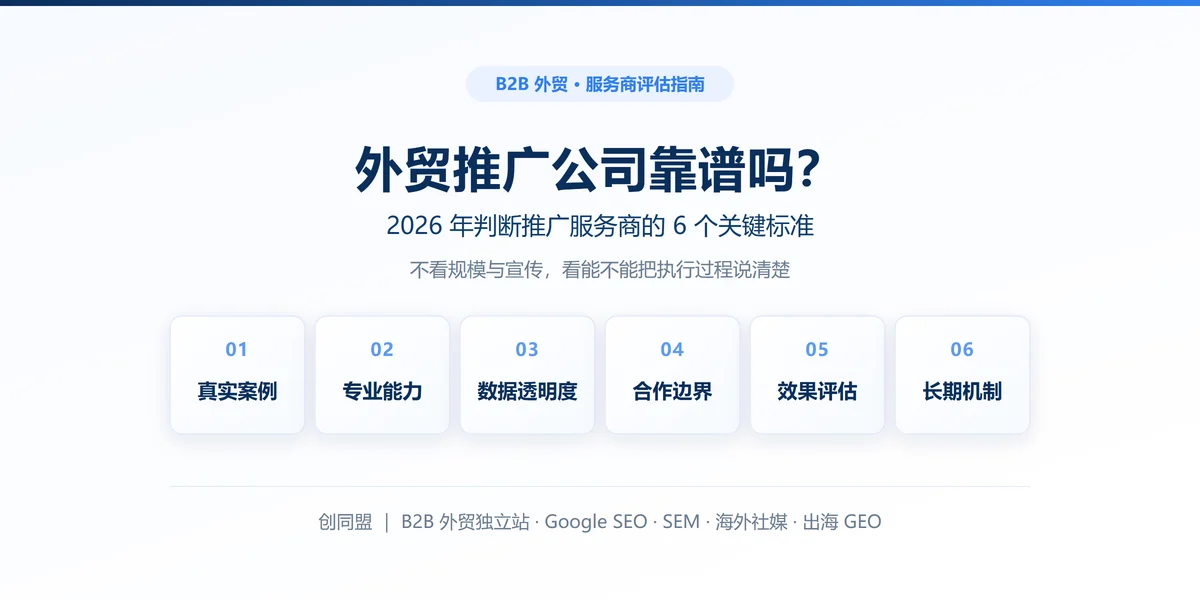
Are foreign trade promotion companies reliable? Six key criteria for businesses to judge promotion service providers in 2026.
2026-10-26
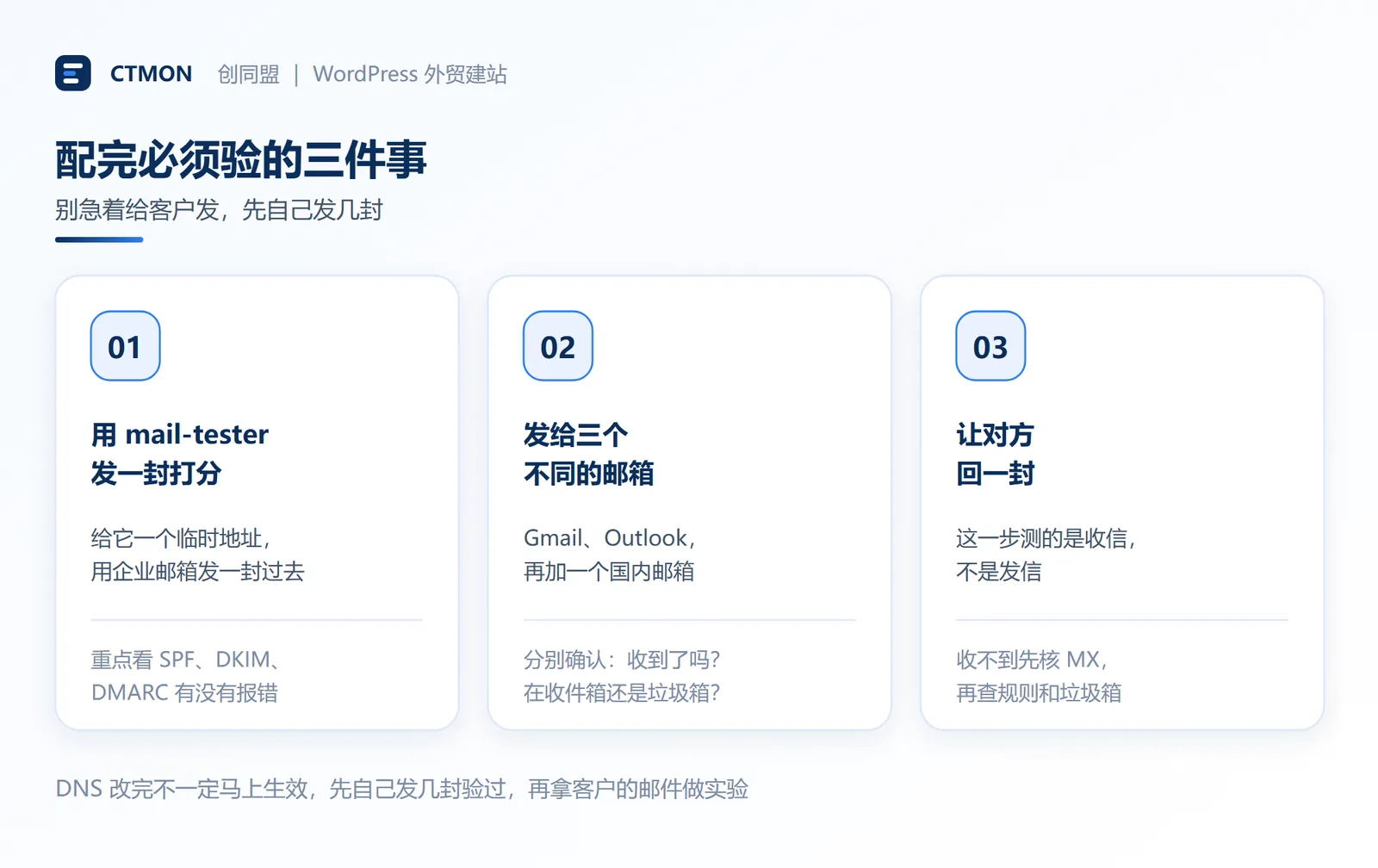
How do I set up an email account for export businesses? How can I configure it to avoid it ending up in the spam/junk mail folder?
2026-10-26
Related Articles
Are foreign trade promotion companies reliable? Six key criteria for businesses to judge promotion service providers in 2026.

The 140th Canton Fair Opens: How can export businesses seize overseas sourcing opportunities through digital marketing?
How to Choose an Overseas Promotion Company for Foreign Trade? 2026 Service Provider Selection Criteria and Evaluation Guide
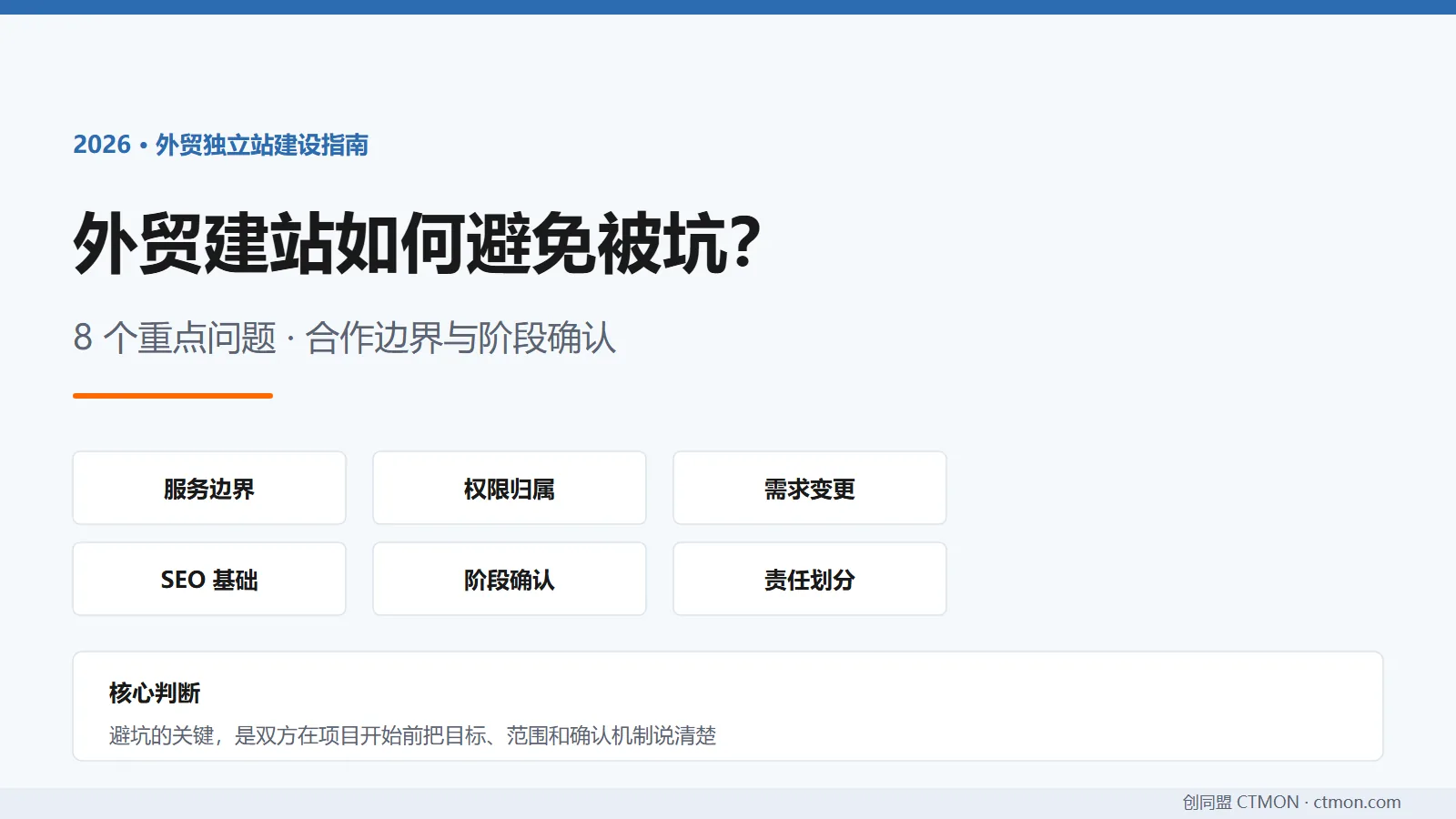
How to avoid pitfalls when building a B2B export website? A guide to avoiding common mistakes in B2B export website development in 2026.
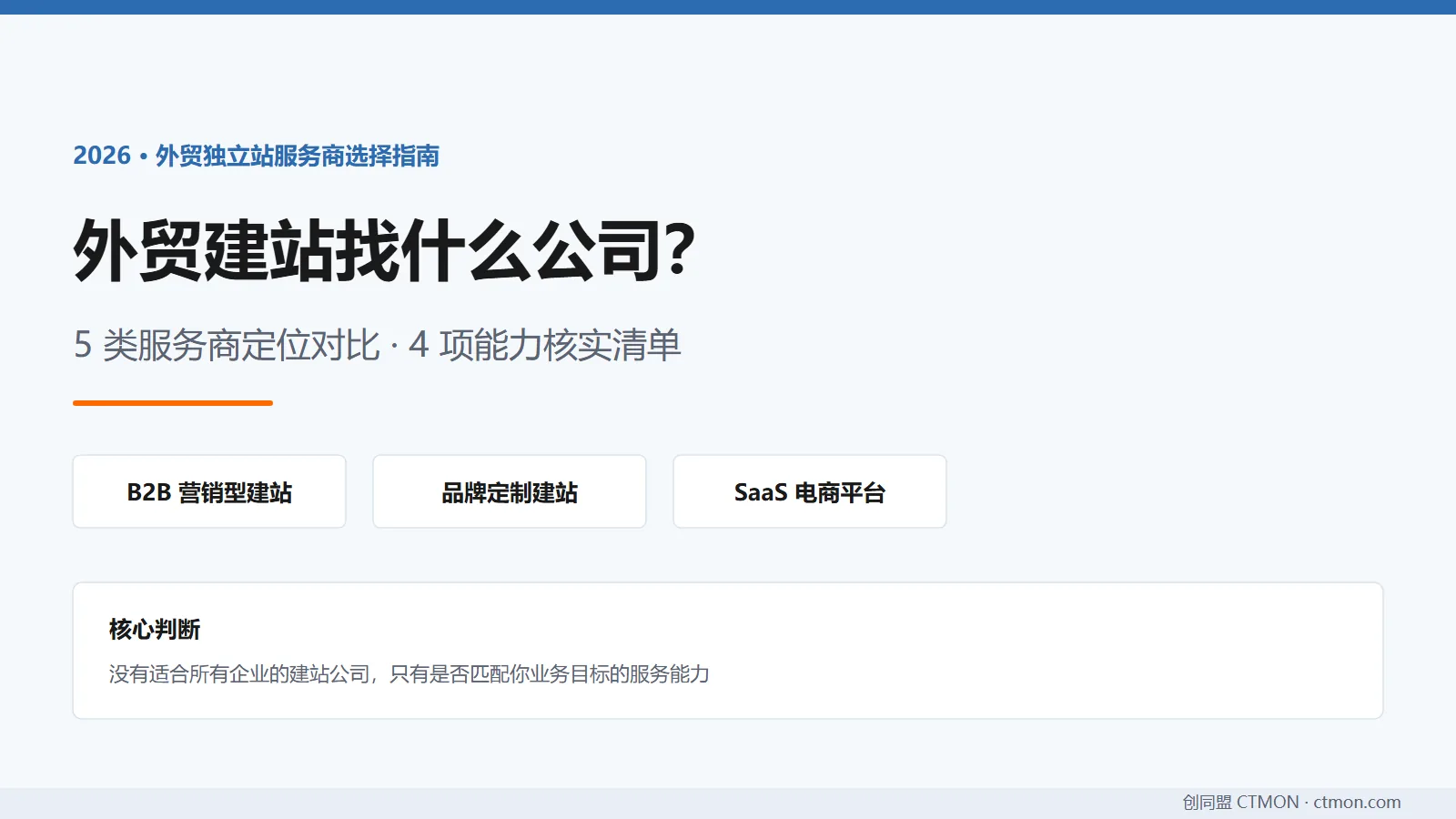
Which company should I choose for building a B2B export website? A comparison and recommendation of B2B export website service providers in 2026.

