Contents +
Methods to improve website target conversion rate
Source: 创同盟
Date: 2024-10-25
Views: 473
In the operation of a B2B export website, the target conversion rate is one of the core metrics for measuring its success. Whether it's increasing inquiries from potential customers or boosting product sales, the ultimate goal is to achieve a higher conversion rate through optimization. In this process, Google SEO plays a crucial role. SEO not only helps improve your website's organic traffic but also indirectly promotes conversion rates by enhancing page quality and usability.
This blog post will explore how to improve conversion rates through SEO optimization and reveal the close relationship between conversion rate optimization and Google SEO. Whether you run a B2B export website or other types of websites, these strategies can bring you better website performance.
I. What is the target conversion rate?
On e-commerce websites, conversion rate usually refers to the percentage of visitors who complete a purchase.
On B2B export websites, conversion rate may refer to the percentage of potential customers who fill out a contact form, request a quote, or subscribe to an email list.
The goal of improving target conversion rates is to give each visitor a higher chance of completing their intended action, which reduces lead generation costs and maximizes traffic value.
II. The Relationship Between Conversion Rate Optimization and Google SEO
While conversion rate optimization typically focuses on user experience and page design, there's a deep connection between SEO and conversion rate optimization. Optimizing SEO not only helps you attract more valuable traffic but also improves page quality and relevance, thereby increasing conversion rates. Here are some ways Google SEO can boost conversion rates:
1. Improve website ranking and attract target customers.
High-quality SEO work can get your website appearing on pages searched by your target users, especially for B2B export websites, attracting potential customers worldwide. SEO optimization helps you:
① Increase targeted traffic: Attract users who are relevant to your product or service by selecting appropriate keywords.
② Increase website exposure: A higher ranking will allow more potential customers to discover your site, increasing their willingness to browse.
When your website ranks higher, the number of visits increases, and the opportunity for conversion also increases, thereby improving the conversion rate.
2. Optimize website speed and improve user experience.
Website speed is a crucial factor in Google SEO ranking and a key factor influencing user experience and conversion rates. If your website loads slowly, visitors may leave due to long wait times, increasing bounce rate and decreasing conversion rate. SEO measures to optimize website speed include:
① Compress images and files to reduce page load time.
② Enable browser caching to reduce the number of resources that are repeatedly loaded.
③ Use CDN to accelerate content distribution.
A fast-loading webpage provides a smoother user experience, thereby increasing user engagement and ultimately boosting conversion rates.
3. Enhance the relevance and value of page content.
Google is increasingly focusing on the relevance and value of page content, going beyond just keyword matching. Optimizing page content to make it more relevant, useful, and relevant to user needs can directly improve conversion rates.
① Keyword optimization: Ensure that the target keywords are highly relevant to the page content so that users can quickly find the solutions they need.
② Content quality: Provide detailed, accurate and valuable information, such as technical specifications, user guides, customer reviews, etc.
③ CTA button: Ensure that each page has a clear and attractive call to action, such as "Buy Now" or "Get a Free Quote," so that users know what to do next.
This not only improves Google's rating of the page, but also helps attract and convert visitors more effectively.
4. Optimize mobile experience
With the surge in mobile internet users, Google is placing increasing emphasis on mobile experience. Ensuring your website performs exceptionally well on mobile devices not only improves SEO rankings but also directly impacts conversion rates.
① Responsive design: Ensures the website displays well on various mobile devices.
②Touch-friendly: Optimized buttons and links to ensure users can easily operate with their fingers.
③ Fast loading: Mobile loading speed has a particularly significant impact on conversion rates. Optimize loading time to reduce bounce rate on mobile devices.
III. SEO Best Practices to Improve Conversion Rates
To more effectively combine Google SEO with conversion rate optimization, you can adopt the following best practices:
① Optimize meta tags: Write attractive titles and descriptions to entice users to click and increase click-through rate (CTR).
② Improve page loading speed: Improve website speed and enhance user experience by compressing images and reducing HTTP requests.
③ Improve the website's internal link structure: Guide users to browse more relevant content through appropriate internal links, increasing their dwell time and conversion rate.
④A/B testing: Test different page elements (such as CTA buttons, images, and text) to find out which versions bring higher conversion rates.
Remember, the ultimate goal of SEO is not just to improve website rankings, but also to enhance user experience and drive higher conversion rates. By meticulously optimizing every detail, your business website will stand out in a competitive market.
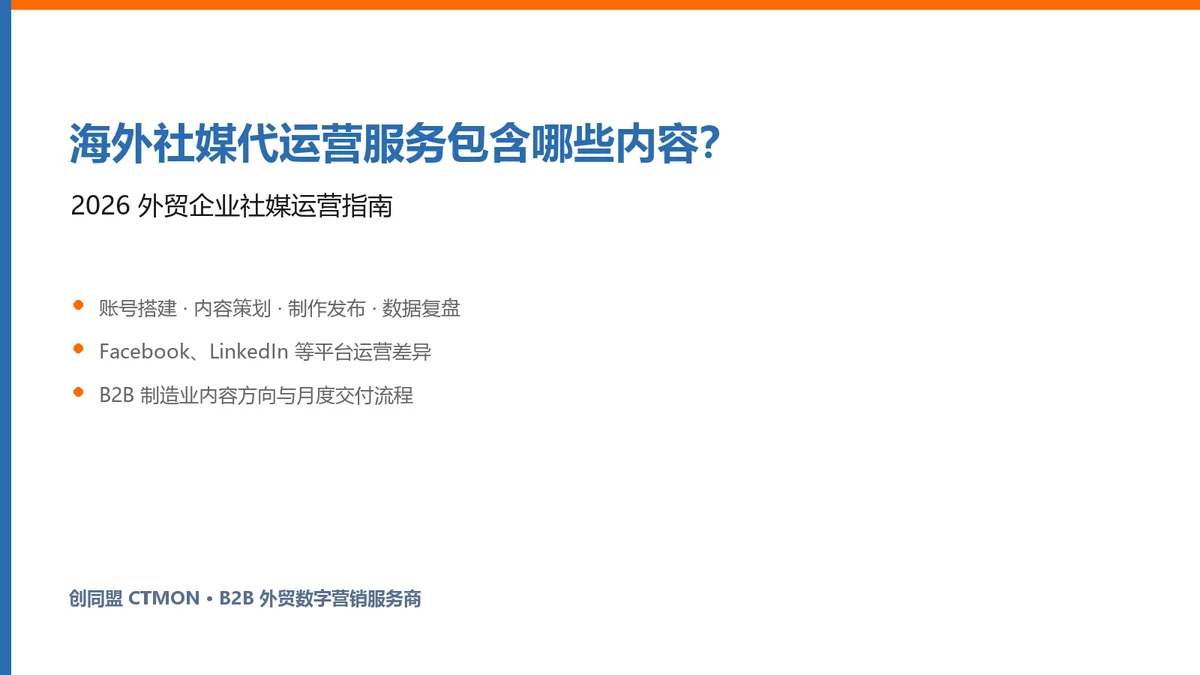
What does international social media management service include? 2026 Guide to Social Media Management for Export Businesses
2026-10-28

How to write a WordPress product page that will make overseas buyers want to send inquiries?
2026-10-28

How to fix WordPress form emails not sending: Practical WP Mail SMTP configuration
2026-10-27
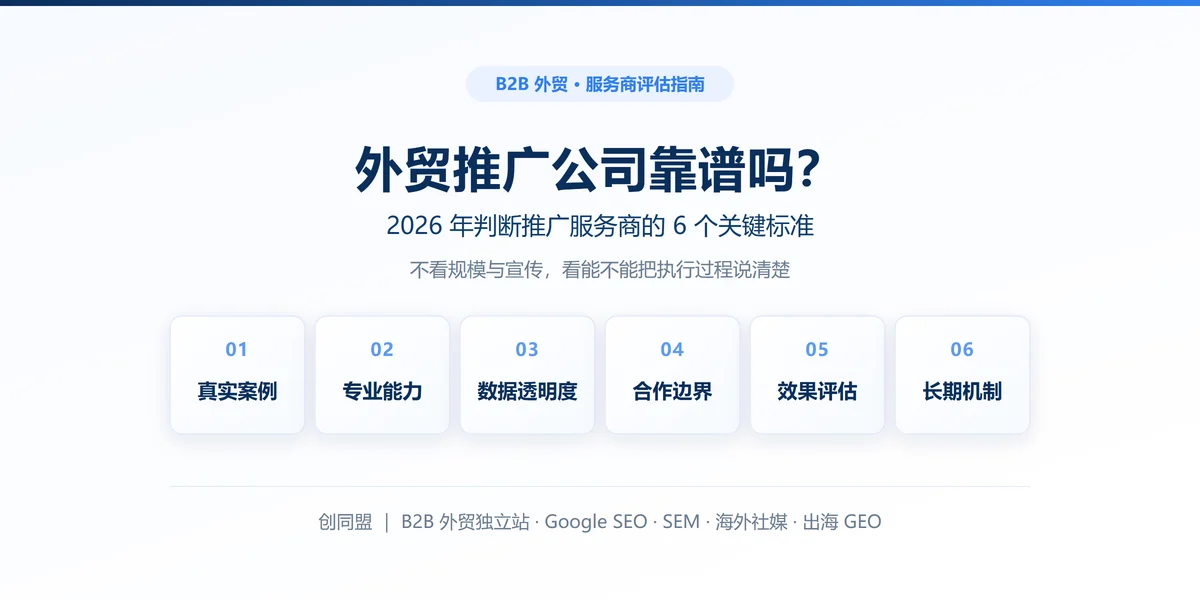
Are foreign trade promotion companies reliable? Six key criteria for businesses to judge promotion service providers in 2026.
2026-10-26
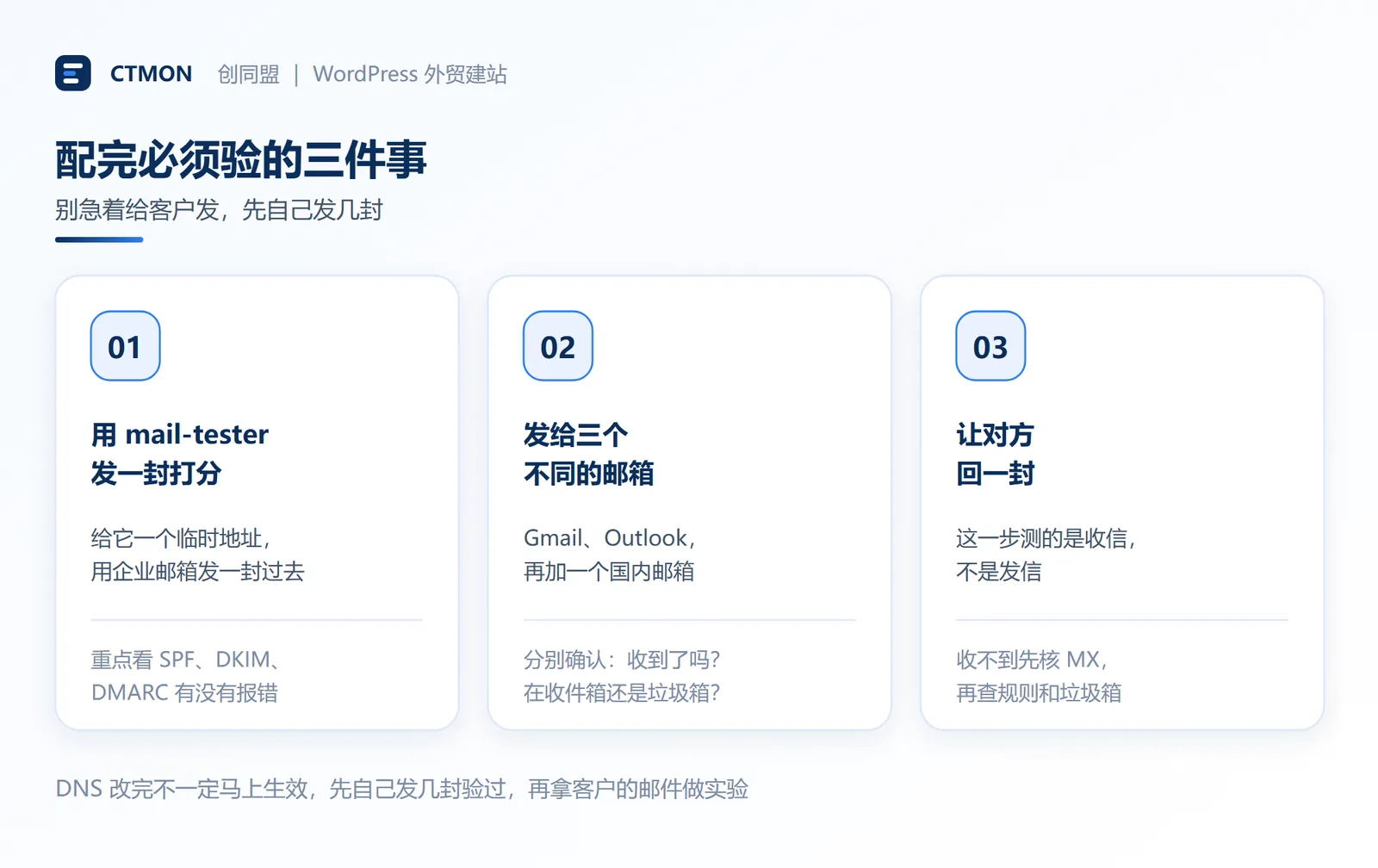
How do I set up an email account for export businesses? How can I configure it to avoid it ending up in the spam/junk mail folder?
2026-10-26
Related Articles
Are foreign trade promotion companies reliable? Six key criteria for businesses to judge promotion service providers in 2026.

The 140th Canton Fair Opens: How can export businesses seize overseas sourcing opportunities through digital marketing?
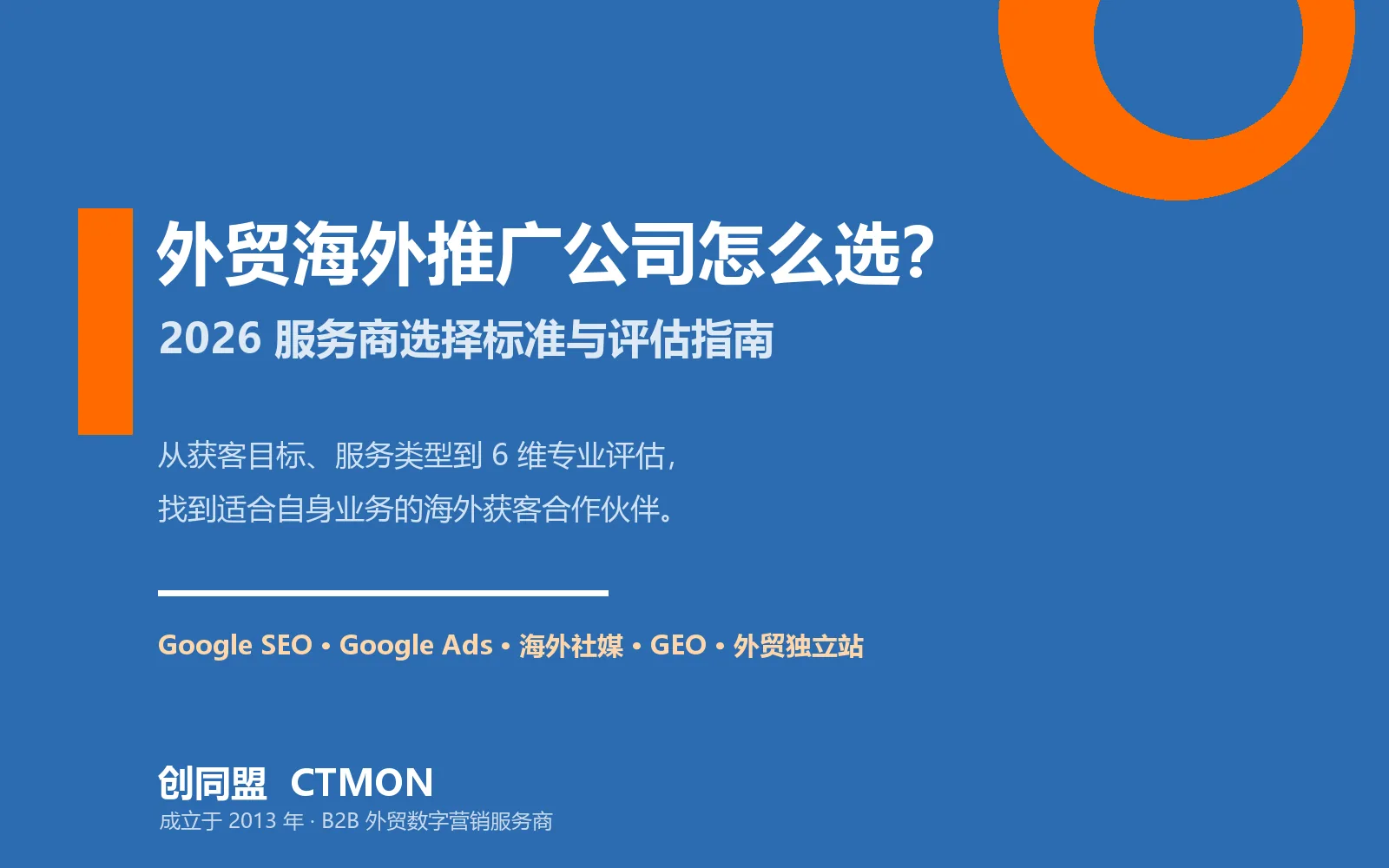
How to Choose an Overseas Promotion Company for Foreign Trade? 2026 Service Provider Selection Criteria and Evaluation Guide
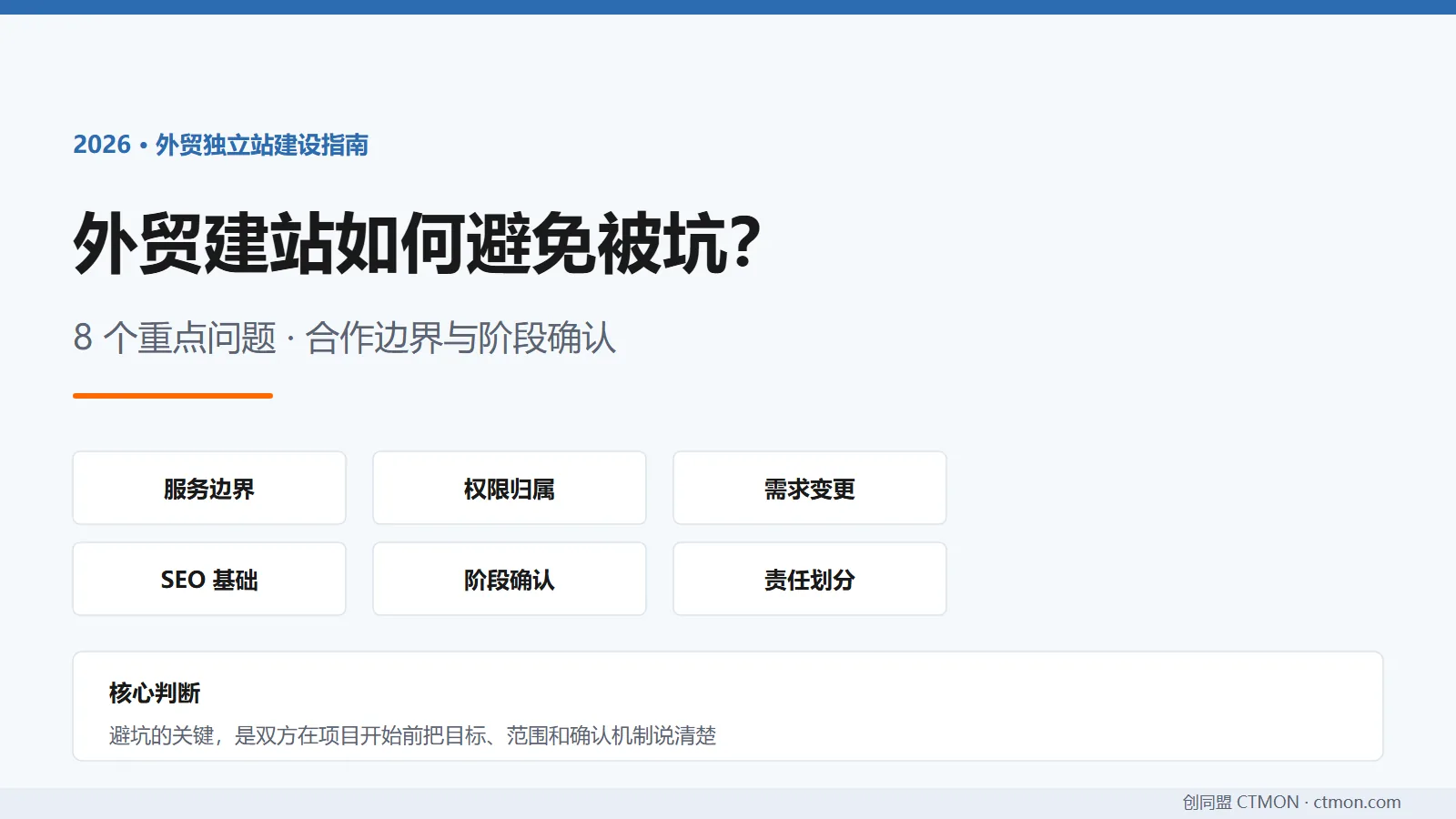
How to avoid pitfalls when building a B2B export website? A guide to avoiding common mistakes in B2B export website development in 2026.
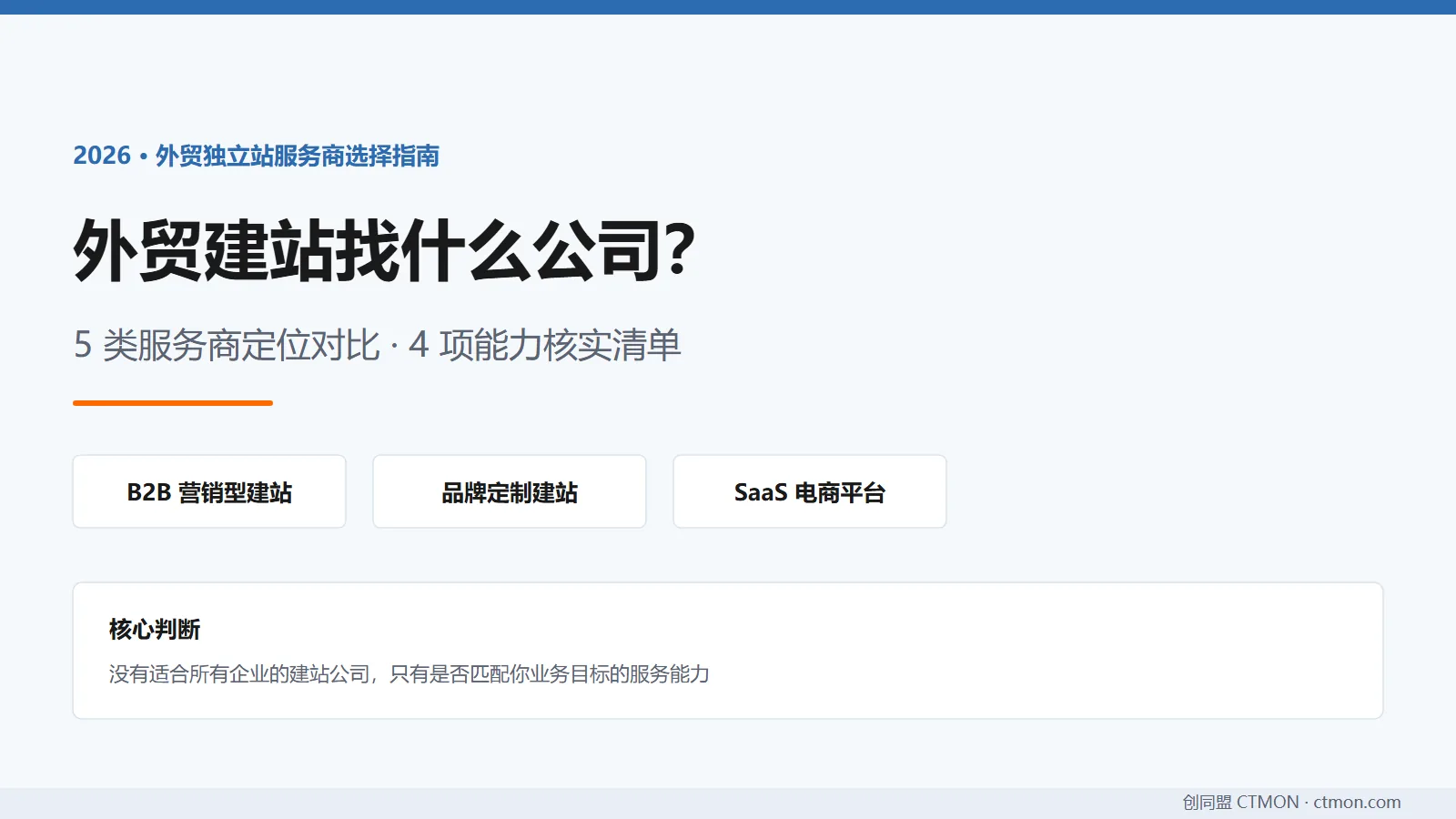
Which company should I choose for building a B2B export website? A comparison and recommendation of B2B export website service providers in 2026.

