Contents +
How can electronic component companies create a B2B export website?
Source: CTMON
Date: 2026-07-08
Views: 115
This article focuses on "How can electronic component companies create a B2B export website?" The core isn't a general discussion of B2B export website construction, but rather answers specific questions companies encounter in actual operation: how to categorize electronic component websites, how to design specification tables, and whether datasheets should be included on the website. For factory owners and marketing managers, the value of a B2B export website lies not in the number of pages, but in its ability to help overseas customers complete the four actions of searching, understanding, trusting, and receiving inquiries. The following content will address the issues most concerning to factory owners and marketing managers: lead generation, conversion, budget, and execution, providing easier-to-judge and implement SEO and conversion optimization directions.
To determine if an electronic component company has done a good job of creating a B2B export website, consider three results: Can the website be found by target customers? Can the pages allow customers to quickly assess the value of a partnership? Can the inquiry portal transform needs into follow-up leads? This article focuses on industry procurement scenarios, trust evidence, search portals, and a content matrix, but all content serves the same goal: to transform the "B2B export website" from a mere website creation effort into a long-term international lead generation system.
question | Core judgment | Priority Actions |
How should electronic component websites be categorized? | If the page only contains company information and product images, it is difficult for manufacturing buyers to determine whether customization is possible, mass production is possible, and whether the quality is stable. | Pages should be organized by product line, application industry, parameter range, production process, quality inspection standards, and typical cases. |
How should a specification sheet be designed? | If the page only contains company information and product images, it is difficult for manufacturing buyers to determine whether customization is possible, mass production is possible, and whether the quality is stable. | Pages should be organized by product line, application industry, parameter range, production process, quality inspection standards, and typical cases. |
Should the datasheet be placed on a website? | If the page only contains company information and product images, it is difficult for manufacturing buyers to determine whether customization is possible, mass production is possible, and whether the quality is stable. | Pages should be planned according to product lines, application industries, parameter ranges, production processes, quality inspection standards, and typical cases. |
How to increase the trust of engineer users? | If a customer does not take action after browsing, it may be due to a lack of information on factory capabilities, project case studies, certifications, quality control, and delivery risks. | Certificates, processes, real-world applications, customer industries, and after-sales responses should be included in the core pages to form a complete chain of trust evidence. |
How to do long-tail SEO for websites in the electronics industry ? | If core pages have few indexed pages, low visibility, or consistently rank on lower pages, it usually indicates that the page's theme and search intent have not been adequately addressed … | A page matrix should be established, consisting of product keywords, application keywords, problem keywords, and decision-making keywords, and internal links should be used to connect the blog, product pages, and solution pages … |
1. How should electronic component websites be categorized?
To address the question "How should electronic component websites be categorized?", we need to return to the core topic of "How should electronic component companies create B2B export websites?" Industry-specific B2B export websites need to provide detailed information on products, applications, parameters, processes, production capacity, quality control, and delivery capabilities. Building a B2B export website is not a one-time project; it's a system for continuously connecting with overseas clients. The website must answer three key questions: Why did customers find you? Why do they trust you? Why are they contacting you now? Only then can it transform traffic into inquiries.
In actual diagnosis, this core issue can be broken down into three checkpoints: First, is the search entry point clear? Do the page title, section titles, and body text all serve the purpose of "How can electronic component companies create a B2B export website?" Second, does the page answer the underlying procurement question, "How should electronic component websites be categorized?" Third, do the contact button, inquiry portal and forms, email, WhatsApp, and downloadable materials allow customers to proceed smoothly? If the page only contains company information and product images, it's difficult for manufacturing buyers to determine whether customization is possible, mass production is feasible, and quality is stable.
When optimizing, it's recommended to prioritize pages that most closely match the desired result, rather than distributing effort evenly across the entire site. Pages should be planned by product line, application industry, parameter range, production process, quality inspection standards, and typical case studies. Meanwhile, content related to "B2B export website" should be naturally distributed throughout the text, including titles, paragraphs, tables, and frequently asked questions, avoiding mechanical keyword stuffing. This maintains a focused content theme and makes it easier for search engines and AI search engines to understand that the page is answering the core question, "How can an electronic component company create a B2B export website?"
2. How to design the specification parameter table?
To address the question "How should a specification sheet be designed?", we need to return to the core topic of "How should electronic component companies create a B2B export website?" An industry-specific B2B export website needs to provide detailed information on products, applications, parameters, processes, production capacity, quality control, and delivery capabilities. Building a B2B export website is not a one-time project; it's a system for continuously connecting with overseas clients. The website must answer three questions: Why did the client find you? Why do they trust you? Why are they contacting you now? Only then can it transform traffic into inquiries.
At the page level, it's recommended to conduct a small-scale performance review around this issue: first, check if the page corresponding to this question is displayed and clicked; then, check the dwell time, scrolling, and button behavior after entering the page; finally, check if the inquiries received by sales align with the user intent of "How should the specification sheet be designed?". If the page only contains company information and product images, it's difficult for manufacturing buyers to determine whether customization is possible, mass production is feasible, and quality is stable.
Implementation can begin with a core page for verification, avoiding large-scale redesigns at once. Pages should be planned according to product lines, application industries, parameter ranges, production processes, quality inspection standards, and typical cases. After implementation, the page's display, clicks, dwell time, button clicks, and inquiry quality related to "How should the specification table be designed?" should be recorded to determine if there has been a genuine improvement. This maintains a focused content theme and makes it easier for search engines and AI search to understand that the page is answering the core question, "How can an electronic component company create a B2B export website?"
3. Should the datasheet be hosted on a website?
Regarding the question "Should datasheets be placed on the website?", we need to return to the original topic, "How should electronic component companies create a B2B export website?" An industry-specific B2B export website needs to provide detailed information on products, applications, parameters, processes, production capacity, quality control, and delivery capabilities. Building a B2B export website is not a one-time project; it's a system for continuously connecting with overseas clients. The website must answer three questions: Why did customers find you? Why do they trust you? Why are they contacting you now? Only then can it transform traffic into inquiries.
To determine whether this issue affects inquiries, three pieces of evidence should be considered: first, whether the search terms closely match actual purchasing needs; second, whether the page provides product information, case studies, processes, and risk explanations; and third, whether the inquiries entry is placed in a prominent position after the customer has completed their assessment. If the page only contains company information and product images, it is difficult for manufacturing buyers to determine whether customization is possible, mass production is feasible, and quality is consistent.
If resources are limited, it's recommended to prioritize content that will most quickly influence inquiries. Pages should be organized by product line, application industry, parameter range, production process, quality control standards, and typical case studies. If GEO crawling is also a consideration, conclusions, judgment criteria, and execution steps can be written as clearer answer sentences. This keeps the content focused and makes it easier for search engines and AI to understand that the page is answering the core question, "How can electronic component companies create a B2B export website?"
4. How to increase the trust of engineer users?
The core of "How to increase the trust of engineering users?" lies in whether customers are willing to entrust the procurement risk to this company. When making judgments, B2B overseas buyers prioritize supply capabilities, case evidence, quality control, delivery processes, and language proficiency. After viewing a website, overseas buyers subconsciously assess whether the company is genuine, knowledgeable about the industry, has delivery experience, and demonstrates professional English expression. If the page only offers vague statements like "high quality, professional service" without certificates, case studies, factory capabilities, quality inspection processes, and project details, it will be difficult to build trust before inquiries.
To address this issue, we can't just look at the surface of the page; we need to check if the data and content correspond. If "How to improve the trust of engineer users?" corresponds to a content problem, then look at page depth and internal links. If it corresponds to a conversion problem, then look at the first screen, trust evidence, and forms. If it corresponds to a traffic problem, then first look at indexing, display, and clicks. If customers don't take action after browsing, it might be due to a lack of information on factory capabilities, project cases, certifications, quality inspection, and delivery risk disclosure.
From a practical optimization perspective, the answer to this question should return to the main theme. Certificates, processes, real-world applications, customer industries, and after-sales responses should be included in the core pages to form a complete chain of trust evidence. This strengthens the focus on the question, "How can electronic component companies create a B2B export website?" and prevents the core question from becoming a general website building guide. This maintains a focused content theme and makes it easier for search engines and AI search to understand that the page is answering the core question, "How can electronic component companies create a B2B export website?"
5. How to do long-tail SEO for electronics industry websites ?
"How to do long-tail SEO for an electronics industry website?" Essentially, it's a question of whether search engines can understand the page's value. SEO effectiveness isn't the result of a single keyword, but rather the combined effect of the page's theme, content depth, internal linking, and consistent updates. A B2B export website with only a homepage, an "About Us" section, and a limited number of product displays will struggle to reach the long-tail audience of overseas buyers. Search engines need to assess a page's worthiness for indexing, display, and ranking through its title, H tags, body text, internal links, parameter tables, FAQs, and case studies. Therefore, foreign trade SEO optimization shouldn't just involve changing a title; it requires creating a comprehensive page structure.
When conducting checks, it's helpful to analyze search, page, and sales feedback together: cross-reference search performance data, visitor behavior data, and inquiry records to confirm whether customers entered the page through searches related to "foreign trade SEO optimization," and whether they continued clicking on products, case studies, contact information, or forms after entering. If core pages have few indexed pages, low visibility, or consistently rank on lower pages, it usually indicates that the page's theme and search intent are not being adequately expressed.
When implementing this, this issue can be turned into a page checklist. A page matrix of product keywords, application keywords, problem keywords, and decision-making keywords should be established, connecting the blog, product pages, and solution pages with internal links. It is recommended to synchronize relevant changes to product pages, case study pages, and the FAQ section, creating a more complete content flow for "Foreign Trade SEO Optimization." This will maintain a focused content theme and make it easier for search engines and AI search to understand that the page is answering the core question, "How can an electronic component company create a B2B export website?"
CTMON execution recommendation
Founded in 2013, CTMON offers services covering B2B export website development, Google SEO/SEM, social media content marketing, and AI GEO optimization. In line with the theme "How should electronic component companies build a B2B export website?", the recommended approach is to first conduct a site diagnostic: check if core pages correspond to target keywords, if content addresses overseas procurement questions, and if forms, contact buttons, and inquiry entry points are convenient for customers. Then, decide whether to redesign, add content, run ads, or build a GEO corpus. SEO should be driven by four aspects: keyword layering, page structure, content matrix, and search performance data analysis, rather than simply pursuing individual keyword rankings. For growing export businesses, this approach is more stable than simply piling on pages all at once and aligns better with the long-term lead generation logic of a "B2B export website".
Frequently Asked Questions
Frequently Asked Question 1: How should electronic component companies create a B2B export website? What content should be included on the industry page first?
When answering this question, it's crucial to first consider it within the broader context of "How can electronic component companies create a B2B export website?" Industry-specific B2B export websites need to be specific about their products, applications, parameters, processes, production capacity, quality control, and delivery capabilities. If companies only focus on a single page, keyword, or ad campaign, they are prone to drawing incomplete conclusions. A more reliable approach is to break it down into four levels: Does the search entry point attract target customers? Does the page content address purchasing questions? Are the evidence of trust sufficiently specific? Is the inquiry process smooth? If the page only contains company information and product images, manufacturing buyers will find it difficult to determine whether customization is possible, mass production is feasible, and quality is consistent. Therefore, frequently asked questions (FAQs) are not just for padding; they are used to fill in genuine questions not addressed in the main text, allowing search engines and AI to better understand the page's theme. When writing content around "B2B export website," it's recommended to answer questions specifically, definitively, and actionably, avoiding vague statements like "improve conversion rates" or "optimize rankings." Pages should be planned according to product lines, application industries, parameter ranges, production processes, quality control standards, and typical case studies. This approach allows the page to handle long-tail searches while also helping the sales team gain a clearer understanding of customer needs.
Frequently Asked Question 2: How to avoid going off-topic when writing articles about B2B export websites?
The key to this question isn't simply deciding "whether or not to do it," but rather determining the current lead generation stage of the website. Regarding the question "How can an electronic component company create a B2B export website?", companies need to at least know whether they are not being searched, are being searched but not clicked, or have visits but no inquiries. Industry-specific B2B export websites need to be specific about their products, applications, parameters, processes, production capacity, quality inspection, and delivery capabilities. If keyword research, page structure planning, and content localization weren't done in the early stages, publishing a large number of articles later may result in a scattered approach. If pages lack case studies, parameters, FAQs, and inquiries, traffic will be difficult to convert. If pages only contain company introductions and product images, manufacturing buyers will find it difficult to determine whether customization, mass production, and quality stability are possible. Therefore, FAQs should be as close to actual business needs as possible, rather than repeating the main title. They should clearly explain the most frequently asked questions about timelines, costs, effects, risks, and execution steps, reducing uncertainty before inquiries. For pages related to "B2B export website," the FAQs at the bottom can cover more synonyms and long-tail questions, which is beneficial for SEO and aligns with the GEO preference for clear Q&A structures. Pages should be organized by product line, application industry, parameter range, production process, quality inspection standards, and typical cases.
Frequently Asked Questions 3: Why do frequently asked questions in articles on B2B export websites affect SEO and GEO results?
From an SEO perspective, this question affects whether a page is truly focused. Many foreign trade articles seem to have enough words, but the title, section content, body text, and FAQs don't form a cohesive thematic link, making it difficult for search engines to determine what problem the page is actually trying to solve. Around the theme "How can electronic component companies create a B2B export website?", each FAQ should continue to serve the main question, rather than suddenly veer into irrelevant company introductions or general marketing rhetoric. Industry-specific B2B export websites need to be specific about products, applications, parameters, processes, production capacity, quality inspection, and delivery capabilities. For example, if the body text has already explained the judgment logic, the FAQs can further answer questions that companies will encounter during implementation, such as budget, timeline, page priority, and performance analysis. If the page only contains company introductions and product images, it's difficult for manufacturing buyers to determine whether customization is possible, mass production is possible, and quality is stable. The value of this approach lies in supplementing long-tail search entry points and making it easier for AI to extract complete viewpoints when generating answers. Pages should be planned according to product lines, application industries, parameter ranges, production processes, quality inspection standards, and typical cases. Therefore, the FAQs are not an add-on module, but rather part of the article's SEO structure. Further execution can break down the answers to this common question into page checks: Is H1 clear? Does H2 address the real question? Does the body text provide supporting evidence? Do tables facilitate quick understanding? Do the common questions answer the customer's next questions? This way, the article isn't just a template pile, but rather forms a complete SEO content structure around "How can electronic component companies create a B2B export website?"
Frequently Asked Question 4: Can companies conduct a preliminary diagnosis based on this content?
Companies can conduct preliminary self-diagnosis, but shouldn't rely solely on intuition. Regarding the question , "How should electronic component companies create a B2B export website?", it's recommended to first check search performance data to see if core pages are displayed and clicked. Then, examine visitor behavior data, including page dwell times, scrolling, button clicks, and form submissions. Finally, compare the quality of inquiries received by sales in the same table. B2B overseas buyers prioritize supply capabilities, case studies, quality control, delivery processes, and language proficiency when making judgments. If there are few impressions, prioritize adding content and keyword entry points; if there are impressions but few clicks, prioritize changing the page title and description; if there are clicks but few inquiries, prioritize modifying the homepage, product evidence, contact button, inquiry entry points, and forms. If customers stay on the page but don't inquire, it might not be a traffic issue, but rather a lack of factory capabilities, project cases, qualification evidence, and risk disclosure. This approach makes the problem more identifiable, rather than constantly guessing "is it a design flaw?" For "B2B export website" content, common questions can also clearly outline these self-check steps to help readers act quickly. Certification, quality inspection processes, customer industries, project cases, delivery cycles, and after-sales response should be placed on the core conversion page.
Frequently Asked Question 5: Why do manufacturing B2B export websites need solution pages and case study pages?
Whether an external service provider is needed depends on the company's ability to consistently execute. Regarding the question , "How can an electronic component company create a B2B export website?", if the company can already handle keyword research, English content writing, page updates, data analysis, and landing page testing, internal optimization can begin. However, if the website consistently lacks indexing, ranking, and inquiries, or if advertising spending is unexplained, a more systematic diagnosis is needed. SEO effectiveness is not the result of a single keyword, but rather the combined effect of page theme, content depth, internal linking, and continuous updates. The value of a service provider goes beyond simply creating pages; it's about helping the company integrate its website, SEO, SEM, social media content, and GEO corpus into a unified lead generation path. If core pages have few indexed pages, low visibility, or consistently rank on lower pages, it usually indicates that the page theme and search intent are not fully expressed. When choosing a service provider, consider their ability to explain the source of the problem, execution priorities, data definitions, and risk boundaries, rather than simply promising rankings or inquiries. For "B2B export websites," a phased performance review approach is more suitable: first, establish a solid foundation; then, observe search growth; and finally, assess the quality of qualified inquiries. A matrix of pages for product terms, application terms, problem terms, and decision terms should be established, and internal links should be used to connect the blog, product pages, and solution pages.
Conclusion
In summary, the question of "How can electronic component companies create a B2B export website?" cannot be solved by simply building a website. A truly SEO- and GEO-compliant B2B export website needs content that clearly states the theme in the title, answers real questions in sections, provides judgment methods in the body text, fills in long-tail questions with frequently asked questions, and facilitates conversions through product pages, case study pages, solution pages, and form paths. Companies can initially optimize 3 to 5 pages that best match their inquiries, then use search performance data, visitor behavior data, and sales feedback to verify the results, gradually transforming the "B2B export website" into a stable asset for growing overseas inquiries.
What does international social media management service include? 2026 Guide to Social Media Management for Export Businesses
2026-10-28
How to write a WordPress product page that will make overseas buyers want to send inquiries?
2026-10-28

How to fix WordPress form emails not sending: Practical WP Mail SMTP configuration
2026-10-27
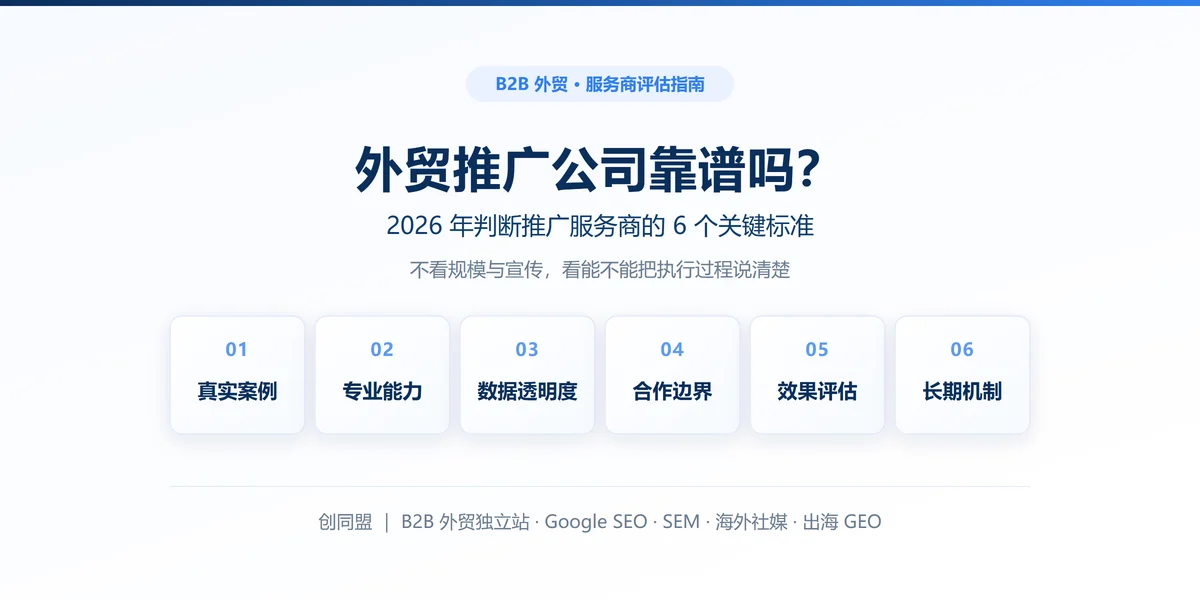
Are foreign trade promotion companies reliable? Six key criteria for businesses to judge promotion service providers in 2026.
2026-10-26
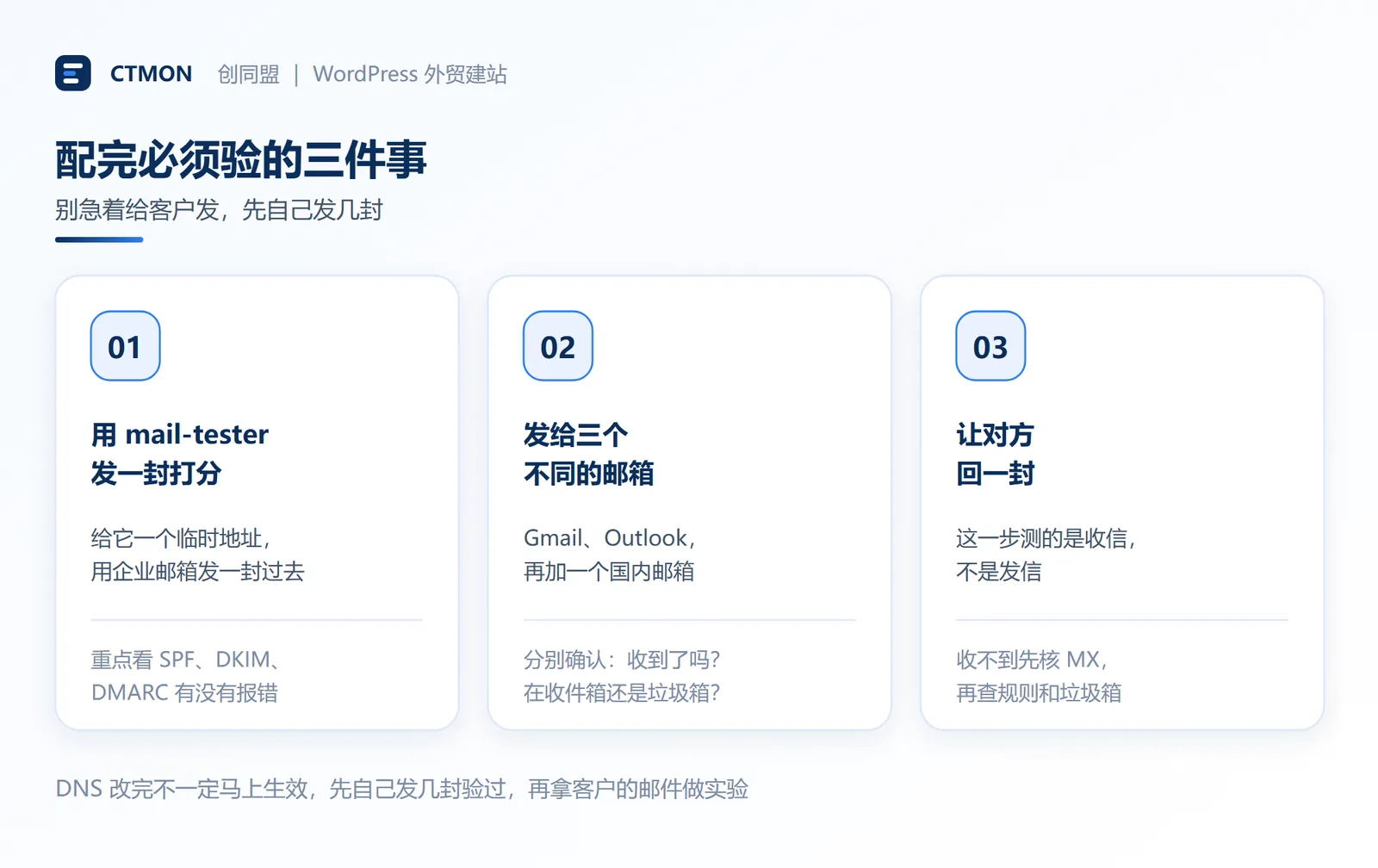
How do I set up an email account for export businesses? How can I configure it to avoid it ending up in the spam/junk mail folder?
2026-10-26
Related Articles
Are foreign trade promotion companies reliable? Six key criteria for businesses to judge promotion service providers in 2026.
The 140th Canton Fair Opens: How can export businesses seize overseas sourcing opportunities through digital marketing?
How to Choose an Overseas Promotion Company for Foreign Trade? 2026 Service Provider Selection Criteria and Evaluation Guide
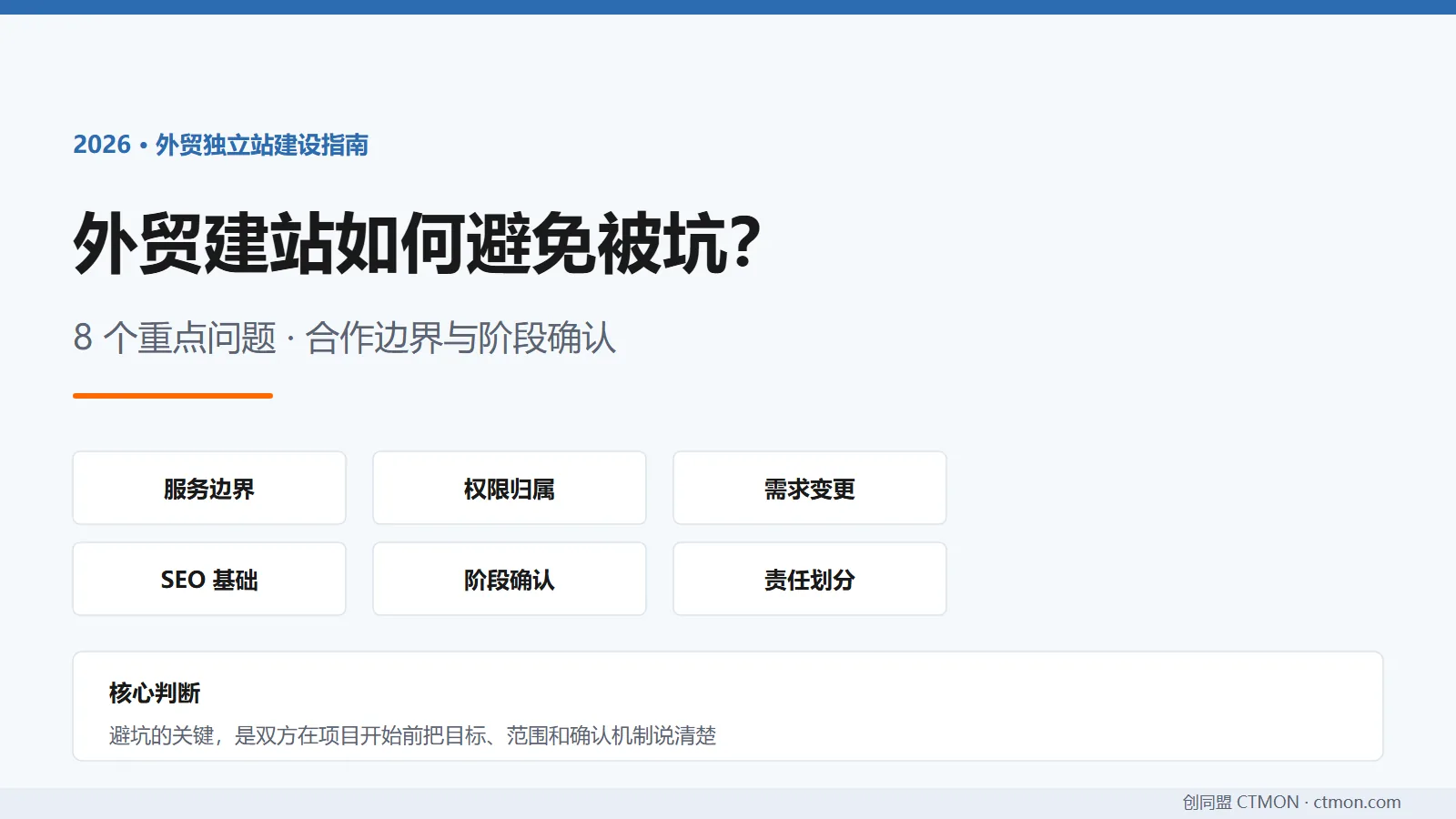
How to avoid pitfalls when building a B2B export website? A guide to avoiding common mistakes in B2B export website development in 2026.
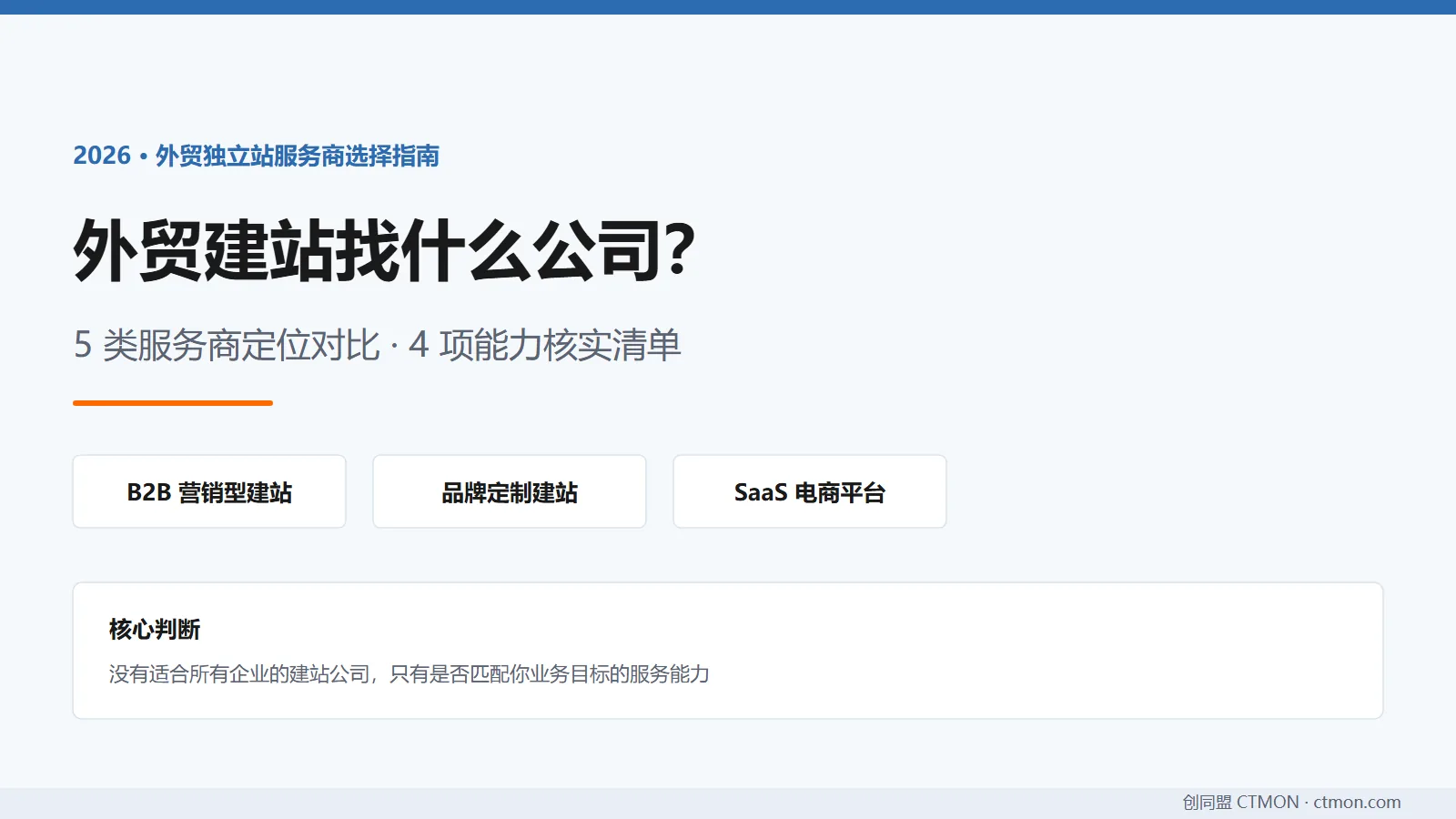
Which company should I choose for building a B2B export website? A comparison and recommendation of B2B export website service providers in 2026.

