Contents +
What are some special things to keep in mind when analyzing Google Ads data?
Source: 创同盟
Date: 2025-03-28
Views: 1202
Experienced Google SEM data analysts know that simply looking at basic metrics is far from enough. Take data timeliness, for example; there's often a 24-hour delay between the ad backend and Google Analytics. I remember last month when I was helping a client optimize their campaigns, they rushed to adjust their budgets before the data was fully updated, only to find the next day's report had inadvertently negatively impacted high-conversion ad groups. Here's a rule of thumb: extend your observation period to at least 14-28 days. Short-term fluctuations, like stock market candlestick charts, may look exciting, but their reference value is limited.
Data quality is a frequent source of problems. Once, we discovered a client's CTR (click-through rate) suddenly spiked to 8%, and a thorough investigation revealed it was malicious clicks from a competitor. Now, when training the team, I always emphasize that if you see a sharp drop in daily CPC (cost per click) or a surge in conversions, don't rush to celebrate. Thoroughly examine the search term reports first. Conversion tracking settings should be treated like a census check, especially for e-commerce clients' dynamic value tracking codes; a slight oversight can lead to missing cross-device orders.
Setting goals is easier said than done. I used to help educational institutions with their advertising campaigns, and initially focusing solely on registration numbers led to high costs. Later, I broke down the goals into three stages: brand exposure, lead generation/conversion, and paid conversion. This tripled my ROAS (Return on Ads). On a side note, different keyword matching types are like fishing nets. Broad match can catch big fish, but it inevitably mixes in junk traffic. I recommend doing search term cleaning every Wednesday – this habit saves at least 20% of wasted spending.
When it comes to ad quality scores, many beginners only focus on the numerical value. However, the implicit metric of landing page loading speed is even more important. For example, compressing a client's landing page by 1.2 seconds once caused the quality score to jump from 6 to 9. Regarding copy testing, some teams now use dynamic insertion features for automated rotation, which is more than three times more efficient than traditional A/B testing.
The biggest pitfall in conversion path analysis is attribution models. Last year during Black Friday, a client insisted on using final click attribution, almost cutting their entire display advertising budget. Later, using data attribution tools, they discovered that 40% of their search ad conversions required 2-3 outreach visits from other channels. Now, in similar situations, we advise clients to compare at least three attribution models before making a decision.
Budget allocation is essentially a dynamic jigsaw puzzle. A case study of a home furnishing client illustrates this perfectly: they rigidly adhered to a balanced daily budget allocation, resulting in competitors capturing traffic during peak hours. Later, by switching to a targeted ROAS bidding strategy, coupled with time-based budget adjustments, their conversion cost dropped by 35%. However, it's important to note that automatic bidding can easily spiral out of control during highly competitive periods; in such cases, adding a maximum bid limit is a more prudent approach.
Mobile optimization is definitely a technical skill. Take, for example, a case study of a restaurant chain's local promotion; their mobile page's contact number required zooming in three times to read. After redesigning and adding a prominent one-click dial button, their mobile conversion rate increased by 22% the following week.
Here's another tip: on desktop, you can include more product parameters in the extended information of the advertisement, while on mobile, you should highlight the instant communication entry point.
When it comes to competitor monitoring, tools only solve half the problem. Once, we discovered a competitor suddenly flooding the market with "free shipping" keywords; further investigation revealed they had upgraded their supply chain. This kind of market intelligence can't be uncovered by tools like SEMrush alone; you have to attend industry trade shows and network extensively.
Finally, a reminder to everyone: SEM optimization is both a science and an art. Data always speaks louder than theory; this is the most profound lesson I've learned after eight years in this industry.

What does international social media management service include? 2026 Guide to Social Media Management for Export Businesses
2026-10-28

How to write a WordPress product page that will make overseas buyers want to send inquiries?
2026-10-28

How to fix WordPress form emails not sending: Practical WP Mail SMTP configuration
2026-10-27

Are foreign trade promotion companies reliable? Six key criteria for businesses to judge promotion service providers in 2026.
2026-10-26

How do I set up an email account for export businesses? How can I configure it to avoid it ending up in the spam/junk mail folder?
2026-10-26
Related Articles
Are foreign trade promotion companies reliable? Six key criteria for businesses to judge promotion service providers in 2026.

The 140th Canton Fair Opens: How can export businesses seize overseas sourcing opportunities through digital marketing?

How to Choose an Overseas Promotion Company for Foreign Trade? 2026 Service Provider Selection Criteria and Evaluation Guide
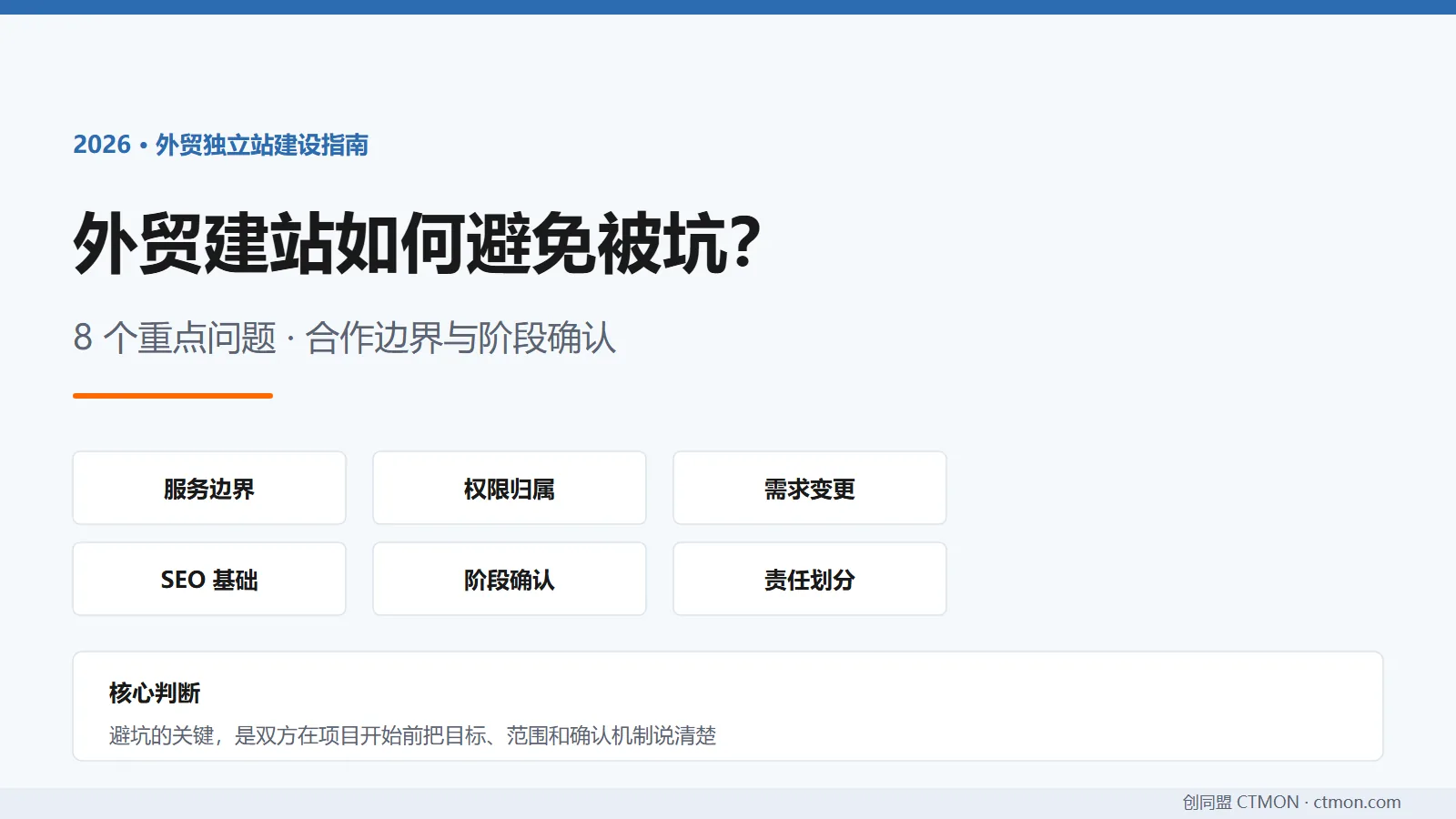
How to avoid pitfalls when building a B2B export website? A guide to avoiding common mistakes in B2B export website development in 2026.
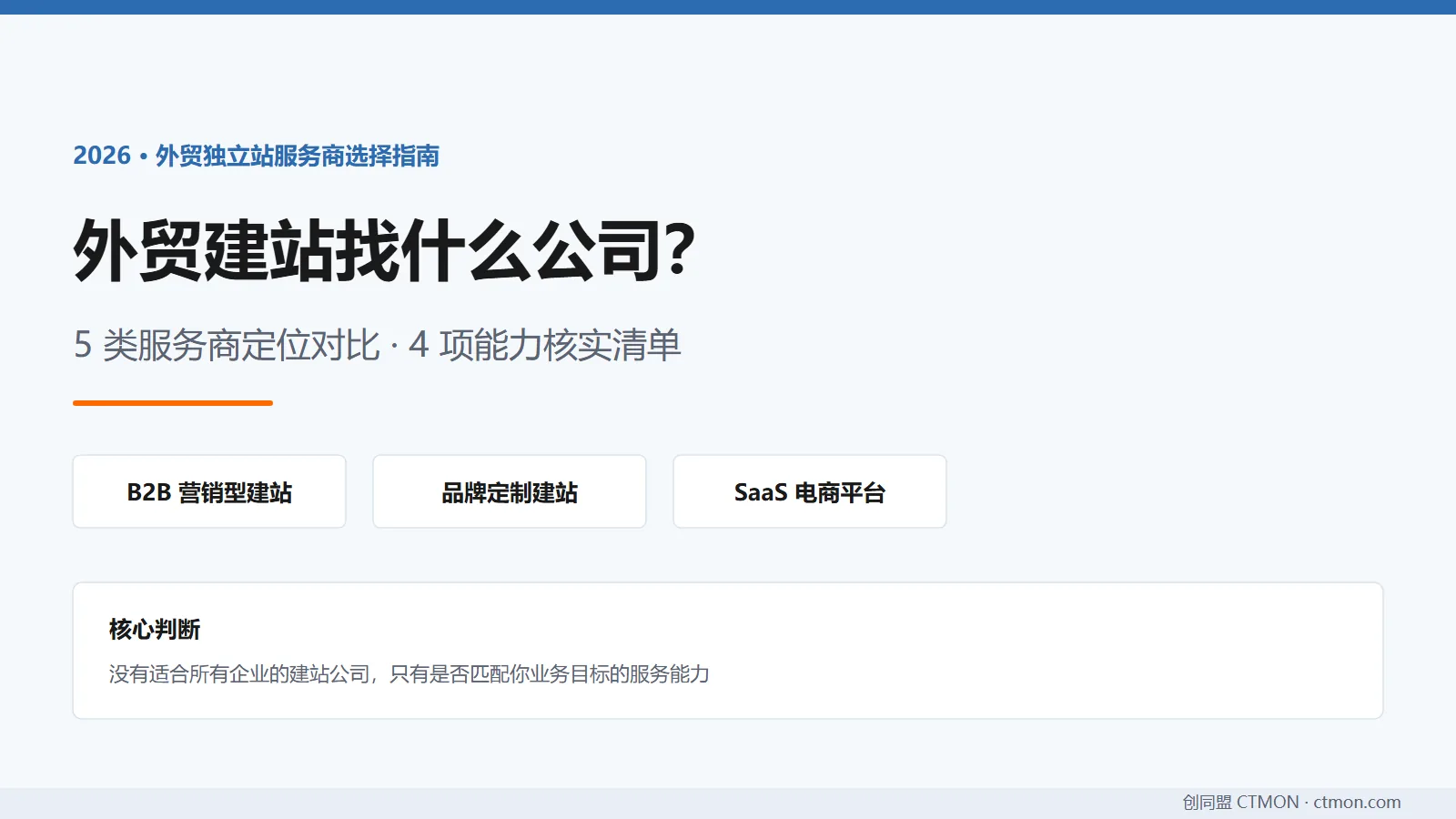
Which company should I choose for building a B2B export website? A comparison and recommendation of B2B export website service providers in 2026.

