Contents +
(II) Key Points of Google Ad Relevance Research
Source: 创同盟
Date: 2025-07-31
Views: 2378
- Improving the visibility of Google ads and achieving a higher ROI can be simplified to improving ad relevance, or keyword relevance. We will explain how to improve ad relevance, but first, we need to give a definition.
- 1. What is advertising relevance?
- Google's official definition of ad relevance is the degree to which an ad campaign matches a user's search, determined by the relationship between keywords, ads, and landing pages.
- For example, a Google search for "real estate CRM (CRM for real estate)" displays the following ads:
- This ad is highly relevant because the search keywords appear directly in the ad title. To improve ad relevance, you must do the following three things:
- Keywords should always be relevant to the advertisement.
- Advertisements should always be aligned with the corresponding Landing Page.
- All of these things should always be aligned with the user's search intent.
- 2. How to measure correlation
- Keyword relevance can be categorized into three possible states: above average; average; below average.
- A "average" or "above average" status indicates that the keyword relevance is not significantly problematic compared to all other keywords in Google Ads. The closer the connection between the keyword and the ad copy, the higher the keyword relevance (and vice versa).
- The ads that appear when you search for "digital marketing for lawyers" are likely in an "average" or "above average" category because the keywords are a very good match for the ads.
- "Below average" means that the ads or keywords may not be specific enough, or the ad group covers too many topics. This often happens when ads are copied from one ad group to another without editing and adjusting the keywords to fit the ad copy for the new ad group.
- Below is an ad that may be considered "below average" because it appears in search results for "marketing automation for small businesses," but its target audience is advertising agencies:
- 3. The Importance of Advertising Relevance
- In short, higher ad relevance equals a higher quality score, which in turn equals a lower cost per click. Whether on Google or Bing, ad relevance is a crucial metric for measuring quality score.
- A low quality score means that ads, keywords, and landing pages are considered irrelevant, while a high quality score means that ads, keywords, and landing pages are relevant. Besides relevance, many other factors can affect the quality score, so it's possible to have a high quality score and low ad relevance, or vice versa.
- So what does a higher quality score mean? Ultimately, it means a lower cost per click.
- This is because Google's ad auction is based on relevance. The platform encourages advertisers to create highly relevant ad campaigns to better respond to searcher intent. Highly relevant ads typically rank higher on the results page, earn more clicks with the same budget, and have a lower cost per click.
- 4. How to improve the relevance of Google Ads
- 4.1 Creating specific ad groups
- Each ad group should focus on a different product or service, as focus is a way to improve relevance. For example, a full-service digital marketing solutions company that offers a variety of advertising tools should create a different ad group for each of these tools, such as one for email marketing, one for content marketing, and so on.
- That's what Salesforce does. This ad highlights the features of the company's email marketing solution:
- This is very important because if someone is searching for email marketing solutions, they are more likely to click on this ad than a broader, irrelevant ad such as "digital marketing services".
- 4.2 Choose keywords carefully
- This includes keywords directly related to the theme of the ad group and the landing page, as well as similar variations of these keywords. As a guideline, each ad group should contain approximately 5–20 keywords.
- Note that when selecting keywords, you should focus more on long-tail keywords rather than individual words, because users who access the site through long-tail searches often have greater conversion potential. For example, a social media marketing company promoting a newly developed scheduling tool would likely be more accurate using long-tail phrases like "social media marketing scheduling tool" rather than simply "social media marketing".
- While long-tail phrases may get less impression and traffic, they are of higher quality because you are providing something more relevant to what they are looking for.
- 4.3 Include keywords in advertising text
- When people see their search terms in ad text, it indicates that their search is relevant to the ad. Therefore, best practice is to include top-level keywords in ad text, especially in the title and description. In this example, one of Zoho's main long-tail keywords might be "sales analytics software," so it includes this keyword in both the title and description.
- Adding keywords to the display URL (like Zoho includes "analysis" in the URL part) is another way to include keywords in the ad text and improve relevance.
- 4.4 Send traffic to the relevant Landing Page
- Since ad relevance also depends on landing page relevance, this means that ad content must match the landing page content after clicking the ad. In addition to implementing information matching between ads and landing pages, it's crucial to ensure that each ad group has a specific page, that the page delivers the content promised by the ad, and that the page includes top-level keywords while excluding missing keywords.
- 4.5 Test multiple ads
- Experiment with different keywords, ad copy, and other techniques to see which works best for your advertising goals. Google Ads helps this by automatically rotating ads within ad groups to continuously showcase the best-performing ads. Regularly reviewing ad performance and conducting A/B testing can help identify the best ways to keep ads relevant and achieve your marketing objectives.
- 4.6 Summary
- Improving ad relevance is one of the key ways to maximize the effectiveness of ad spend, and it's definitely worth the effort because it will lead to an overall improvement in your ad campaign—higher quality scores, better ad placements, and lower cost per click.
- In short, higher ad relevance equals a higher quality score, which in turn equals a lower cost per click. Whether on Google or Bing, ad relevance is a crucial metric for measuring quality score.
What does international social media management service include? 2026 Guide to Social Media Management for Export Businesses
2026-10-28

How to write a WordPress product page that will make overseas buyers want to send inquiries?
2026-10-28

How to fix WordPress form emails not sending: Practical WP Mail SMTP configuration
2026-10-27
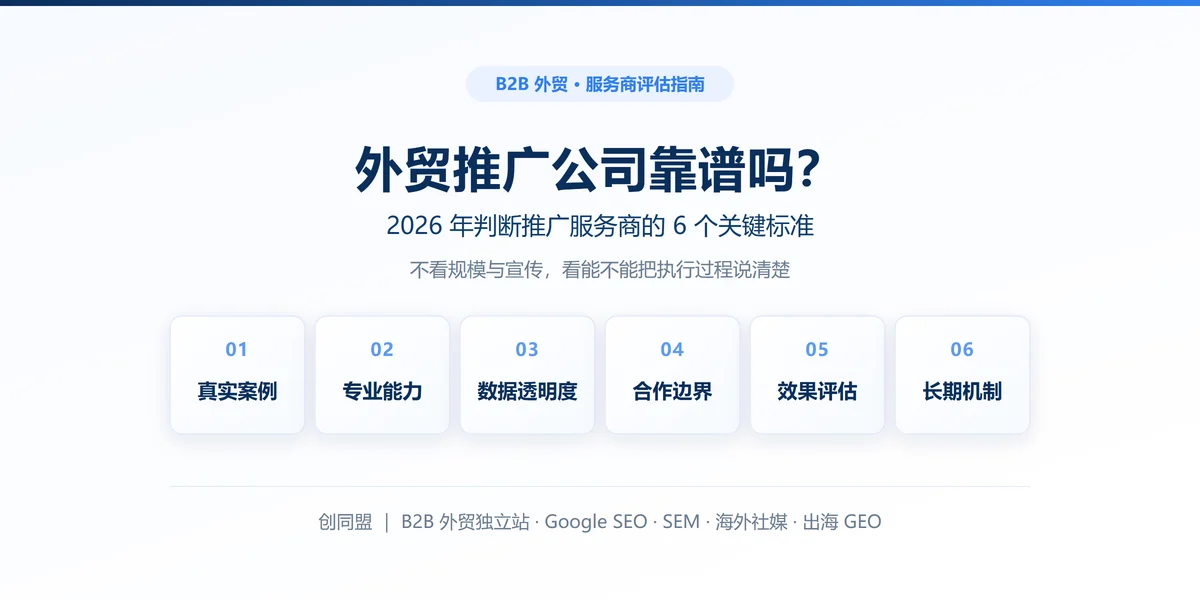
Are foreign trade promotion companies reliable? Six key criteria for businesses to judge promotion service providers in 2026.
2026-10-26
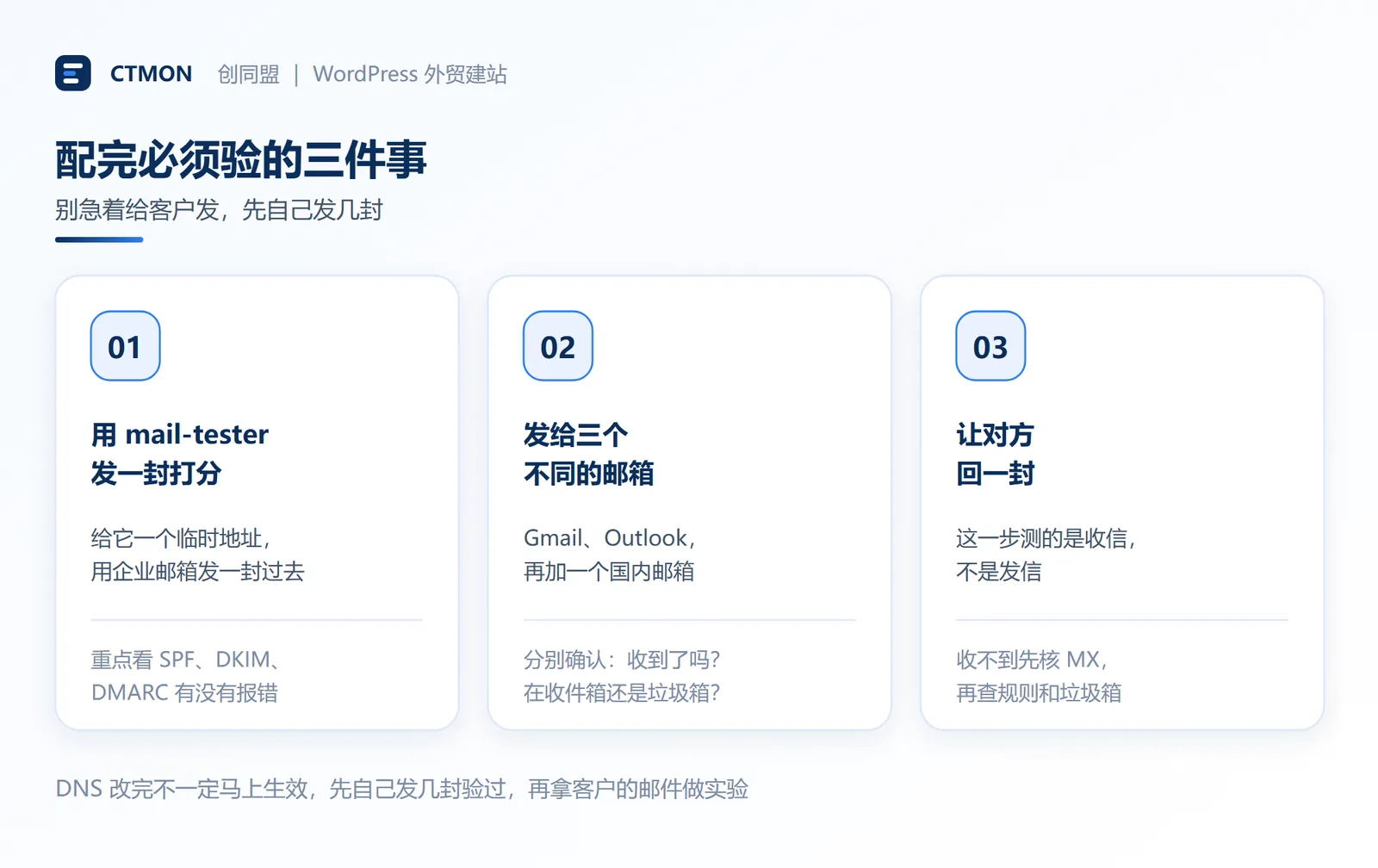
How do I set up an email account for export businesses? How can I configure it to avoid it ending up in the spam/junk mail folder?
2026-10-26
Related Articles
Are foreign trade promotion companies reliable? Six key criteria for businesses to judge promotion service providers in 2026.

The 140th Canton Fair Opens: How can export businesses seize overseas sourcing opportunities through digital marketing?

How to Choose an Overseas Promotion Company for Foreign Trade? 2026 Service Provider Selection Criteria and Evaluation Guide
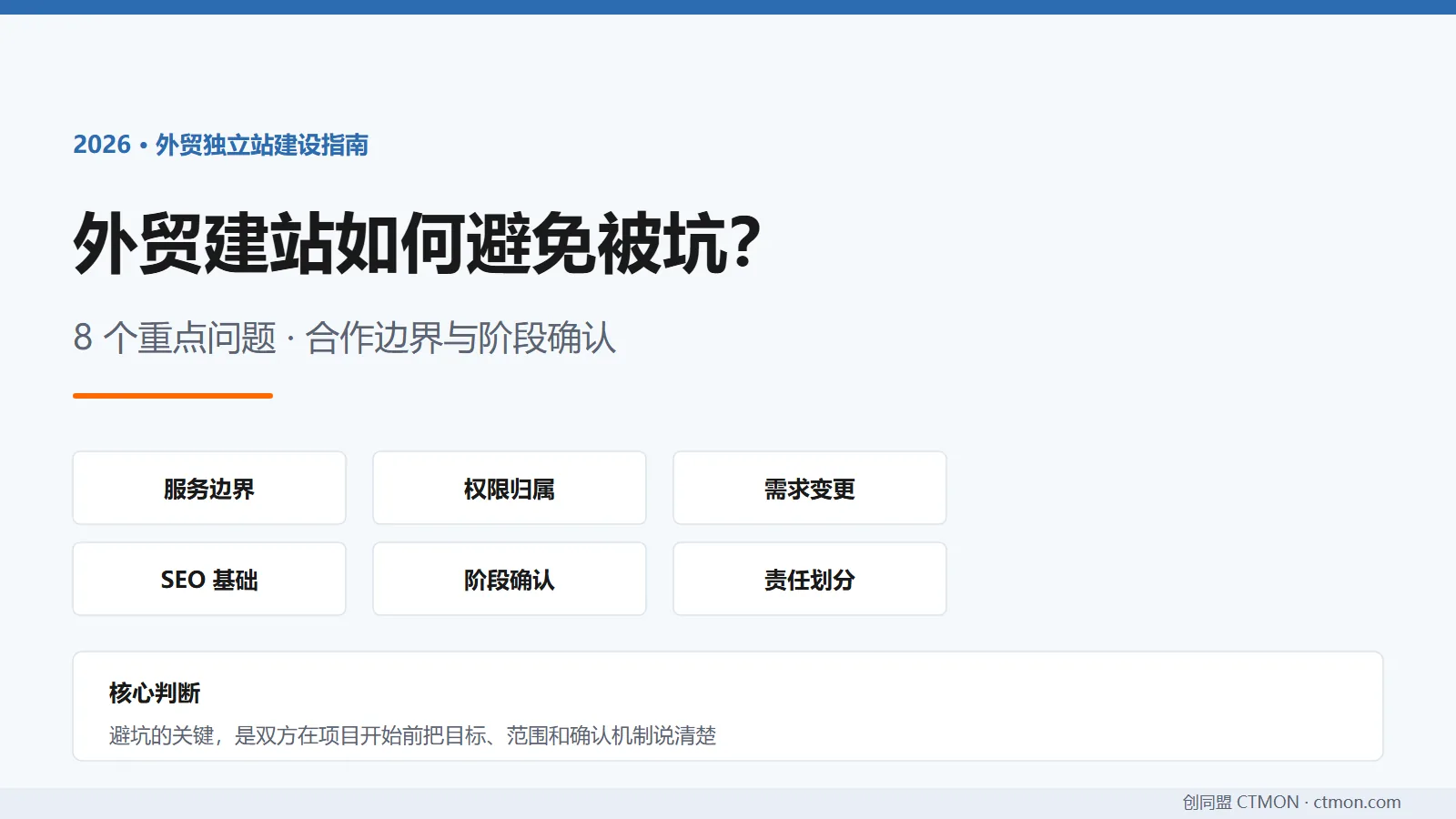
How to avoid pitfalls when building a B2B export website? A guide to avoiding common mistakes in B2B export website development in 2026.
Which company should I choose for building a B2B export website? A comparison and recommendation of B2B export website service providers in 2026.

