Contents +
The close relationship between website security and SEO
Source: 创同盟
Date: 2024-09-23
Views: 498
In the modern internet environment, website security is not only crucial for user data protection but also has a significant impact on search engine optimization (SEO). Search engines like Google are increasingly focusing on website security; if your website is not secure enough, it may affect its ranking in search results and even result in penalties. This article will explore how to improve rankings by strengthening website security and introduce some essential security measures to protect your website.
I. Why is website security so closely related to SEO?
1. Google prioritizes secure websites.
Google has made it clear that they will prioritize recommending secure websites that use HTTPS encryption. HTTPS not only protects user data privacy but also prevents data tampering or hijacking. If your website still uses HTTP, Google may issue a "not secure" warning, which will not only reduce user trust but also negatively impact rankings.
2. Avoid hacker attacks and malware.
If your website is hacked or infected with malware, Google will mark it as "unsafe" and display a warning in search results. This will not only significantly reduce traffic but may even lead to Google removing your website from its index. Therefore, ensuring your website's security is crucial to avoid such risks and protect your SEO achievements.
3. Improve user experience
A secure website can improve user experience, increase user trust, and reduce bounce rate. When users feel they are browsing a website in a safe environment, they are more likely to spend more time browsing content, thereby indirectly improving your SEO performance.
II. How to optimize SEO by improving security?
1. Enable HTTPS
Ensure your website uses HTTPS instead of HTTP. You can achieve HTTPS encryption by installing an SSL certificate. Google has already included HTTPS as a ranking factor, so this step is crucial for improving your ranking.
How do I enable HTTPS?
• Choose the appropriate SSL certificate (Domain Validated, Enterprise Validated, Enhanced Validated).
• Contact your hosting provider or use a free SSL service such as Let's Encrypt to install a certificate.
• Redirect all HTTP pages on your website to HTTPS to avoid duplicate content penalties from search engines.
2. Regularly update the website and plugins.
If your website uses WordPress or another content management system (CMS), it's crucial to regularly update your website and plugins. Hackers often compromise websites through vulnerabilities in outdated software, so keeping your website, theme, and plugins up-to-date reduces security risks.
Update suggestion:
① Enable automatic updates, or check and update manually periodically.
② Delete unused plugins and themes to reduce potential risks.
3. Use strong passwords and change them regularly.
Ensure you and your team use strong, complex passwords, avoiding simple, easily guessed ones. Change passwords regularly to reduce the risk of intrusion. Using two-factor authentication (2FA) is also a good security measure to further protect your website accounts.
4. Install firewall and security plugins
Website firewalls can block malicious traffic and prevent DDoS attacks and hacking intrusions. CMS platforms such as WordPress offer various security plugins, such as Wordfence and Sucuri, which can help you monitor your website in real time and detect and block potential threats.
Recommended security plugins:
①Wordfence: Provides robust security protection and real-time monitoring.
②Sucuri: Integrates functions such as malware scanning, firewall, and DDoS protection.
5. Back up data regularly.
Regularly backing up your website data is crucial for quick recovery in the event of a security breach. You can use the automatic backup service provided by your hosting provider, or a third-party backup plugin such as UpdraftPlus to automatically save your website data.
6. Use CDN to accelerate and protect your website.
Content Delivery Networks (CDNs) not only accelerate website loading speeds but also effectively prevent DDoS attacks through distributed networks, increasing website security. Services like Cloudflare offer CDN functionality along with additional security options.
III. How to check if your website is secure?
1. Use Google Safe Browsing Tool
Google offers a "Safe Browsing Status Report" tool that allows you to enter a website's URL to check for any security issues or malware infections.
2. Perform website security scans regularly.
Regularly run website security scans to look for potential vulnerabilities and malware. Several online tools are available to help you scan your website, including Sucuri and SiteLock.
3. Check the Google Search Console.
Google Search Console provides a security status report for your website. Regularly check the report to ensure your website hasn't been hacked or infected with malware. If Google detects any issues, it will issue a warning and recommend appropriate remedial measures.
IV. Summary
Website security has a crucial impact on Google SEO. By ensuring your website uses HTTPS, regularly updates software, uses strong passwords, installs firewalls and security plugins, and regularly backs up your data, you can effectively protect your website from hacker attacks and improve its search engine ranking. After all, only a secure and trusted website can stand out in a highly competitive market.
Remember, protecting your website security isn't just about preventing cyberattacks; it's also about optimizing user experience, increasing search engine trust, and ultimately helping you achieve better results in Google SEO.
What does international social media management service include? 2026 Guide to Social Media Management for Export Businesses
2026-10-28

How to write a WordPress product page that will make overseas buyers want to send inquiries?
2026-10-28

How to fix WordPress form emails not sending: Practical WP Mail SMTP configuration
2026-10-27
Are foreign trade promotion companies reliable? Six key criteria for businesses to judge promotion service providers in 2026.
2026-10-26
How do I set up an email account for export businesses? How can I configure it to avoid it ending up in the spam/junk mail folder?
2026-10-26
Related Articles
Are foreign trade promotion companies reliable? Six key criteria for businesses to judge promotion service providers in 2026.

The 140th Canton Fair Opens: How can export businesses seize overseas sourcing opportunities through digital marketing?
How to Choose an Overseas Promotion Company for Foreign Trade? 2026 Service Provider Selection Criteria and Evaluation Guide
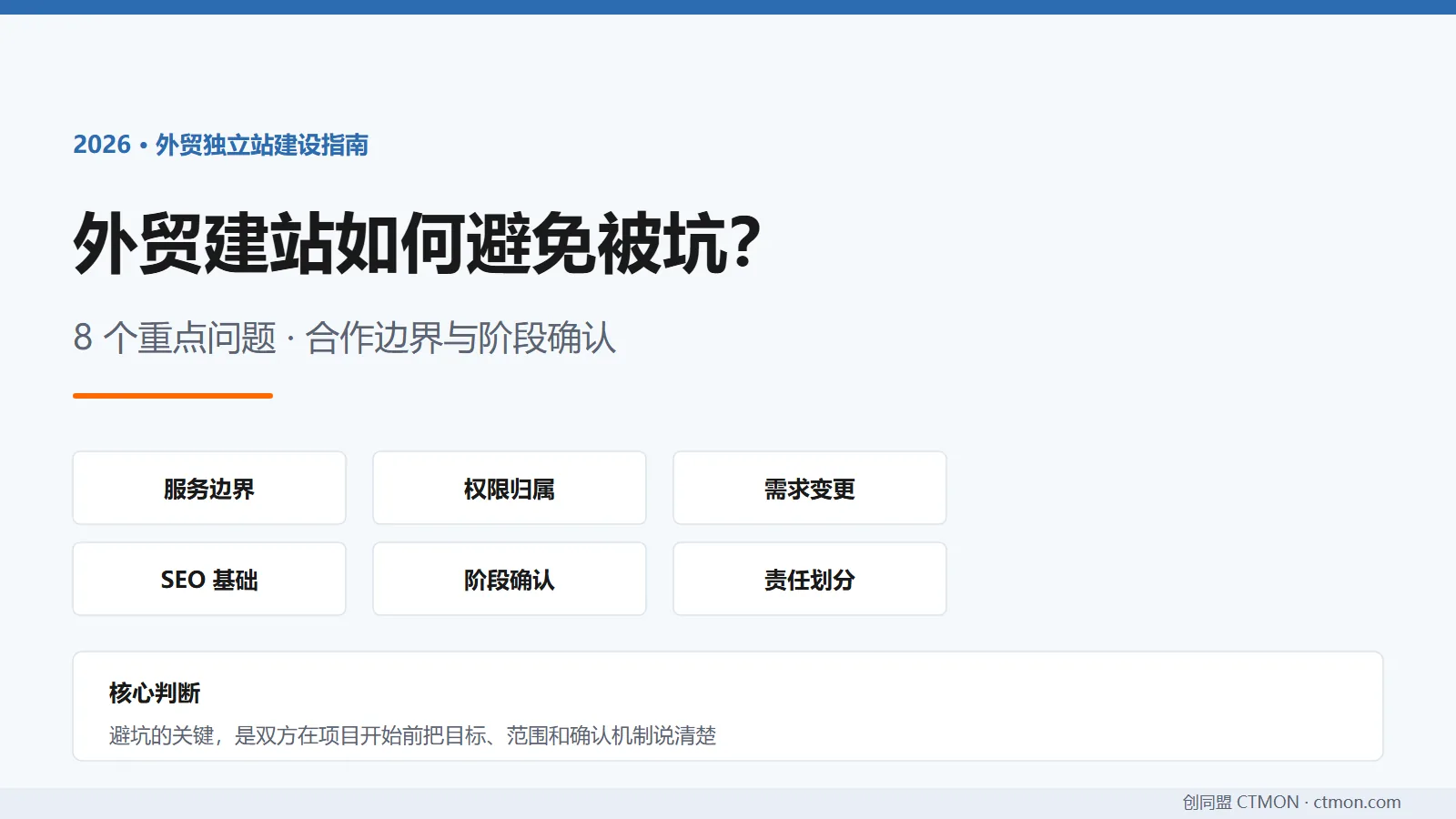
How to avoid pitfalls when building a B2B export website? A guide to avoiding common mistakes in B2B export website development in 2026.
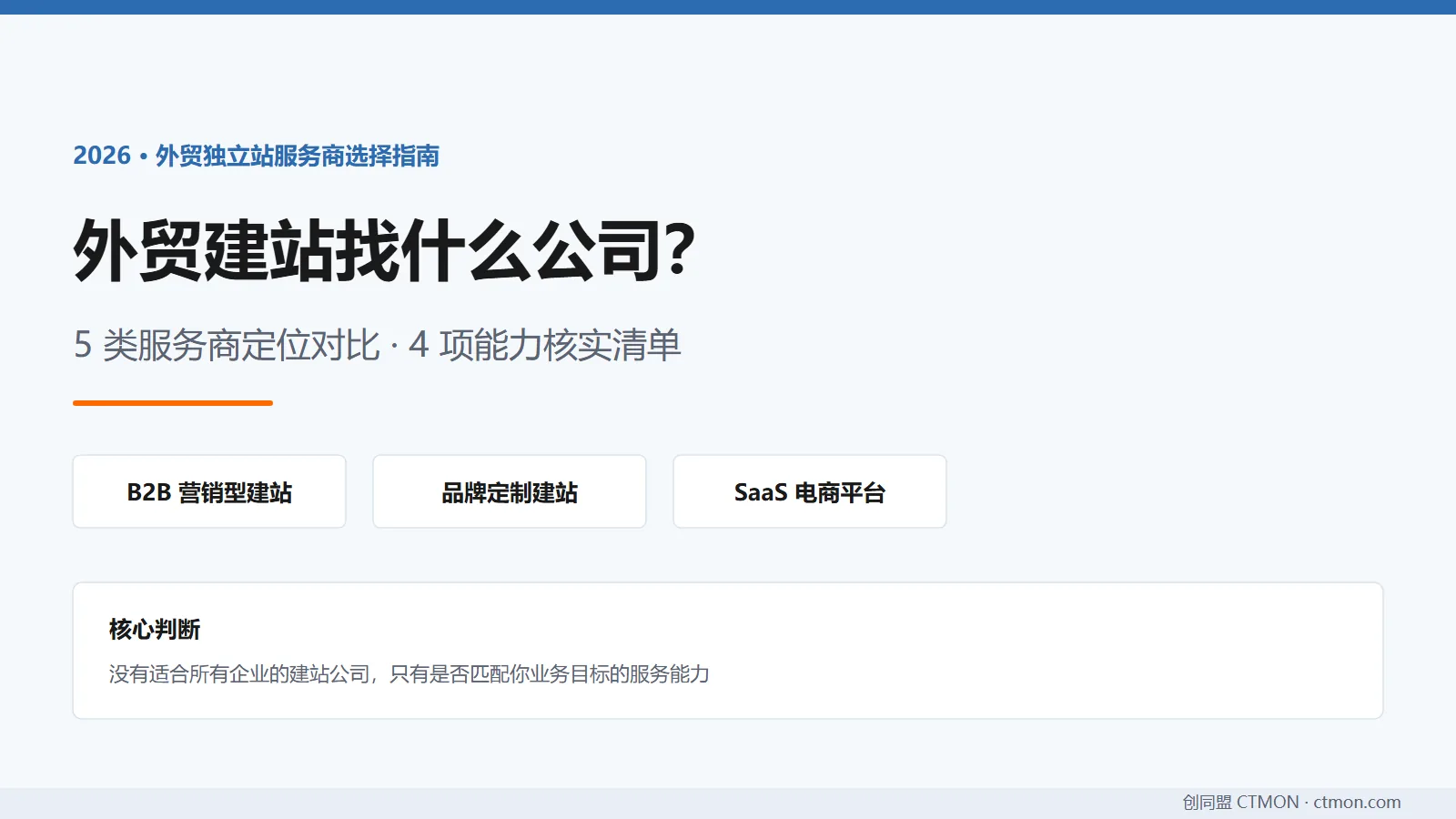
Which company should I choose for building a B2B export website? A comparison and recommendation of B2B export website service providers in 2026.

