Contents +
Application of structured data and schema tags
Source: 创同盟
Date: 2024-09-24
Views: 496
In today's digital marketing world, optimizing website content is not just about user experience; search engine understanding must also be considered. Structured data and schema markup are key tools that help search engines like Google better understand your website's content. By applying these techniques appropriately, you can make it easier for search engines to crawl and analyze your website's information, thereby improving its visibility and ranking in search results.
This article will delve into how to optimize your Google SEO using structured data and schema markup, a single trick to help search engines better understand and display your website content.
I. What is Structured Data?
Structured data is a standardized format used to provide detailed information about the content of web pages. It enables search engines to more accurately understand the content of web pages and the relationships between those contents. By tagging this data, search engines can identify specific information on a website, such as product prices, reviews, and article authors, thereby generating richer displays in search results.
Why is structured data important for SEO?
Improving search result visibility: Structured data can help generate rich search results (rich snippets), such as product ratings, images, and star ratings. These rich search results typically attract more clicks, thereby improving website traffic.
Improved Content Interpretation: Structured data enables search engines to crawl and understand website content more accurately, thereby improving ranking accuracy.
Enhance user experience: By displaying more relevant information in search results, users can obtain more useful information on the search page, increasing click-through rates and user engagement.
II. What is a Schema tag?
Schema markup is a type of structured data that uses a specific tag language to help search engines identify and display the details of content. Schema.org is an open vocabulary supported by Google, Microsoft, Yahoo, and others, specifically designed for creating structured data markup.
Schema tags can be applied to different types of web pages, including:
Articles : such as blogs, news, and other content.
• Products : Display product information, prices, inventory, etc.
• Events : such as performances, lectures, and promotional activities.
• Organizations : Includes detailed information on businesses, schools, and organizations.
• Reviews : Displays user ratings and reviews of the product or service.
Benefits of Schema Tags
Improve search engine visibility: Display information such as ratings, images, and prices in search results using "Rich Snippets" to make your content more attractive.
Improving ranking and click-through rate: While schema tags themselves are not a direct factor in ranking, they help improve click-through rate (CTR), thereby improving the overall ranking of the website.
III. How to add structured data and schema tags to your website?
1. Choose the appropriate schema type
Choose the most suitable schema type based on your website's content. For example, if you're running an e-commerce website, you can use the "Products" schema to tag product information. If you have blogs or news articles, you can use the "Articles" schema.
2. Use Google's structured data testing tools
Before implementing schema tags, you can use Google's structured data testing tools to check and verify the correctness of your code. This ensures that search engines can accurately crawl the data you've tagged.
3. Implement Schema Tags using a Plugin (for WordPress users)
If you are using a content management system such as WordPress, you can simplify the process of adding schema tags using plugins. Here are some recommended plugins:
Yoast SEO: Provides basic structured data functionality and automatically adds schema tags to pages.
Schema Pro: More advanced schema features, suitable for all types of websites and content.
5. Submit to Google Search Console
After adding structured data, don't forget to submit your sitemap through the Google Search Console to ensure that search engines can quickly discover and crawl the latest content on your website.
IV. Which pages are best suited for applying structured data?
Not all pages need to add structured data, but for certain types of content, the role of structured data is particularly significant:
• Product Page : Structured data can display information such as price, inventory status, and user reviews, helping users make quick purchasing decisions.
• Blog posts : Using structured data to tag article titles, authors, publication dates, etc., can help search engines better understand the content and improve the article's authority.
• Organization Information Page : By marking the company name, address, contact information, etc., it can help search engines accurately display relevant information about the company.
• Event page : Marks the time, location, and ticket information for the event, which helps to display detailed event information in search results.
V. Summary
Structured data and schema markup are key tools in Google SEO. They not only help search engines better understand your website's content but also enhance your page presentation through richer search results, attracting more clicks. By applying these techniques appropriately, you can make your website perform better in search engines and further improve your ranking.
To achieve best results, ensure you choose the appropriate schema type and use Google's tools to test and validate your structured data markup. Remember, the combination of content and technology is at the heart of a successful SEO strategy, allowing both search engines and users to better understand your website content.
Stay tuned to our blog for more best practices and the latest trends in Google SEO!

What does international social media management service include? 2026 Guide to Social Media Management for Export Businesses
2026-10-28

How to write a WordPress product page that will make overseas buyers want to send inquiries?
2026-10-28

How to fix WordPress form emails not sending: Practical WP Mail SMTP configuration
2026-10-27
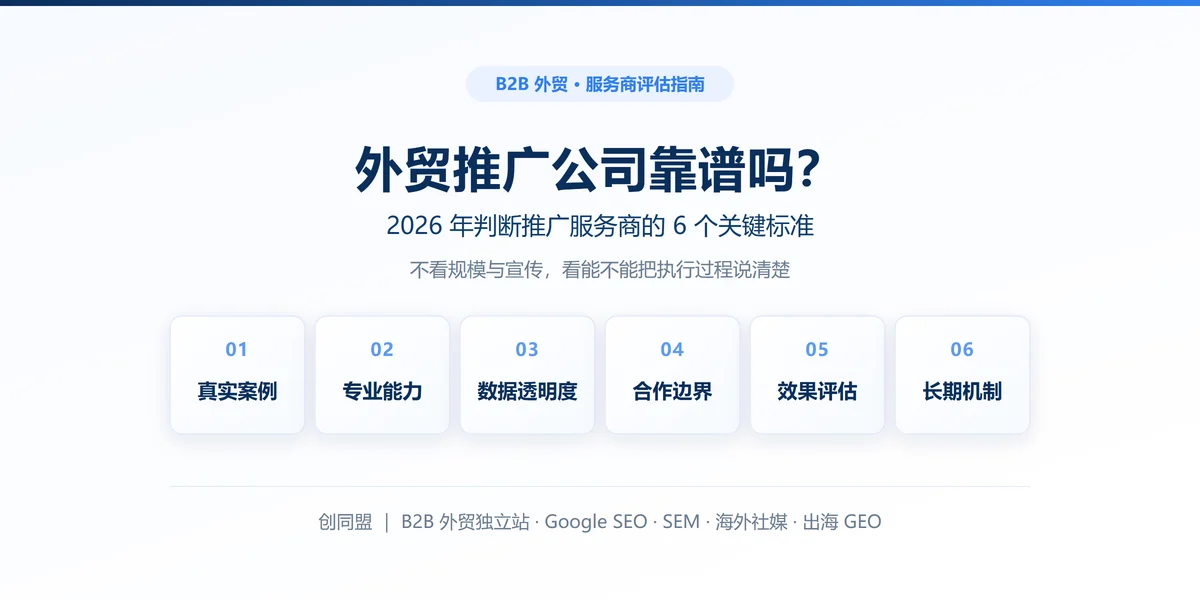
Are foreign trade promotion companies reliable? Six key criteria for businesses to judge promotion service providers in 2026.
2026-10-26
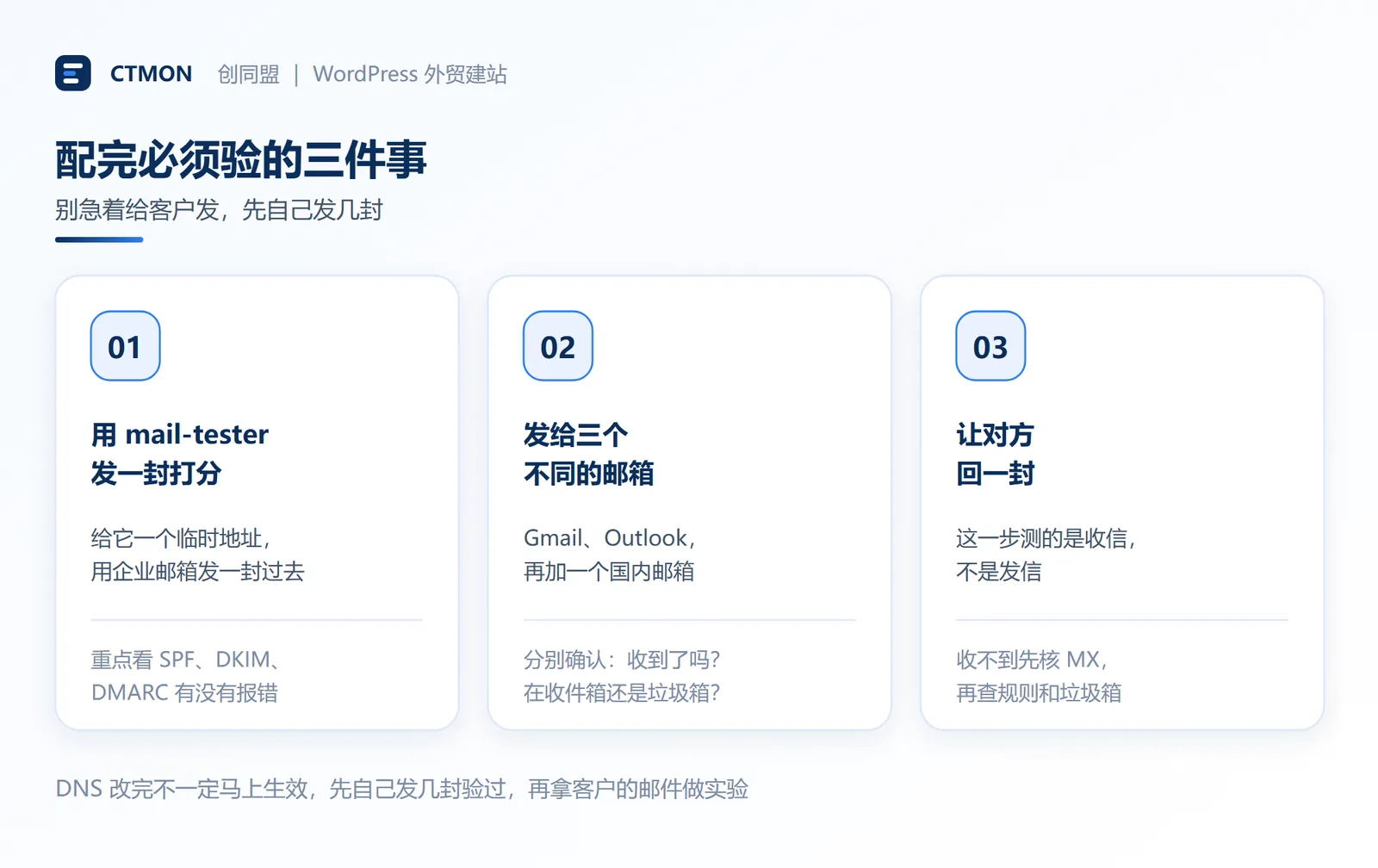
How do I set up an email account for export businesses? How can I configure it to avoid it ending up in the spam/junk mail folder?
2026-10-26
Related Articles
Are foreign trade promotion companies reliable? Six key criteria for businesses to judge promotion service providers in 2026.

The 140th Canton Fair Opens: How can export businesses seize overseas sourcing opportunities through digital marketing?

How to Choose an Overseas Promotion Company for Foreign Trade? 2026 Service Provider Selection Criteria and Evaluation Guide
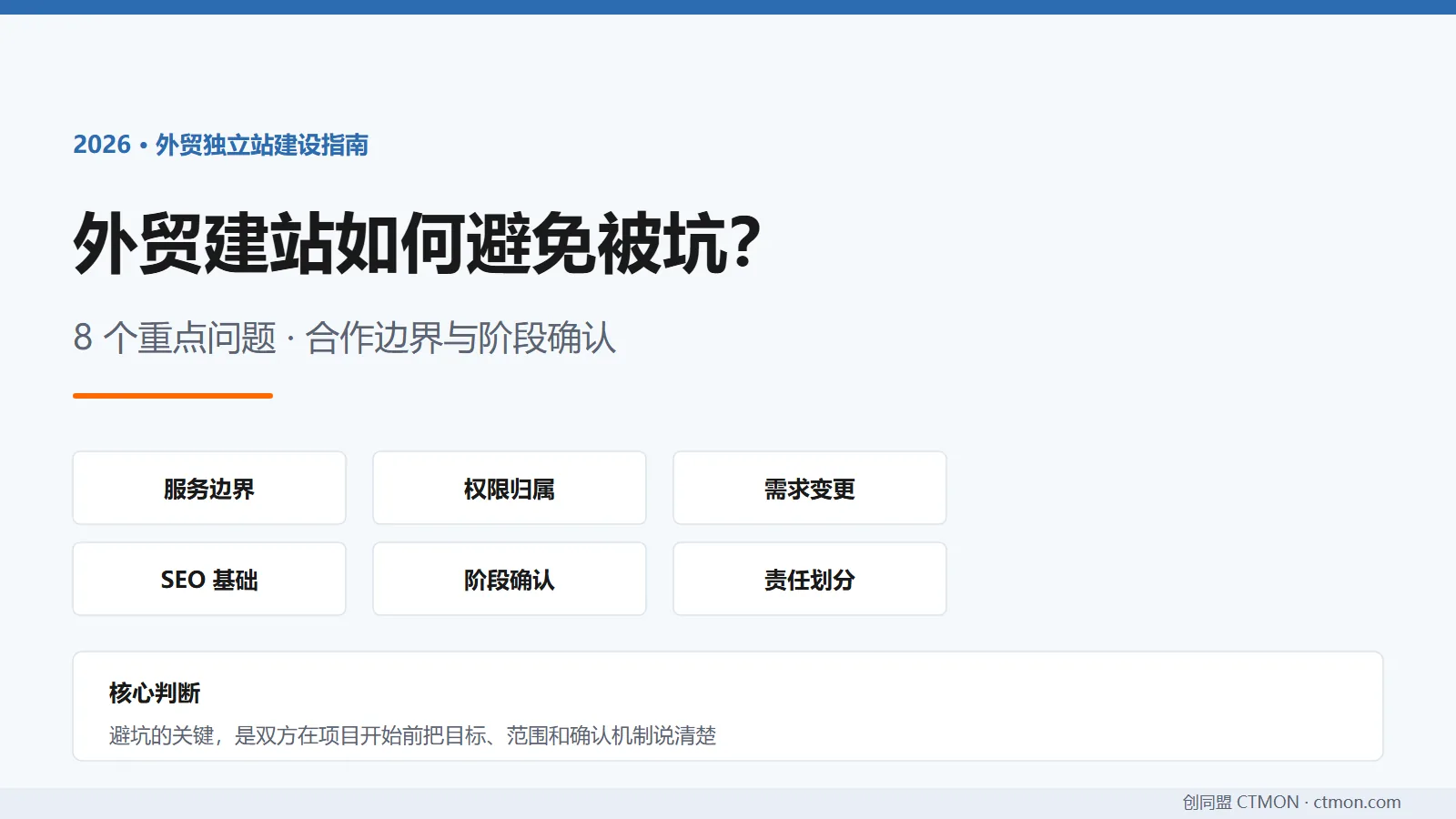
How to avoid pitfalls when building a B2B export website? A guide to avoiding common mistakes in B2B export website development in 2026.
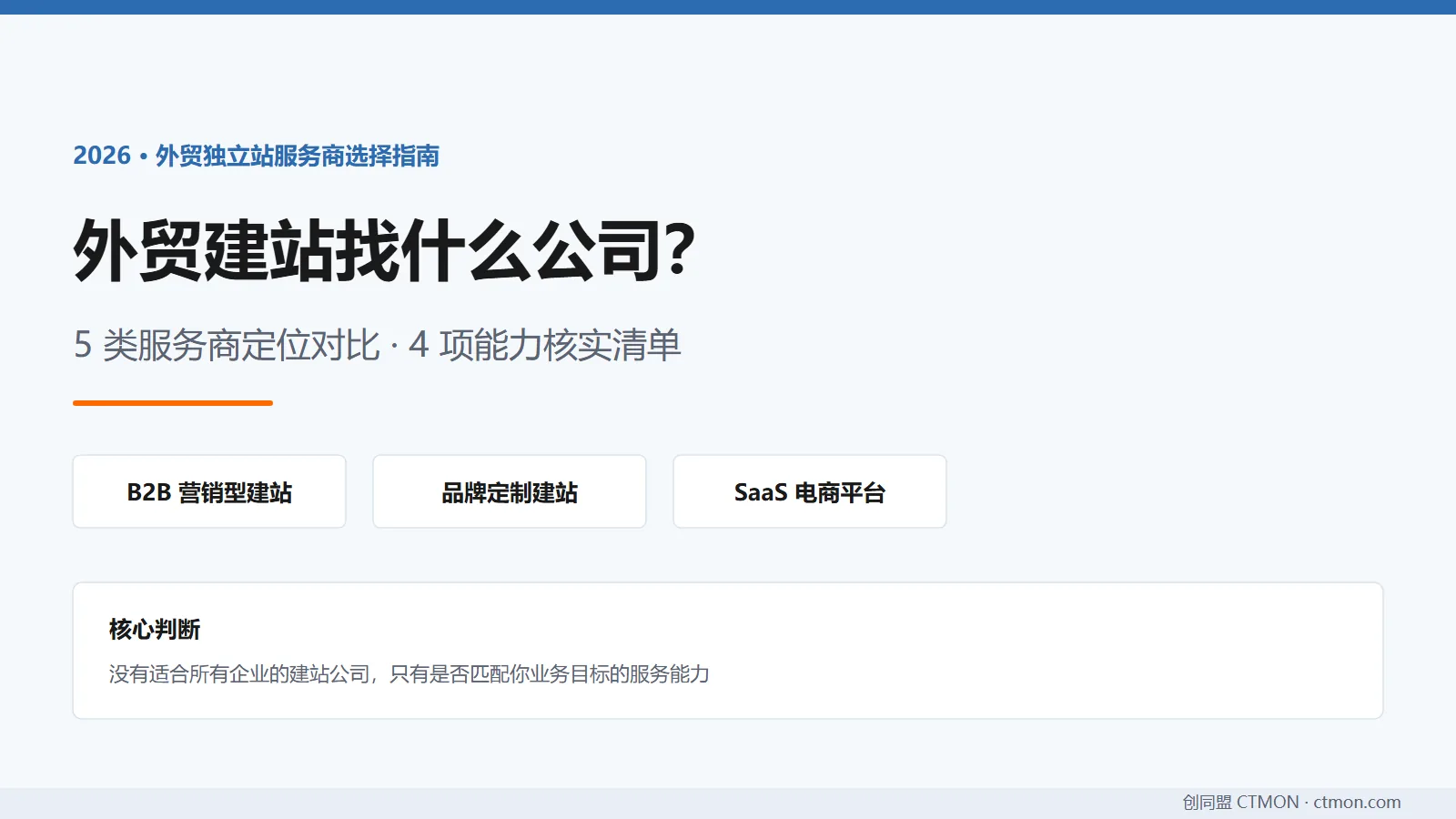
Which company should I choose for building a B2B export website? A comparison and recommendation of B2B export website service providers in 2026.

