Contents +
Improving the mobile user experience by incorporating this small detail
Source: 创同盟
Date: 2024-09-30
Views: 484
In today's digital age, mobile devices have become the primary way users access websites. Optimizing the mobile user experience not only improves user satisfaction but also significantly enhances Google SEO performance. The quality of the mobile user experience directly impacts key SEO metrics such as bounce rate and dwell time, thus affecting search engine rankings. Among all the details of mobile optimization, one small but crucial setting is often overlooked: optimizing the size and position of mobile buttons. Let's delve into how this small detail can significantly improve mobile user experience and boost Google SEO results.
I. Why is mobile button optimization so important?
On mobile devices, user interaction differs significantly from desktop browsing. Mobile users rely more on taps and swipes with their fingers, making button size, placement, and clickability crucial. If buttons are too small, too densely packed, or poorly positioned, users are prone to accidental touches, negatively impacting their browsing experience and leading to a higher bounce rate. This negatively affects Google SEO, as Google places great importance on user experience and page usability.
User behavior affects SEO ranking
Google's algorithm assesses page quality based on user behavior metrics such as bounce rate, time spent on page, and click-through rate. If buttons are too small, making it difficult for users to interact, the bounce rate will increase, negatively impacting rankings. Therefore, optimizing button design on mobile devices is crucial for improving user experience and SEO.
II. How to optimize mobile buttons to improve user experience?
1. Set appropriate button size
According to Google's recommendations, the clickable area of mobile buttons should be at least 44x44 pixels. A larger button area reduces the chance of accidental clicks and improves the user experience. Especially when operating on mobile devices, where users use their fingers to click rather than a mouse, a larger clickable area ensures accurate operation.
2. Arrange button positions reasonably.
Mobile devices have smaller screens, making button placement especially important. Generally, users most frequently tap the bottom or center of the screen, as this is more conducive to one-handed operation. Avoid placing important buttons at the top of the page or too close to the screen edge, as this increases the difficulty of operation for users.
3. Leave sufficient space between buttons.
To prevent accidental clicks, sufficient spacing should be maintained between multiple buttons. This spacing helps users quickly distinguish the areas they need to interact with, reducing inconvenience caused by accidental clicks. It also improves overall website usability and delivers a better user experience.
4. Use striking colors and designs.
Mobile buttons need to be visually prominent so users can quickly locate the area they need to click. Choose button colors that contrast sharply with the website background color and ensure the button design is simple and intuitive. This helps users visually identify the action point quickly, improving interaction efficiency and reducing page bounce.
5. Ensure buttons respond quickly.
On mobile devices, page load speed is especially important. Ensuring instant response after button clicks can effectively reduce user anxiety. Use lightweight code and images to speed up button loading times and add visual feedback (such as color changes or loading animations) to button clicks so users know their action has been taken.
III. The Impact of Mobile Button Optimization on Google SEO
1. Reduce bounce rate
Properly designed buttons on mobile devices can reduce bounces caused by accidental touches or inconvenient operation. A high bounce rate often indicates a poor user experience, which is considered a negative signal by Google's algorithm. By optimizing buttons, users can operate more smoothly, thereby reducing the bounce rate.
2. Increase user dwell time
When users find the buttons they need on a website and operate them smoothly, they are more likely to stay longer and even browse more pages. Longer dwell time and higher pageviews are both positive factors in Google SEO, helping to improve website ranking.
3. Improve conversion rate
Optimizing buttons not only enhances user experience but also directly improves conversion rates. This is especially true for mobile e-commerce websites or registration pages, where buttons are crucial for users to complete purchases or fill out information. Well-designed buttons increase the likelihood of users successfully completing actions, thus improving conversion rates, which in turn impact Google SEO performance.
IV. Summary
When optimizing mobile user experience, button size and placement are often overlooked, yet they play a crucial role in improving user ease of use and page usability. Properly setting button size, spacing, color, and placement can significantly reduce bounce rate, increase user dwell time, and improve conversion rates. This not only enhances user satisfaction but also positively impacts Google SEO.
Therefore, don't underestimate the details of these buttons; they might be the secret weapon to make your website perform exceptionally well on mobile and outperform your competitors. Optimize these details to ensure your mobile user experience and SEO results go hand in hand, creating better outcomes.
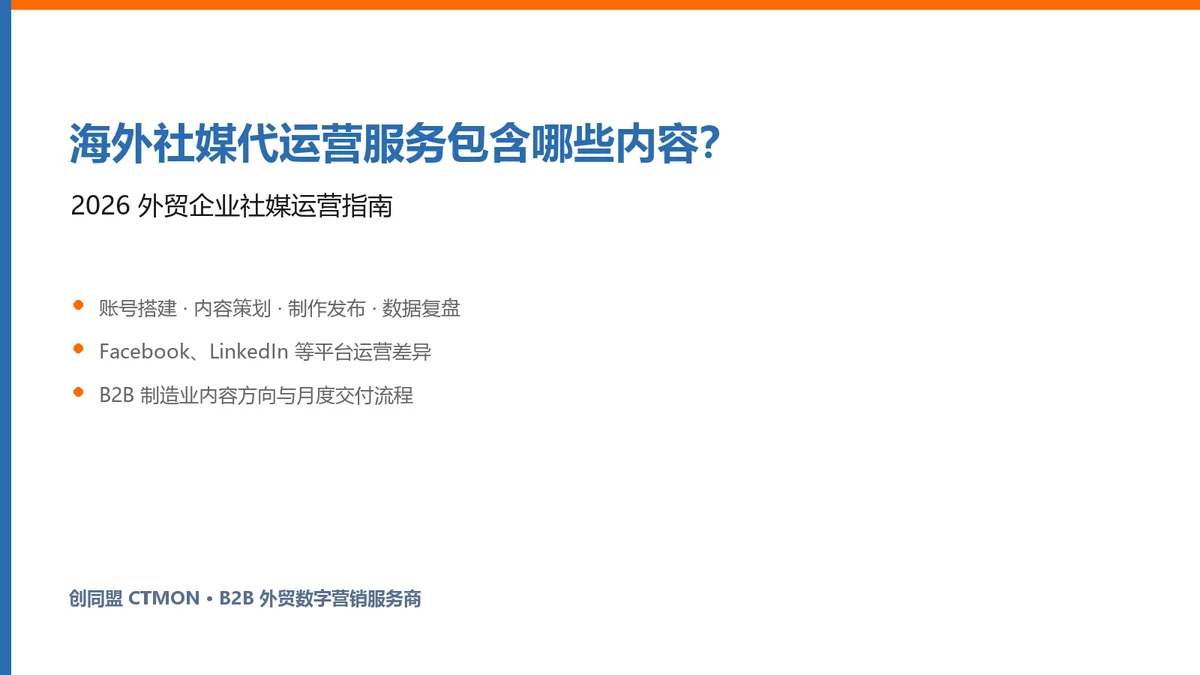
What does international social media management service include? 2026 Guide to Social Media Management for Export Businesses
2026-10-28
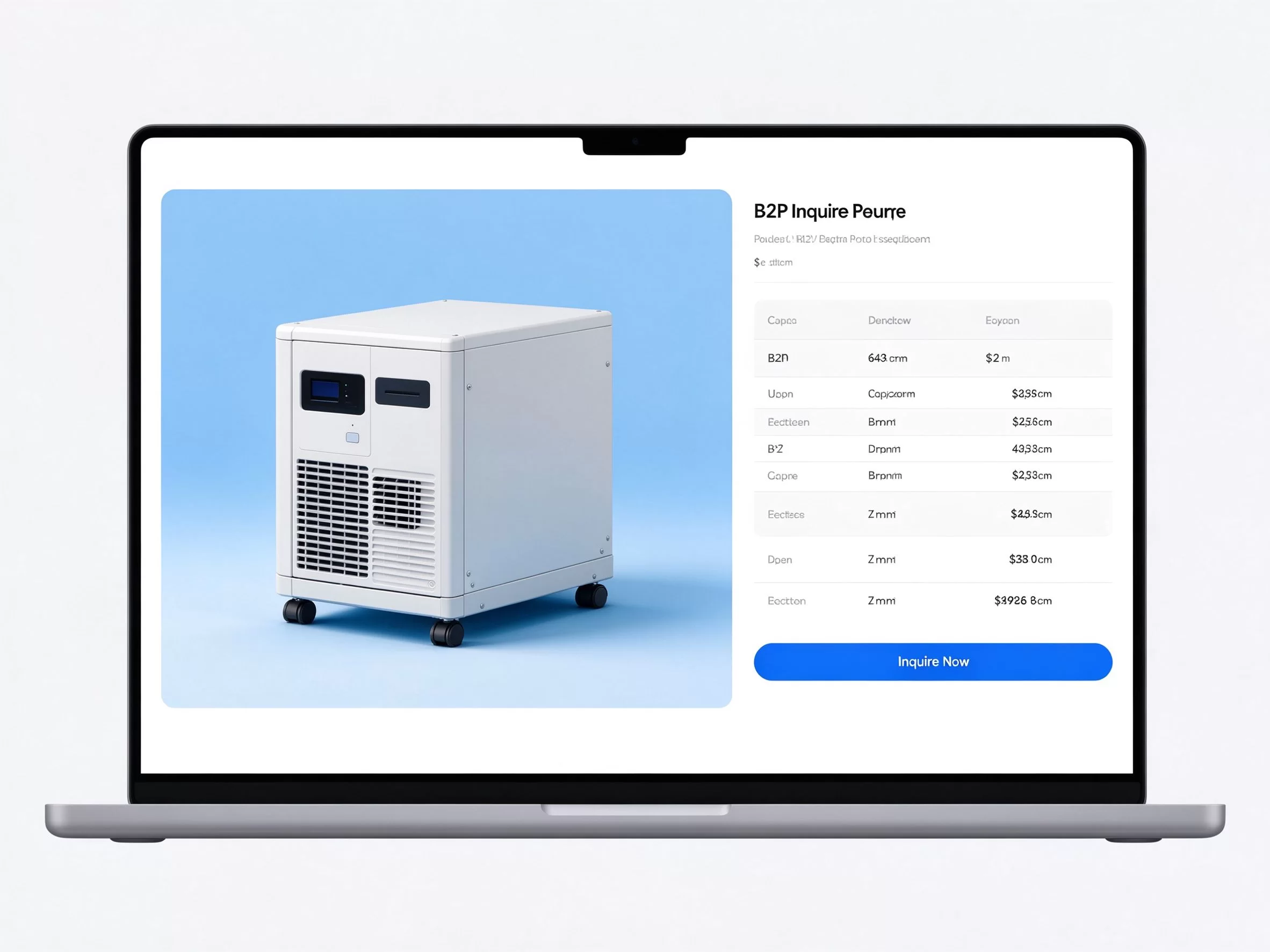
How to write a WordPress product page that will make overseas buyers want to send inquiries?
2026-10-28

How to fix WordPress form emails not sending: Practical WP Mail SMTP configuration
2026-10-27
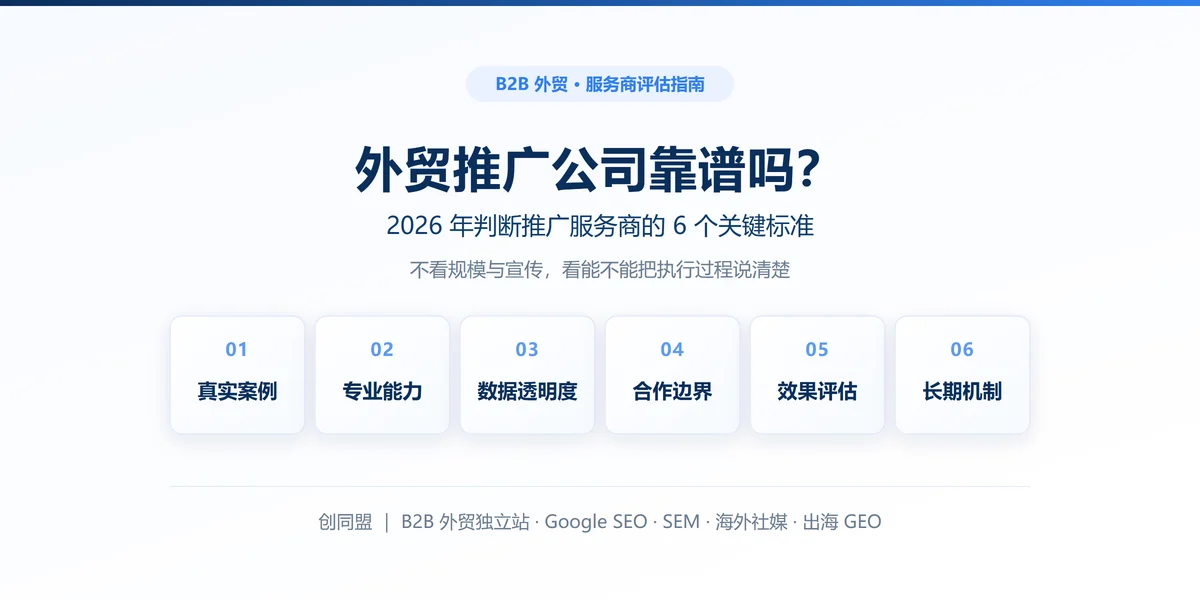
Are foreign trade promotion companies reliable? Six key criteria for businesses to judge promotion service providers in 2026.
2026-10-26
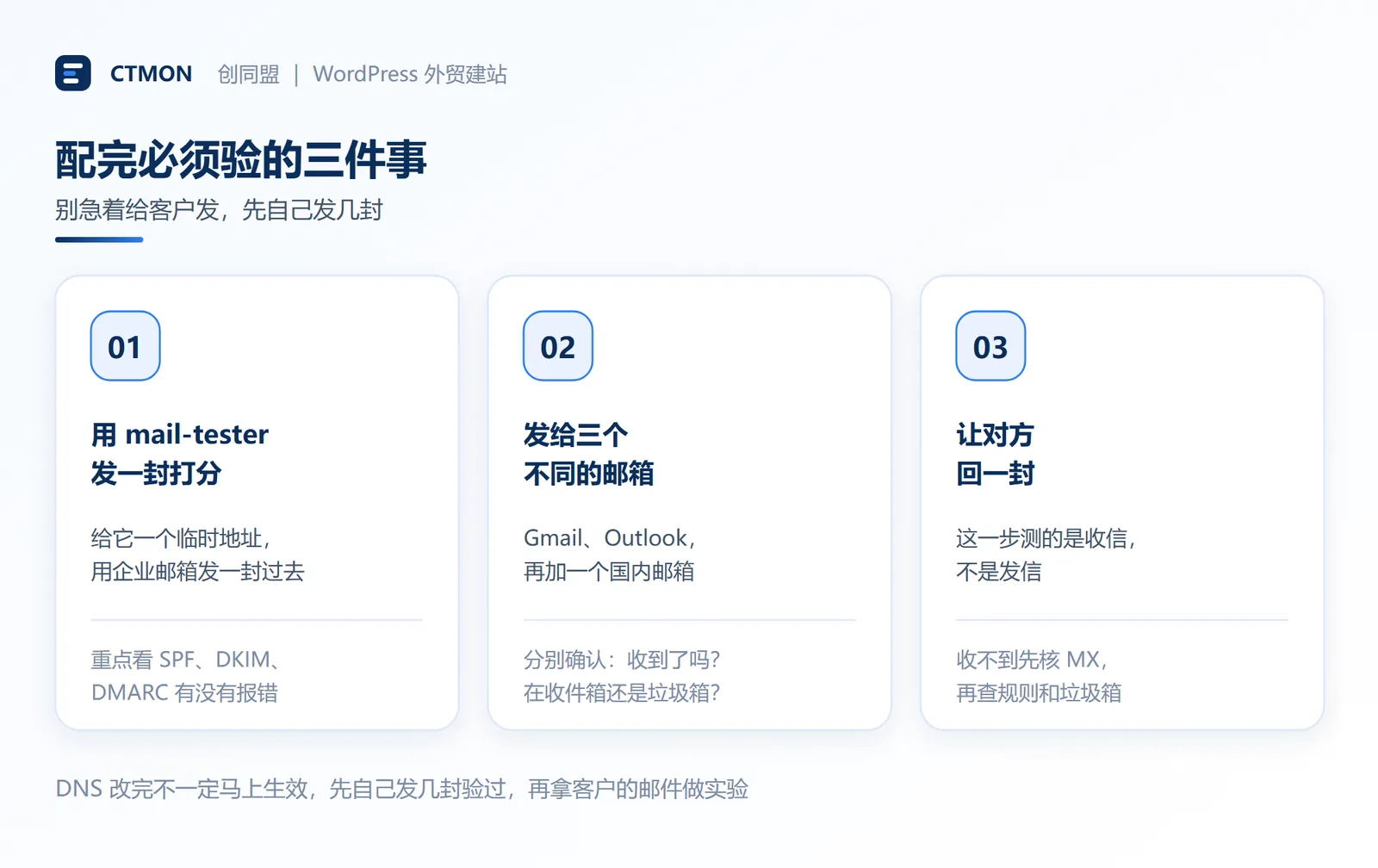
How do I set up an email account for export businesses? How can I configure it to avoid it ending up in the spam/junk mail folder?
2026-10-26
Related Articles
Are foreign trade promotion companies reliable? Six key criteria for businesses to judge promotion service providers in 2026.

The 140th Canton Fair Opens: How can export businesses seize overseas sourcing opportunities through digital marketing?

How to Choose an Overseas Promotion Company for Foreign Trade? 2026 Service Provider Selection Criteria and Evaluation Guide
How to avoid pitfalls when building a B2B export website? A guide to avoiding common mistakes in B2B export website development in 2026.
Which company should I choose for building a B2B export website? A comparison and recommendation of B2B export website service providers in 2026.

