Contents +
Facebook Promotion: Suitable or Unsuitable Industries? This is What Truly Determines the Results
Source: 创同盟
Date: 2026-07-16
Views: 247
Many export businesses, when preparing to set up a presence on Facebook, will first ask themselves: "Is my product suitable for Facebook?"
This is a very common question, and it's the first step many businesses take when deciding whether to invest in Facebook marketing. However, in practice, there's no standard answer to this question. What truly determines the effectiveness of Facebook promotion isn't which industry your product belongs to, but whether your target customers will obtain information, build trust, and ultimately develop a purchase intention on Facebook.
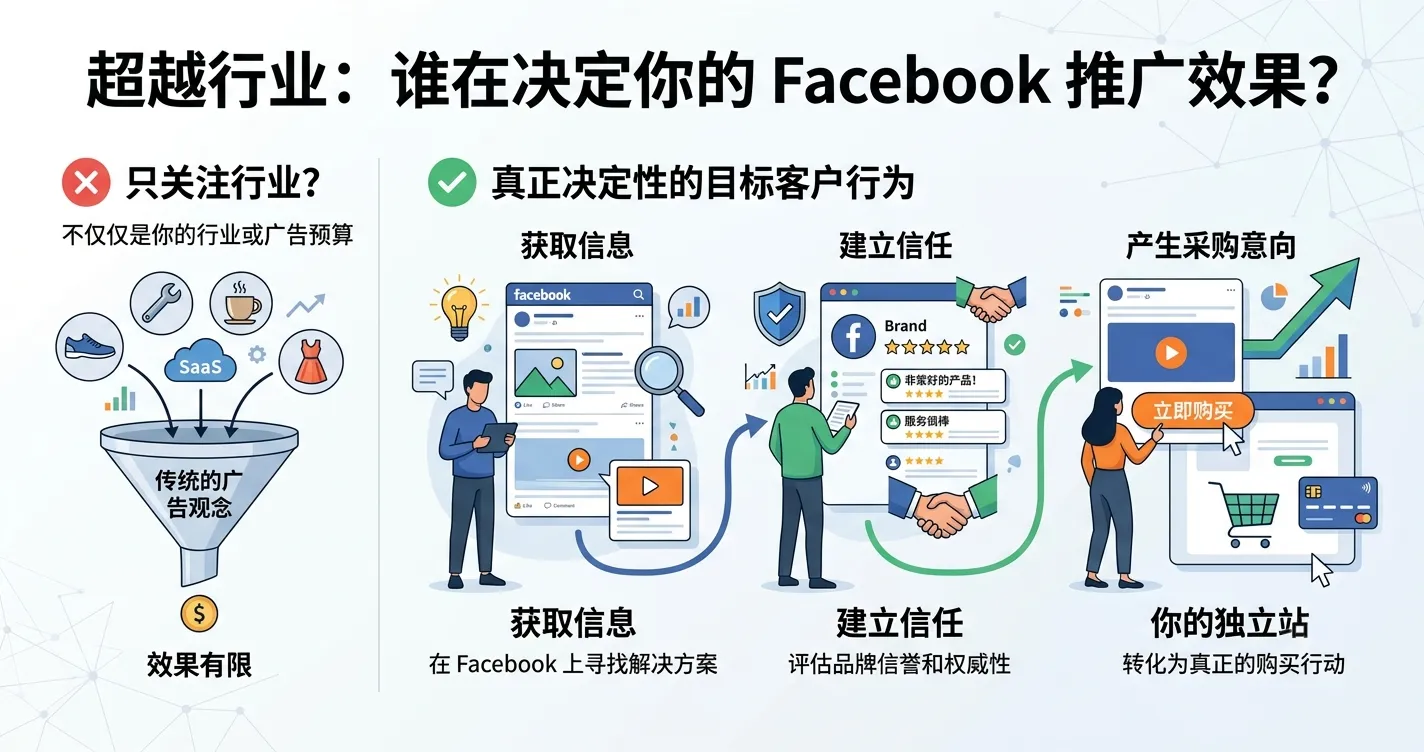
Figure 1: Who determines the effectiveness of your Facebook promotion?
While both are industrial products, some companies consistently generate inquiries through Facebook, while others invest heavily but see little to no results. Similarly, for consumer goods, some brands quickly penetrate the market, while others struggle to achieve stable conversions. This difference isn't due to Facebook favoring any particular industry, but rather to fundamentally different customer decision-making processes for different products.
Therefore, instead of asking "which industries are suitable for Facebook", it is better to first understand what kind of products and marketing models are more suitable for Facebook.
I. Facebook Suits Industries That Need to Build Brand Awareness
Compared to Google search, Facebook's biggest advantage lies in its proactive outreach. Google primarily finds suppliers through keyword searches after customers have already generated purchasing needs; while Facebook brings brands into customers' view before they even actively search for them.
This means that Facebook typically offers greater value to industries that require continuous exposure and repeated brand building. For example, consumer electronics, smart home products, outdoor gear, sports equipment, beauty and personal care, pet supplies, and lighting are all well-suited for brand promotion through Facebook. These products not only have strong visual appeal but also more easily attract customer attention through images, videos, and real-world application scenarios.
For B2B companies, many factory-based products also share this characteristic. For example, LED lighting, hardware tools, packaging materials, furniture, bathroom fixtures, building materials, and healthcare products can all build customer trust through factory demonstrations, production processes, case studies, and industry content—which is exactly what Facebook excels at.
What these industries have in common is not that they have the same product types, but that customers often need a long time to understand a company before making a purchase, and Facebook is well-suited to take on the brand building work at this stage.
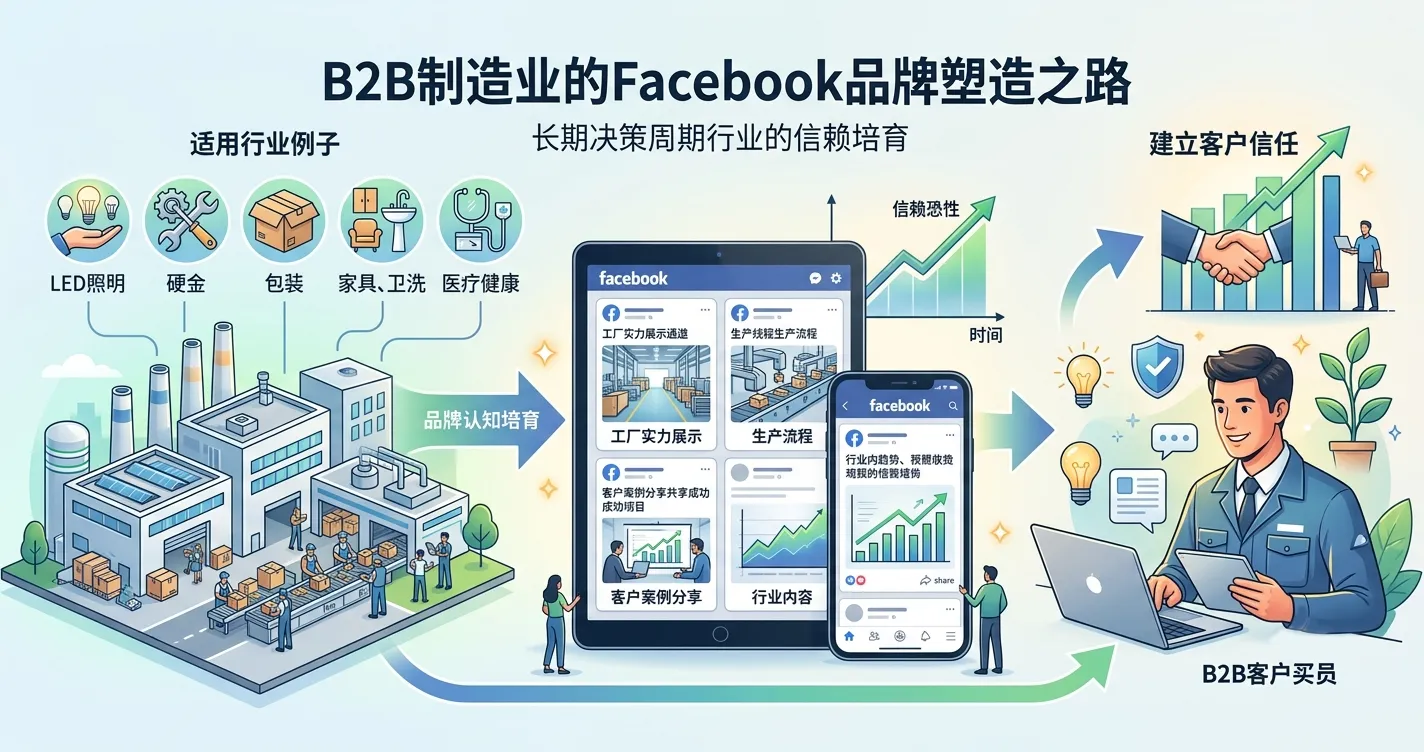
Figure 2: The Facebook Brand Building Path in B2B Manufacturing
II. The more a product needs to be showcased, the more obvious Facebook's advantages become.
Many businesses using Facebook have observed a pattern: the easier a product is to showcase, the more engagement and inquiries it tends to generate. This is because Facebook is fundamentally a content-centric platform. Compared to text descriptions, authentic product videos, use cases, and production footage are more likely to attract users and build trust.
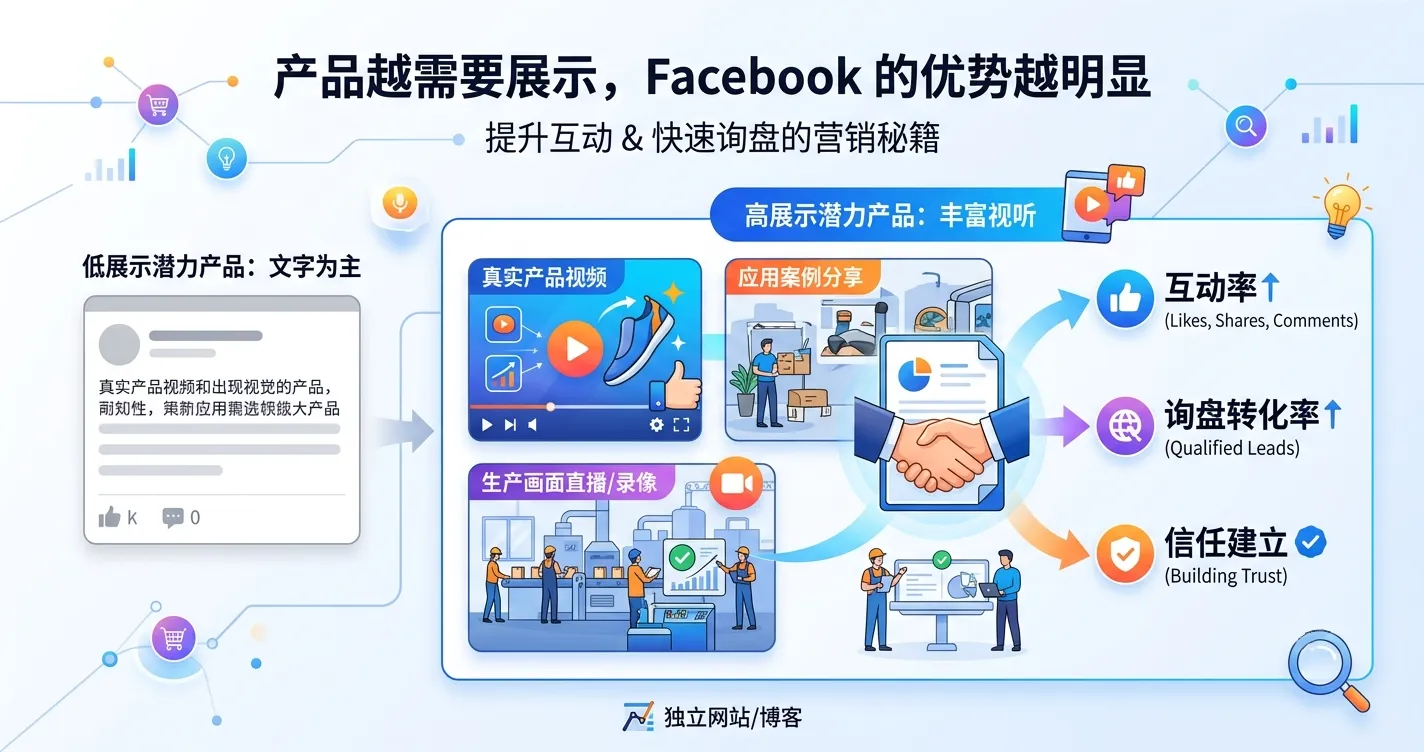
Figure 3: The more a product needs to be showcased, the more obvious Facebook's advantages become.
For example, a bicycle light can visually demonstrate its advantages through a video showcasing its nighttime lighting effects; a furniture factory can quickly demonstrate its manufacturing capabilities through production process and finished product displays; and a fitness equipment supplier can more easily pique the interest of buyers by presenting real-life usage scenarios. This kind of content not only increases ad click-through rates but, more importantly, helps customers quickly understand the product's value.
Therefore, industries that can visually showcase their product advantages through images or videos are usually more likely to achieve ideal promotional results on Facebook.
III. The longer the decision-making cycle, the more important it is to pay attention to Facebook
Many companies believe that Facebook is more suitable for fast-moving consumer goods, while B2B products have long procurement cycles, thus limiting its effectiveness.
In fact, the opposite is true. For products with longer procurement cycles, Facebook's value is even more apparent. This is because most B2B clients don't immediately inquire based on a single advertisement. They typically need to thoroughly research the company's background, product capabilities, success stories, and brand strength before engaging in further communication.
In this process, Facebook can continuously publish industry content, customer case studies, factory updates, and product applications, keeping businesses constantly in front of potential customers and gradually building brand trust. Many inquiries don't come from the first ad click, but rather arise naturally after customers have seen the business multiple times .
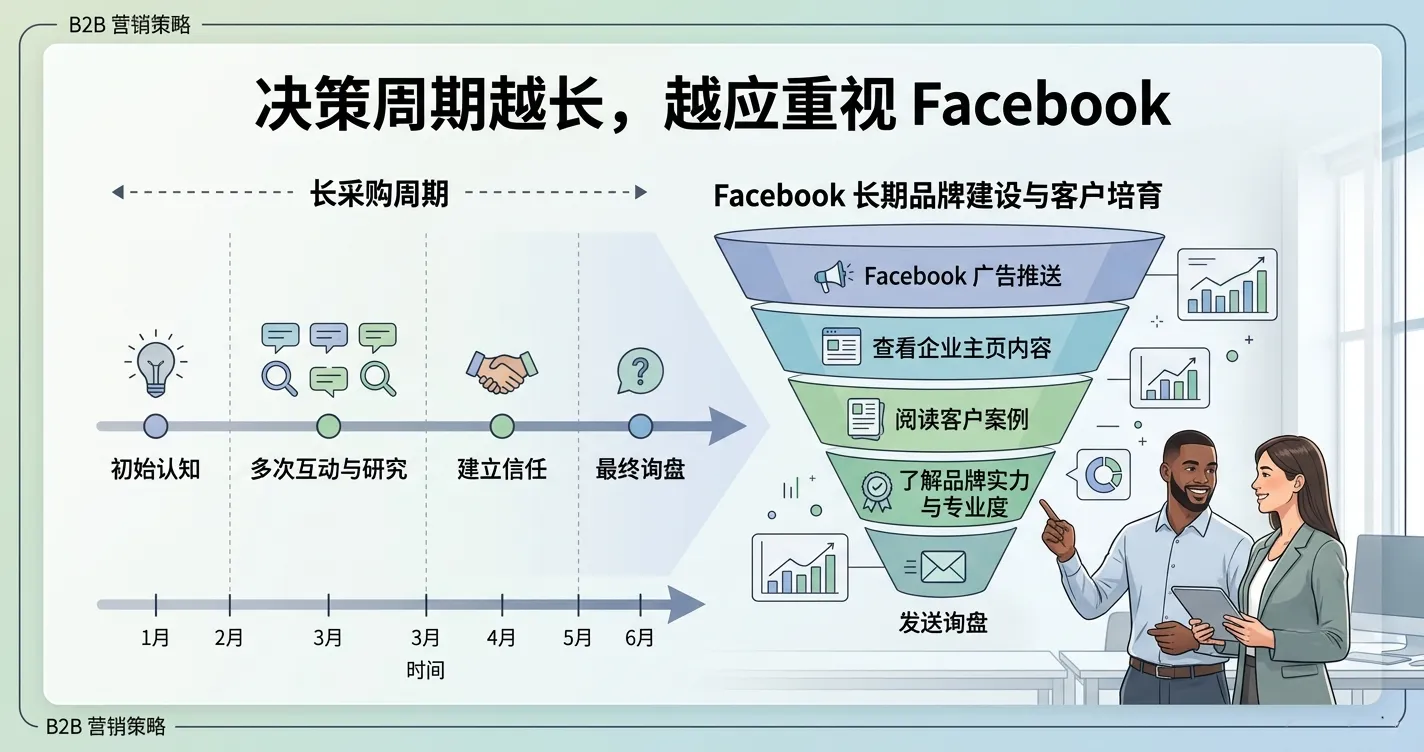
Figure 4: The longer the decision-making cycle, the more importance should be placed on Facebook.
, for industries with long procurement cycles, such as machinery and equipment, medical devices, industrial parts, new energy products, and intelligent manufacturing, Facebook is more suitable as a platform for long-term brand building and customer cultivation, rather than a tool for short-term transactions.
IV. Which industries are relatively less competitive on Facebook?
This does not mean that Facebook is suitable for all industries. For some industries with extremely limited target customers and highly fixed procurement channels, Facebook's advantages are not obvious.
For example, large mining equipment, port machinery, heavy engineering equipment, government procurement projects, or some special chemical products typically rely on bidding, industry exhibitions, long-term partnerships, or professional channels to obtain orders. Customers tend to browse Facebook less frequently, so the return on investment is often lower than that of Google SEO, industry platforms, or offline channels.
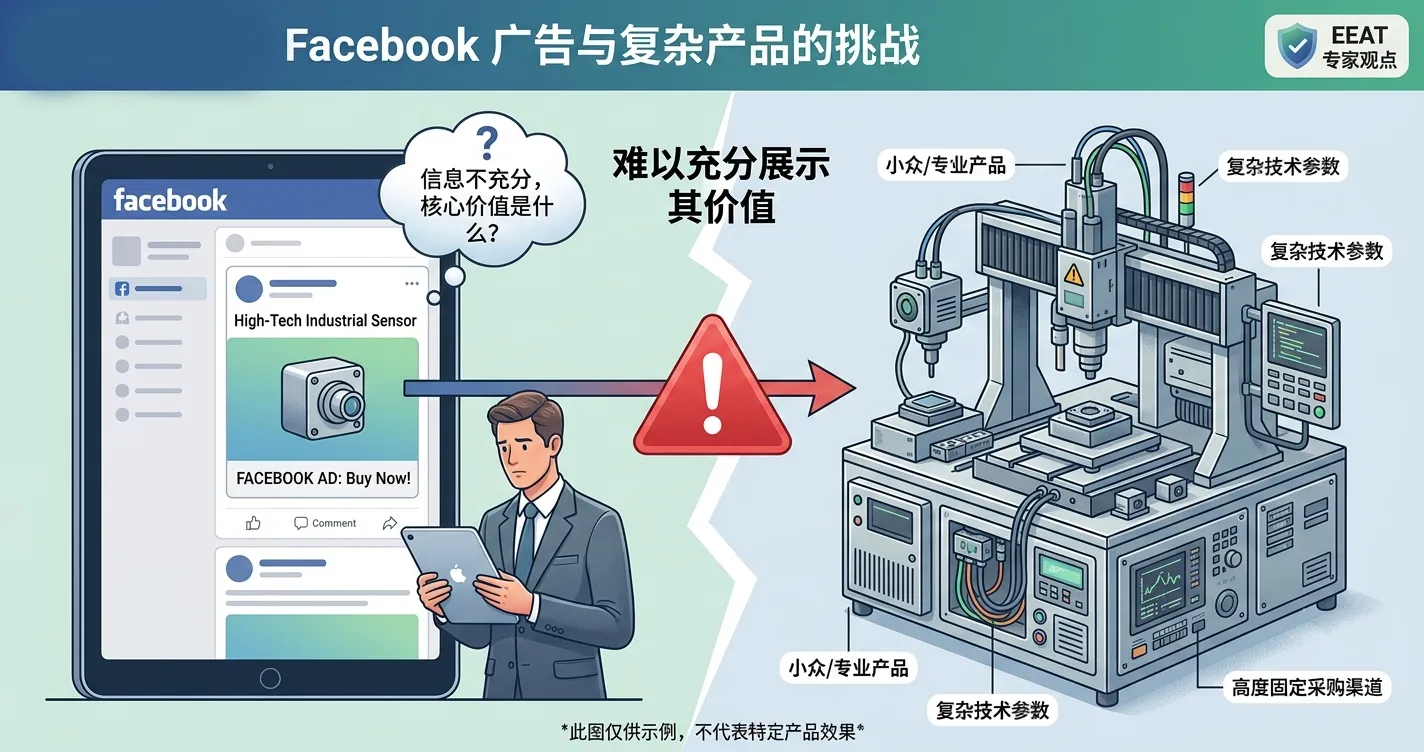
Figure 5: The Challenges of Facebook Advertising and Complex Products
Furthermore, some highly specialized and technically demanding products struggle to convey their value to customers quickly through a few images or short videos. Even if these products advertise on Facebook, it's better suited for brand exposure rather than as a primary lead generation channel. However, this doesn't mean these industries can't use Facebook. Rather, they should lower their expectations for direct inquiries and focus on brand building, showcasing company strength, and maintaining customer relationships, making Facebook a supplementary channel within their overall marketing strategy, not their sole channel.
V. To determine whether an industry is suitable for Facebook, you can first answer three questions.
If businesses are still unsure whether their product is a good fit for Facebook, they should first answer these three questions.
First, do your customers use Facebook to get industry information or learn about suppliers?
Second, can your product visually demonstrate its value through pictures, videos, or case studies?
Third, does the customer need a long time to build trust before making a formal purchase?
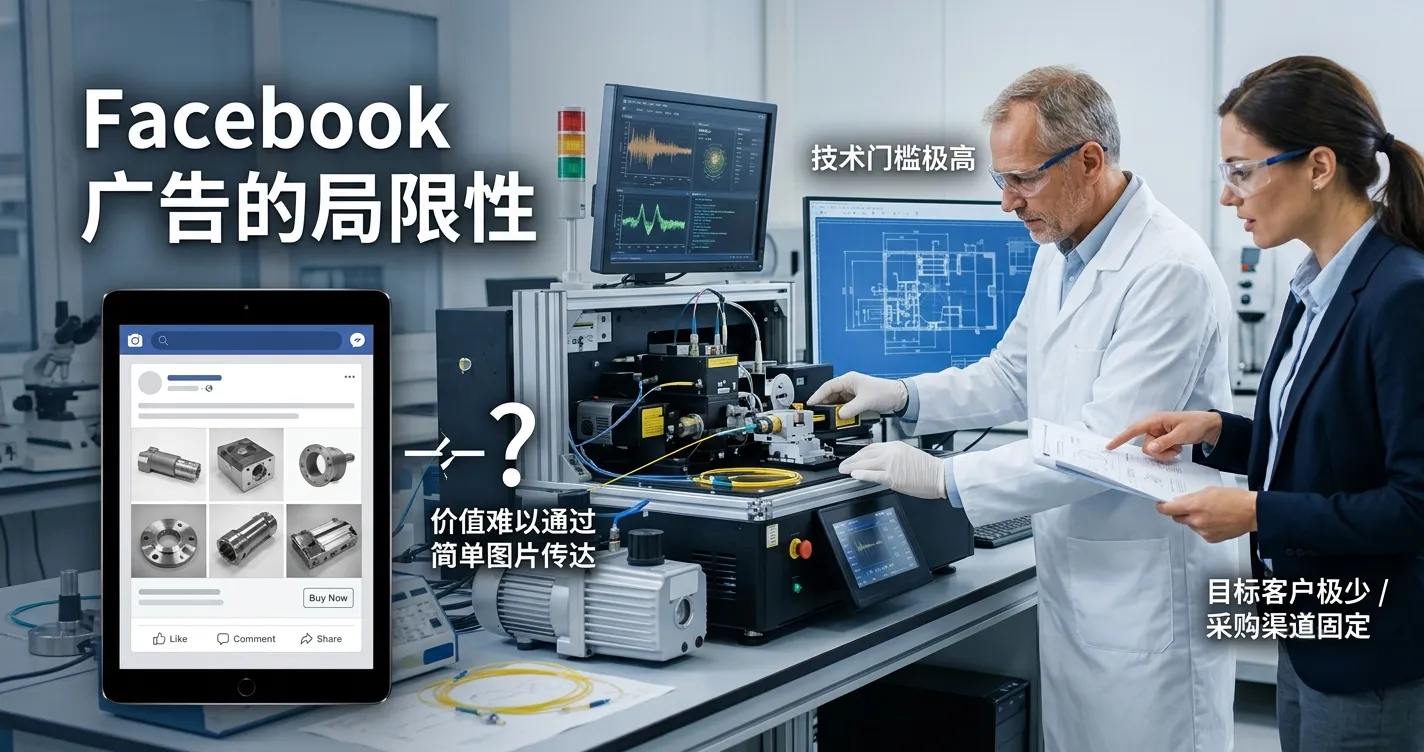
Figure 6: Limitations of Facebook Ads
If the answer to most of the three questions is yes, then Facebook is generally a worthwhile marketing channel for long-term investment. Conversely, if customers rarely engage with social media, products are difficult to showcase through content, and sourcing primarily relies on established channels, then Facebook's value may lie more in brand exposure than in directly generating inquiries.
Many businesses are constantly searching for a "list of industries suitable for Facebook," but what truly determines the effectiveness of promotion is never the industry itself, but rather the customer's decision-making process. Facebook's advantage lies not in helping businesses close deals immediately, but in continuously influencing customer perception, building brand trust, and constantly increasing the chances of the business being chosen in the purchasing decision process.
Therefore, for export businesses, instead of worrying about whether their products belong to an "industry suitable for Facebook," they should seriously consider how customers learn about suppliers, how they build trust, and ultimately why they choose to work with them.

Figure 7: Facebook promotes the creation of a long-term, stable international lead generation system.
When businesses truly understand this, they will realize that the focus of Facebook promotion has never been on the industry, but rather on building a long-term, stable international lead generation system around the customer's decision-making path.

What does international social media management service include? 2026 Guide to Social Media Management for Export Businesses
2026-10-28

How to write a WordPress product page that will make overseas buyers want to send inquiries?
2026-10-28

How to fix WordPress form emails not sending: Practical WP Mail SMTP configuration
2026-10-27

Are foreign trade promotion companies reliable? Six key criteria for businesses to judge promotion service providers in 2026.
2026-10-26

How do I set up an email account for export businesses? How can I configure it to avoid it ending up in the spam/junk mail folder?
2026-10-26
Related Articles
What does international social media management service include? 2026 Guide to Social Media Management for Export Businesses
How much do social media marketing companies charge? Analysis of international social media management fees and service content in 2026.

How to appeal a Facebook account suspension? Export Businesses account unblocking and recovery guide.
A Roundup of 8 Reasons for Facebook Account Suspension: A Guide to Avoiding and Preventing Account Suspension for International Trade Accounts
Differences between Facebook Personal Accounts, Business Accounts, and Advertising Accounts: A Guide to Avoiding Common Pitfalls in Export Businesses

