Contents +
Export businesses' Facebook/Instagram/WhatsApp combo: the right order is key.
Source: 创同盟
Date: 2026-07-16
Views: 181
For many export businesses, Facebook, Instagram, and WhatsApp are almost standard tools when expanding into overseas markets. Consequently, many companies register three accounts simultaneously and publish content concurrently, hoping to leverage the Meta ecosystem to acquire more overseas customers.
However, after operating for a period of time, many companies encounter the same problem: they are using all three platforms, advertising, and publishing content, but the growth in inquiries is not significant.
Many people attribute the problem to insufficient budget, low content quality, or even believe that Facebook is becoming increasingly difficult to operate. In fact, based on our extensive experience with numerous B2B export businesses, the real issue is often not the platform itself, but rather the operational strategy.
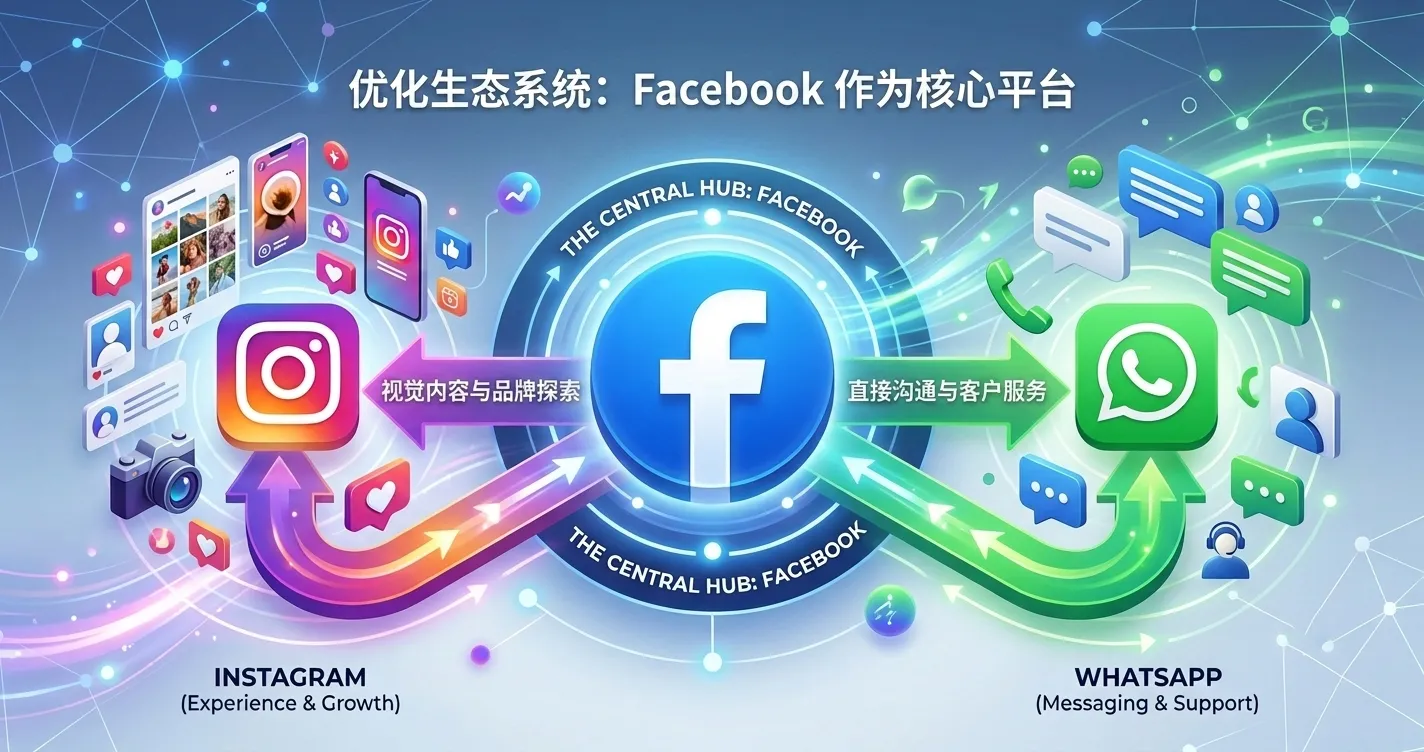
Figure 1: Complete lead generation chain for foreign trade social media
Many companies initially treat Facebook, Instagram and WhatsApp as three separate platforms, expecting each to generate leads. In Meta's ecosystem, however, they serve different roles. Treating them identically can spread resources thin and reduce efficiency. A more effective approach is to put Facebook at the center and let the other two platforms support it.
I. Facebook: The Traffic Hub of Meta's Ecosystem
Many people think of Facebook as just a social platform, but for B2B export businesses, it's more like the traffic hub of the entire Meta ecosystem.
The reason is simple. Whether it's brand exposure, ad campaign management, content dissemination, customer engagement, or remarketing, almost all lead generation actions can be done on Facebook. Compared to other platforms, it covers most of the process from when a customer first meets you to when they gradually trust you.
Especially in the B2B industry, buyers rarely inquire based solely on a single advertisement. They prefer to browse a company's homepage, learn about its product applications, and check company news before deciding whether to make further contact. Facebook provides just such a space for building trust over time.
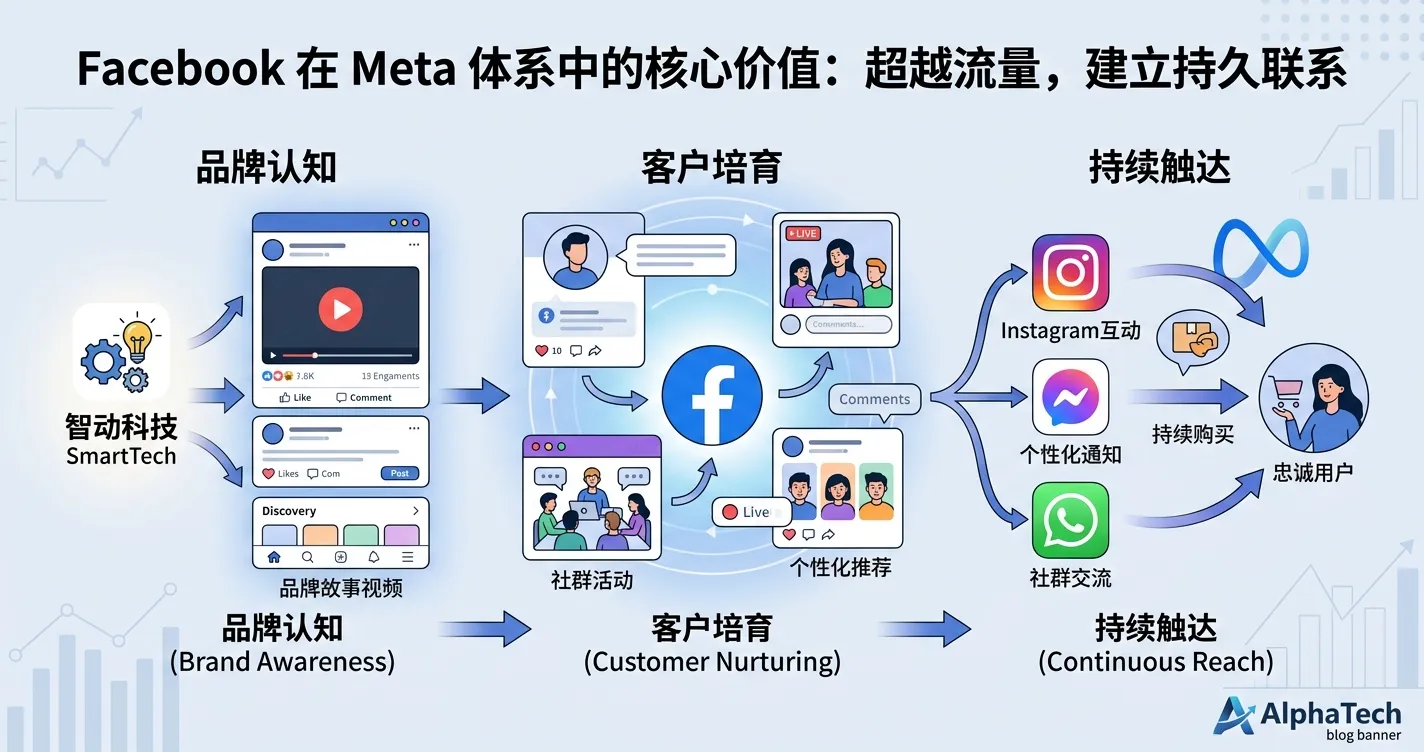
Figure 2: Facebook is the traffic hub of the entire Meta ecosystem.
More importantly, it not only attracts new customers but also continuously reaches potential customers who have already visited the homepage or business website. For the foreign trade industry, which has a long decision-making cycle, this ability to maintain continuous exposure is far more valuable than one-time ad clicks.
Therefore, Facebook's role in the entire Meta system is not just about acquiring traffic, but also about undertaking the core tasks of brand awareness, customer cultivation, and continuous outreach.
II. Instagram Amplifies Brand Visibility Rather Than Finding Customers
Many businesses invest significant effort in Instagram, hoping to attract customers with stunning photos and videos, only to find that while their account data is good, inquiries are limited. This isn't because Instagram is ineffective, but rather because many businesses have misunderstood its purpose.
Instagram's strength lies in visual expression; it's better suited for showcasing product design, application scenarios, and brand tone, rather than serving as a primary lead generation tool. For industries like furniture, lighting, consumer electronics, and outdoor products, a consistently updated Instagram account can indeed enhance brand image, but only if customers are already familiar with your brand.
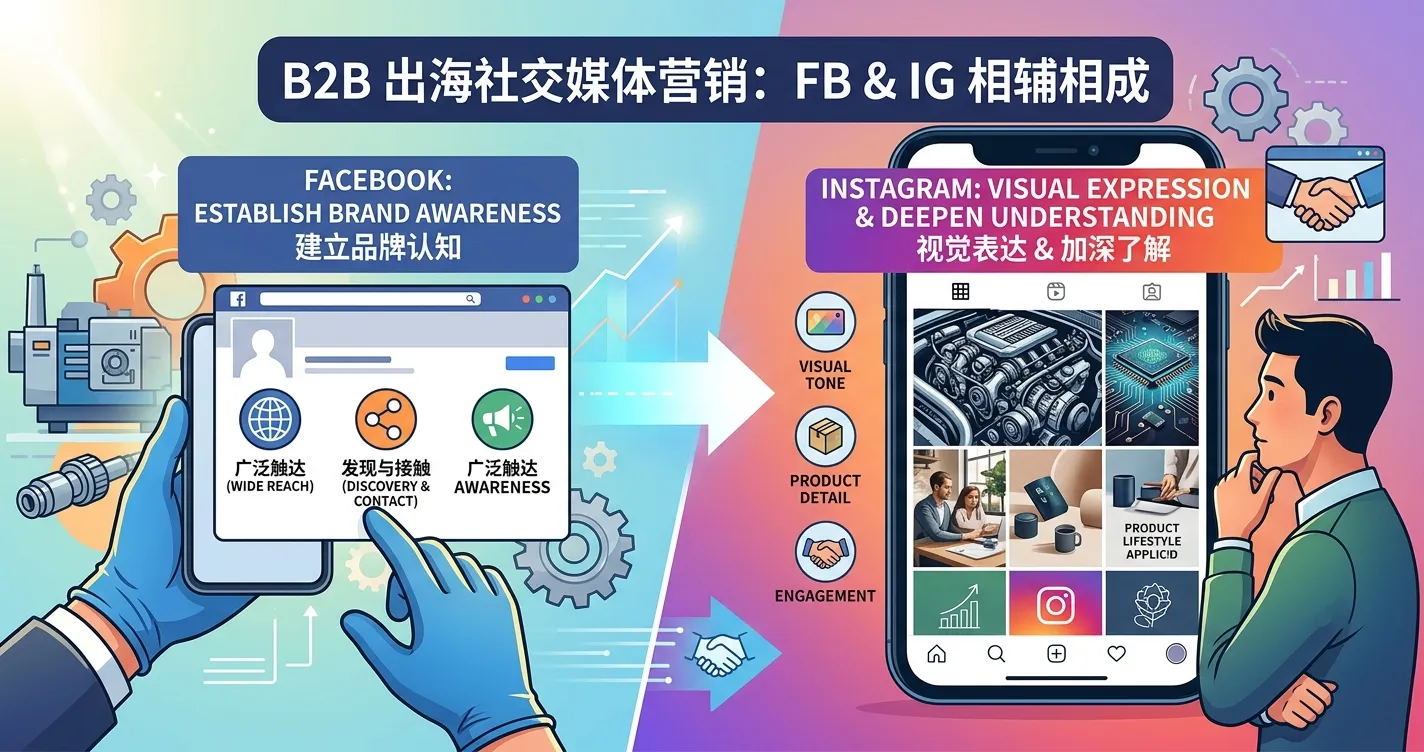
Figure 3: The value of Instagram lies in amplifying brands, not in finding customers.
In other words, Instagram is more like a second stop for customers to gain a deeper understanding of a company, rather than their first point of contact. In reality, many buyers first encounter a brand through Facebook ads, industry content, or the company's homepage, and only then click through to Instagram to learn more about product style, case studies, and brand image. Without the continuous traffic generated by Facebook, it would be difficult for Instagram alone to generate a stable source of inquiries.
Therefore, for B2B export businesses, Instagram's value is not in replacing Facebook, but in helping to further deepen the brand awareness built on Facebook.
3. WhatsApp is not a lead generation tool, but a sales conversion tool.
Compared to Facebook and Instagram, WhatsApp has a clearer positioning, serving as a platform for communication and conversion.
More and more overseas buyers are now accustomed to contacting suppliers via WhatsApp because it's more timely and aligns better with mobile work habits. Therefore, many companies place WhatsApp links on their website homepages, Facebook pages, and even advertisements, hoping customers will contact them directly. However, many companies have found that even after leaving their WhatsApp contact information, the number of people actually inquiring proactively remains low.
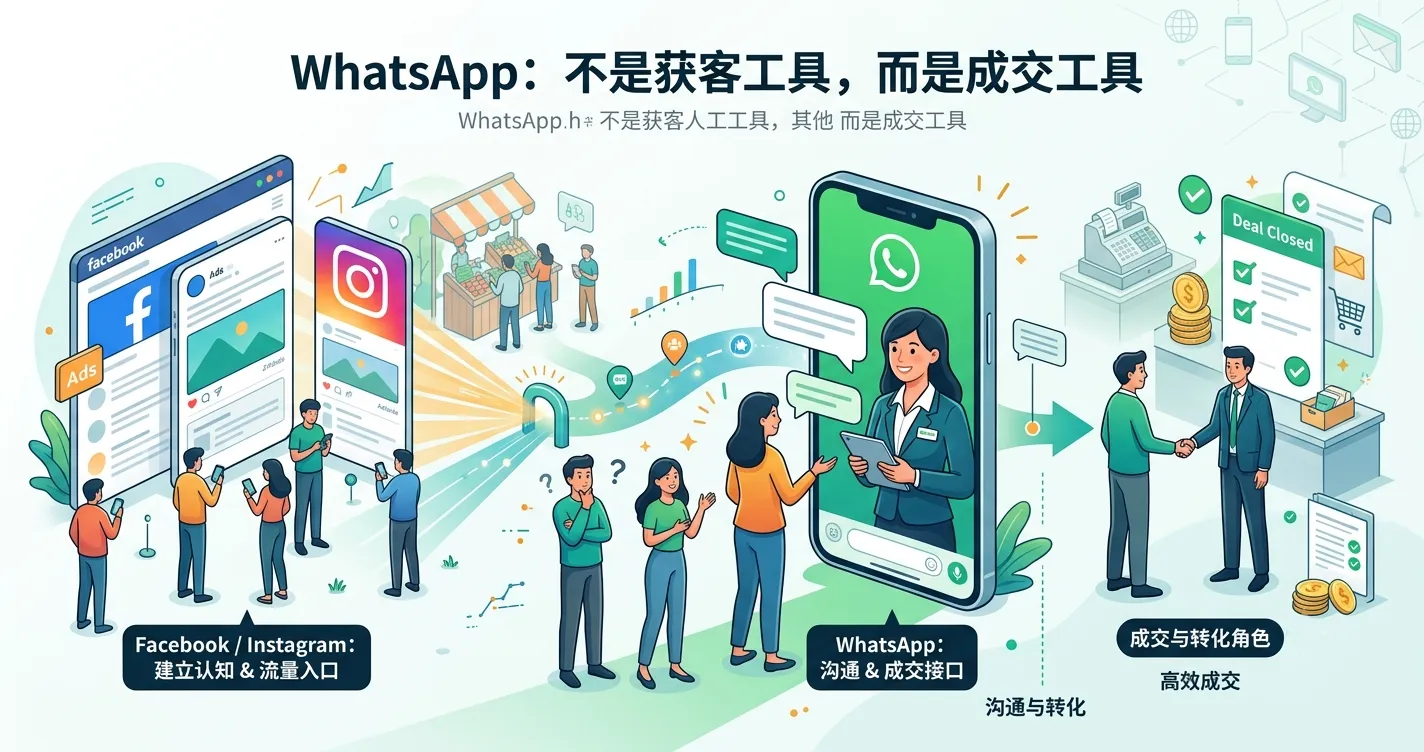
Figure 4: WhatsApp is not a lead generation tool, but a sales tool.
The reason is actually quite simple. For customers who are meeting a business for the first time, their primary need is to understand and assess the situation, not to immediately begin communication. If a brand hasn't yet established sufficient trust, simply providing a contact method won't significantly increase the number of inquiries.
A truly effective WhatsApp should only emerge after customers have already established a positive impression of the business. After Facebook helps customers build initial awareness, and Instagram further strengthens the brand image, WhatsApp becomes the final step in driving inquiries.
Therefore, it is not a traffic entry point, but a conversion interface in the entire customer decision-making process.
IV. Coordinating All Three Platforms into a Complete Marketing Process
Many companies have failed to do meta marketing well, not because they don't know how to operate a particular platform, but because they haven't established a complete operational logic.
Mature export businesses rarely set separate goals for Facebook, Instagram, and WhatsApp. Instead, they integrate them into the same customer journey. Facebook is responsible for increasing brand awareness among potential customers and building trust; Instagram is responsible for refining the brand image and helping customers further understand the business; and WhatsApp is used to complete communication and inquiries once customers have expressed interest in collaborating.
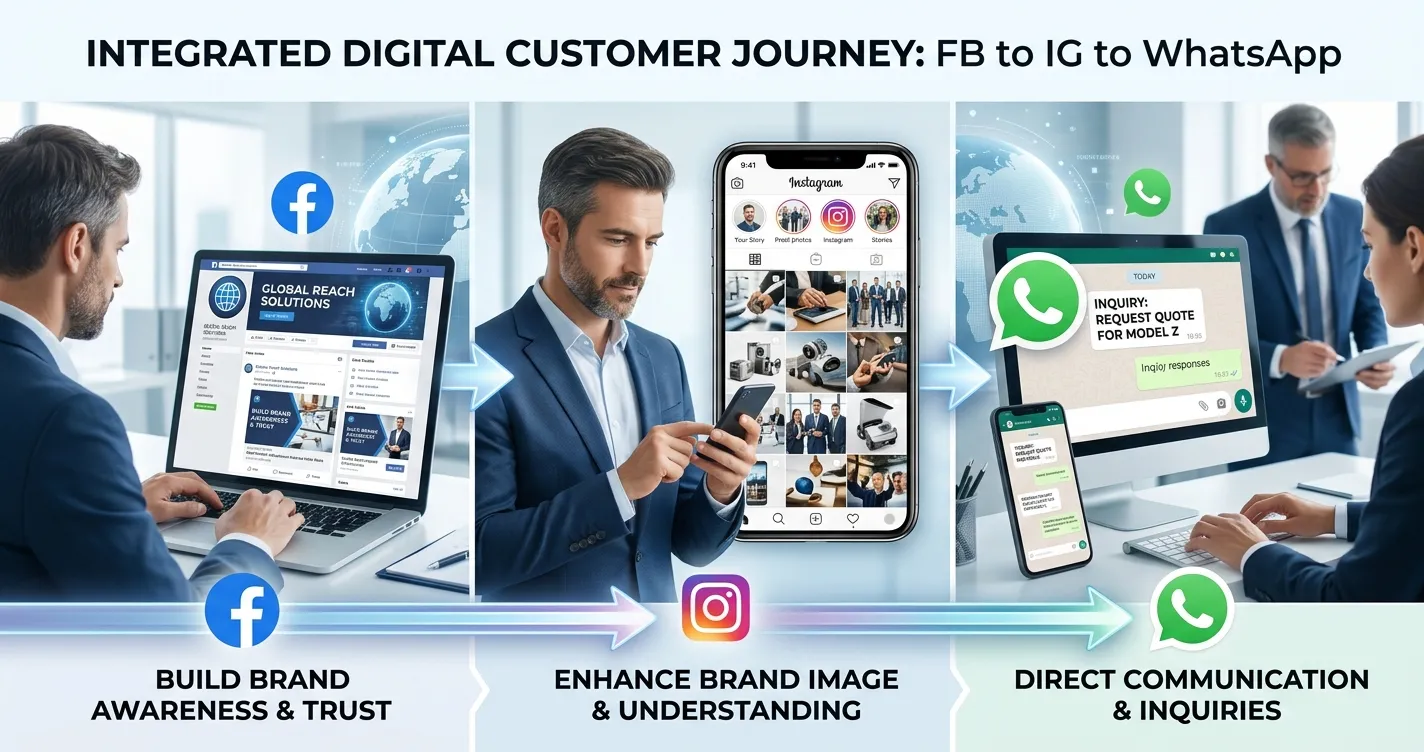
Figure 5: Truly mature Meta operations involve creating a closed loop across the three platforms.
This division of labor may seem simple, but it is far more efficient than having three separate platforms operating independently. For B2B foreign trade, what customers really care about is not how many platforms you operate, but whether the brand they see on different platforms is consistent, whether the information is professional, and whether each interaction strengthens their trust in the company.
Meta offers not three separate platforms, but a complete international marketing ecosystem. For export businesses, the real question isn't which platform—Facebook, Instagram, or WhatsApp—is more important, but rather how to make each play a role in the customer's decision-making process.
If we had to assign roles to the three, Facebook would undoubtedly be the core of the entire system. It's responsible for discovering and attracting customers, as well as continuously building brand awareness; Instagram helps brands create a more intuitive image, while WhatsApp completes the final communication and conversion.
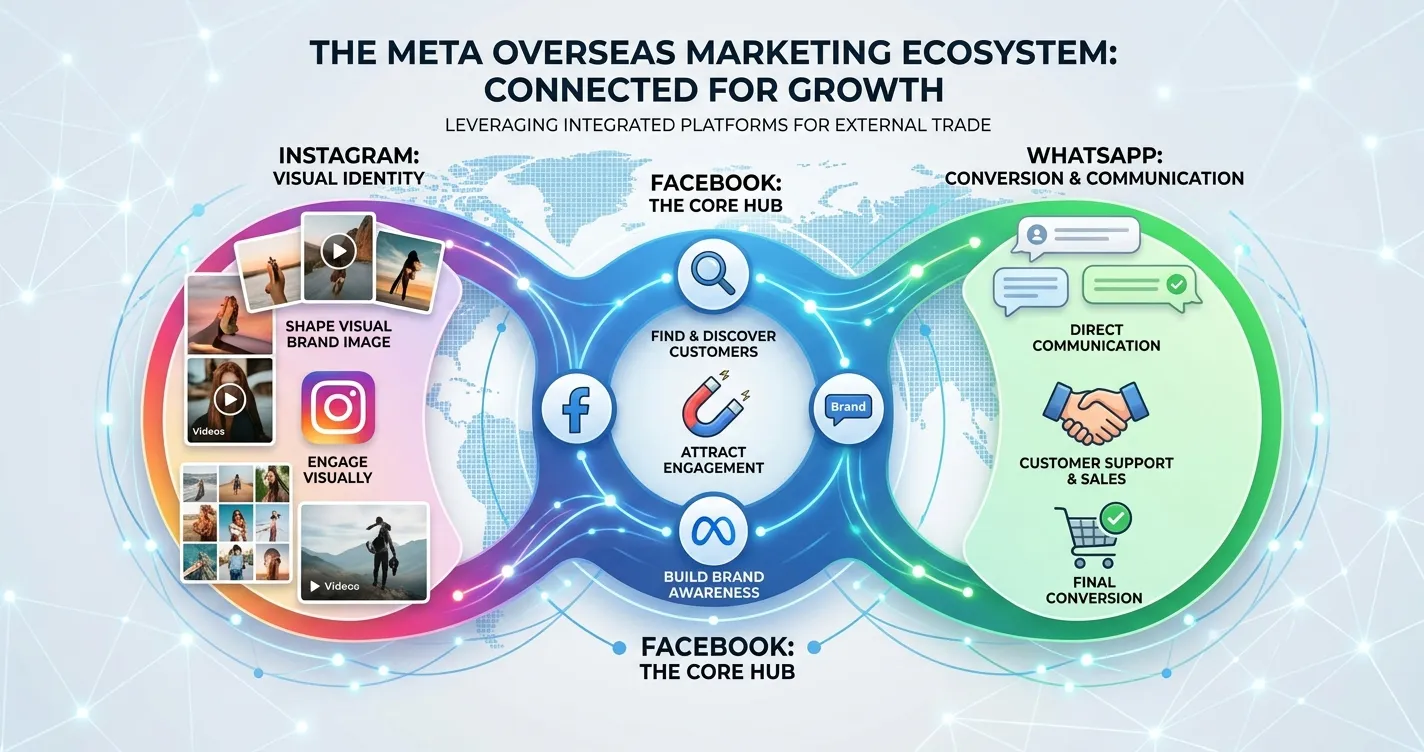
Figure 6: The complete international marketing ecosystem
Many businesses feel that the Meta platform is ineffective not because they've omitted any particular platform, but because they haven't found the right way to coordinate the three. When businesses truly center their efforts around Facebook and connect Instagram and WhatsApp into a complete customer journey, Meta brings more than just increased exposure; it brings more stable and sustainable overseas inquiries.
What does international social media management service include? 2026 Guide to Social Media Management for Export Businesses
2026-10-28
How to write a WordPress product page that will make overseas buyers want to send inquiries?
2026-10-28
How to fix WordPress form emails not sending: Practical WP Mail SMTP configuration
2026-10-27
Are foreign trade promotion companies reliable? Six key criteria for businesses to judge promotion service providers in 2026.
2026-10-26
How do I set up an email account for export businesses? How can I configure it to avoid it ending up in the spam/junk mail folder?
2026-10-26
Related Articles
What does international social media management service include? 2026 Guide to Social Media Management for Export Businesses
How much do social media marketing companies charge? Analysis of international social media management fees and service content in 2026.

How to appeal a Facebook account suspension? Export Businesses account unblocking and recovery guide.
A Roundup of 8 Reasons for Facebook Account Suspension: A Guide to Avoiding and Preventing Account Suspension for International Trade Accounts
Differences between Facebook Personal Accounts, Business Accounts, and Advertising Accounts: A Guide to Avoiding Common Pitfalls in Export Businesses

