Contents +
Why is Facebook so important for foreign trade? 3 billion customers are waiting for you here.
Source: 创同盟
Date: 2026-07-15
Views: 192
In the process of doing B2B digital marketing, a very common phenomenon is that many companies focus on Google SEO or trade show lead generation, but ignore Facebook, a seemingly "social" platform.
But if you truly observe customer behavior in overseas markets, you'll find a simple truth— your customers haven't left; their attention has simply shifted to social media. Facebook remains a crucial element in this.
Figure 1: Facebook remains the most important link in foreign trade.
I. Why is Facebook still an important traffic portal for foreign trade?
Despite the rapid rise of platforms like TikTok and LinkedIn in recent years, Facebook still holds an irreplaceable position in the global foreign trade market. This is not only due to its massive user base, but also because it remains the mainstream social media and information platform in many key foreign trade markets.
Facebook currently has over 3 billion monthly active users, covering more than 180 countries and regions worldwide. In key foreign trade markets such as Southeast Asia, the Middle East, Africa, and Latin America, Facebook remains an important gateway for users to access information and business content daily.
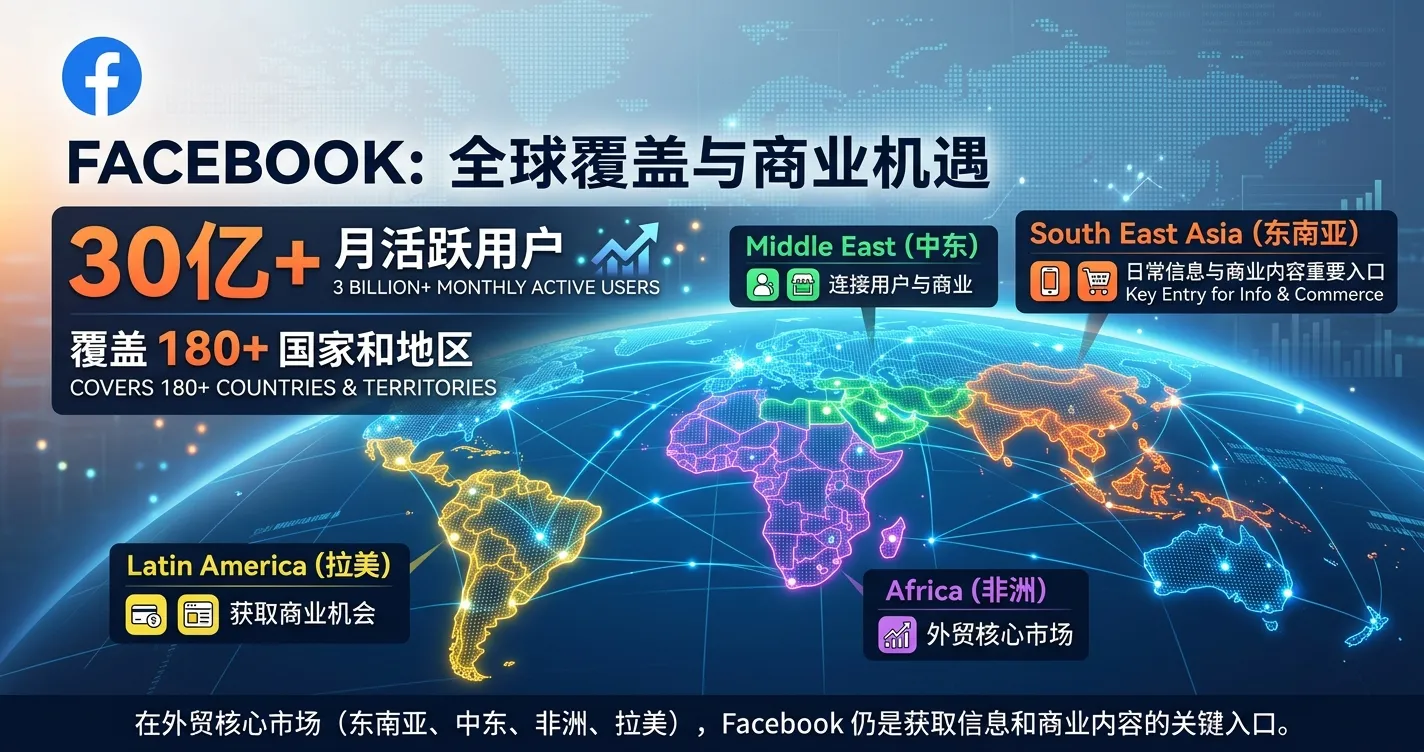
Figure 2 Facebook Global Reach and Business Opportunities
For export businesses, this means a very real question: your customers are still active on Facebook, it's just a matter of whether you're in the right place to connect with them.
In many industries, Facebook is used not only for social networking but also as a "business authenticity verification tool." Before contacting suppliers, buyers often check whether their Facebook pages are consistently updated, whether they contain genuine factory content, and whether they have a proven track record of long-term operation.
II. The decision-making path of foreign trade customers is no longer linear:
In the past, the process of doing foreign trade was very simple: get business cards at trade shows → communicate via email → quote a price → close the deal.
But customers' behavior has completely changed now. They might see your content on Facebook first, or find your website through a Google search, and then verify its authenticity on Facebook, or even compare it repeatedly on LinkedIn and the business website.
The entire process became a multi-touchpoint loop, rather than a linear one. In this process, Facebook's role is subtle yet crucial—it's not a "transaction platform," but rather a way to constantly reassure customers about one thing:
Is this company reliable? Is it a long-term business? Is it professional? When customers start asking these questions, they have already entered the preliminary stage of deciding whether to close the deal.
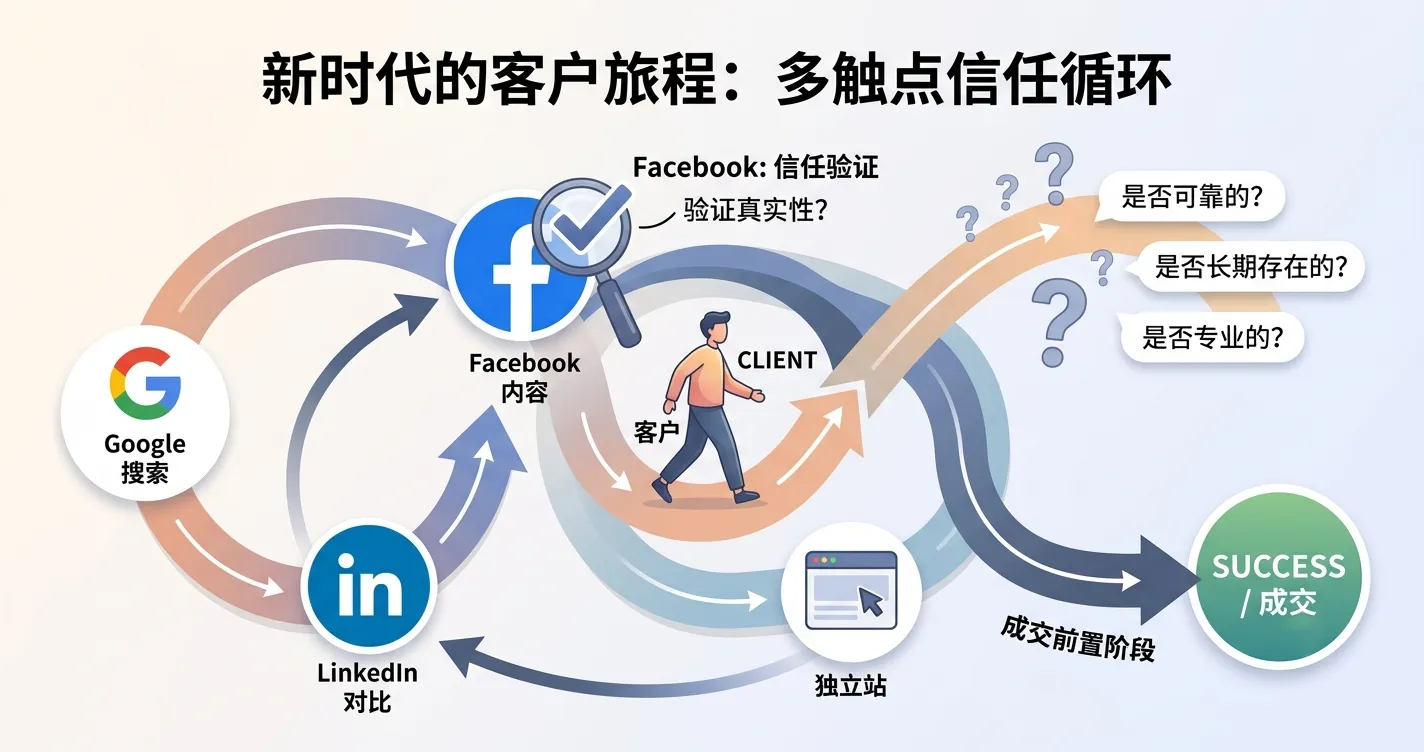
Figure 3. Decision-making path of foreign trade customers in 2026
III. Why are many export businesses starting to re-emphasize Facebook?
If we break down Facebook's role in B2B export marketing, we'll find that it's not just a traffic channel, but a "combination tool." It functions on at least three levels.
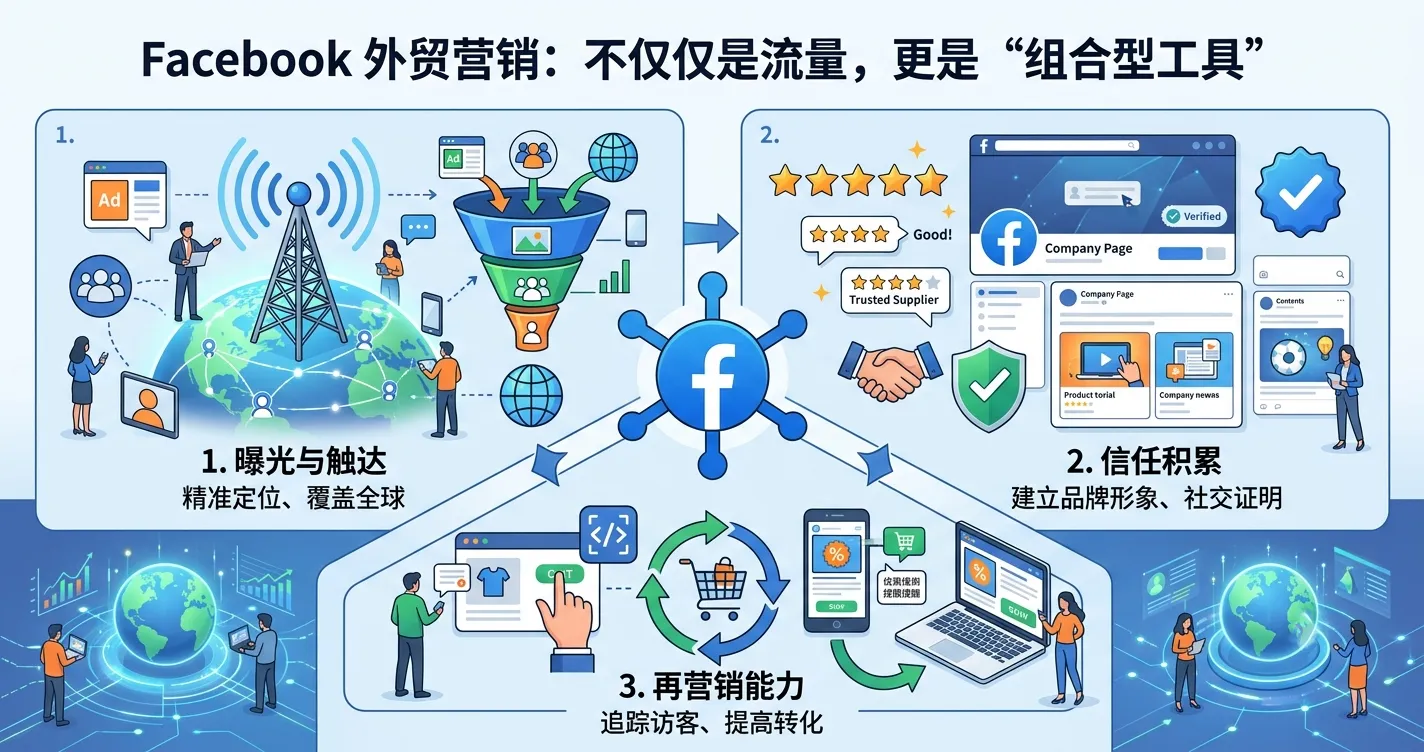
Figure 4. The role of Facebook in B2B export marketing.
1. The first step is exposure and reach. Through an advertising system, you can directly showcase your products to specific countries, industries, or even job positions, such as purchasing managers or distributors.
2. Secondly, building trust is crucial. Compared to one-off advertising, continuous content updates are more important. Factory footage, product usage scenarios, and customer feedback constantly tell potential customers: you are not an "advertising account," but a real, existing business.
3. Finally, there's remarketing capability. Many customers won't inquire on their first visit, but they might see your content repeatedly. Facebook's advantage lies in its ability to bring these "hesitant customers" back into your view.
From this perspective, Facebook is more like a long-term "customer nurturing system" than simply a source of traffic.
IV. What Do Companies Lose by Ignoring Facebook?
Many businesses believe that not using Facebook won't have much of an impact, as orders can still come from Google or existing customers.
The problem is that this approach is becoming increasingly unstable.
The most obvious change is the rising cost of customer trust. Customers now actively verify a company's existence before making a decision. If they can't find any information on Facebook, this "blank space" itself reduces the likelihood of a sale.
Secondly, the traffic structure has become too simplistic. If any channel experiences fluctuations, such as a drop in Google rankings or an increase in advertising costs, the entire lead generation will be significantly affected. A more subtle problem is that customer decision-making cycles have lengthened. Due to the lack of consistent touchpoints on social media, customers need more time to confirm who you are.
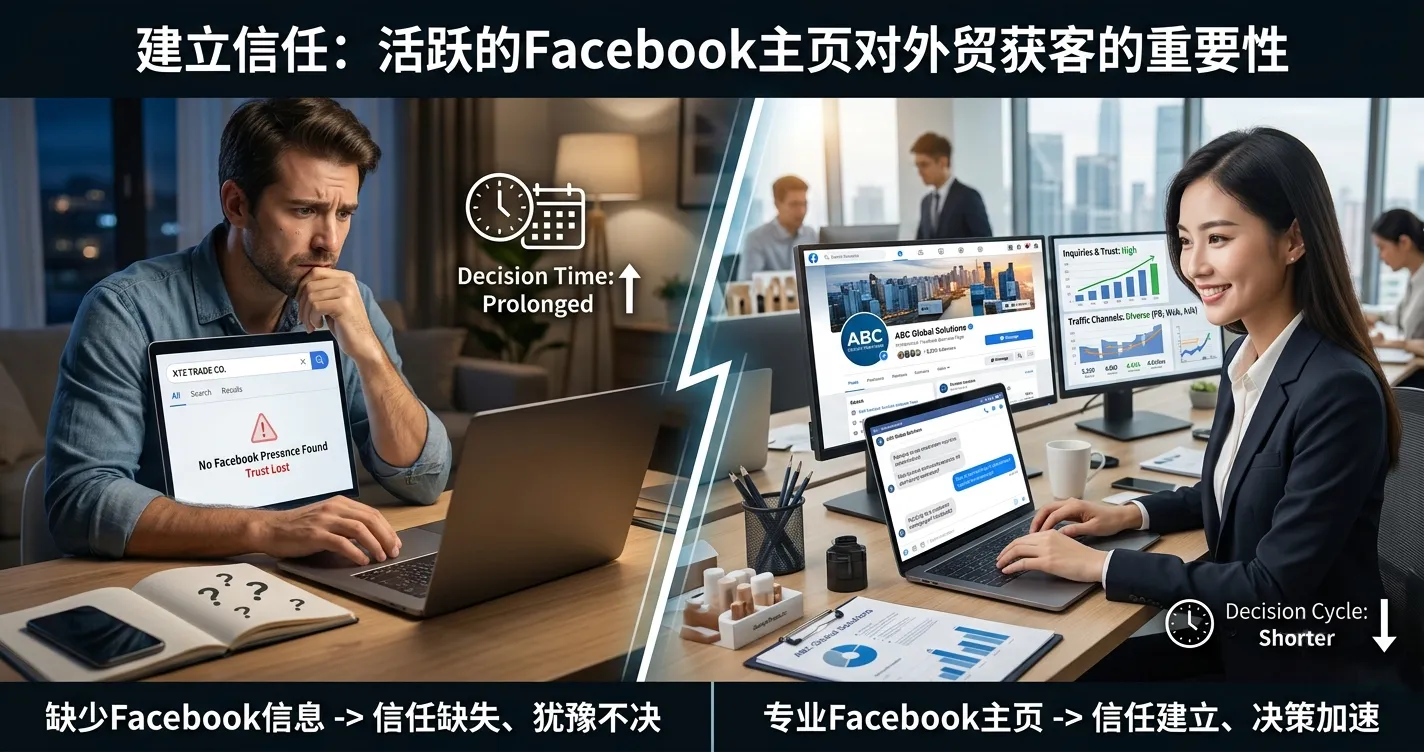
Figure 5. The Importance of Facebook Pages to Foreign Trade Lead Generation
In other words, not using Facebook doesn't mean "losing a channel," but rather losing an entry point that gives customers "confidence." When Facebook, Google, and a business website work together, the entire lead generation chain becomes more complete: customers see you first, then learn about you, and finally decide to contact you.
V. Facebook's True Position in the Foreign Trade System
If you break down B2B digital marketing into a structure, you can clearly see the division of labor among the various channels.
Google handles proactive search traffic, where customers already have a clear need; business websites are the final point of contact and conversion; while Facebook focuses more on "pre-emptive influence" and "building trust." Its value lies not in direct sales, but in establishing customer awareness and trust before a transaction is made.
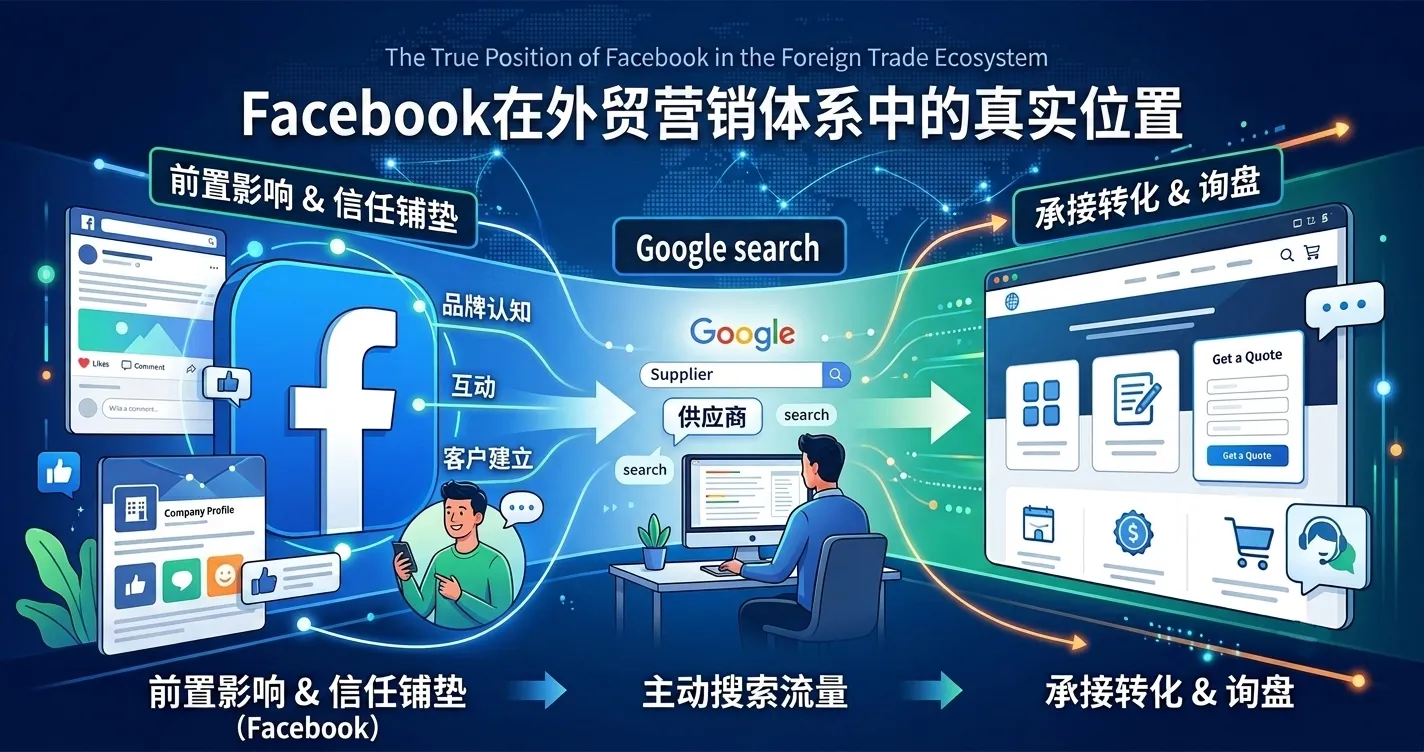
Figure 6. Facebook's true position in the foreign trade system.
The biggest change in the foreign trade industry in recent years is not that competition has become more intense, but that customers' decision-making methods have become more complex. In the past, you only needed to be "found," but now you need to be "seen, verified, and remembered."
Facebook's value lies here—it's not just a simple promotional tool, but a way to help businesses establish a lasting presence in global markets.
From this perspective, the question has actually changed: it's not about whether or not to do Facebook, but whether or not you've appeared in your customers' attention span.

What does international social media management service include? 2026 Guide to Social Media Management for Export Businesses
2026-10-28

How to write a WordPress product page that will make overseas buyers want to send inquiries?
2026-10-28

How to fix WordPress form emails not sending: Practical WP Mail SMTP configuration
2026-10-27

Are foreign trade promotion companies reliable? Six key criteria for businesses to judge promotion service providers in 2026.
2026-10-26

How do I set up an email account for export businesses? How can I configure it to avoid it ending up in the spam/junk mail folder?
2026-10-26
Related Articles
What does international social media management service include? 2026 Guide to Social Media Management for Export Businesses
How much do social media marketing companies charge? Analysis of international social media management fees and service content in 2026.

How to appeal a Facebook account suspension? Export Businesses account unblocking and recovery guide.
A Roundup of 8 Reasons for Facebook Account Suspension: A Guide to Avoiding and Preventing Account Suspension for International Trade Accounts
Differences between Facebook Personal Accounts, Business Accounts, and Advertising Accounts: A Guide to Avoiding Common Pitfalls in Export Businesses

