Contents +
Foreign trade lead generation matrix: How to effectively coordinate Facebook/LinkedIn/Google/business website?
Source: 创同盟
Date: 2026-07-15
Views: 185
In the B2B digital marketing system, a common misconception is that companies always want to "choose the best channel," such as only doing Google SEO, only investing in Facebook ads, or even relying solely on trade shows.
However, the reality is that foreign trade leaders are never competing through a single channel, but rather it's a matter of coordinating a complete traffic matrix. If you break down the entire system, there are actually only four core players: Facebook, LinkedIn, Google, and the business website. Within this structure, Facebook is often the most underestimated, yet actually the most crucial connecting point.
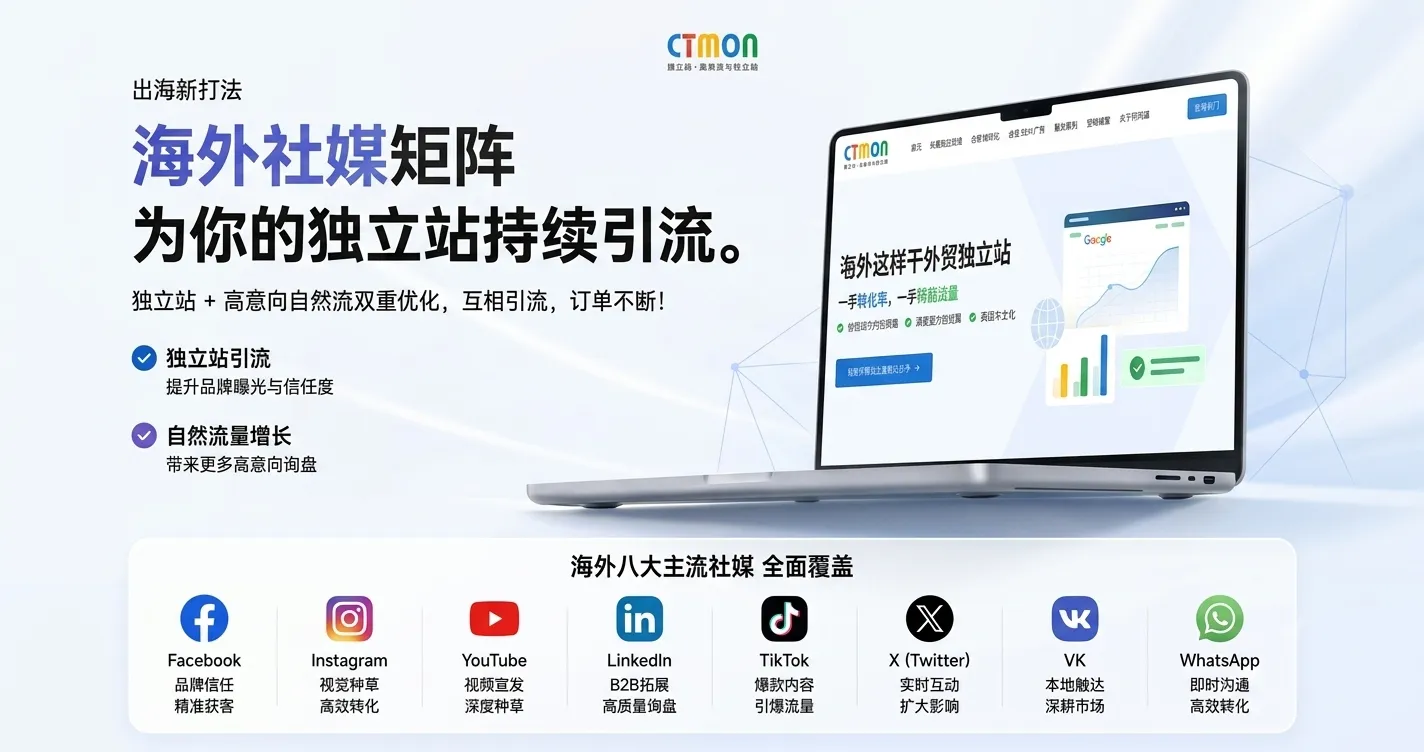 Figure 1: Foreign Trade Social Media Lead Generation Traffic Matrix
I. Foreign trade clients' decision-making methods have shifted to "multi-touchpoint verification".
In the past, the path for foreign trade customers was relatively simple, with most orders coming from trade shows or email communication, and the process was clear and direct. But the situation is completely different now. A typical B2B procurement decision-making process is no longer a single entry point, but a process of continuous cross-validation. Customers may initially find suppliers through Google searches, or see product content on Facebook, then check the company background on LinkedIn, and finally visit the business website for more detailed information.
In this process, no single channel can complete a transaction alone; they all work together to achieve a core objective: continuously reducing customer uncertainty. In other words, the core of modern foreign trade competition is no longer "who can be found," but rather "who can be continuously validated and build trust across multiple touchpoints."
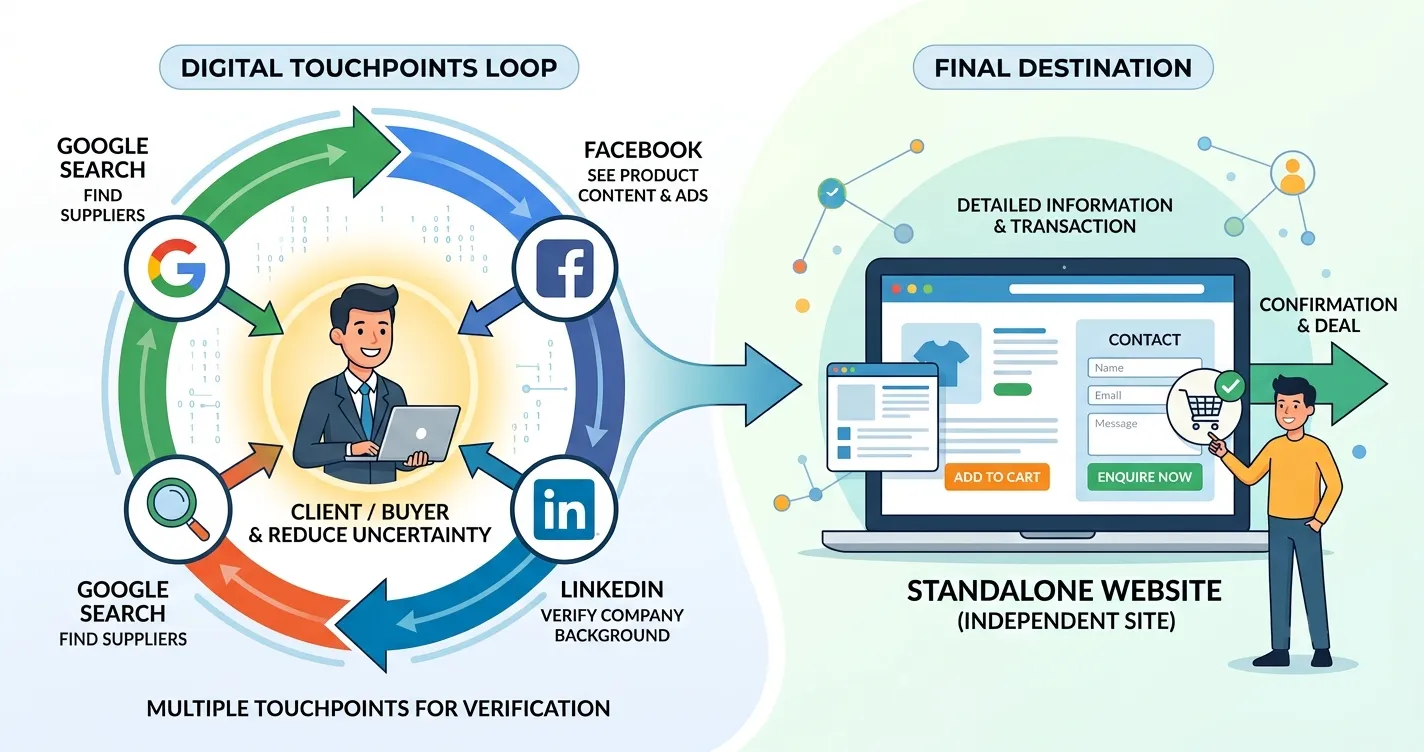 Figure 2: The process of cross-validation
Second, Google: It addresses "needs," but not "trust."
Within the entire lead generation system, Google SEO remains one of the most important traffic sources because it addresses a very specific problem: customers already have a need. When customers search for "LED flashlight supplier" or "stainless steel passivation chemical manufacturer," their purchasing intent is usually clear, which is why Google traffic is of high quality.
However, Google's problem is also obvious: it prioritizes "demand matching" over "trust building." Customers can find you through search, but a high ranking doesn't automatically translate to trust. Especially in the B2B sector, customers typically take a second step after searching on Google: verifying the company's existence, long-term operational status, and actual delivery capabilities. This "verification" often occurs on social media platforms like Facebook or LinkedIn.
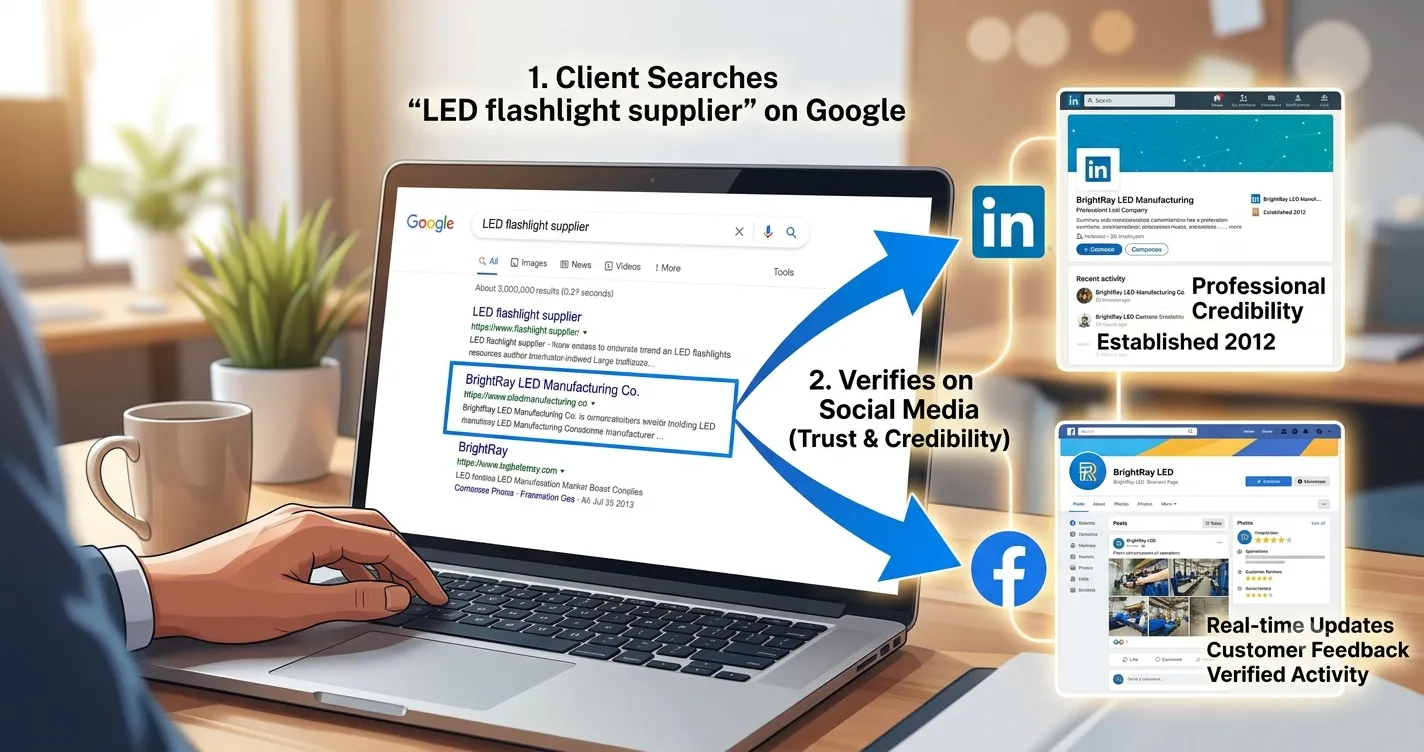 Figure 3: Google search results for Facebook or LinkedIn verification
III. Characteristics of Facebook, LinkedIn, and Google Business Websites
1. LinkedIn: Builds a professional image, but the pace is relatively slow.
 Figure 4: LinkedIn: Building a professional image, but at a slower pace.
In the international trade system, LinkedIn leans more towards a professional social network. Its advantage lies in its ability to directly reach B2B decision-makers such as purchasing managers, engineers, or channel partners. From a branding perspective, LinkedIn is more like a "professional identity showcase platform," helping to strengthen a company's professional image and build long-term business relationships. However, its limitations are also quite apparent: limited traffic scale, slower content dissemination speed, and a longer interaction cycle, making it more suitable for deep relationship maintenance rather than rapid lead generation.
In the actual foreign trade lead generation system, LinkedIn plays more of a supporting role in verification and relationship strengthening than a core source of traffic.
2. Business website: a conversion center, but does not generate traffic.
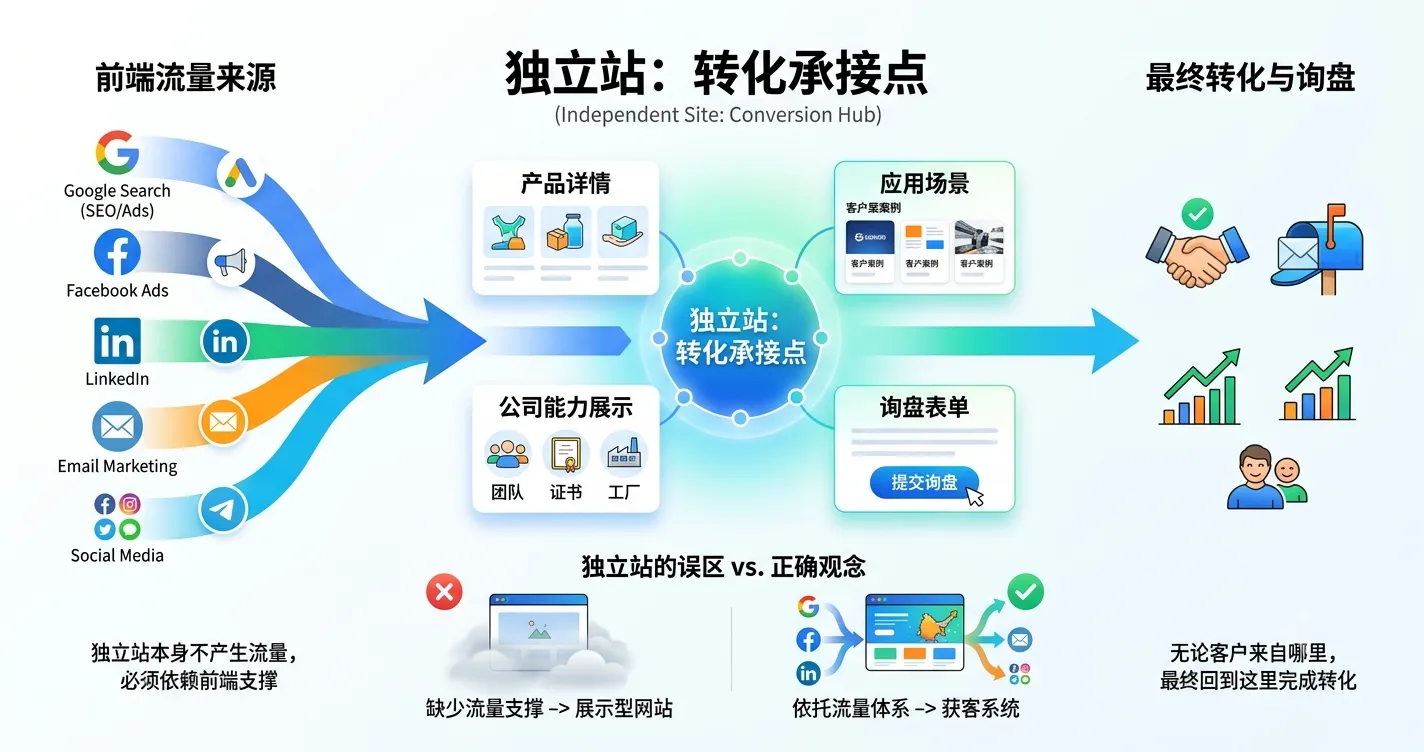
Figure 5: Google Business Website: a conversion hub, but without generating traffic.
The business website plays a very clear role in the entire system; it's not a traffic entry point, but rather the final conversion point. Whether customers come from Google search or Facebook ads, they will ultimately return to the business website to obtain information and complete inquiries. Product details, application scenarios, company capabilities showcase, and inquiry forms together form the core of the conversion path.
Many businesses have a misconception: they believe that a good website will automatically bring in customers, which is not true in reality. A business website itself does not generate traffic; it must rely on a robust front-end traffic management system. Without channels like Google SEO or Facebook, it's more like a showcase website than a lead generation system.
3. Facebook: The most underrated core node in the foreign trade lead generation system
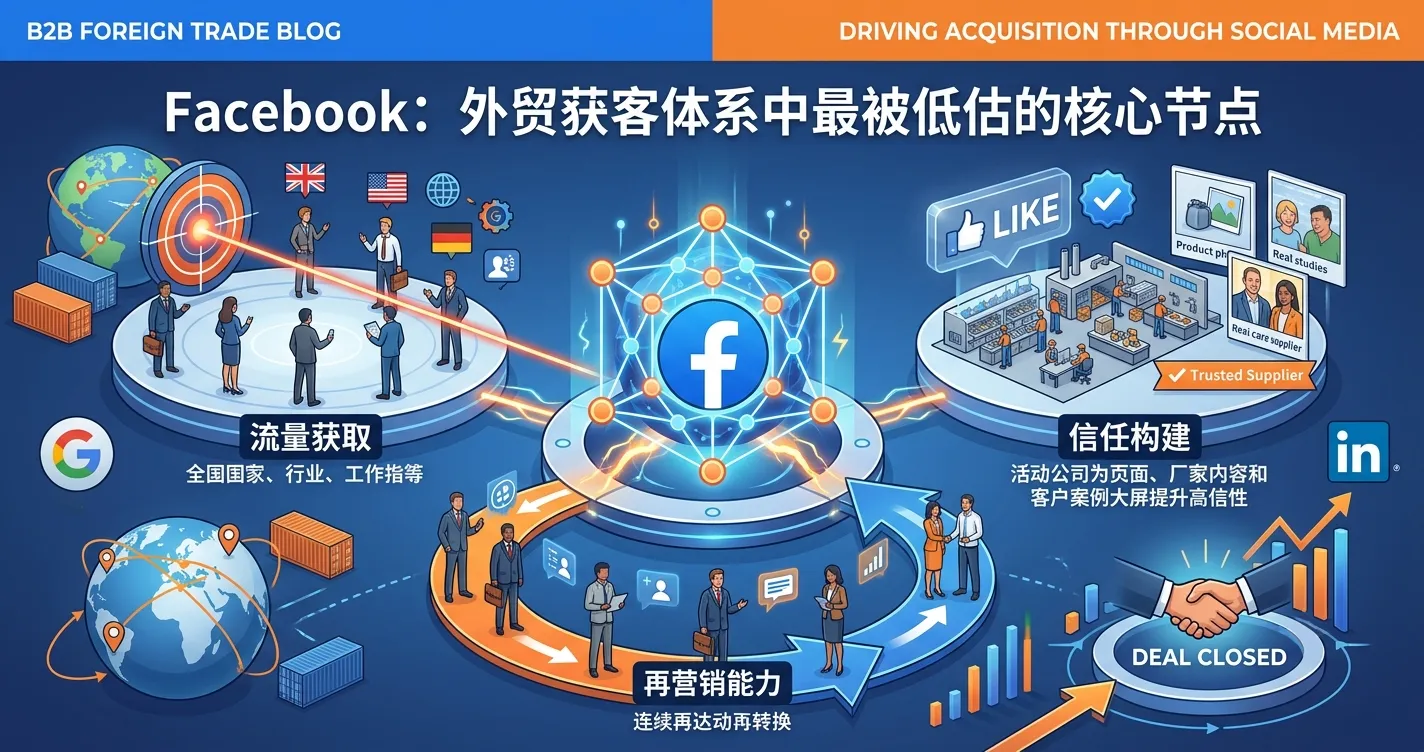 Figure 6: Facebook: The most underestimated core node in the foreign trade lead generation system
While Google, LinkedIn, and business websites each play different roles, Facebook is often the most easily overlooked link. On the surface, it's a social platform, but in the context of foreign trade, it actually performs three key functions.
The first is traffic acquisition. Through Facebook ads, businesses can directly reach target audiences in different countries, industries, and even job positions, making it an important entry point for potential customers.
Secondly, there's trust building. In B2B decision-making, customers often proactively check a company's social media performance. A consistently updated Facebook page featuring factory content and real-world case studies significantly enhances trust. More importantly, there's remarketing capability. Customers rarely complete inquiries on the first contact; Facebook allows for continuous reach to these users, constantly reinforcing brand awareness and increasing conversion rates.
Therefore, Facebook's value lies not only in traffic acquisition, but also in its ability to connect customers throughout the entire process from awareness to trust and then to conversion.
IV. The true relationship between the four channels: not competition, but division of labor and cooperation.
If we abstract the entire B2B digital marketing system, we can see a very clear structure.
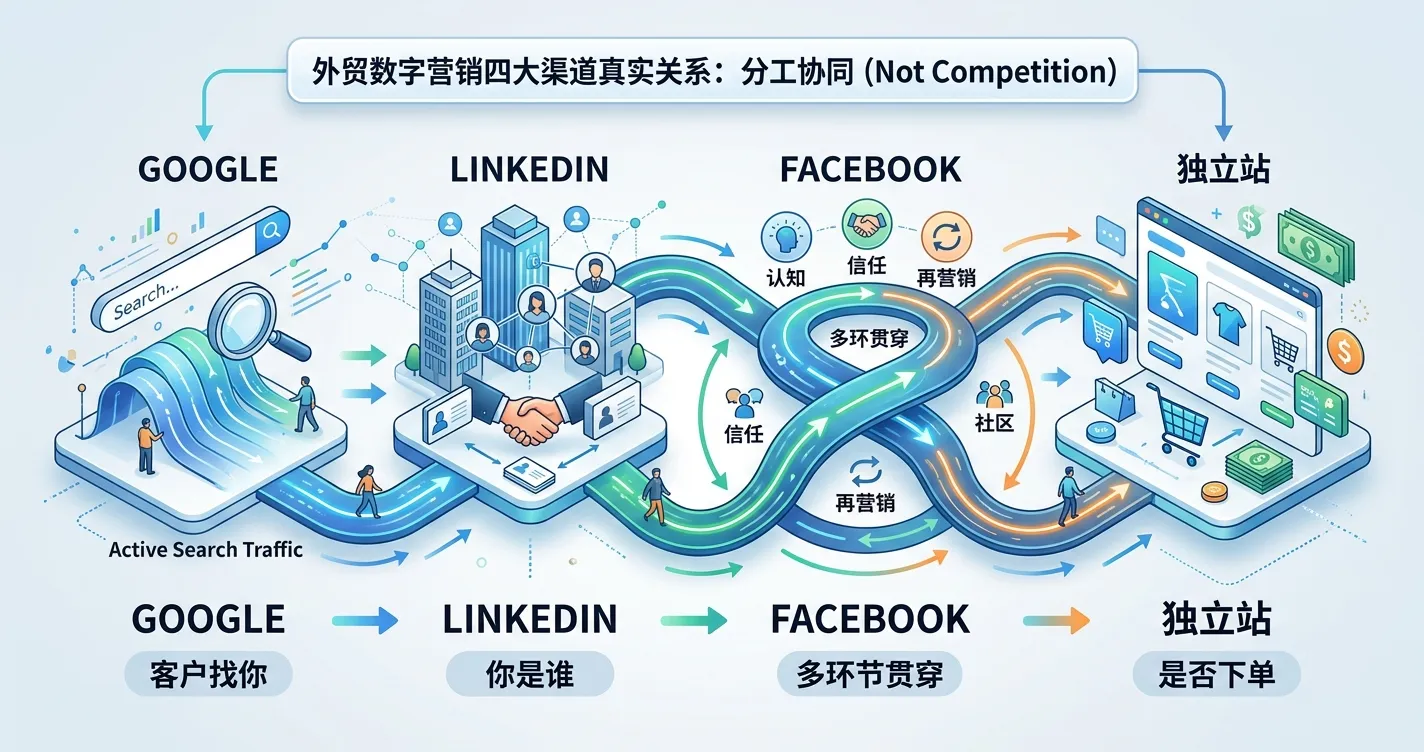 Figure 7: The real relationship among the four channels is not competition, but division of labor and cooperation.
Google handles proactive search traffic, solving the "customers find you" problem. LinkedIn focuses on building professional relationships, reinforcing the "who you are" question. Business websites are responsible for the final conversion, addressing the "whether to place an order" question. Facebook, however, permeates multiple stages, driving traffic, contributing to trust building, and influencing subsequent conversions.
From a systems perspective, these four channels are not competitors, but different nodes in a complete chain. Facebook is important because it occupies a very special position: it participates in awareness, trust, and remarketing simultaneously, making it the most "intermediate" platform in the entire system.
Fifth, the essence of foreign trade competition is "building trust through multiple touchpoints".
Today's foreign trade competition is no longer about efficiency in a single channel, but rather a matter of "customer perception path design." Customers won't immediately place an order based on a single advertisement or article; they will continuously verify, compare, and confirm across multiple platforms. In this process, Facebook's significance lies in ensuring that businesses are not just "found," but "constantly seen." When customers repeatedly encounter your brand on different platforms, trust gradually builds, and a sale becomes a natural outcome.
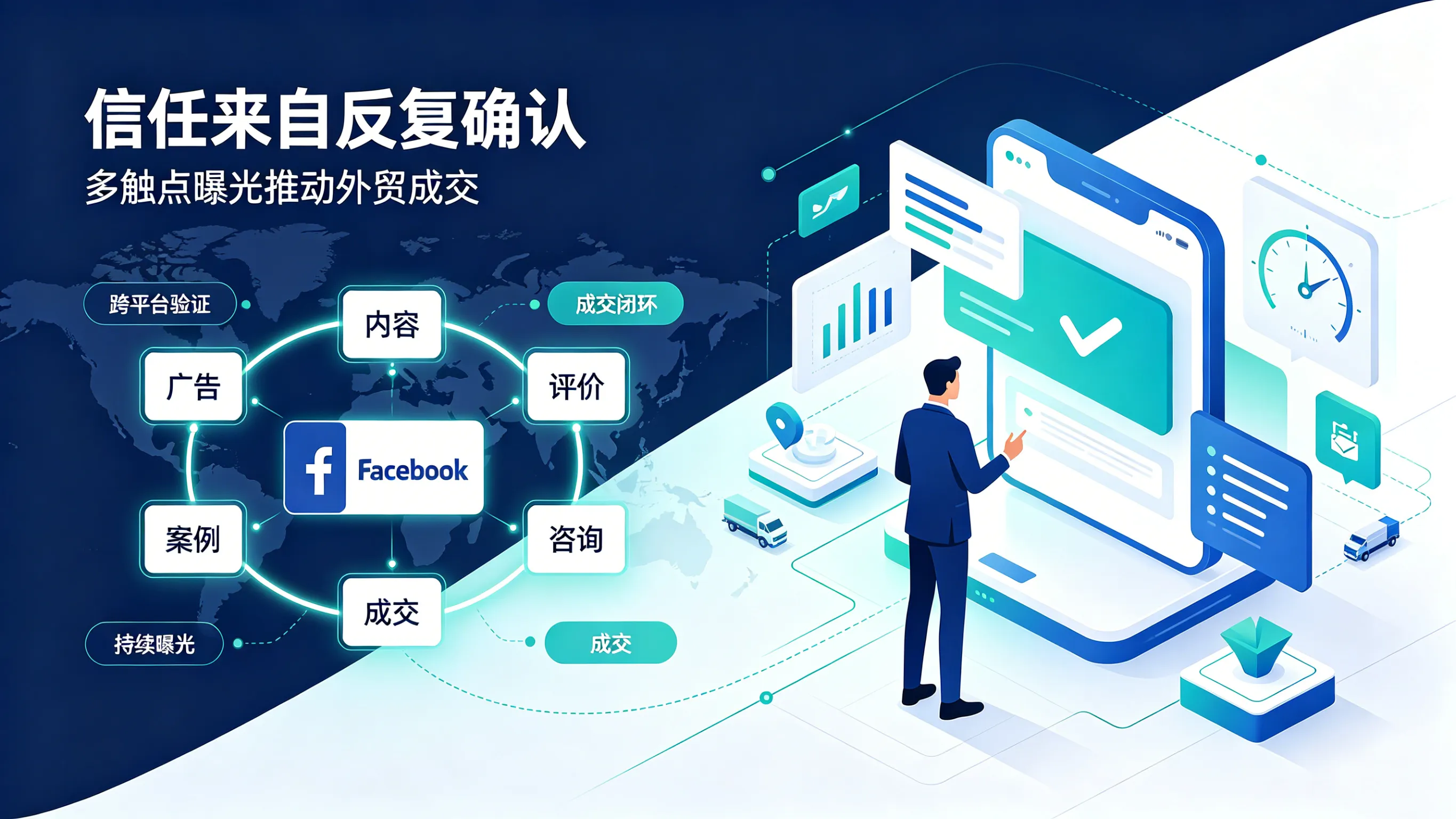 Figure 8: The essence of foreign trade competition: building trust through multiple touchpoints
Therefore, in the entire foreign trade lead generation system, what is truly effective is not a single channel, but whether you have built a complete cognitive loop. And Facebook is an indispensable link in this loop.

What does international social media management service include? 2026 Guide to Social Media Management for Export Businesses
2026-10-28

How to write a WordPress product page that will make overseas buyers want to send inquiries?
2026-10-28

How to fix WordPress form emails not sending: Practical WP Mail SMTP configuration
2026-10-27

Are foreign trade promotion companies reliable? Six key criteria for businesses to judge promotion service providers in 2026.
2026-10-26

How do I set up an email account for export businesses? How can I configure it to avoid it ending up in the spam/junk mail folder?
2026-10-26
Related Articles
What does international social media management service include? 2026 Guide to Social Media Management for Export Businesses
How much do social media marketing companies charge? Analysis of international social media management fees and service content in 2026.

How to appeal a Facebook account suspension? Export Businesses account unblocking and recovery guide.
A Roundup of 8 Reasons for Facebook Account Suspension: A Guide to Avoiding and Preventing Account Suspension for International Trade Accounts
Differences between Facebook Personal Accounts, Business Accounts, and Advertising Accounts: A Guide to Avoiding Common Pitfalls in Export Businesses

