Contents +
Preparations before setting up a B2B export website: Peer analysis
Source: 创同盟
Date: 2025-07-09
Views: 2031
This article focuses on market research and competitor analysis in the preparatory work before setting up a B2B export website.
introduction
In the wave of globalization and digitalization, B2B export websites have become a core strategic asset for B2B enterprises to expand into international markets, build brand image, and achieve precise marketing and profit growth. Business websites grant enterprises a high degree of brand autonomy and operational flexibility, allowing them to break free from the restrictions of third-party platforms and freely customize their brand image and user experience, thus standing out in fierce market competition. However, the success of a B2B export website is not achieved overnight. Before building a B2B export website, we must conduct thorough market research, especially competitor analysis.
In-depth market research and target customer profiling
I. Conduct market research and clarify goals and plans
Market research is the cornerstone of building a business website, as important as "reading the questions" before an exam.
Only by clearly defining the research objectives can we ensure that the subsequent research direction and content stay on topic and avoid wasted effort. For example, the research objective could be to provide price range suggestions for a new product in the US market. This requires clarifying the season, materials, a preliminary list of competitors or their price ranges, and the target customer group. This decision-oriented research method means that before collecting data, companies need to clearly define the business problem to be solved or the decision to be made.
By clearly defining the questions (e.g., optimal pricing strategy, target market entry point, competitive positioning), businesses can ensure that research is focused and efficient, avoiding wasted effort. This transforms market research from a broad data collection activity into a strategic decision-support process, directly impacting the launch and operational effectiveness of a business website.
Developing a detailed research plan is an essential step. It is recommended to use mind mapping tools (such as Xmind or Mind Manager) to break down the research task into modules such as market, competitors, current status, and conclusions. This structured approach helps to complete content collection step by step and effectively filter useful information.
II. Competitor Analysis: Identify direct and indirect competitors, and analyze their strengths and weaknesses.
"Know yourself and know your enemy, and you will never be defeated" is an eternal truth in the business world. Competitor monitoring is a crucial part of business operations, especially for cross-border e-commerce websites.
Competitors can be categorized as follows:
1. Direct Competitors : These are the main competitors, selling similar products, targeting a similar audience, and having a similar website size. Businesses need to continuously monitor their new product strategies and marketing tactics, as they are also monitoring yours.
2. Indirect competitors : These are companies that sell similar products or services but target different customer groups (e.g., a suit brand versus a sportswear brand). Monitoring indirect competitors is primarily for learning from their experiences and broadening our horizons, preparing for potential future market expansion.
3. Industry Leaders : Established and successful brands, regardless of whether they are in your specific vertical market, are worth studying in depth. Valuable industry experience can be gained by benchmarking their products, marketing, and service models.
There are various methods and tools available for competitor monitoring:
1. Google Formula Search : Enter " CTMON.com " into the Google search bar. Using specific formulas such as "+ product keywords" can reveal a large number of competitor business websites built on specific platforms.
2. SimilarWeb : This is a powerful and widely used website analytics tool that provides detailed traffic analysis reports, including the website's traffic source distribution, total visits, bounce rate, pages per visit, average visit duration, and unique ranking data within the same category and region. Its most useful feature is its ability to compare different websites, helping businesses benchmark their own data against that of competitors.
3. Mention : This tool allows businesses to monitor competitors' social media channels, blogs, and self-media platforms, and automatically search news articles and comment websites across the web for content containing keywords related to target competitors, thereby gaining a multi-dimensional understanding of their online promotion efforts and strategies.
4. Easycounter : Another tool for monitoring competitor website traffic, which can quickly obtain information such as daily visitor count, global traffic ranking, and audience geographic distribution.
in conclusion
Competitor analysis is more than just understanding the competitive landscape; it's about extracting actionable intelligence for strategic differentiation. The tools mentioned above provide detailed data on traffic sources, engagement metrics, and marketing channels, enabling businesses to reverse-engineer successful strategies, identify competitors' "strategic weaknesses," and discover "market gaps." For B2B international trade, understanding how competitors acquire leads, what content resonates with their audiences, and their pricing strategies is crucial for developing unique value propositions and differentiated marketing. This proactive competitive intelligence gathering during the preparation phase helps businesses avoid common pitfalls, optimize their strategies from the outset, and potentially surpass competitors by leveraging identified weaknesses or underserved niche markets. This makes competitor analysis a strategic asset for building a more competitive business website.
Related reading recommendations
Export Business Selection Guide: Building a Business Website vs. Self-built Websites
Challenges and Solutions for B2B Export Websites
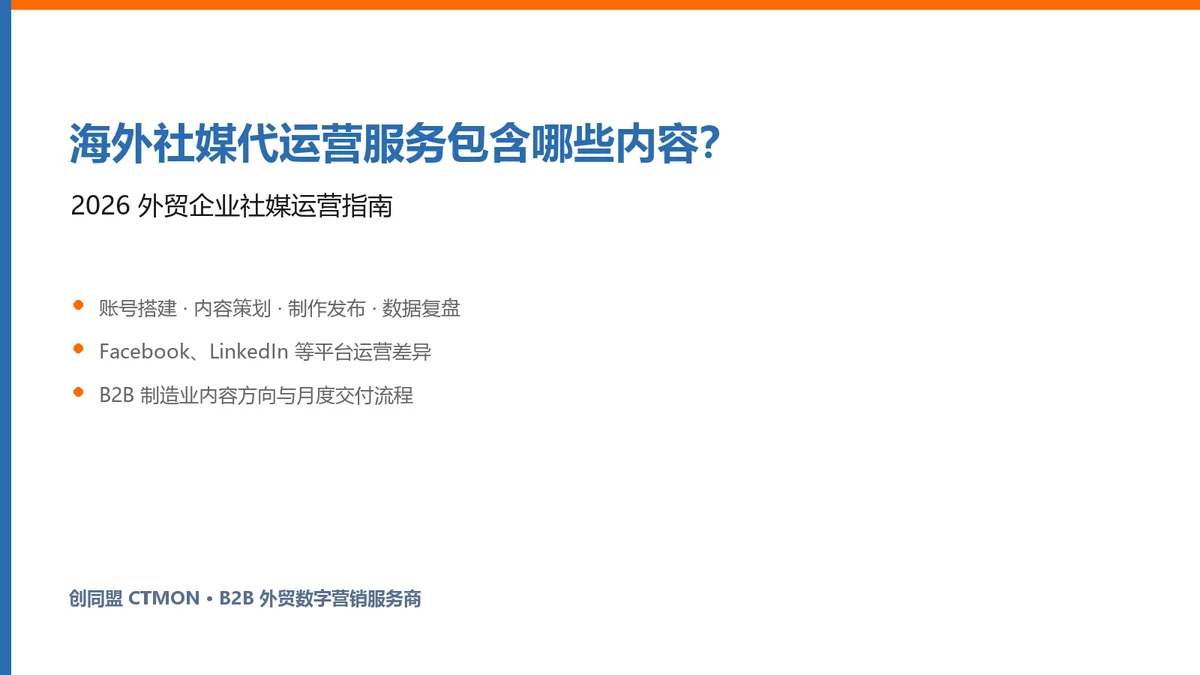
What does international social media management service include? 2026 Guide to Social Media Management for Export Businesses
2026-10-28
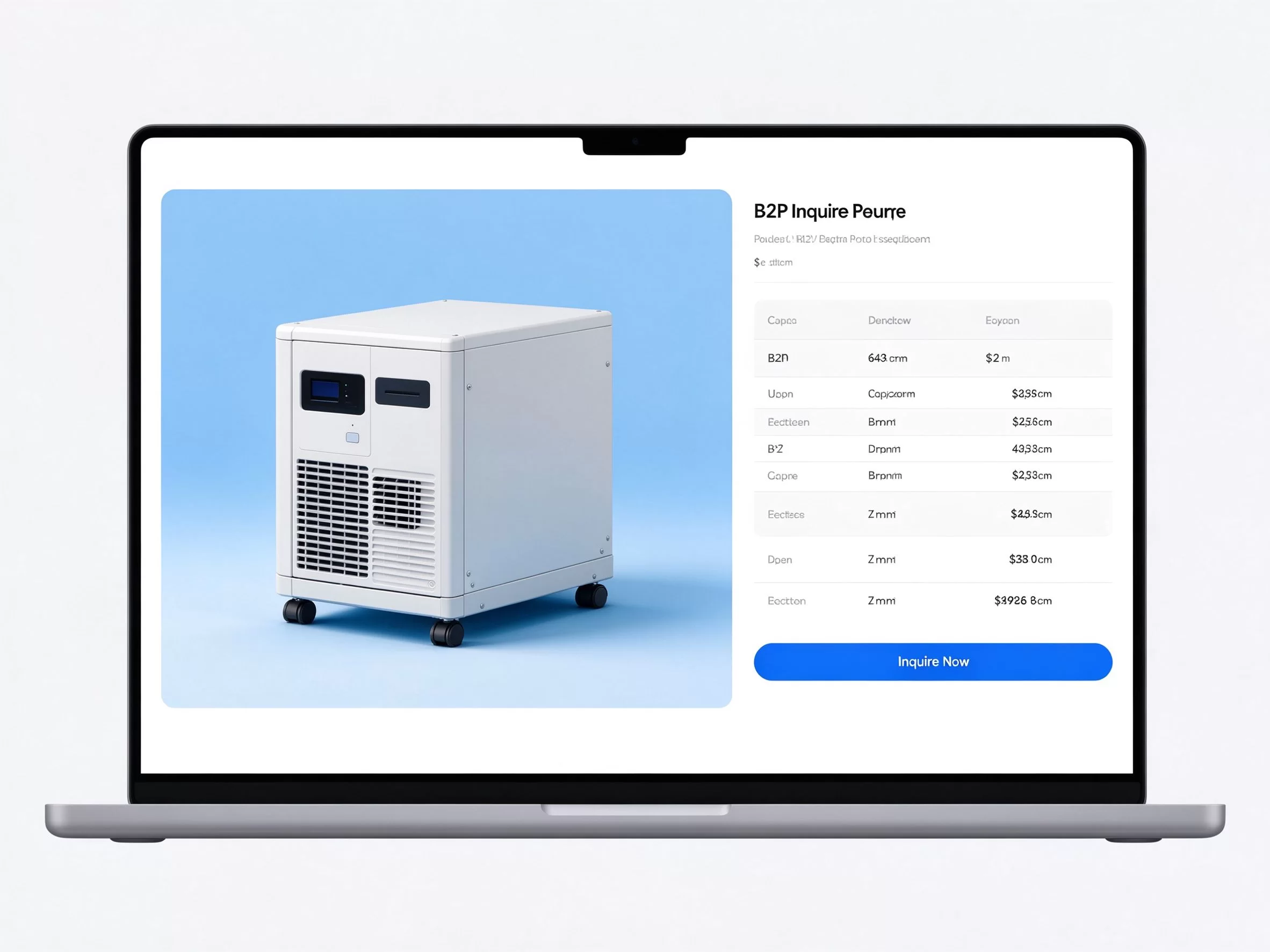
How to write a WordPress product page that will make overseas buyers want to send inquiries?
2026-10-28

How to fix WordPress form emails not sending: Practical WP Mail SMTP configuration
2026-10-27
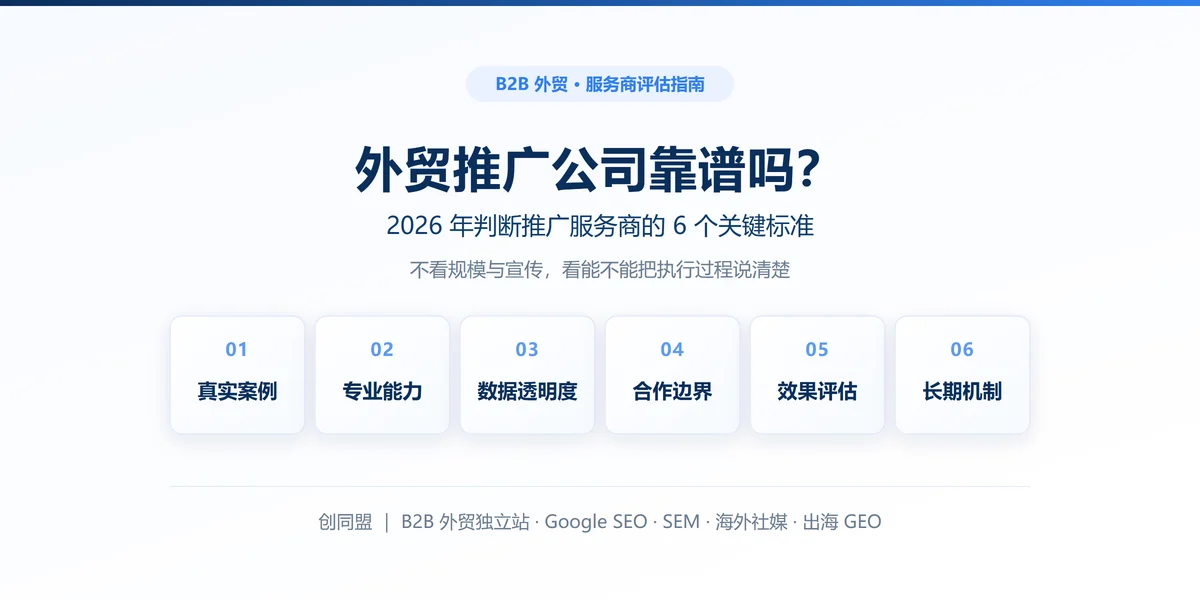
Are foreign trade promotion companies reliable? Six key criteria for businesses to judge promotion service providers in 2026.
2026-10-26
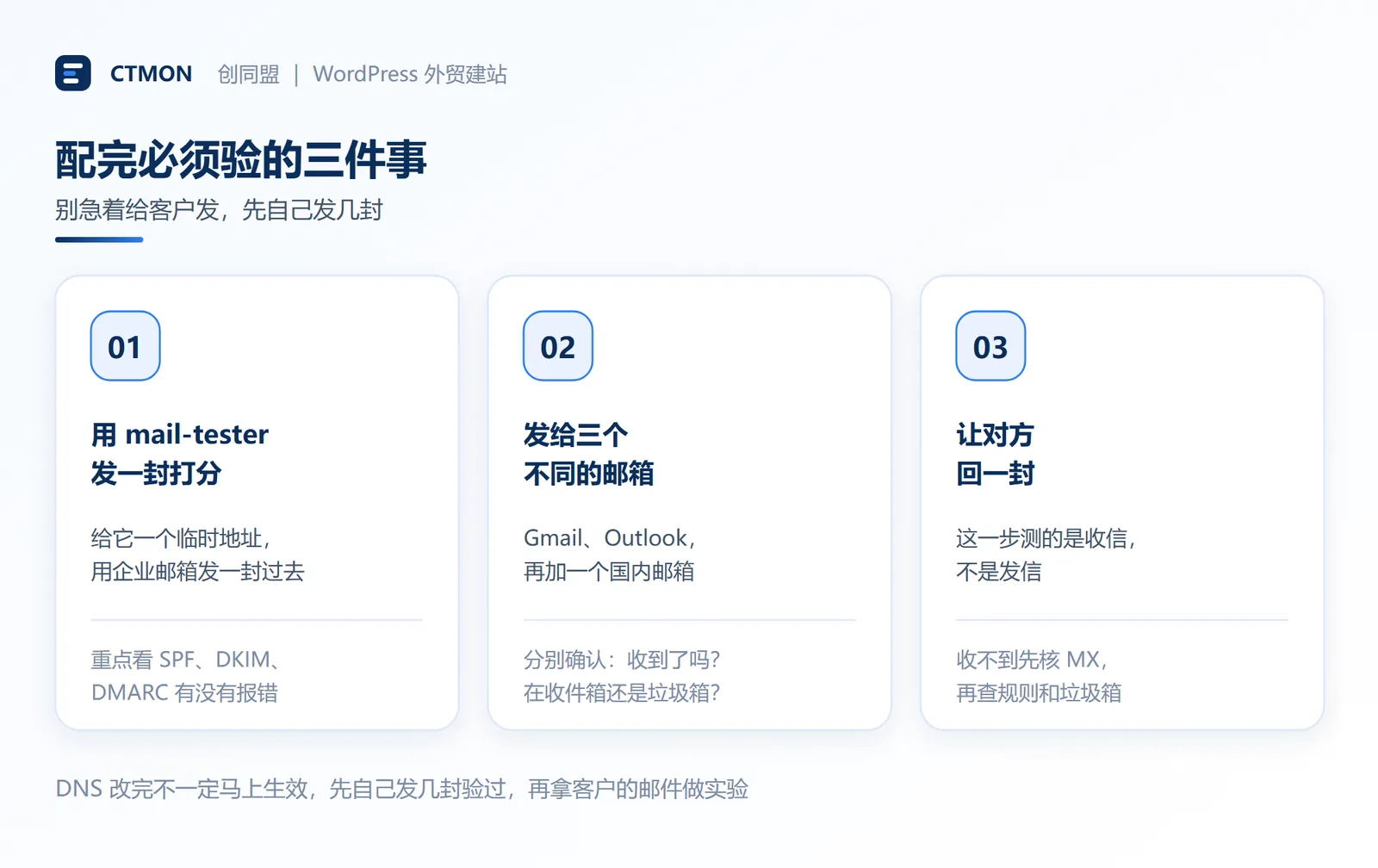
How do I set up an email account for export businesses? How can I configure it to avoid it ending up in the spam/junk mail folder?
2026-10-26
Related Articles
Are foreign trade promotion companies reliable? Six key criteria for businesses to judge promotion service providers in 2026.

The 140th Canton Fair Opens: How can export businesses seize overseas sourcing opportunities through digital marketing?

How to Choose an Overseas Promotion Company for Foreign Trade? 2026 Service Provider Selection Criteria and Evaluation Guide
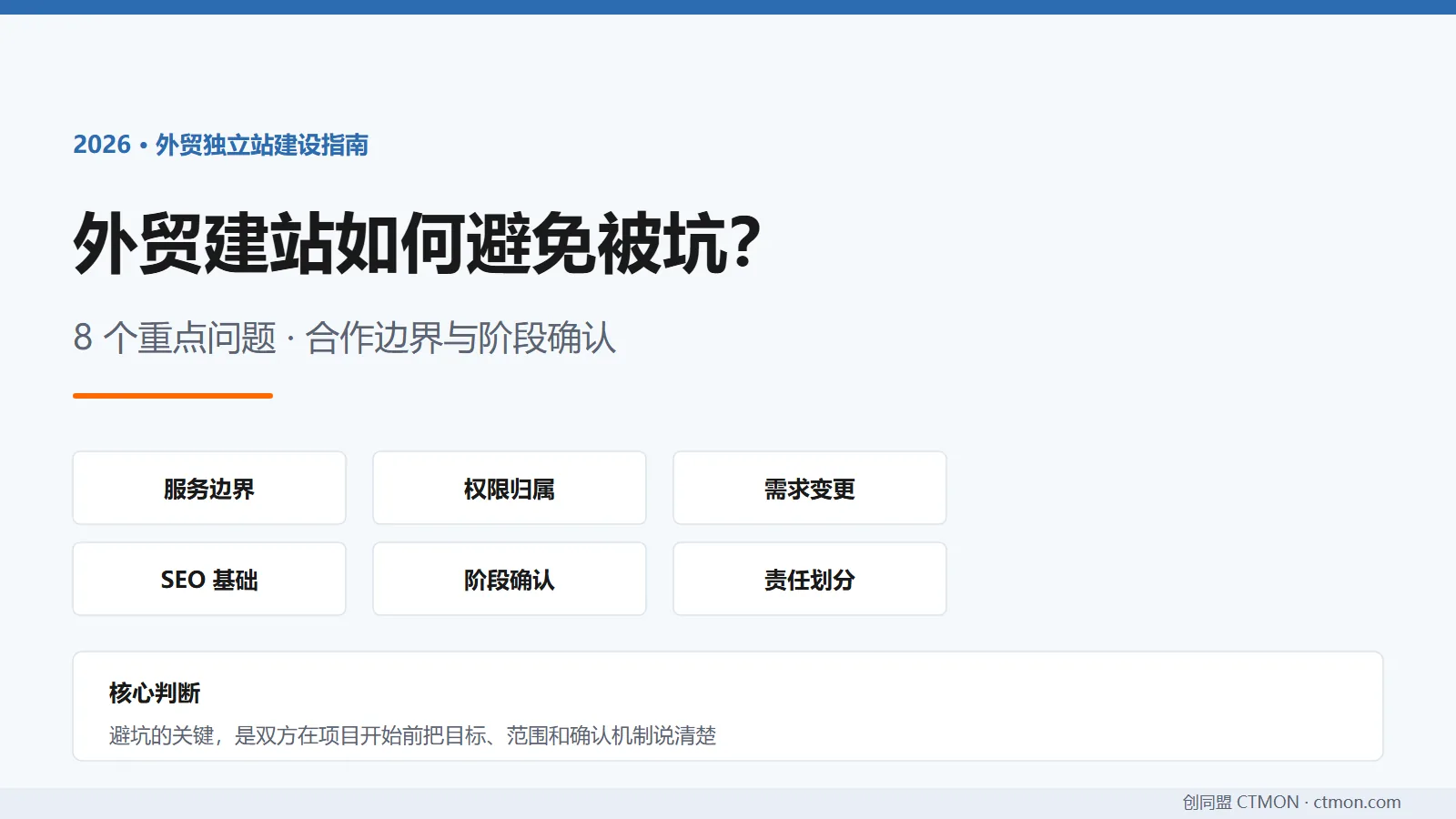
How to avoid pitfalls when building a B2B export website? A guide to avoiding common mistakes in B2B export website development in 2026.
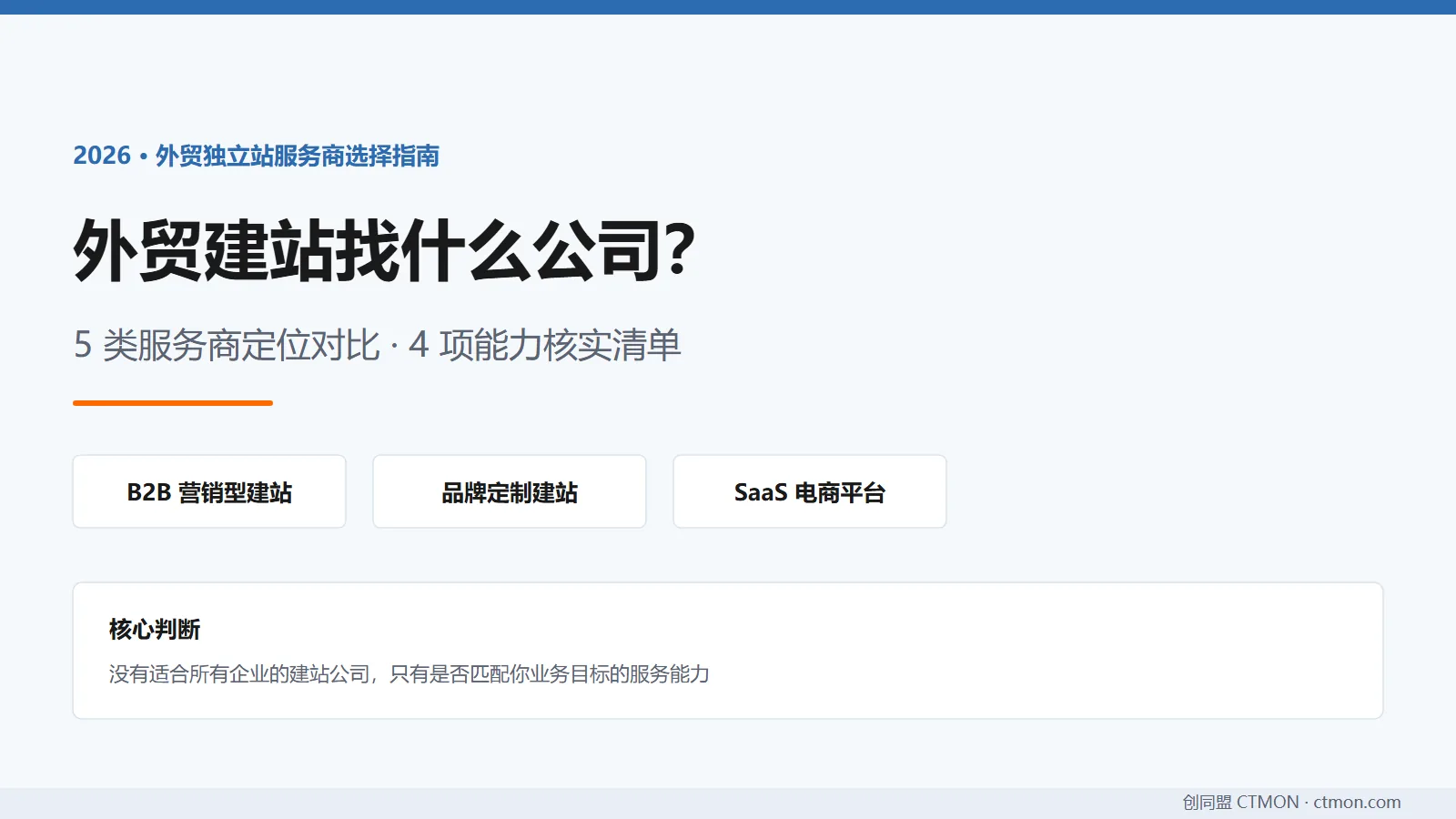
Which company should I choose for building a B2B export website? A comparison and recommendation of B2B export website service providers in 2026.

