Contents +
Use a sales-oriented mindset for business website SEO marketing; don't get misled by process numbers!
Source: 创同盟
Date: 2026-06-12
Views: 531
When my understanding was limited, I started doing business website SEO from the wrong direction. When I thought of SEO, the first things that came to mind were: number of indexed pages, keyword ranking, backlinks, website authority, traffic, number of articles, update frequency…
Are these things important? Of course they are. But the problem is, they are not the end point for business website SEO.
A business website is not a content charity platform. Especially for foreign trade, B2B, factory-type enterprises, and manufacturing brand websites, the core value of a business website has never been "good traffic," but rather: to generate effective traffic and create inquiries and orders. To put it more directly: getting inquiries to take off is the core goal of business website SEO.
If you've been doing SEO for six months, your website traffic has increased, you've published hundreds of articles, and your keywords have improved, but your inquiries haven't changed, and you haven't even noticed any significant improvement on the sales side, then this SEO strategy and action is most likely "looking like you're working hard," but "actually ineffective."
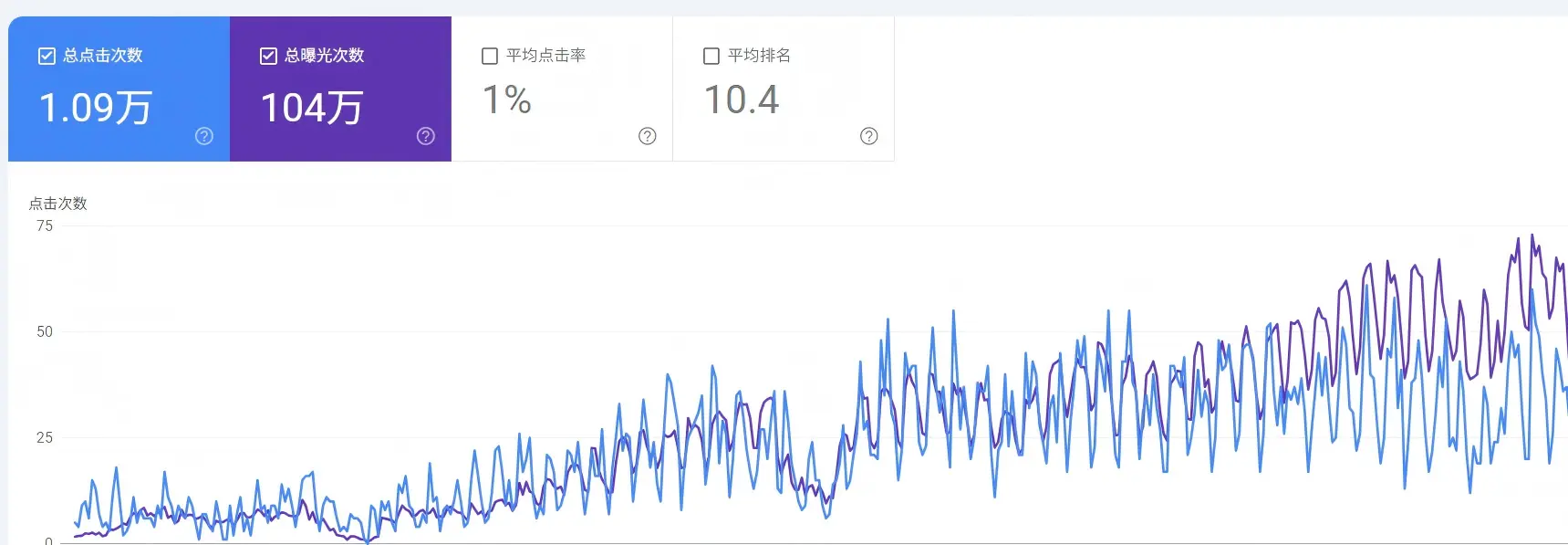
1. The biggest pitfall in business website SEO: Treating the "process" as the "result".
Why do so many people get misled? Because SEO is done extensively, and operators subconsciously believe that doing it will yield results. However, inquiry results are often delayed, and many "process metrics" that can be perceived and experienced in the near future are treated as process data in reporting. For example:
Today, we added dozens more pages to the index, a certain keyword entered the top 20, organic traffic increased by 30% month-over-month, the newly published blog had good click-through rates, and total website exposure hit a new high. These numbers give the team a great sense of accomplishment. When the boss looks at the reports, he also feels, "It seems like we're growing."
But the real problem is:
Are these growth figures and the increase in inquiries actually related? If not, then it's just a lot of noise in the process, but anxiety about the outcome. It's like opening a store where more and more people come in, the store entry rate is good, and even many people take photos and check in, but no one makes a purchase.
Can you say this store is well-run? No.
The same applies to business website SEO. The value of SEO lies not in how many people you bring to your website, but in whether the people you bring are the right ones; and whether those people understand, trust, and are willing to contact you. Therefore, the evaluation logic for business website SEO must be changed.
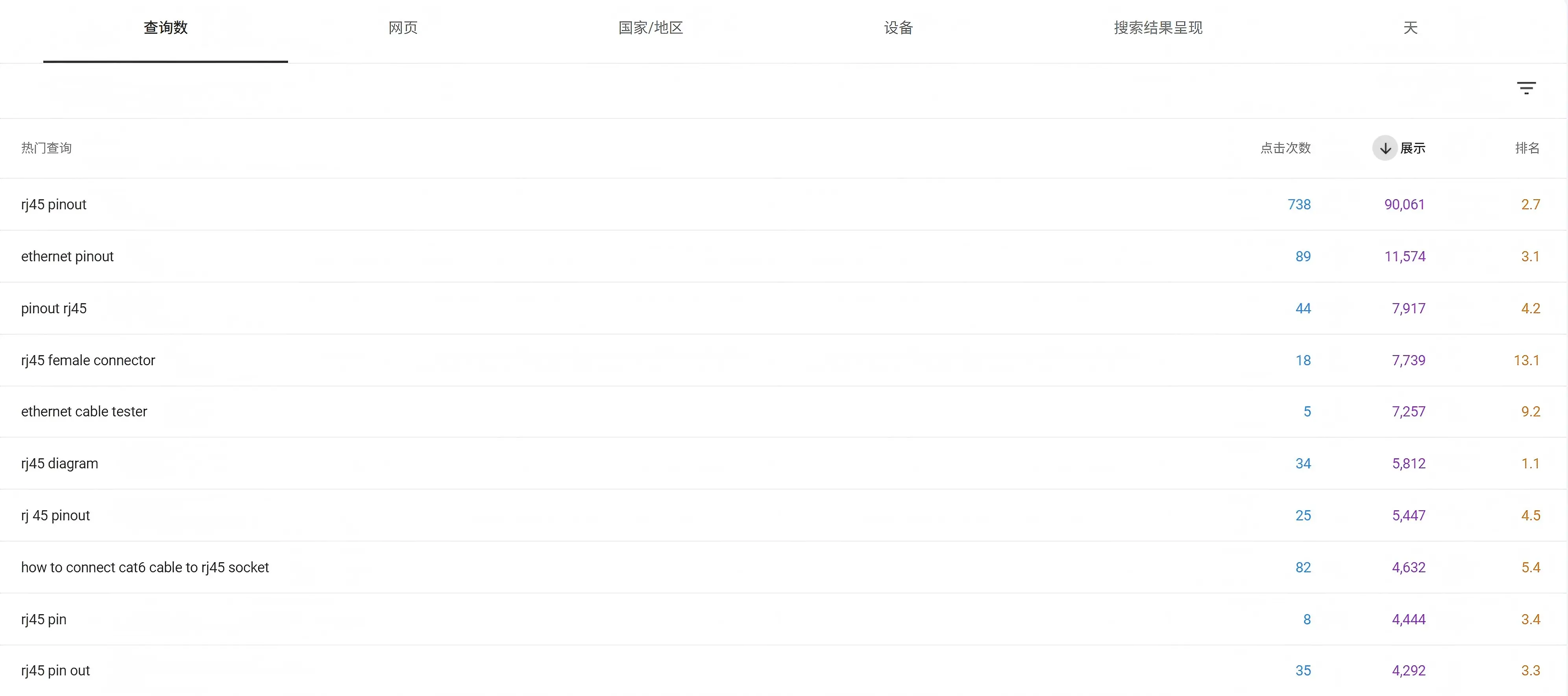
Second, SEO without an increase in inquiries is most likely just wishful thinking.
Many SEO efforts appear to be extensive, but in reality, they are merely going through the motions.
The most typical situations:
1. Focusing solely on broad keywords while ignoring the actual purchasing intent.
Many people prefer to target broad industry keywords and broad information keywords, thinking that high search volume makes them look prestigious. However, the problem is that broad keywords are often highly competitive, have long search cycles, and attract scattered user intent.
For example, a user searching for a basic industry concept might be a researcher, a peer, a report writer, or even just browsing casually. Even if this kind of traffic is high, it doesn't necessarily generate inquiries. What's truly valuable are usually those keywords with a clear commercial intent, such as:
product+supplierproduct+manufacturerOEM/ODM
Wholesalecustomapplicationsolutionindustryusecase
certification/specificationrelatedqueries
These types of keywords may not have as much search volume, but the users who come to them are often closer to making a purchasing decision. SEO is not about choosing the most popular keywords, but about choosing the keywords that are most likely to generate inquiries.

2. I've written a ton of blog posts, but my product pages are a complete mess.
Many websites update their content frequently, posting one blog after another, but the pages that should actually generate sales—product pages, category pages, application pages, and solution pages—are filled with perfunctory content, resulting in a terrible visual appeal and user experience.
You will see a page like this:
The title is vague; product parameters are incomplete; image quality is mediocre; certification information is missing; application scenarios are unclear; FAQ is missing; delivery time, MOQ, and customization capabilities are not mentioned; the page lacks a clear CTA; even the "Inquire Now" entry is not prominent enough.
Even if a page like this has a ranking, it's difficult to convert users into paying customers. Customers aren't there to see if you "have a website"; they're there to determine "whether we can cooperate."
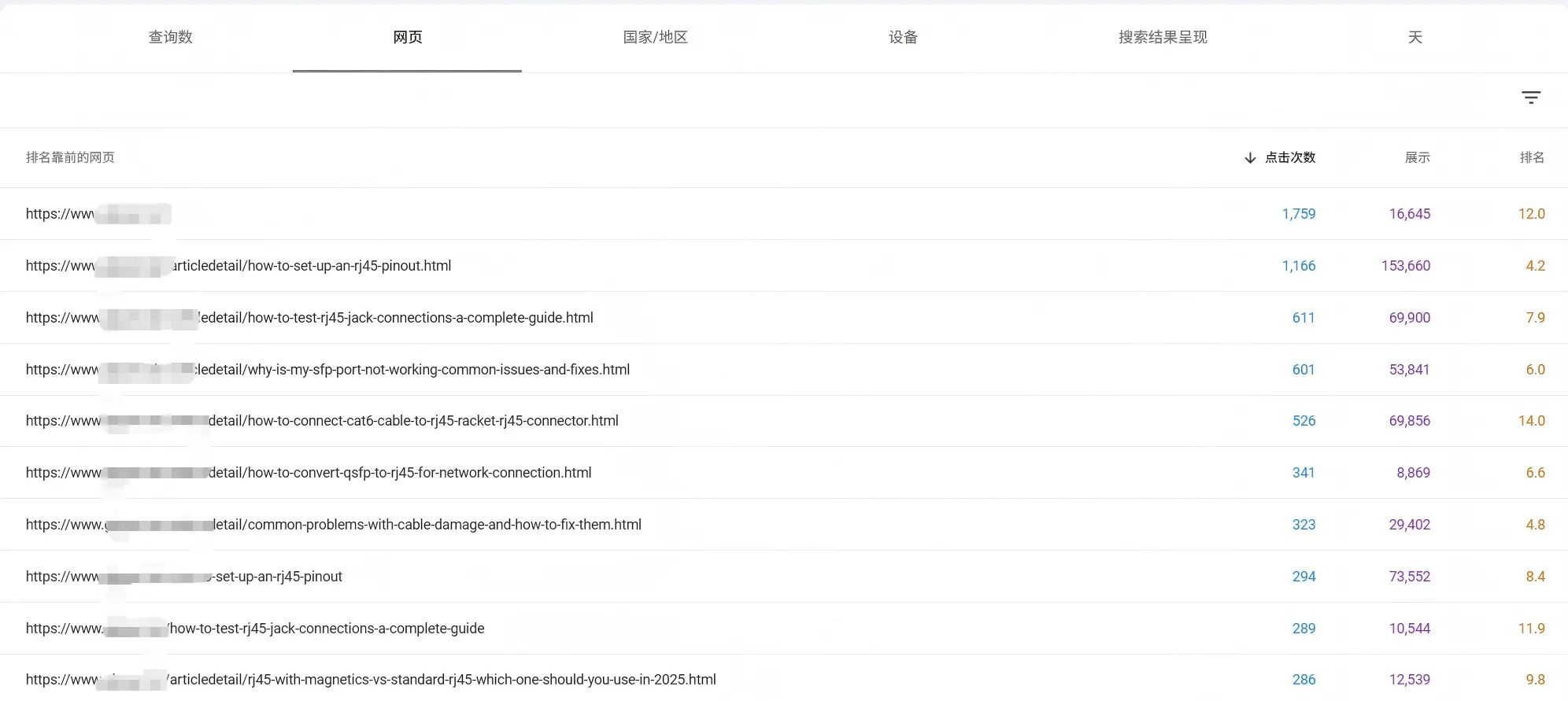
3. Only considering search engines, ignoring purchasing decisions.
Much of the content is clearly "written for search engines," not "written for clients."
The page is cluttered with keywords, but the sentences are nonsensical. It's lengthy, but none of the content truly addresses the customer's concerns. The content appears professional, but lacks the information density needed for a successful purchasing decision.
What are buyers looking at?
Are you a professional supplier? Can you deliver reliably? Do you have relevant experience? What clients or case studies have you worked with? Are your product standards, materials, processes, and certifications clearly defined? Is your response process convenient? Are you worthy of initiating an initial contact? If your page cannot answer these questions, even if your SEO content is highly "compliant," it will be difficult to generate inquiries.
Third, business website SEO really needs to revolve around "inquiries".
Many people ask, how exactly should business website SEO be done to avoid going astray? It's very simple, just reverse your thinking.
Don't start with "How many keywords do I need to target?", but rather with "What kind of customers are most likely to send inquiries?"
In other words, SEO should not start by thinking "how to get traffic," but by thinking "how to get inquiries."
The correct approach should be:
Who is the target customer? What will they search for? What pages will they be willing to stay on? What information do they need before they will contact you? How do we lay out this path? This is the proper way to do SEO for a business website.
First, prioritize the layout of pages with commercial intent.
The most important pages for a business website to prioritize are usually not the blog, but rather the following pages:
Product Page, Product Category Page, Application Scenarios Page, Industry Solutions Page, Customized/OEM/ODM Page
Case Studies Page, Certification & Quality Control Page, About/Factory Page, FAQ Page, Contact Us/Inquiries Page
These pages are not "auxiliary pages," but rather the core assets that support inquiries.
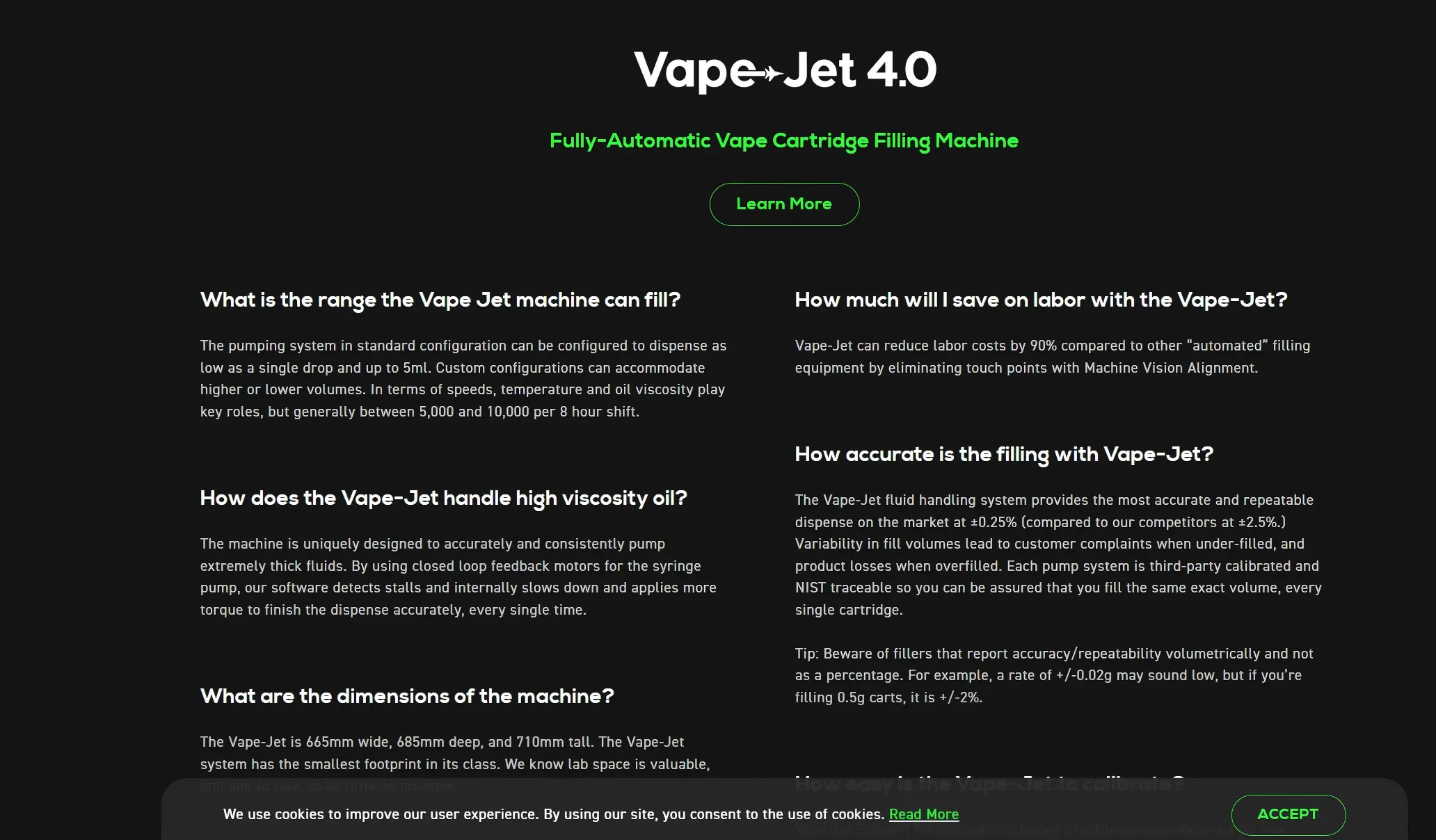
A good product page is not just about introducing the product's name, but about helping customers quickly make a judgment:
"Is this the product I need?" "Is this company reliable?" "Is it worth sending me inquiries?"
Second, the content was not released to cause traffic congestion, but to drive decision-making.
Many people create content focusing on quantity, because quantity can increase keyword count and traffic. But truly effective content is content that "drives inquiries" and powerfully supports the EEAT closed loop.
What does it mean to advance inquiries? It means gradually reducing customers' concerns, increasing their trust, clarifying their needs, and making them more willing to leave their contact information while they are browsing content.
Therefore, the value of content lies not in how much you write, but in whether it accomplishes these things:
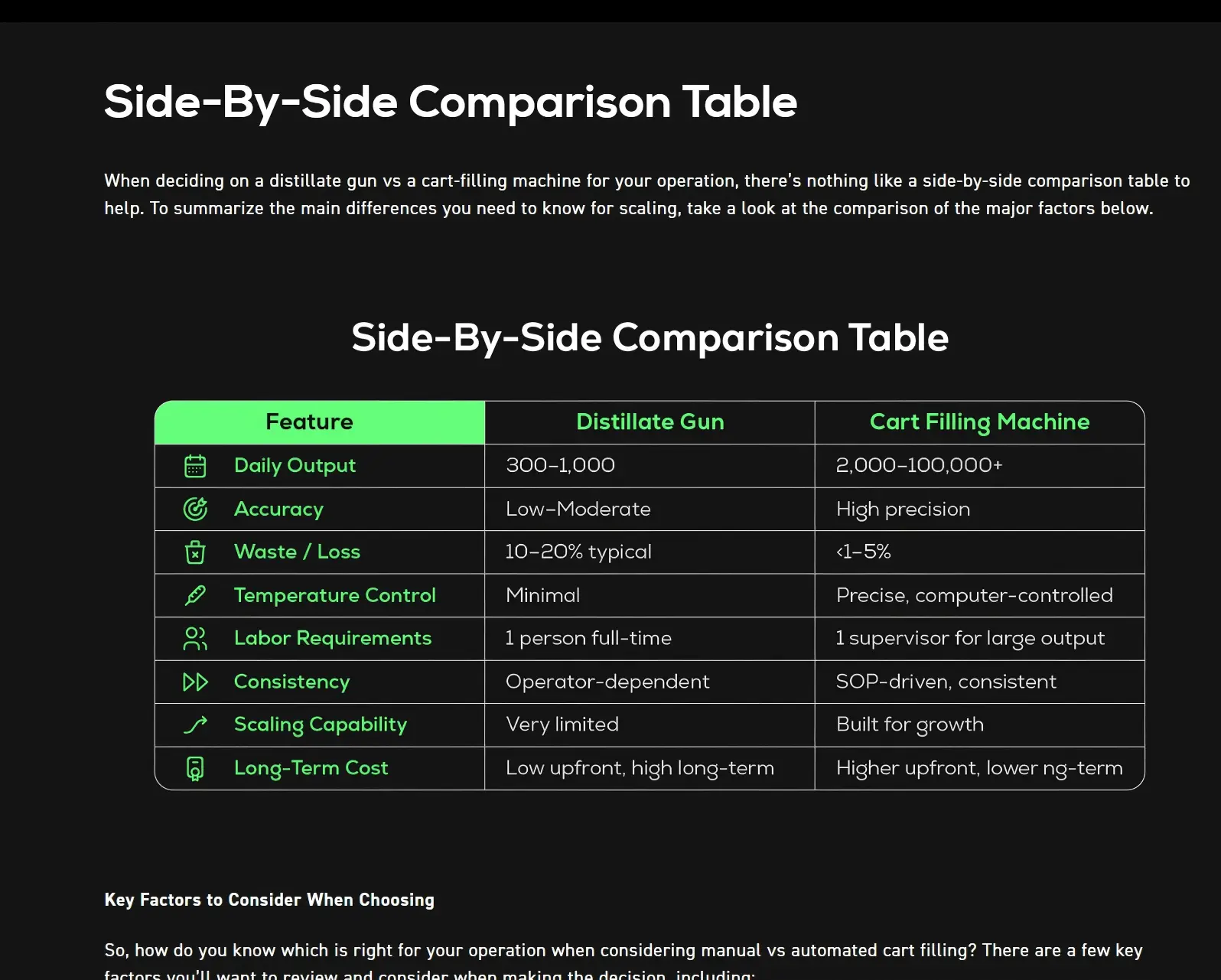
Answering common customer questions, demonstrating professionalism, explaining product differences, telling customers why they should choose you, eliminating purchasing risks, and providing clear next steps—this is what constitutes "conversion-valuable" SEO content.
Third, embed conversion thinking into SEO pages.
For most B2B websites, SEO and conversion should be integrated.
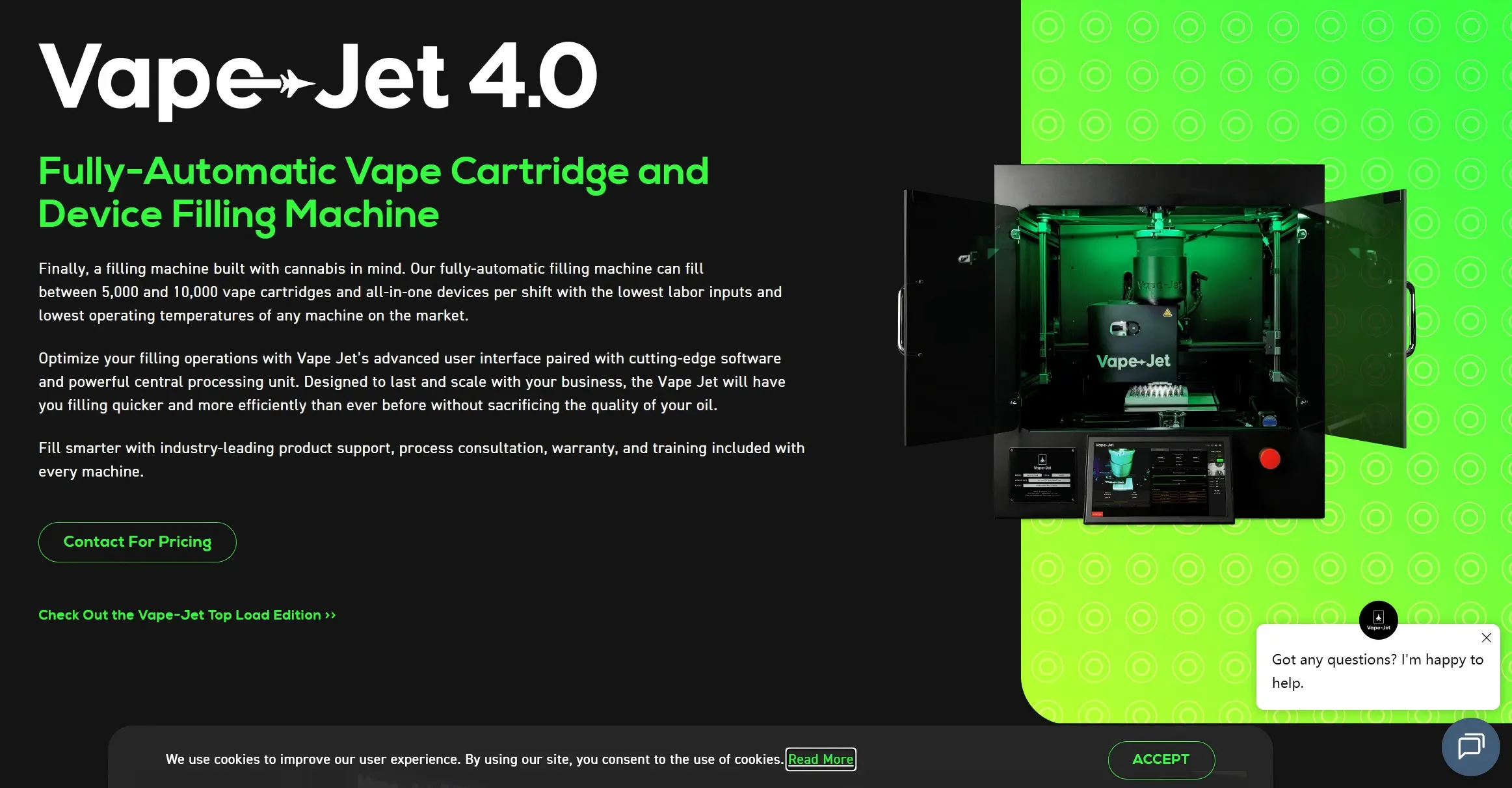
A page that truly generates inquiries should possess: clear keyword targeting and a well-defined page structure.
Persuasive content design, sufficient elements of trust, clear calls to action, and form design that lowers the barrier to entry for providing leads.
In other words, traffic and ranking are the tickets, conversion is the result. It's not enough to just bring users to the website; there must also be pages to fulfill their needs and convert them into paying customers.
IV. The criteria for judging the SEO of a business website should only include these few.
To determine whether an SEO project is good or not, don't be fooled by how popular it is; just see if it can answer the following questions:
First, is the traffic information accurate? Are the visitors actually potential customers, or just a bunch of irrelevant visitors?
Second, is the page engaging enough? Once customers enter, can they quickly understand your product and advantages, and are they willing to continue reading?
Third, will the customer take action? Will they click on inquiries, submit forms, send emails, contact via WhatsApp, or download materials?
Fourth, how high is the quality of the inquiries? Are there genuine needs and purchasing potential, rather than just a bunch of low-quality junk leads?
Fifth, can the SEO strategy continuously generate business opportunities? It's not about a chance increase in a particular month, but about whether a stable source of inquiries has been established.
If you can't answer these questions, then your SEO skills are probably still stuck in the "working hard" stage.

What does international social media management service include? 2026 Guide to Social Media Management for Export Businesses
2026-10-28
How to write a WordPress product page that will make overseas buyers want to send inquiries?
2026-10-28

How to fix WordPress form emails not sending: Practical WP Mail SMTP configuration
2026-10-27
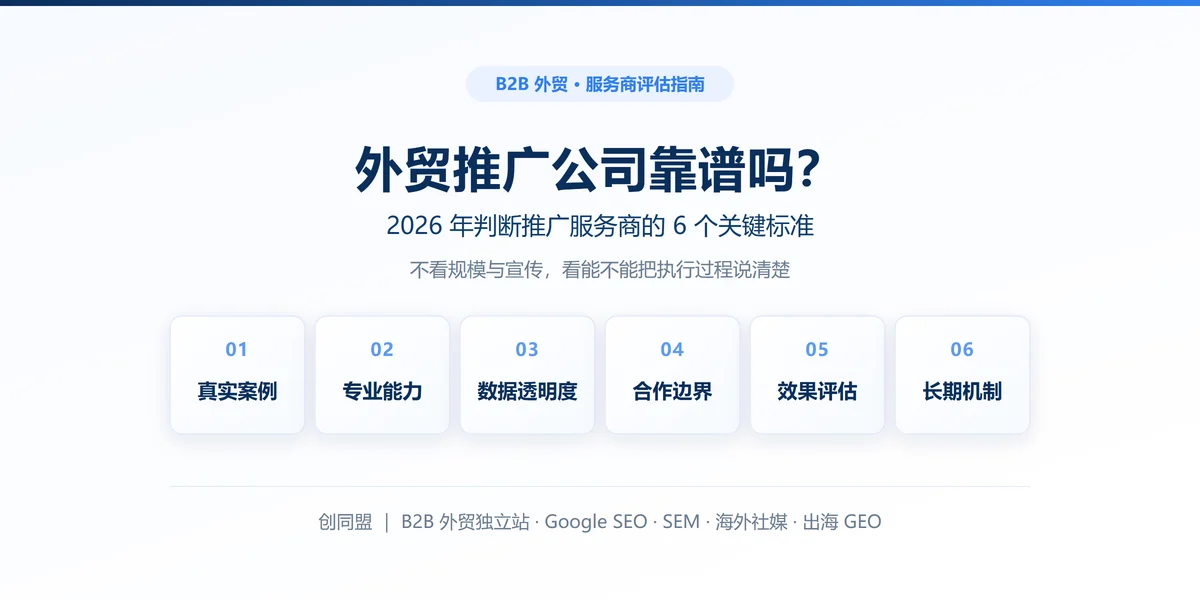
Are foreign trade promotion companies reliable? Six key criteria for businesses to judge promotion service providers in 2026.
2026-10-26
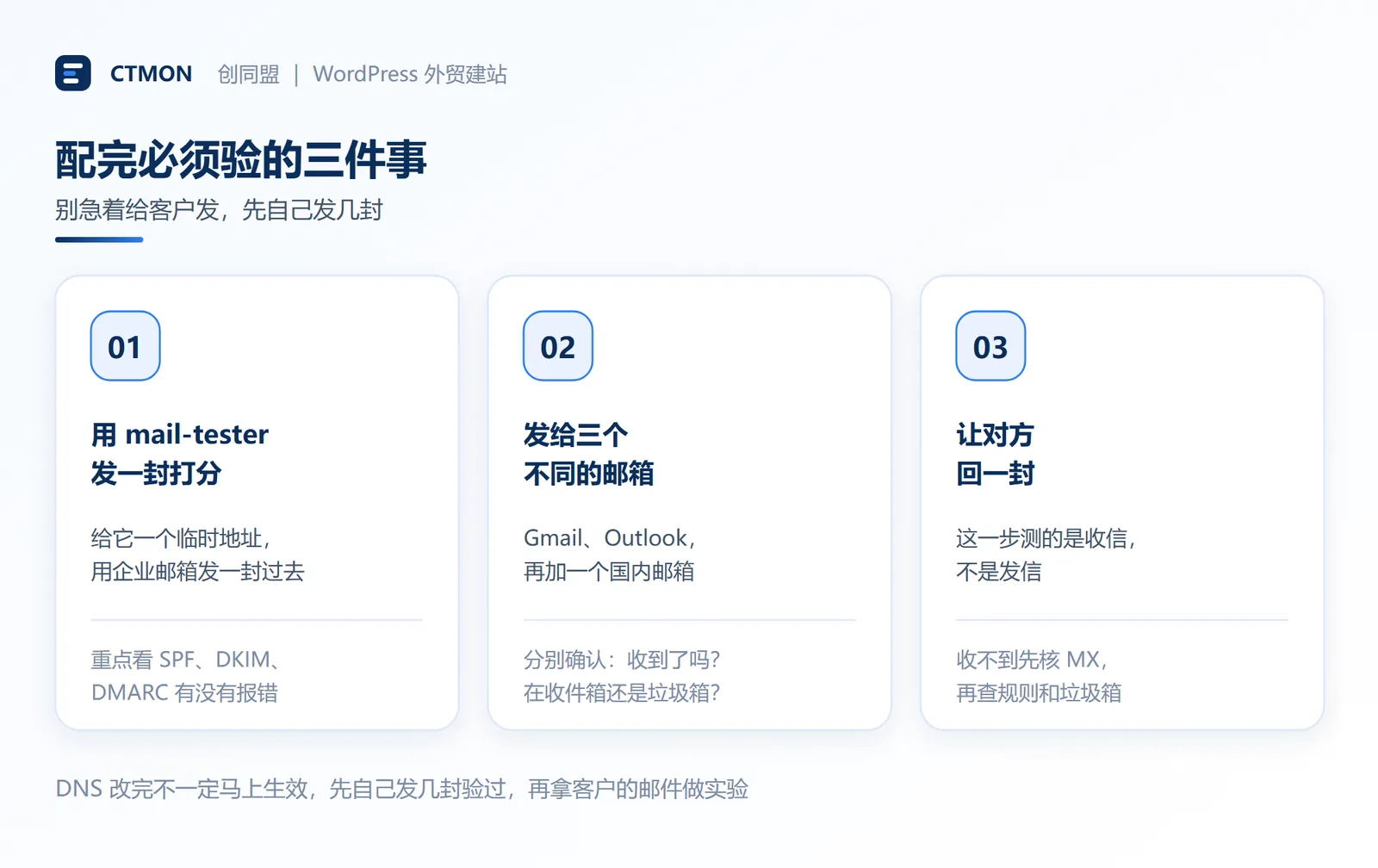
How do I set up an email account for export businesses? How can I configure it to avoid it ending up in the spam/junk mail folder?
2026-10-26
Related Articles
What are the differences between Google SEO and Google Ads? Which should B2B export businesses do first?
2026 Shenzhen Google SEO Optimization Company Recommendations: Service Provider Comparison and Selection Guide
How to improve Google rankings through SEO optimization for international trade? 7 practical methods and steps.

Recommended Shenzhen B2B export website operation company: How to choose a suitable international lead generation service provider for your enterprise?

Why is the Google ranking of Shenzhen export businesses' business websites not improving?

