Contents +
How can Google SEM and SEO be combined for the best results?
Source: 创同盟
Date: 2026-06-23
Views: 829
To achieve the best results from combining Google Ads (SEM) and SEO, use SEM for speed and validation, and SEO for long-term, low-cost traffic. Then, use the same set of keywords, landing pages, and conversion data to drive iterations on both sides. A crucial premise is that investing in Google Ads will not directly improve organic rankings. Google has explicitly stated that ad campaign management and organic rankings are separate, so the focus of collaboration should be on data and strategy, not "paying to boost rankings."
The best practice is to link Google Ads with Search Console, so you can see both Ads ad performance and GSC organic search performance together. Also, in GA4, you can see the contribution of different channels in the conversion path, instead of just focusing on the last click. This way, you can determine whether a particular keyword should rely on SEM or shift towards in-depth SEO efforts.
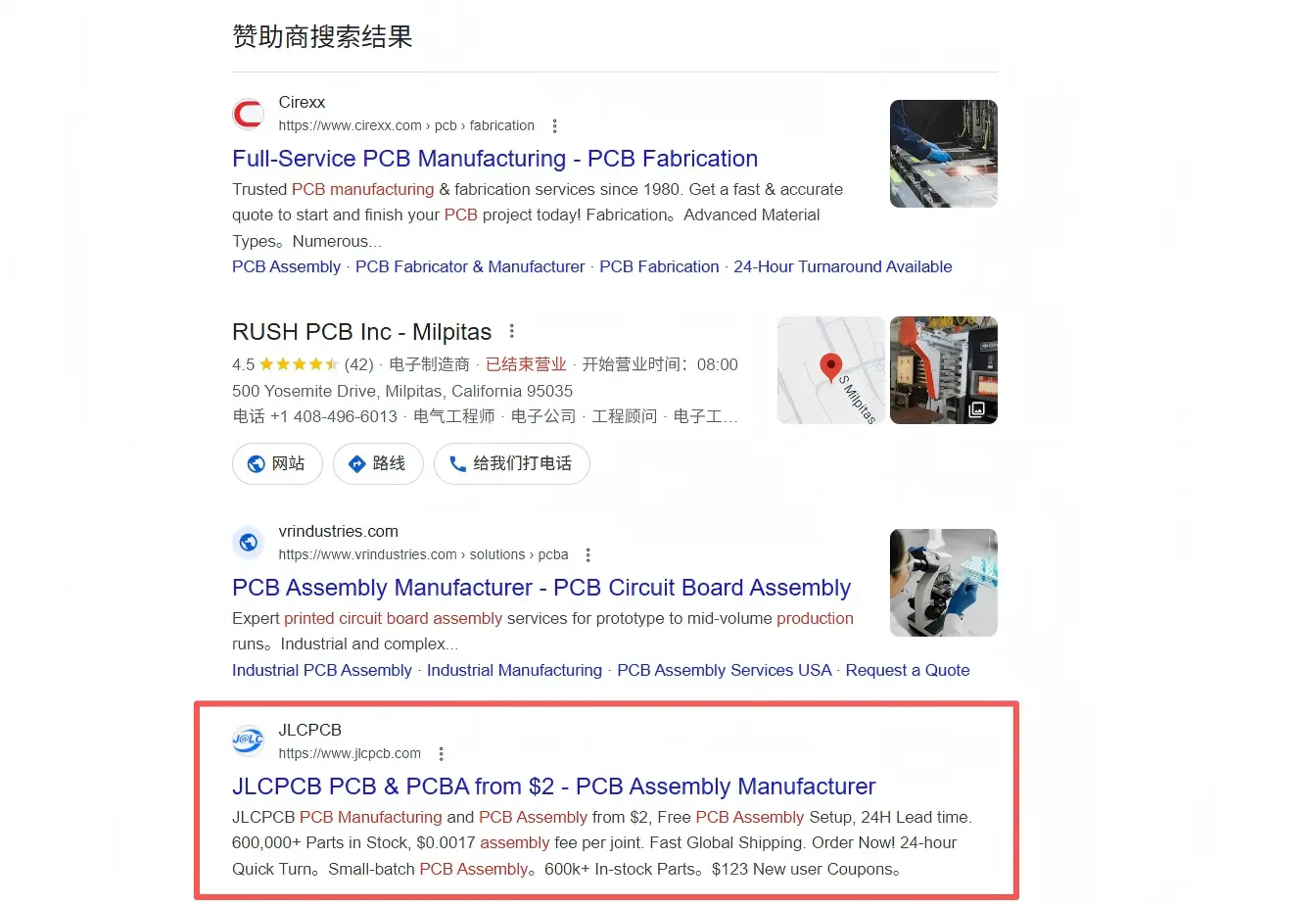
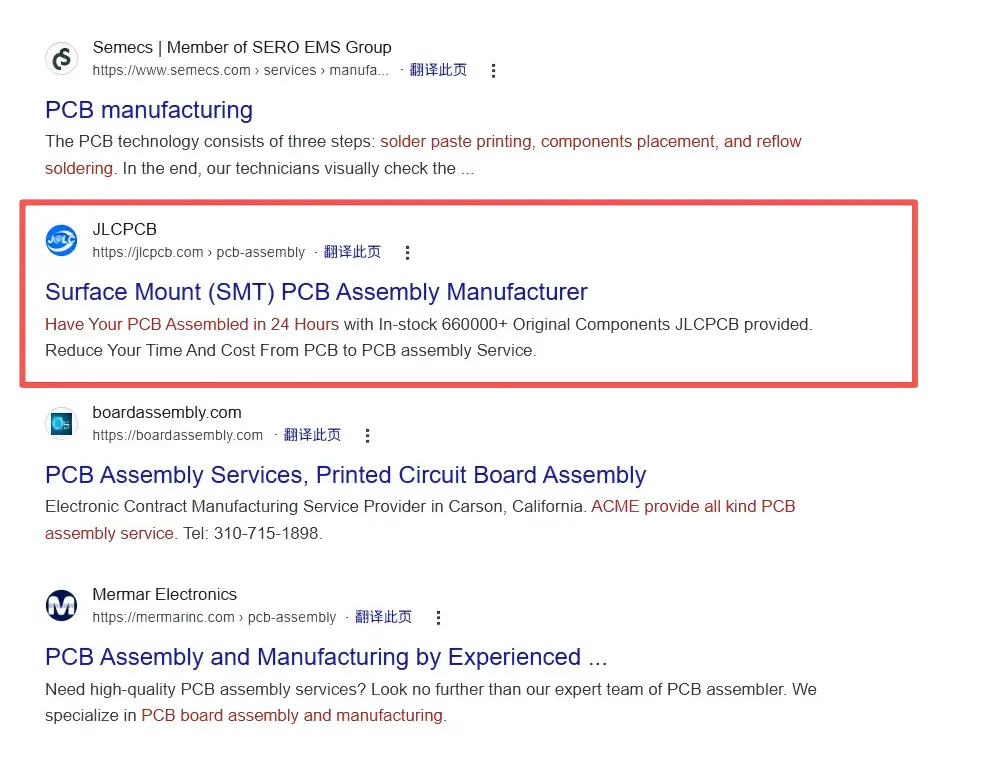
I. Optimize based on keyword intent for complementary effects
Brand keywords : SEO ensures stable organic traffic acquisition for the official website, brand page, and core product pages; SEM is used for brand defense.
Commercial intent product keywords: such as "price," "quote," "purchase," and "service provider." Both SEM and SEO should be used. SEM should focus on acquiring traffic and conversions, while SEO should focus on aggregation pages, case study pages, and comparison pages.
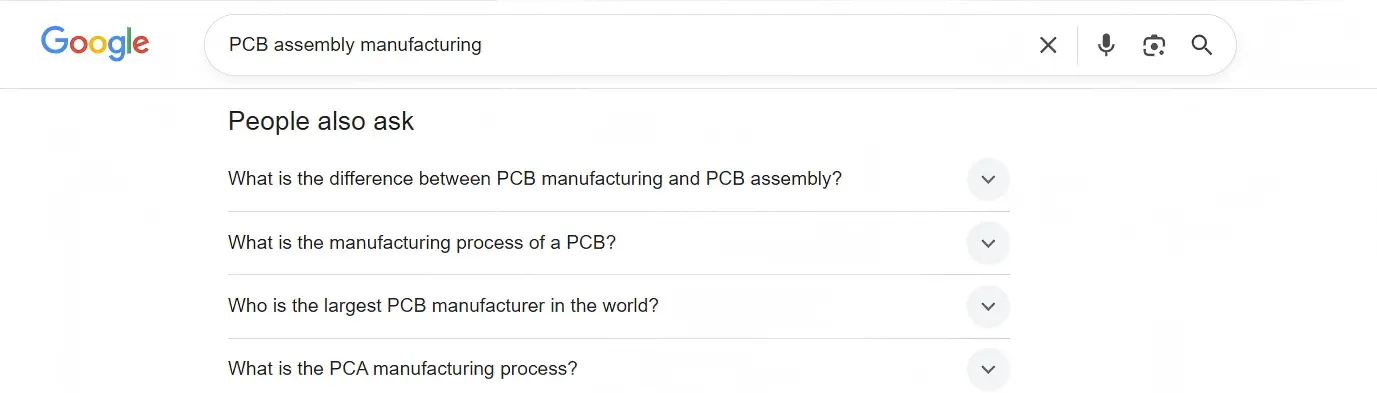
Informational long-tail keywords, such as "how to choose," "differences," "tutorials," and "best practices," have high traffic volume and long decision-making chains, making them more suitable for long-term organic traffic accumulation through SEO.
New product/new market keywords: First, use SEM to test keywords, copy, and landing pages, then refine the high-conversion materials found on the SEO pages.
Google Search has consistently emphasized that the foundation of SEO is enabling search engines to understand content and making it easier for users to decide whether to visit your website. Meanwhile, page experience, Core Web Vitals, mobile usability, and HTTPS all impact overall search performance. In other words, for the same high-value keyword, ad pages and organic pages should ideally serve the same intent, differing only in the depth of conversion. However, this doesn't mean B2B export websites are suitable for ad campaign management . Consider this question: "Why use separate landing pages for ads instead of an SEO-compliant B2B export website?"
Simply being an "SEO-compliant B2B export website" isn't enough. Advertising pages emphasize consistency across the "keywords-ads-pages-CTAs," which is the core of the advertising algorithm. The optimal solution is usually a clear-cut page system within the main website domain that serves both SEO and advertising purposes, rather than trying to dominate everything on the homepage or creating a completely separate site. This aligns with Google's requirements for landing page experience, target page accessibility, and unique value.
Note: A separate advertising landing page is only necessary when a B2B export website's pages are too comprehensive, the conversion path is too long, and localization is insufficient.
II. Using SEM to "feed data" to SEO. There are three most common approaches:
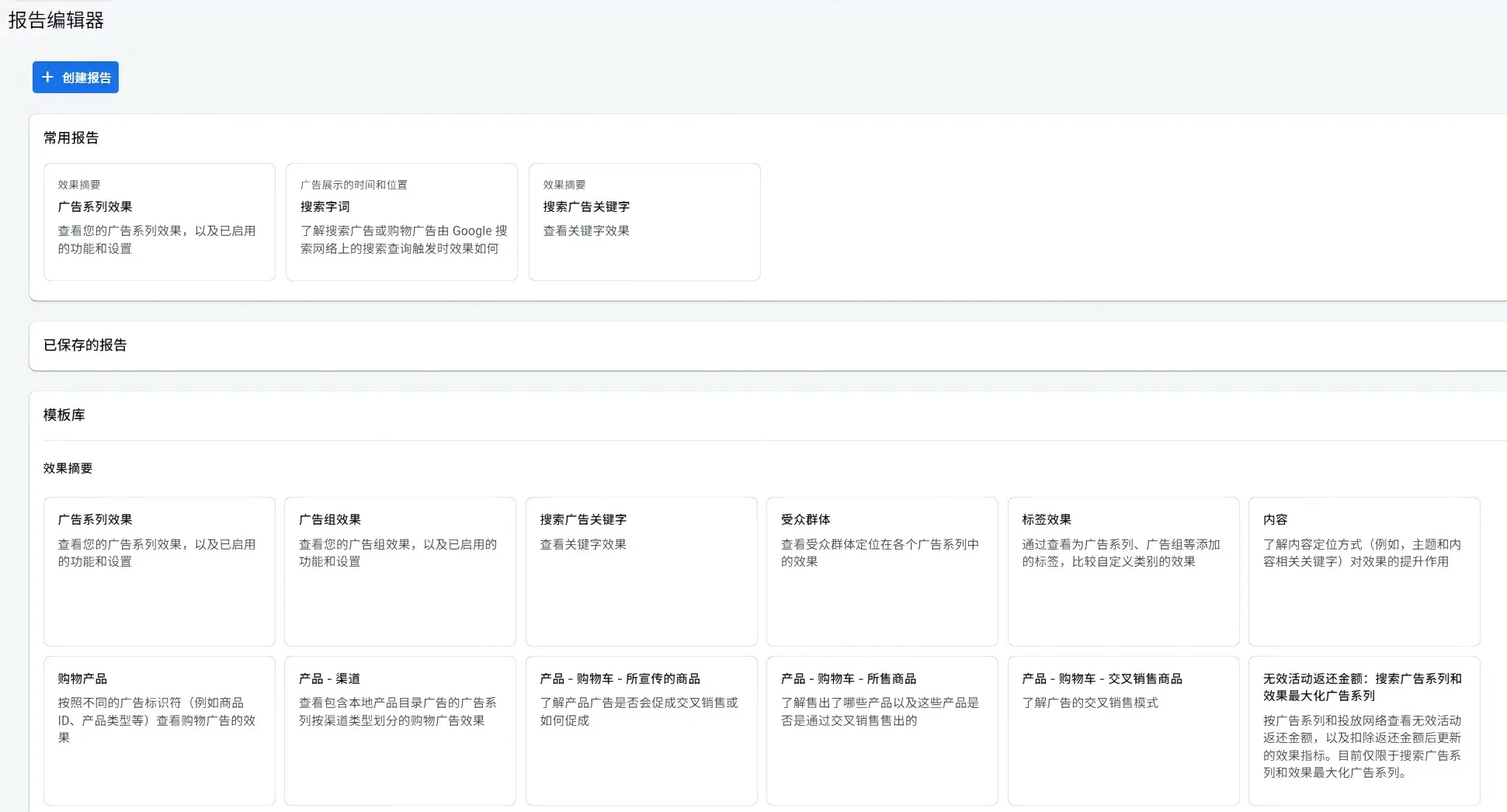
a. Search term report: How do real users search? Use these terms to improve "title, H1, FAQ, case study page, comparison page".
b. Test the user selling points in the advertising copy, and apply the high-click and high-conversion expressions to the "SEO title" and "summary ideas".
c. For keywords with high conversion rates but weak organic traffic in SEM, prioritize creating SEO-optimized pages and implementing SEO optimization strategies.
III. How to reduce SEM costs using SEO?
When keywords have stable exposure and clicks, use the "Paid & Organic" report to determine whether SEM is still bringing significant incremental growth or if it overlaps with organic traffic. If organic results account for a high percentage and advertising growth is not significant, you can cautiously reduce the budget and shift it to keywords that "haven't yet taken off in SEO but have high commercial value."
IV. In terms of content strategy, Google Search Central emphasizes:
With Google's AI search experience, users will ask longer, more specific, and follow-up questions. Therefore, content needs to be more "informative" rather than just templated content pages. For SEM+SEO collaboration, SEM is responsible for quickly capturing high-intent short keywords, while SEO needs to fill in the mid-to-late stage decision-making content and long-tail Q&A content, such as "the difference between it and X", "what scenarios it is suitable for", "how much does it cost", and "how long is the implementation period".
If you want to achieve "optimal results," don't look at KPIs in isolation. Don't just look at SEM CPA, and don't just look at SEO rankings. A more practical approach is to look at these four combined metrics: look at total search visibility for branded and non-branded keywords separately; look at total conversions and lead generation cost by keyword intent; and look at the incremental effect when paid and organic keywords appear together.
V. Conclusion:
Best practice formula = SEM keyword testing/copy testing/targeting high-intent traffic + SEO for long-term content assets/organic reach + unified attribution across Google Ads/Google Search Console/GA4.
The most important thing is to first use SEM to find "what marketing materials can attract user inquiry conversion", and then use SEO to solidify the effect of these keywords and related materials.

What does international social media management service include? 2026 Guide to Social Media Management for Export Businesses
2026-10-28

How to write a WordPress product page that will make overseas buyers want to send inquiries?
2026-10-28

How to fix WordPress form emails not sending: Practical WP Mail SMTP configuration
2026-10-27

Are foreign trade promotion companies reliable? Six key criteria for businesses to judge promotion service providers in 2026.
2026-10-26

How do I set up an email account for export businesses? How can I configure it to avoid it ending up in the spam/junk mail folder?
2026-10-26
Related Articles
What are the differences between Google SEO and Google Ads? Which should B2B export businesses do first?
2026 Shenzhen Google SEO Optimization Company Recommendations: Service Provider Comparison and Selection Guide
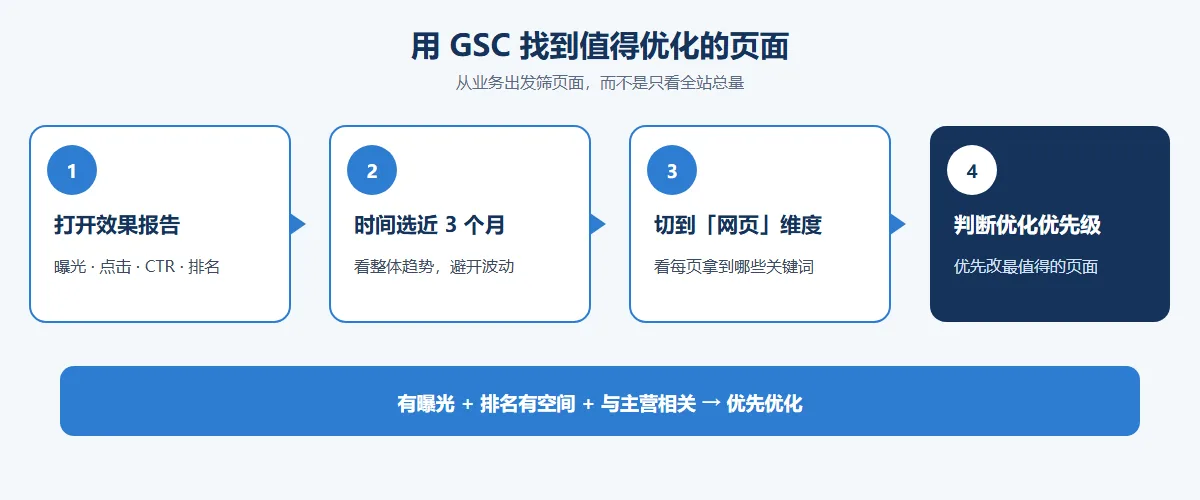
How to improve Google rankings through SEO optimization for international trade? 7 practical methods and steps.

Recommended Shenzhen B2B export website operation company: How to choose a suitable international lead generation service provider for your enterprise?

Why is the Google ranking of Shenzhen export businesses' business websites not improving?

