Contents +
When should you build a B2B export website? Don't rush into building one in these three situations.
Source: 创同盟
Date: 2026-09-03
Views: 839
"Our competitors have all built business websites, should we do the same?"
Behind this question lies a bigger pitfall— building a website itself isn't difficult; the challenge lies in making it usable after completion . There's a consistent consensus in the industry: the most common mistake beginners make isn't building too late, but rather rushing to build before their business is fully defined. The result is a neglected website with zero inquiries, wasting both website building and promotion costs.
Let's start with the conclusion: Don't build the site if any of the following three conditions are met. Getting the business running smoothly before building the site will actually lead to faster results.
I. Why "early construction" might actually be a pitfall
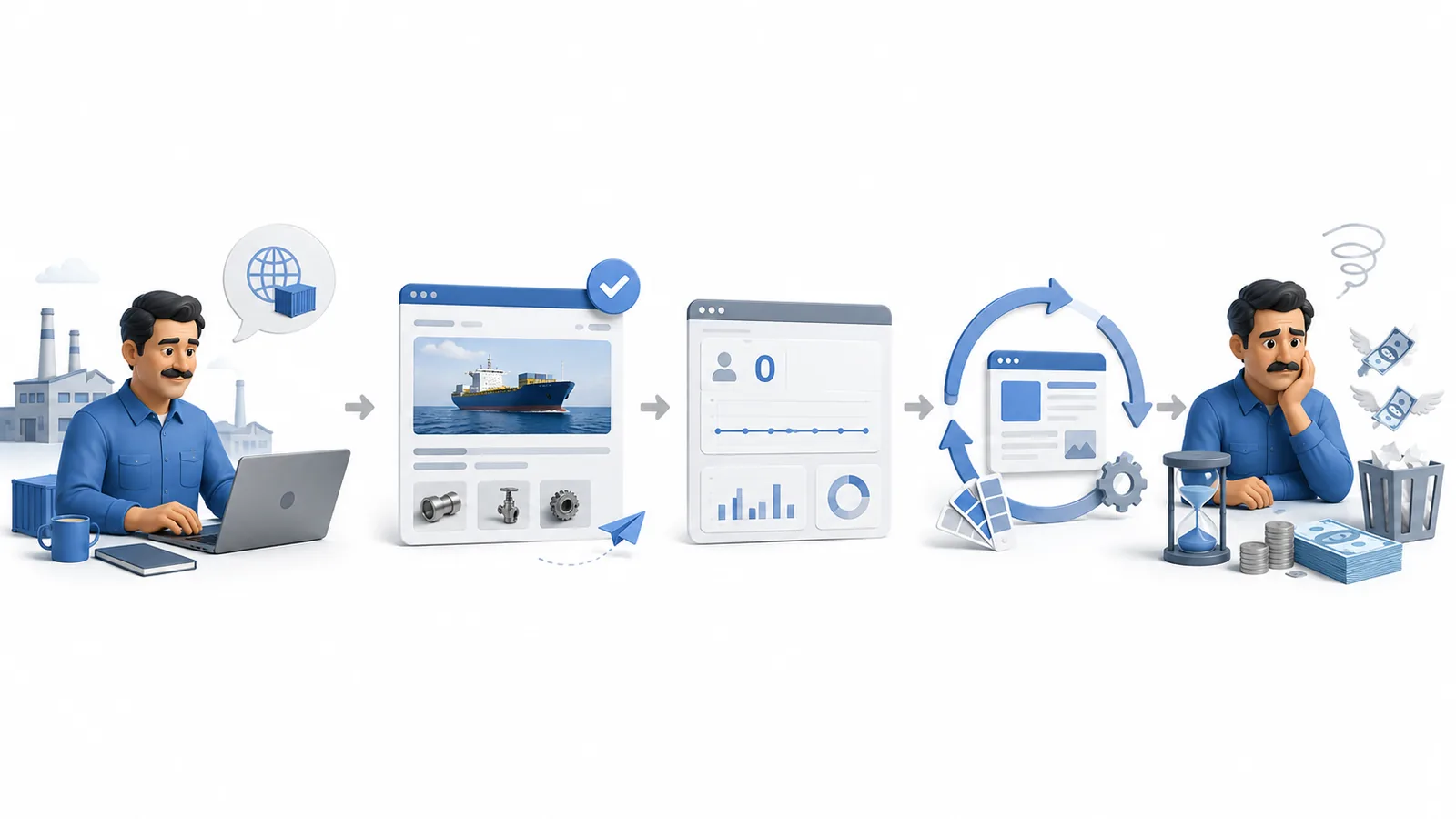
The value of a business website rests on two premises: you know what your customers want, and you can consistently produce content. These two things are usually lacking in the early stages of a business.
The most common outcome of early website development is:
- The product wasn't even finalized yet, and the website content was already built, so we had to start all over again.
- If you don't know what customers really care about, the content can only be filled with parameters.
- After it was built, no one updated it, and after six months it became just an "electronic brochure".
- The second year, they changed website development companies and redid it, but the third year still had no traffic.
Let's do the math : building a website costs anywhere from several thousand to tens of thousands of yuan. Add to that the subsequent promotional investment, and if you have to redo it because the business isn't finalized, it's like all that money has been wasted. Even more expensive is the time cost—you could have used that time to get the business running smoothly first.
Second, in these three situations, don't rush to build.
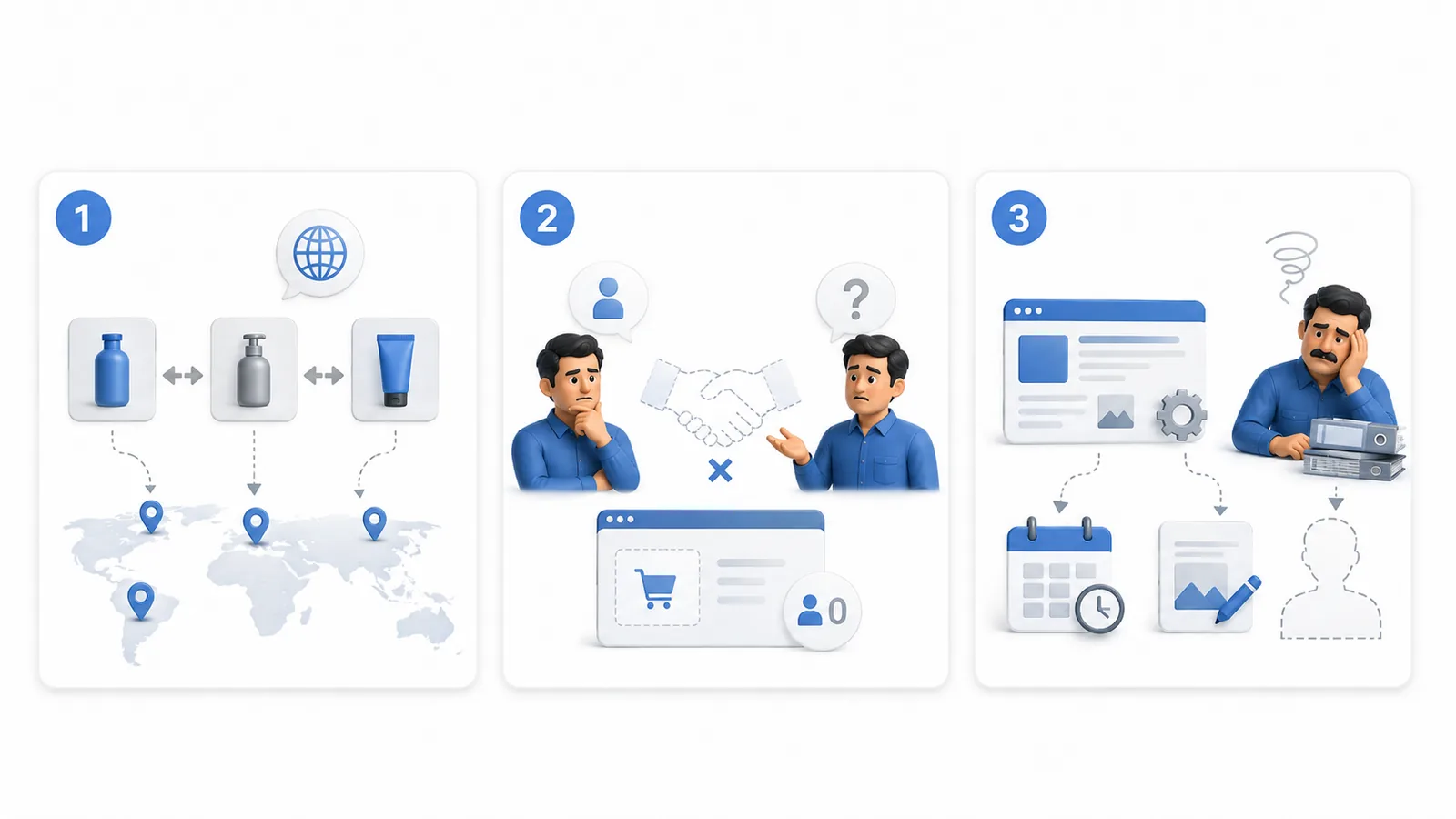
1. The product and target market have not yet been determined.
The industry track, main product category, and target market are still being frequently adjusted, resulting in a lack of focus in the site's content. Neither search engines nor AI can determine what you're focusing on, and keyword authority cannot be built up.
Judgment criteria : If you can't clearly define the three to five main products you'll be promoting in the coming year, don't start building yet.
2. There are not a single actual customer who has made a purchase.
Not having closed a deal means you don't yet know what your clients truly care about—delivery time, certifications, MOQ, or customization capabilities? You can only find out this information through real communication, and it's precisely the core content of your business website.
Judgment criteria : First, get your first order through a platform, exhibition, or private domain. Write down the questions the customer asked. These will become your list of future content.
3. No one on the team can maintain it continuously.
This is the most easily overlooked, yet most fatal, point. A business website doesn't "give you customers as soon as it's built"; it requires continuous content updates, product optimization, and data tracking. If no one in the factory can dedicate time each month to handling these tasks, the day the site goes live is the day it becomes a dead site.
Judgment criteria : Ask yourself a question—who will be responsible for updating the content monthly for the next six months? If you can't answer that, don't start yet.
III. When should it be built? Look for these three signals.
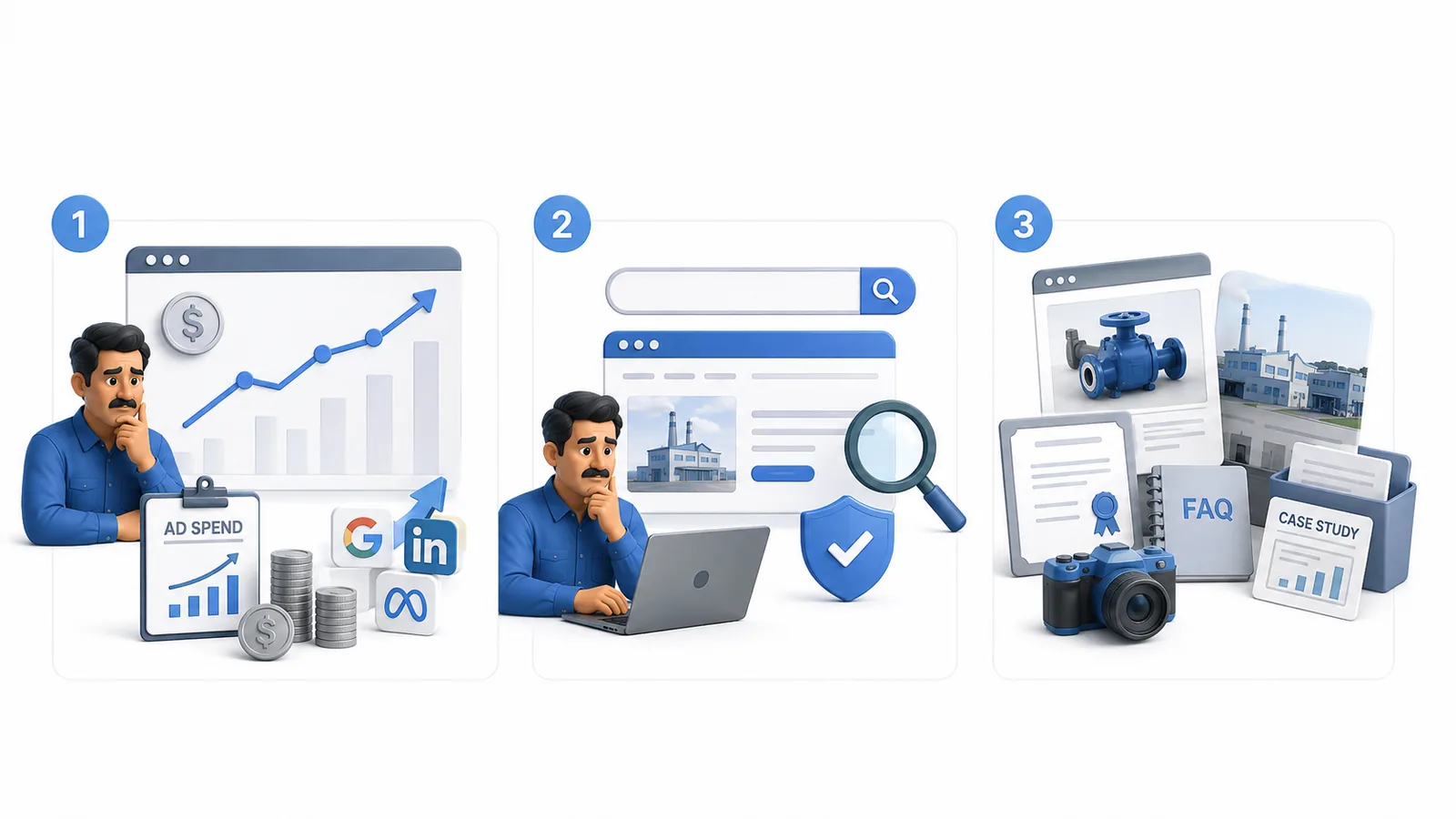
Conversely, the appearance of any two of the following signals indicates that the time is ripe:
Signal 1: Promotion costs are continuously rising. Platform annual fees, P4P clicks, and exhibition fees are increasing year by year, while the cost per inquiry is becoming more and more expensive. This indicates that your reliance on paid channels is increasing, and you need a cost-controllable proprietary channel.
Signal Two: Customers are starting to verify your information online. Some customers mention, "I've searched for your company," or in conversations with new customers, the first thing they ask is if you have an official website. This indicates that the verification process is already underway, and you currently lack a platform to facilitate it.
Signal Three: You already have a stable source of content material. You've accumulated a collection of frequently asked customer questions, real-world case studies, and photos of production lines and testing. This material is the lifeblood of your business website; with it, content production doesn't have to start from scratch.
IV. Correct Starting Rhythm
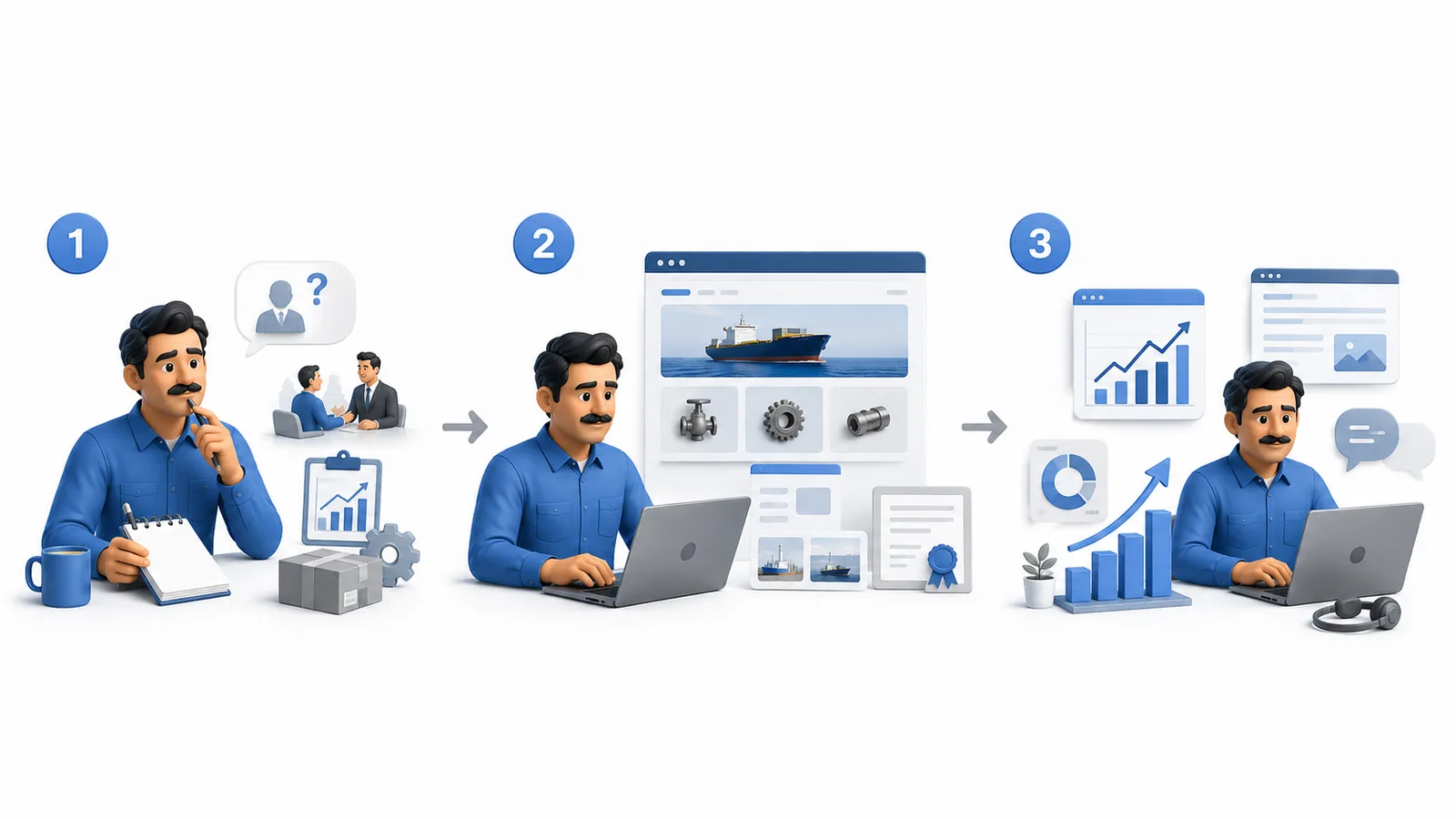
If the business is still in its early stages, it is recommended to proceed in this order:
Phase 1 (1–3 months): Start by developing business.
Verify your products and sales pitches through platforms, trade shows, or existing customer channels. At the same time, do two preparatory tasks: record the questions customers have asked and organize materials such as factory scenes, qualifications, and product photos.
Phase Two (3–6 months): Website Setup.
Build your website with the materials you've accumulated in the first phase. Now you know what to write and who your target audience is, ensuring the content isn't empty. Don't aim for something large and comprehensive at the beginning; start with three to ten core product pages and thoroughly develop each one.
Phase 3 (6 months later): Continued operation.
Update content weekly or monthly, track data, and gradually expand the product line. This stage determines whether the business website can ultimately succeed.
V. It is recommended to prepare these materials before building the website.
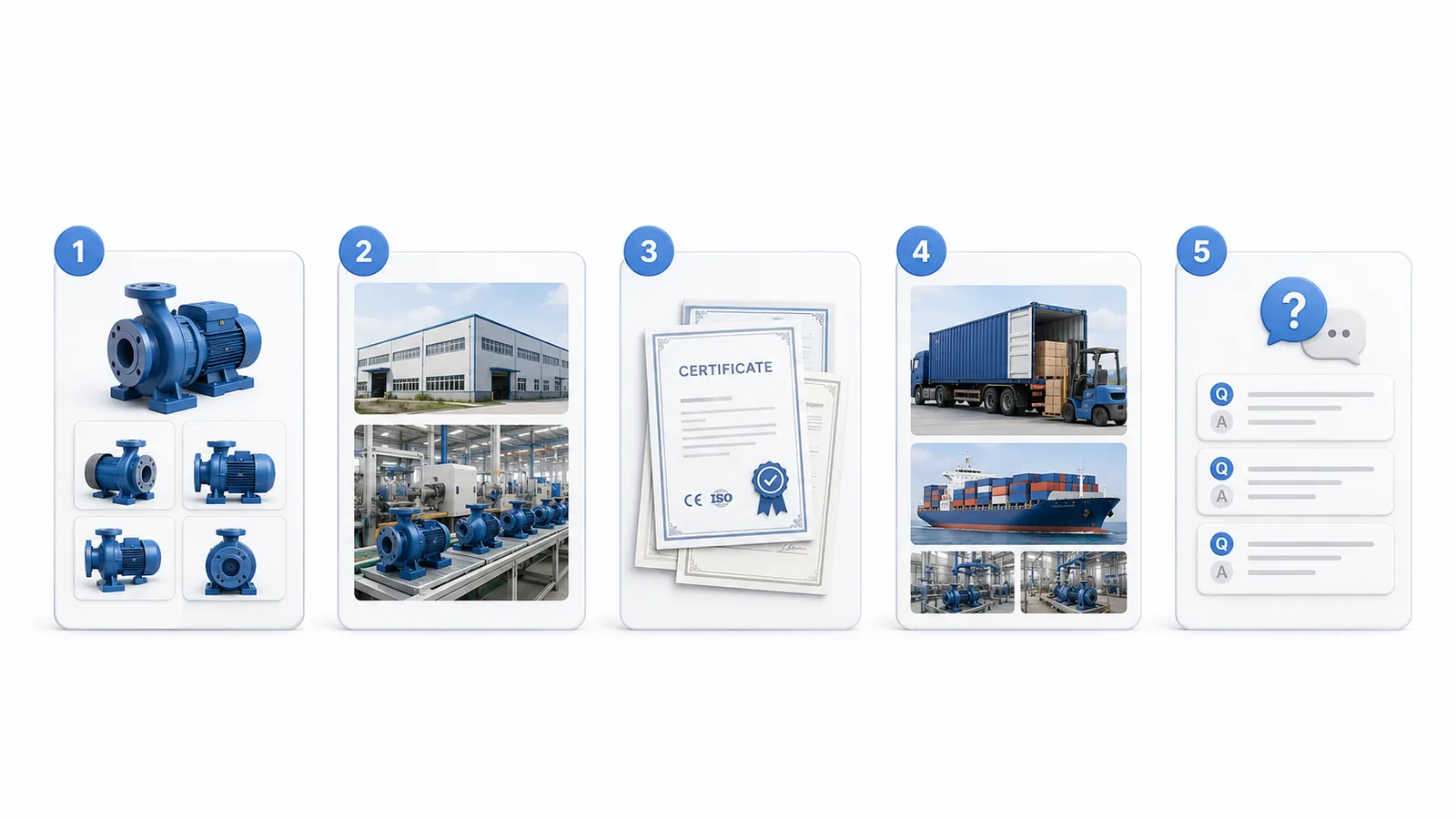
Many people get stuck when building a website because they haven't prepared their materials, and end up just piling on parameters. It's recommended to prepare these five categories before starting:
- Product photos : multiple angles, showing application scenarios, not just white background images.
- Factory photos and videos : on-site photos or videos of the production line, equipment, warehouse, and testing process.
- Qualification documents : ISO certification, product certification, test reports, import and export qualifications
- Client case studies : publicly available collaborative projects, actual shipping photos, and application scenarios (please ensure anonymization).
- Frequently Asked Questions : The 20 Most Asked Salespeople in the Past Six Months
Having these five types of materials will make the website building process much smoother and prevent the content from becoming empty.
Frequently Asked Questions
Q: If all my competitors have built one, will I fall behind if I don't?
A: No. Even if you launch your website six months later, if you have a proven business and real content, the results will often be better than competitors who rush in but fail. Business websites are about long-term operation, not who launches first.
Q: Can I create a simple site to reserve a spot first?
A: Yes, but please note that an empty website that hasn't been updated for a long time actually negatively impacts customer trust. If you want to maintain a presence on the site, at least ensure that the homepage, product pages, and contact information are complete and that you maintain a minimum update frequency.
Q: The business is already running smoothly, should we build it immediately?
A: Yes. If you already have stable sales, understand what your clients care about, and have people who can contribute content, then don't delay any longer—these types of clients usually get inquiries the fastest after their websites are built.
CTMON (CTMON) · Shenzhen · Over a decade of experience in B2B digital marketing · Official website ctmon.com

What does international social media management service include? 2026 Guide to Social Media Management for Export Businesses
2026-10-28
How to write a WordPress product page that will make overseas buyers want to send inquiries?
2026-10-28
How to fix WordPress form emails not sending: Practical WP Mail SMTP configuration
2026-10-27
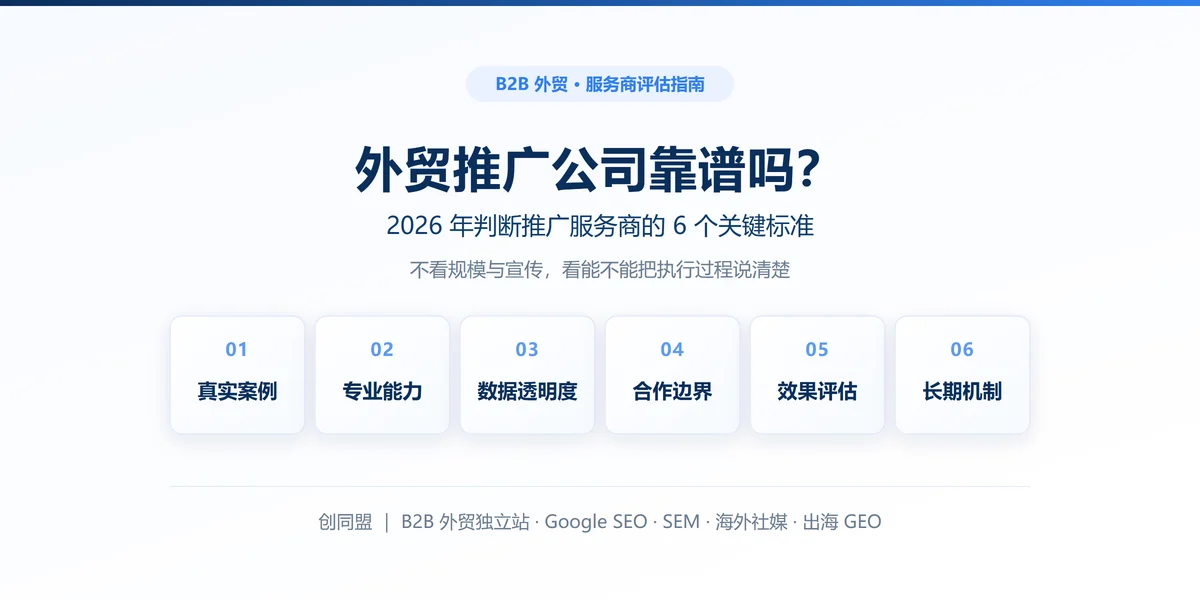
Are foreign trade promotion companies reliable? Six key criteria for businesses to judge promotion service providers in 2026.
2026-10-26
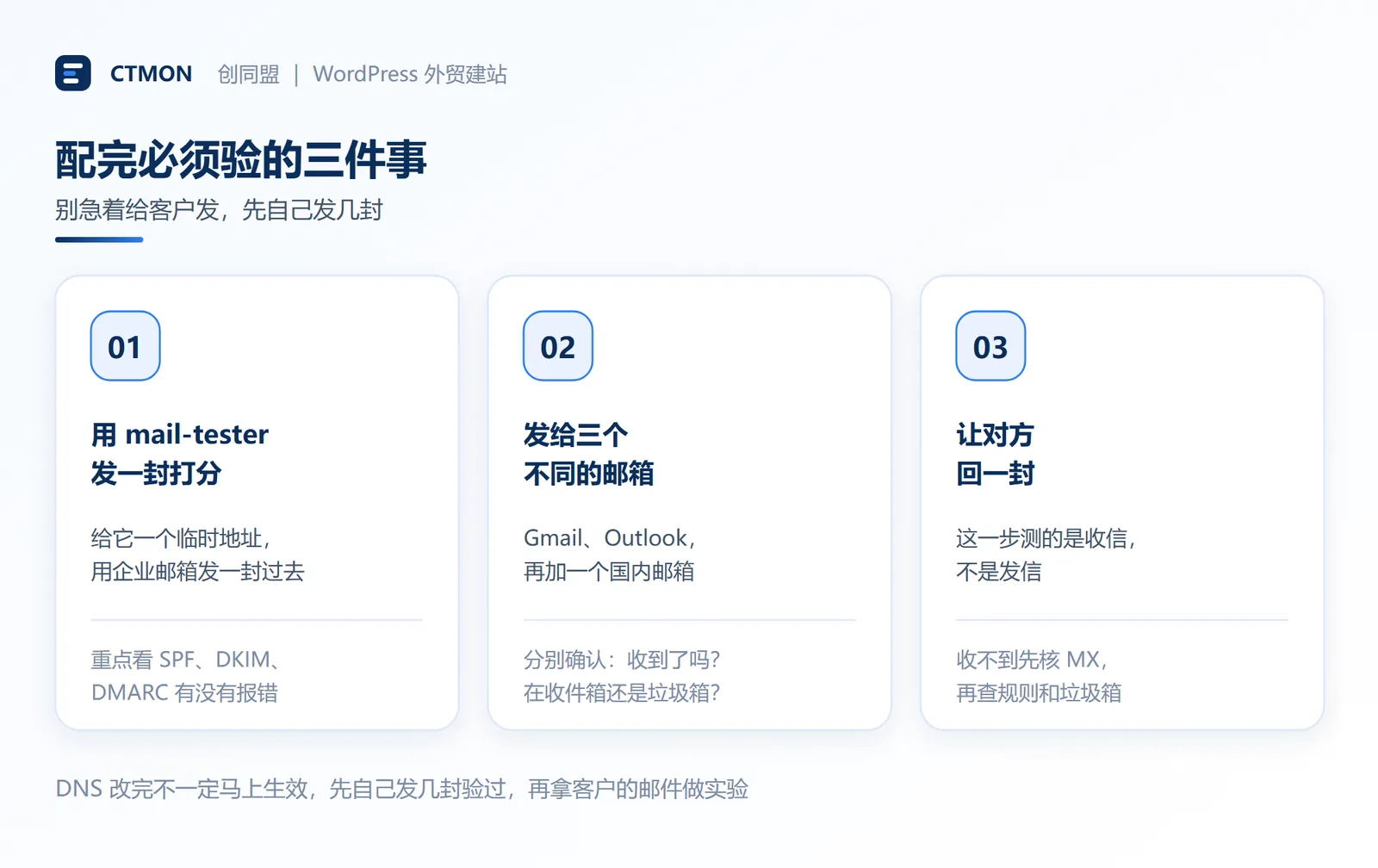
How do I set up an email account for export businesses? How can I configure it to avoid it ending up in the spam/junk mail folder?
2026-10-26
Related Articles
Are foreign trade promotion companies reliable? Six key criteria for businesses to judge promotion service providers in 2026.
The 140th Canton Fair Opens: How can export businesses seize overseas sourcing opportunities through digital marketing?
How to Choose an Overseas Promotion Company for Foreign Trade? 2026 Service Provider Selection Criteria and Evaluation Guide
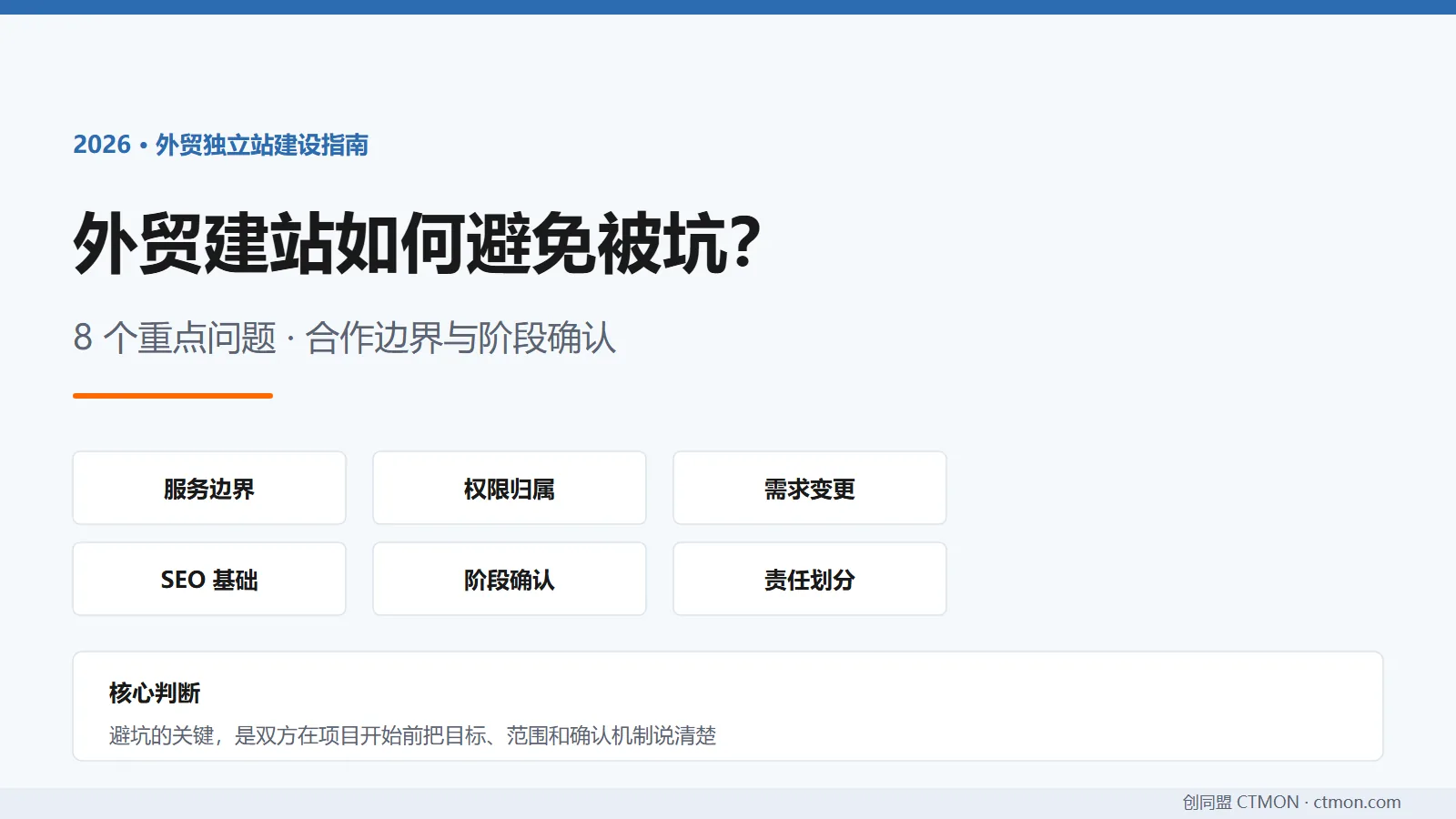
How to avoid pitfalls when building a B2B export website? A guide to avoiding common mistakes in B2B export website development in 2026.
Which company should I choose for building a B2B export website? A comparison and recommendation of B2B export website service providers in 2026.

