Contents +
What kind of competitor background research should a business website conduct in the early stages to help formulate a strategy?
Source: 创同盟
Date: 2026-06-11
Views: 678
Want to outperform your competitors in search results? Learn how to conduct a comprehensive business website SEO competitor analysis. We offer proven strategies to help you identify opportunities and close the ranking gap.
Understanding your business website's SEO competitors is crucial for developing a winning strategy. Whether it's analyzing competitors' keywords, digging into their backlinks, or identifying content weaknesses, effective competitive analysis provides the insights needed to improve search rankings and attract more organic traffic.
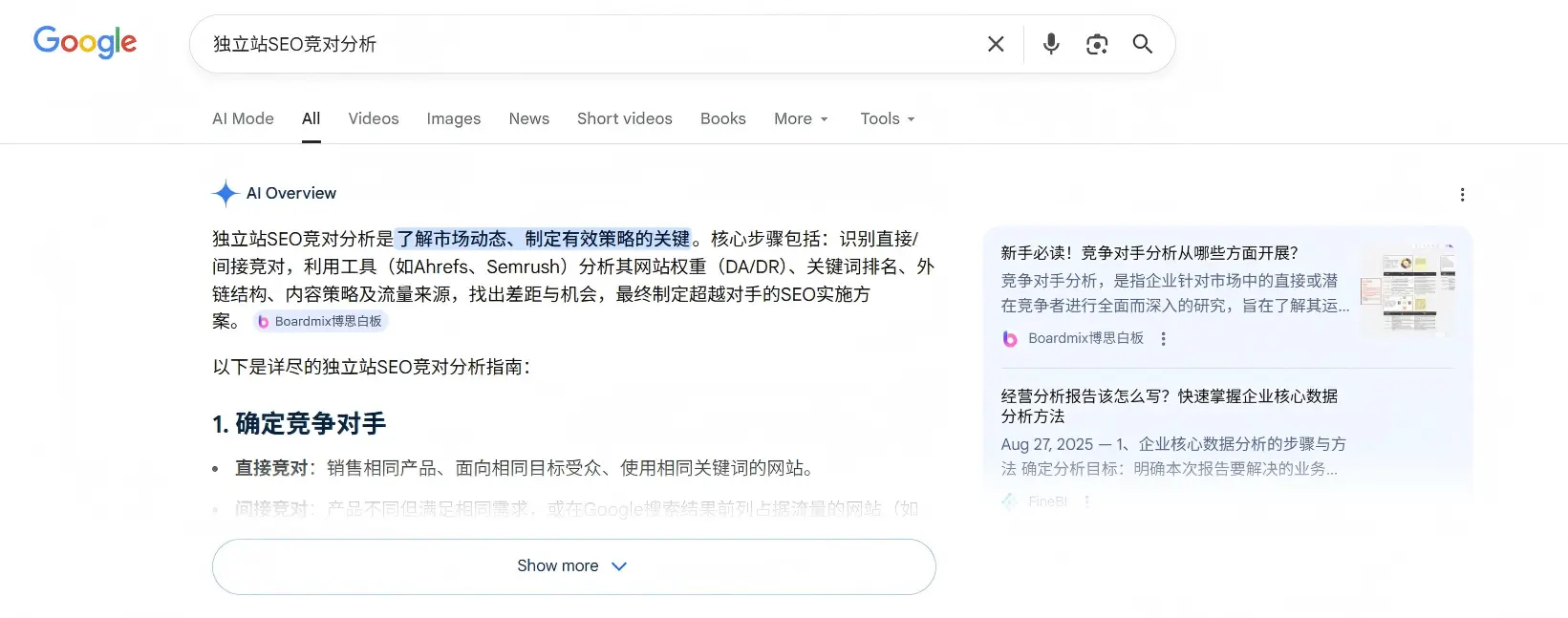
Figure 1. SEO Competitor Research for Business Websites
Why is SEO competitor analysis important?
1. Improve ranking, gain more traffic, increase conversion rate, and win customer inquiries.
SEO competitor analysis is a powerful research strategy that can help you achieve all of these goals. It can help you successfully answer the following questions:
a. Who exactly are my SEO competitors?
b. Which keywords should I target?
c. What is the competitive landscape (search results page) like?
d. What topics should I cover?
e. How to find valuable links?
2. Here's a real-life example:
Imagine you run a fruit shop with three competitors in town. Your customers are satisfied, but you know they'll also browse other shops because they can't find everything they need in one place. So, you decide to gather competitive intelligence from the other shops. You visit them to learn which fruits they sell best. If you could offer those same products—or even better ones—you could help customers reduce their trips, increasing business and ultimately winning customer brand loyalty!
II. How to find your business website's SEO competitors?
To obtain more accurate competitor results, you only need three steps: For each product category, identify 3 to 5 core business keywords (users will use these keywords to learn about the product) . Use business website SEO tools, such as "SEMrush, Ahrefs, Moz...". Conduct keyword competitor analysis to find B2B sites with good organic traffic and authority. Download and maintain the domain names of these sites. Finally, conduct Google search, carefully analyzing the site's category, structure, content theme, etc., to see if they match your business.
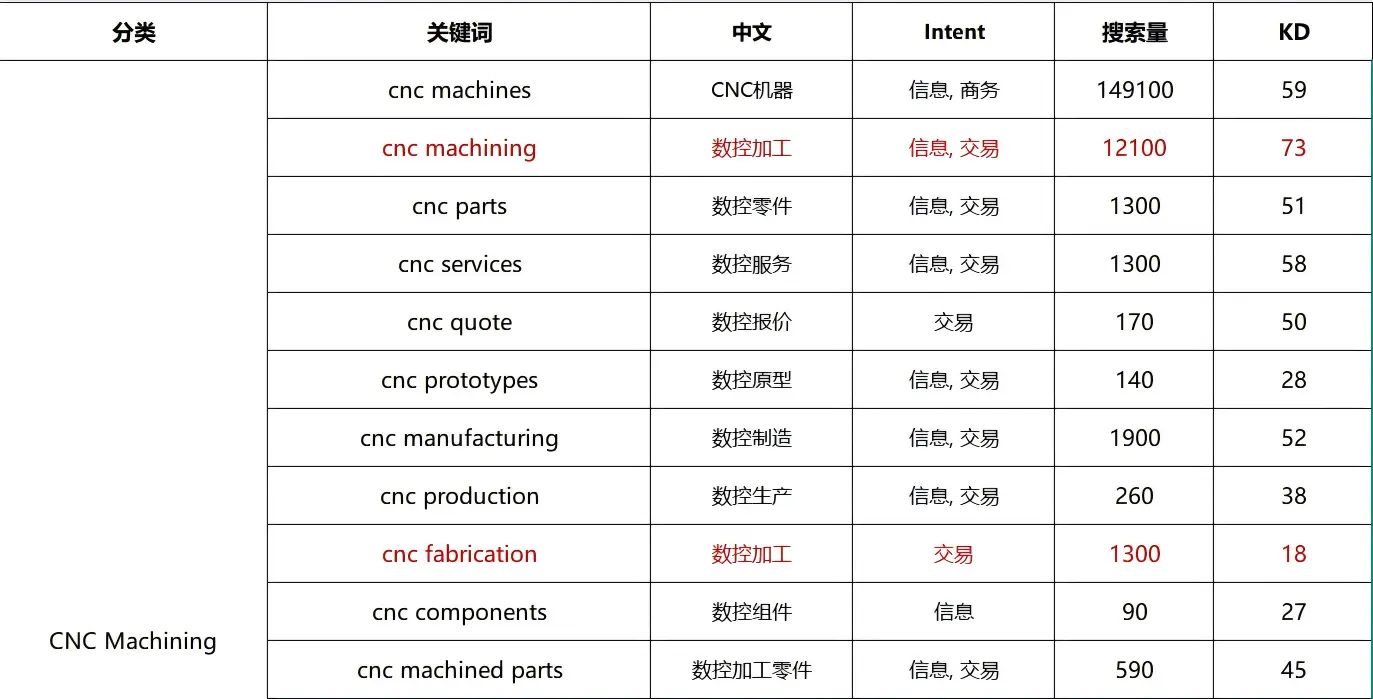
Figure 2 Keyword Research Table
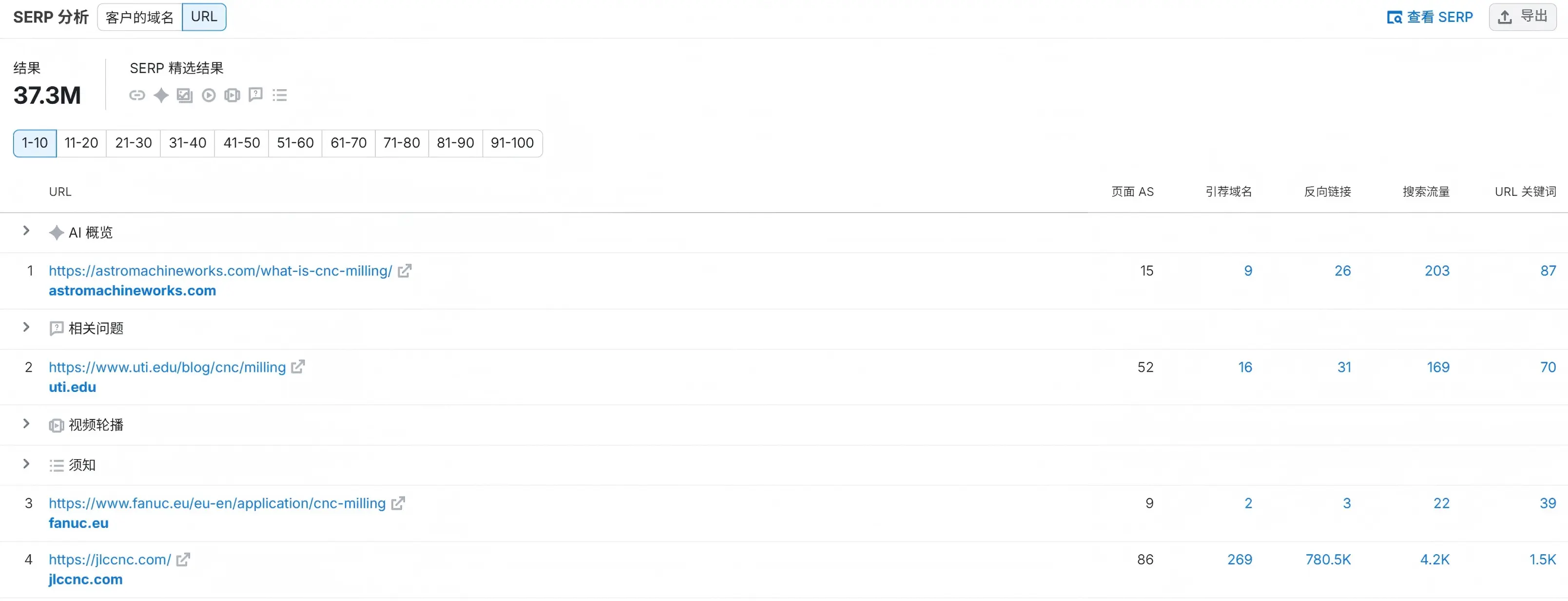
Figure 3 SEMrush competitor link query
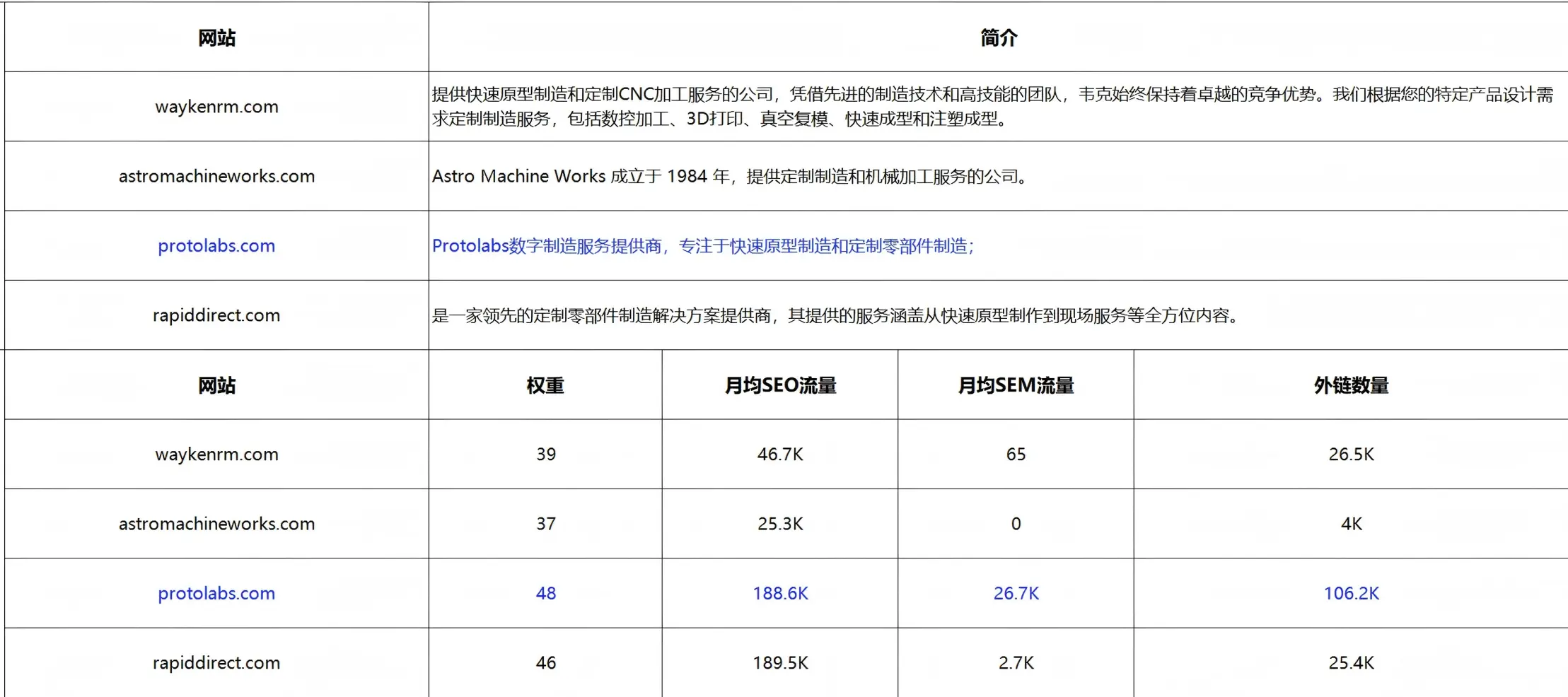
Figure 4. Record suitable competitors using a table.
III. How to conduct competitor keyword research and analysis?
Competitor keyword analysis refers to the process of identifying valuable keywords that competitors rank highly for but you rank poorly for. Several important aspects need to be considered:
a. Keywords should be valuable (high search volume, relevant to your business and/or likely to generate conversions).
b. Keywords should be those that you can rank for, or those that will rank better for you.
Additional tip: Comparing two or more competitors will give you more accurate and effective analysis results!
To conduct this research, we will use analysis tools such as SEMrush, Ahrefs, and Moz... specifically, domain lookup results. Enter the domain names of your main competitors. This will provide "main organic search keywords, key themes; competitor ranking graph, keywords of main organic search competitors." Below is a screenshot of the query results using SEMrush.
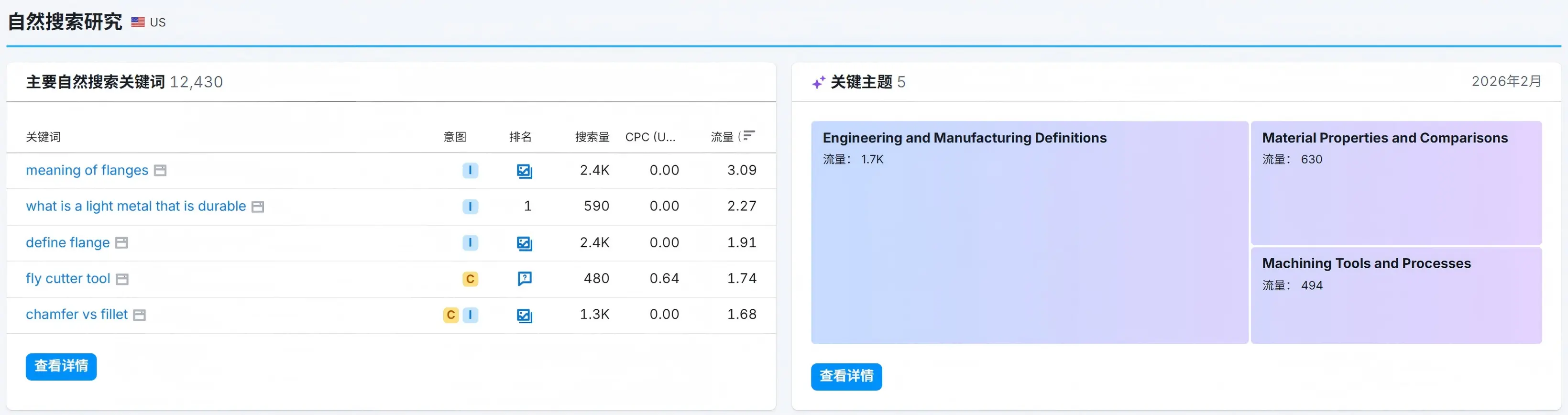
Figure 5 Screenshot of SEMrush tool
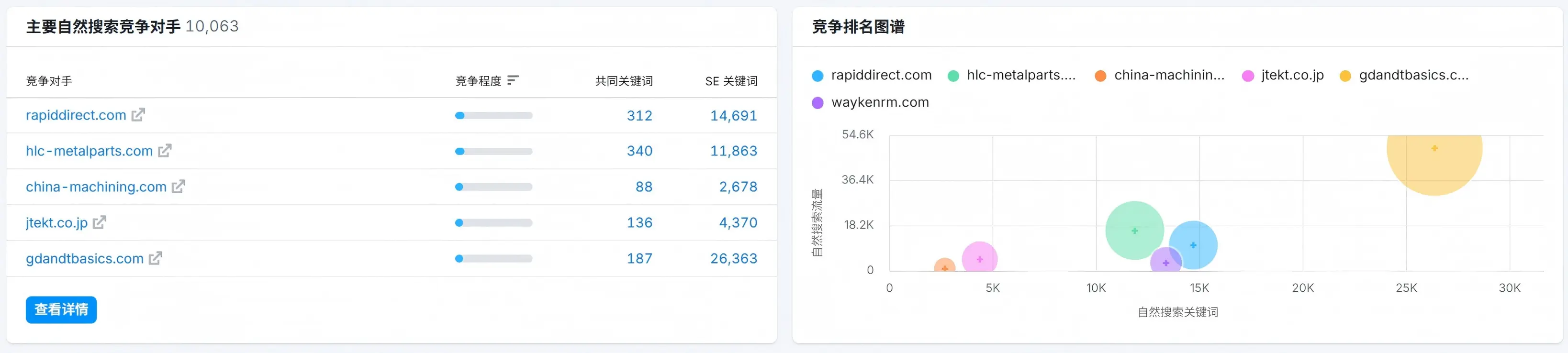
Figure 6 Screenshot of SEMrush tool
IV. How to analyze search engine results pages?
Generally speaking, simply knowing the keywords you want to target isn't enough. If you want to gain traffic, you also need to understand users' search intent for those keywords. This means deeply understanding the psychology of searchers and what they want to find. Sounds impossible, right? Fortunately, Google has already done 99% of the work for you. You just need to search for the keywords you want to target on Google!
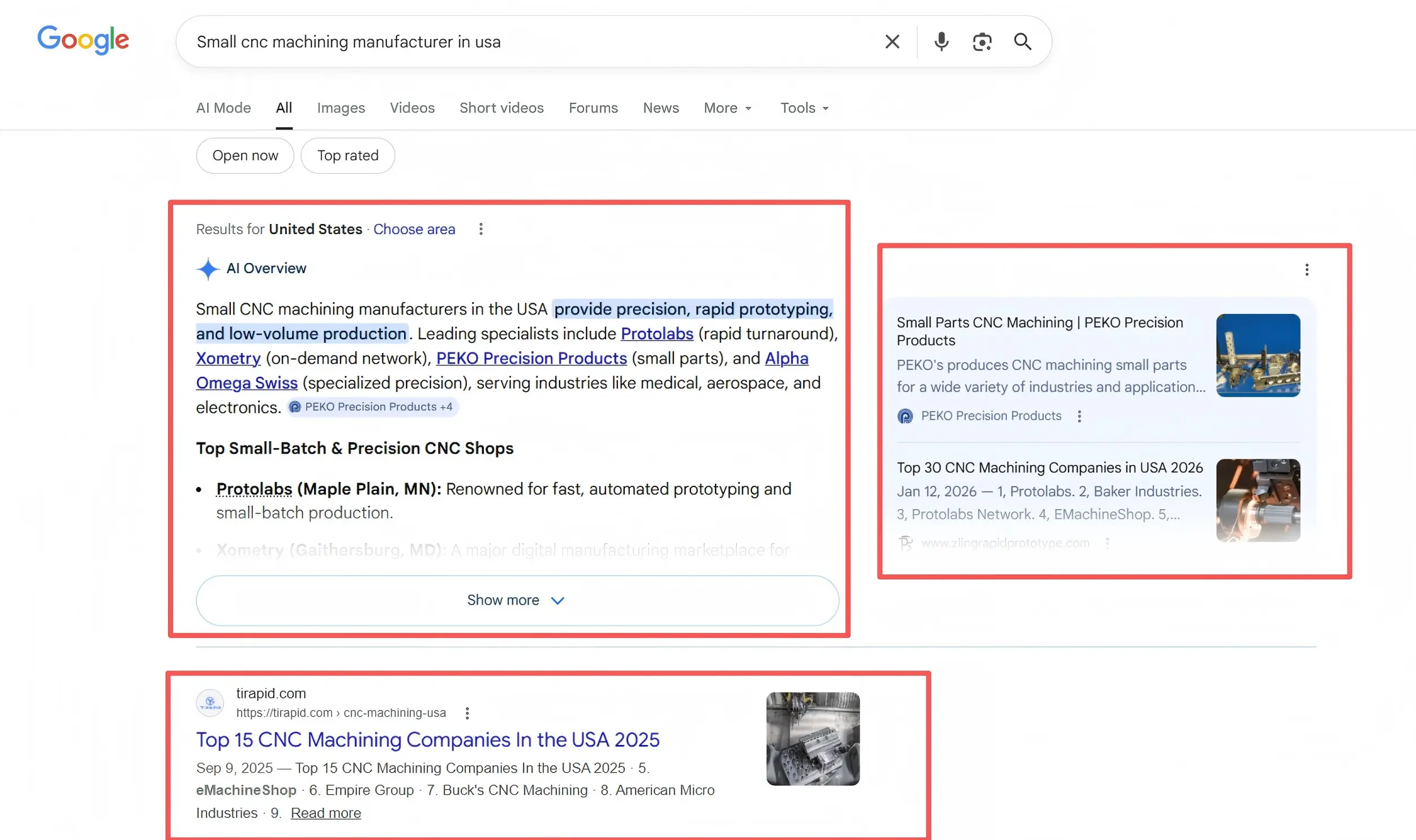
Figure 7. Screenshot of the search engine results page (SERP)
V. How to find content themes by analyzing competitors?
Design a clear and easy-to-navigate website structure to ensure that both users and search engines can easily find and access web pages. Generate original, valuable, and engaging content to meet user needs and search intent; the content should be detailed and information-rich, covering all relevant topics that users may be interested in, and comply with Google's EEAT requirements for content. This is also the core of our competitor content structure analysis, followed by thematic breakdown of tools.
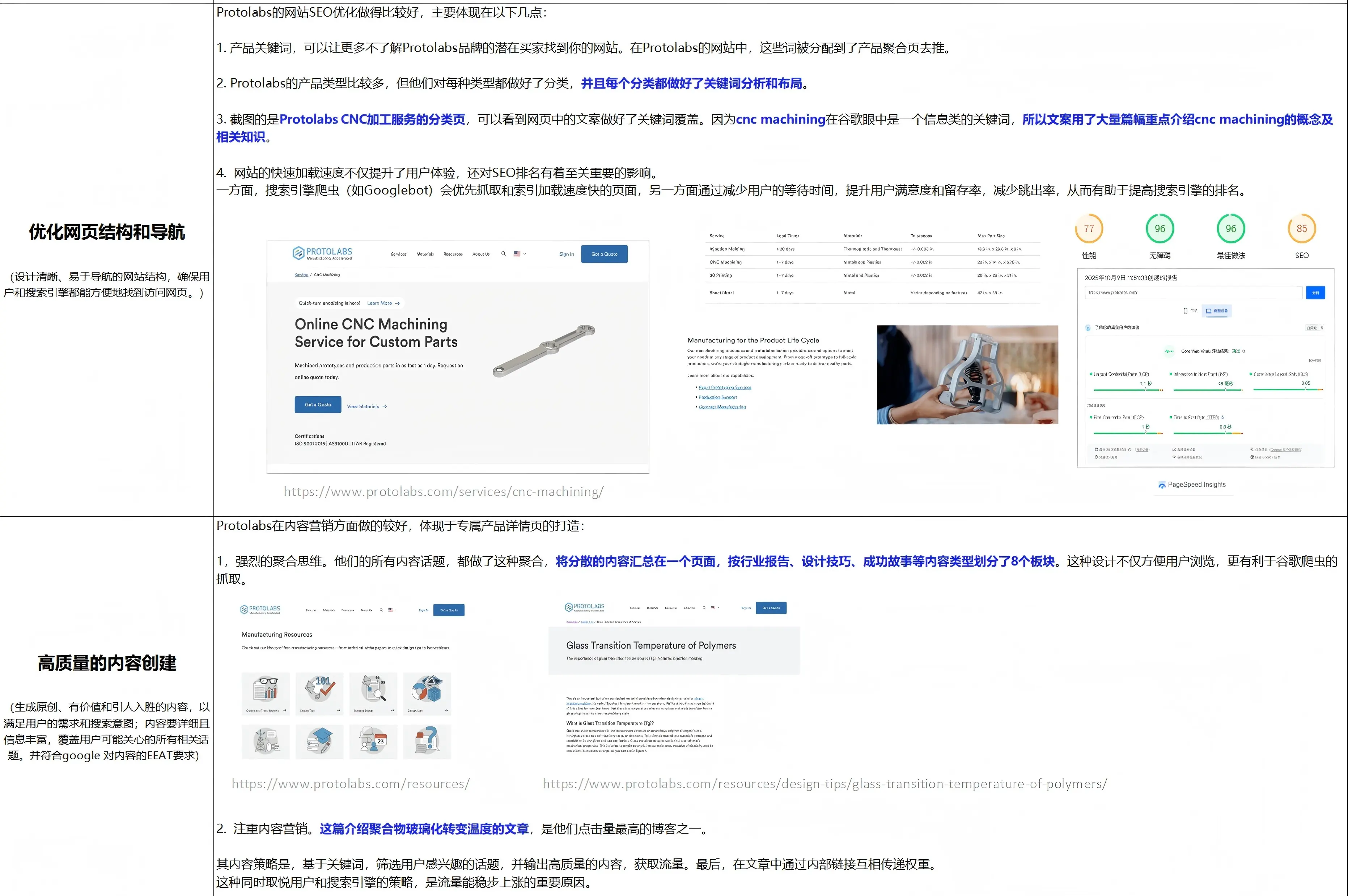
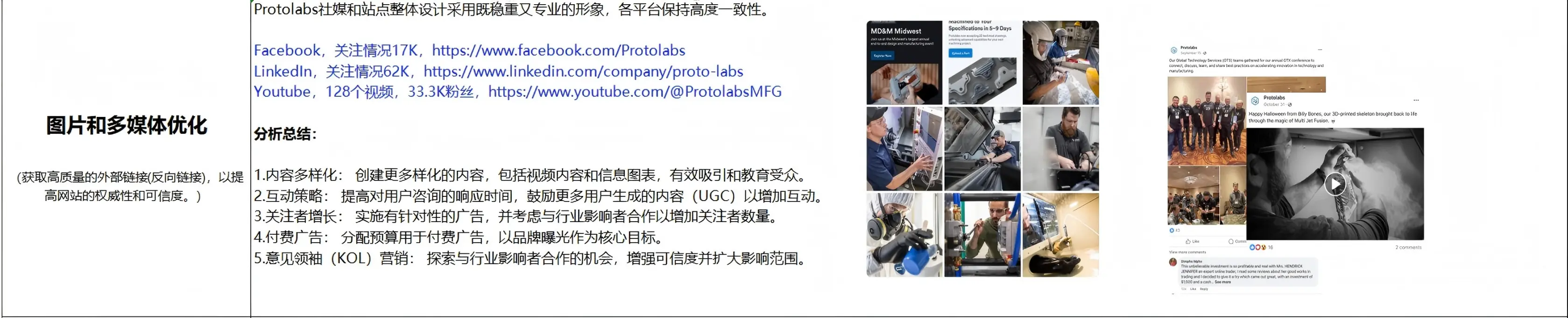
Figure 8. Screenshot of competitor page structure analysis
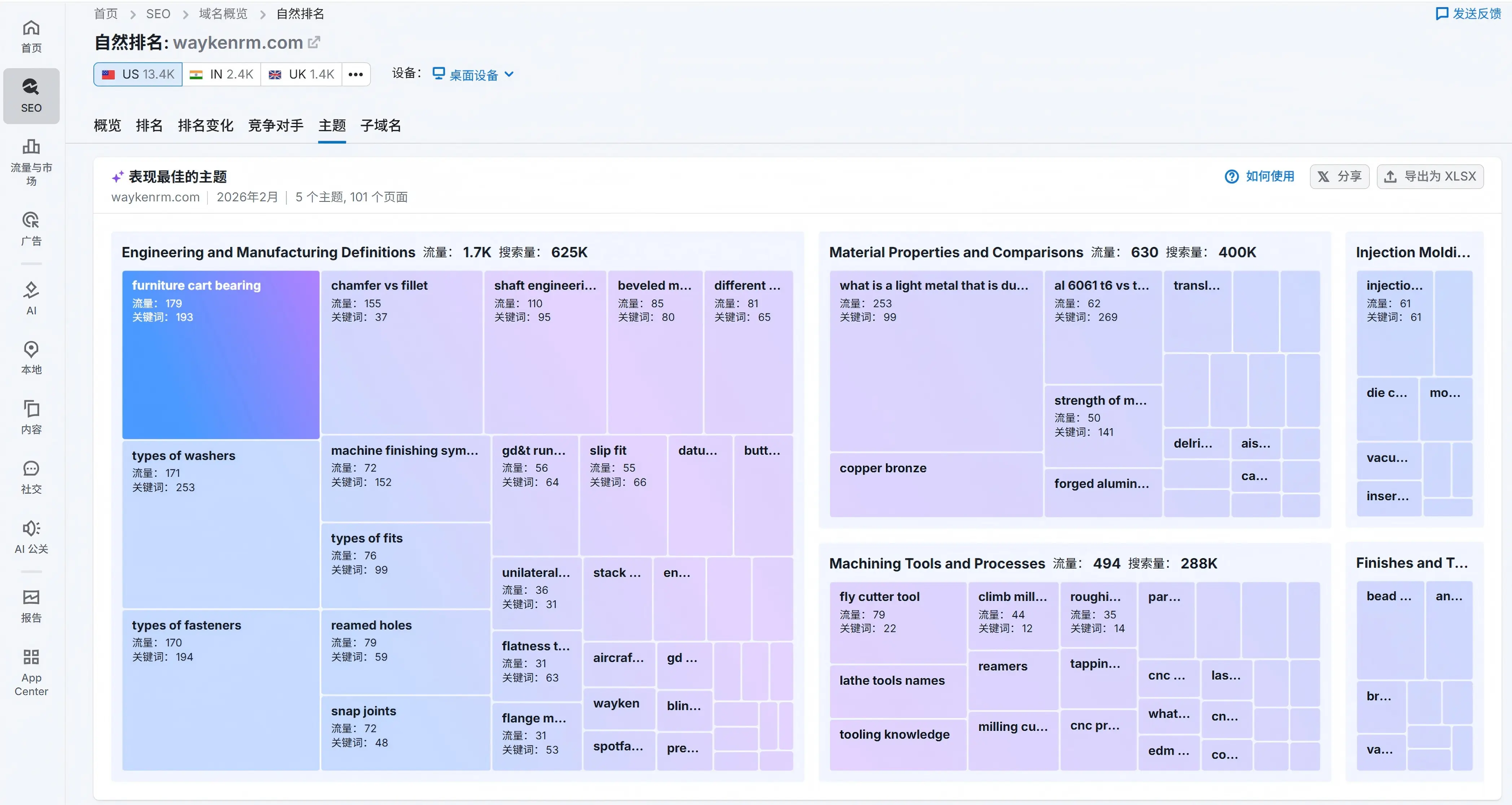
Figure 9. Screenshot of competitor tool topic analysis
VI. How to Build Backlinks? Analyzing Competitor Backlinks
Links are crucial for ranking. In fact, without links, it's almost impossible to improve your ranking! Conversely, high-quality links are hard to come by. Therefore, we will use strategies and data tools to determine where you might find relatively easy-to-obtain high-quality links. But what exactly are these links? The answer is: those that already link to your competitors but don't link to your website.
This strategy works both theoretically and practically! Why? Because linking to your competitors' websites already indicates their interest in your topic. You've researched your competitors' keywords, analyzed their successful URLs, and created higher-quality, more valuable content for your audience. Now, you can showcase to these websites that your resources are superior to your competitors'. This will significantly increase your chances of getting links, thereby enhancing your online authority.
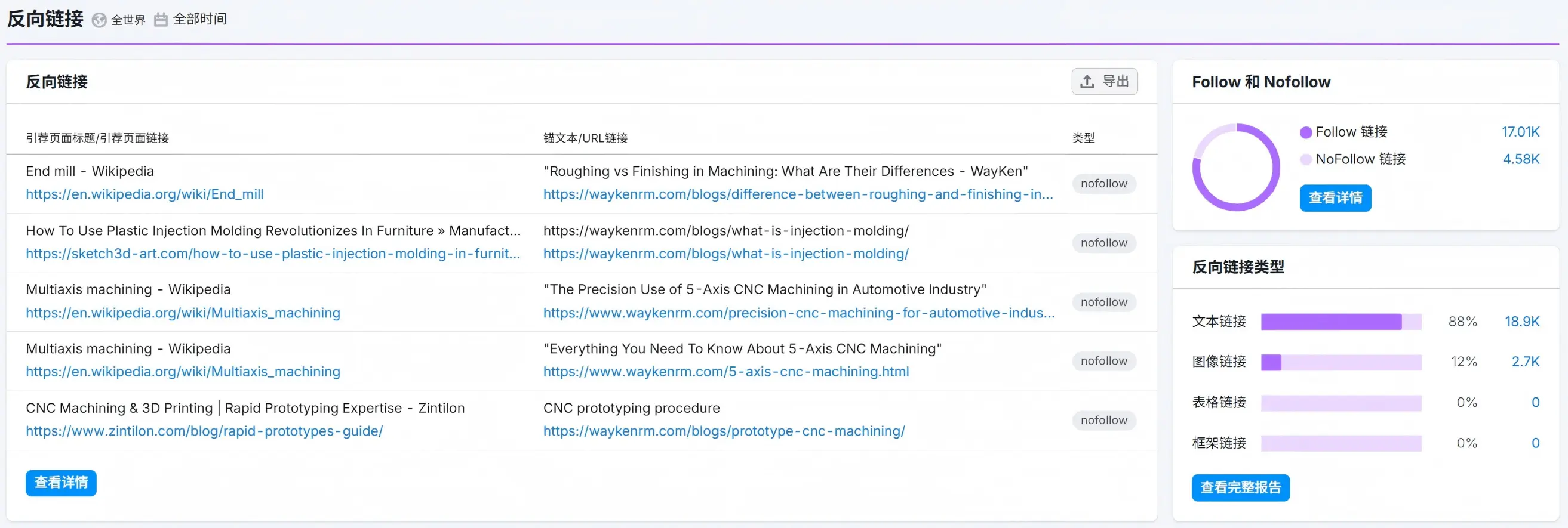
Figure 9. Backlinks of competitor tools
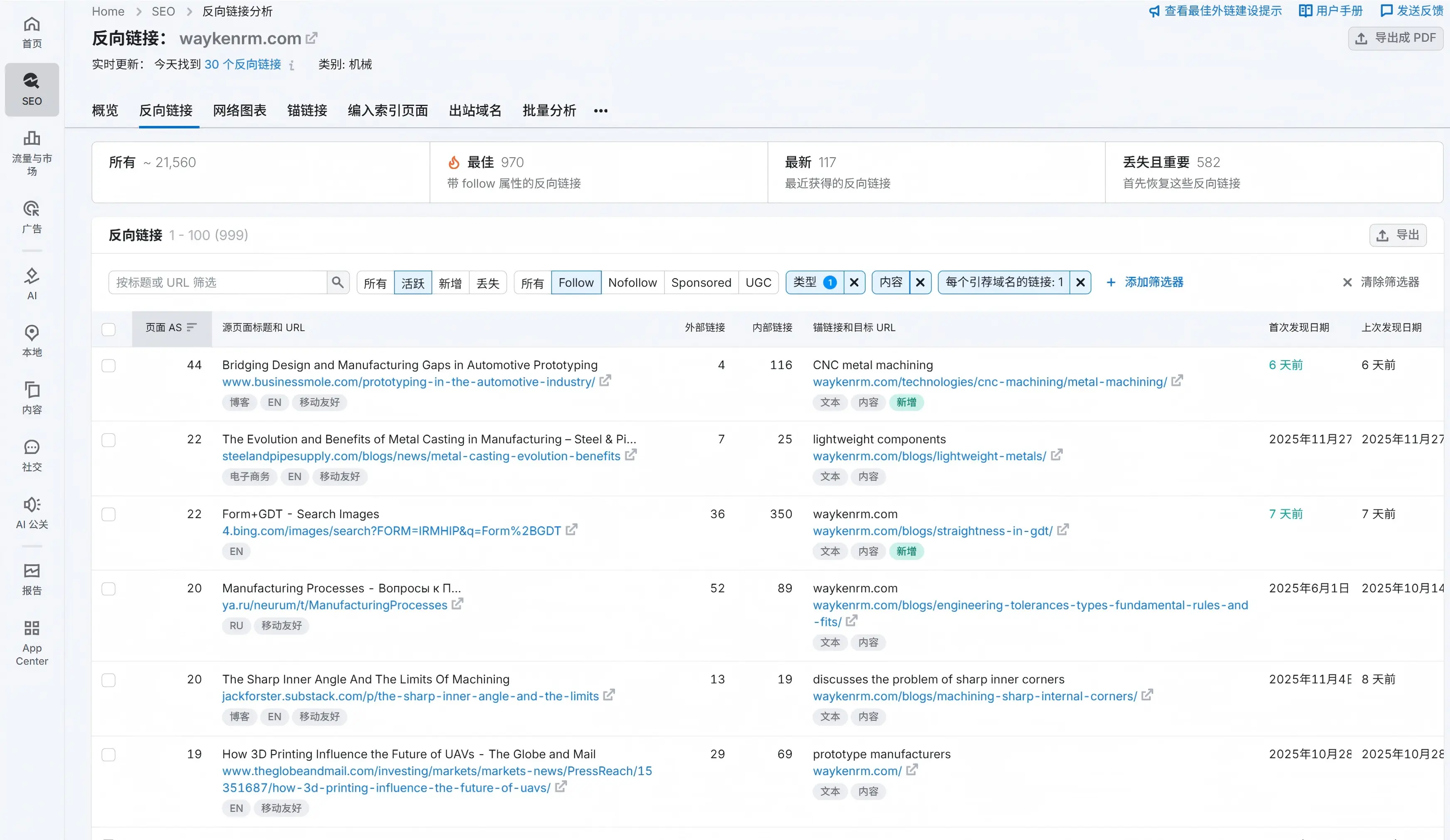
Figure 10. Detailed version of competitor tools' backlinks
From identifying your true search competitors to analyzing their technical SEO strengths and content strategies, this carefully curated guide covers all aspects of competitive SEO analysis. Start mastering a systematic approach to competitor research to achieve tangible results. If you truly want to beat your competitors, we recommend reading this guide from cover to cover. We've strived to keep the content concise and easy to understand, and understanding the essentials of SEO is a crucial first step towards achieving your online business goals.
You can learn about the processes and tools that best suit your needs, and pay attention to the ones we mention in each chapter—they are also worth your attention.

What does international social media management service include? 2026 Guide to Social Media Management for Export Businesses
2026-10-28
How to write a WordPress product page that will make overseas buyers want to send inquiries?
2026-10-28

How to fix WordPress form emails not sending: Practical WP Mail SMTP configuration
2026-10-27
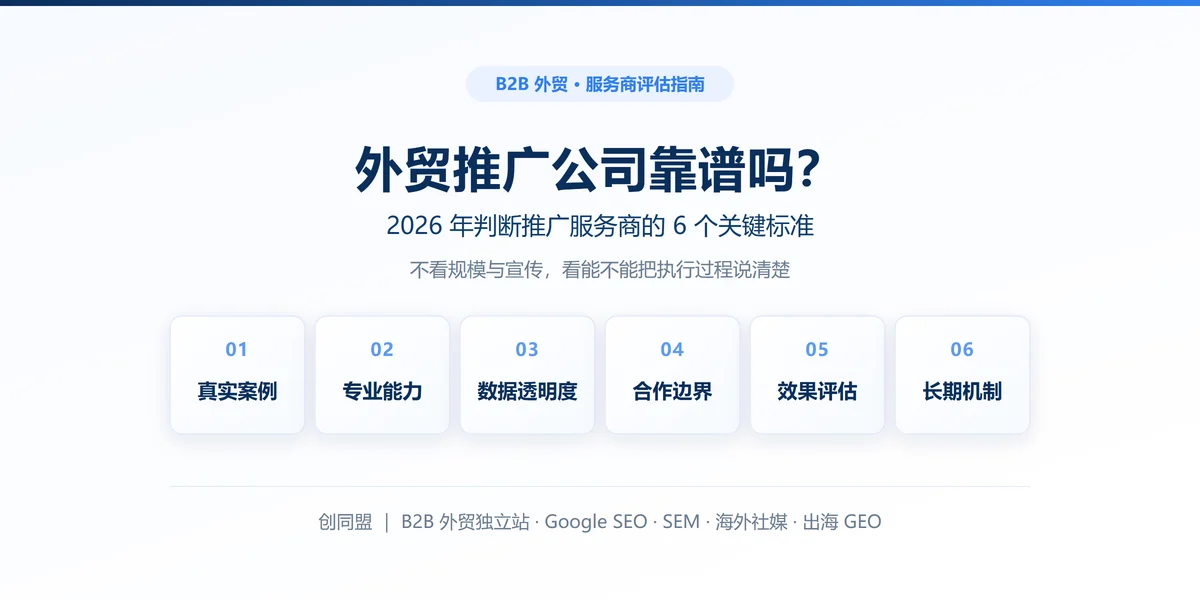
Are foreign trade promotion companies reliable? Six key criteria for businesses to judge promotion service providers in 2026.
2026-10-26
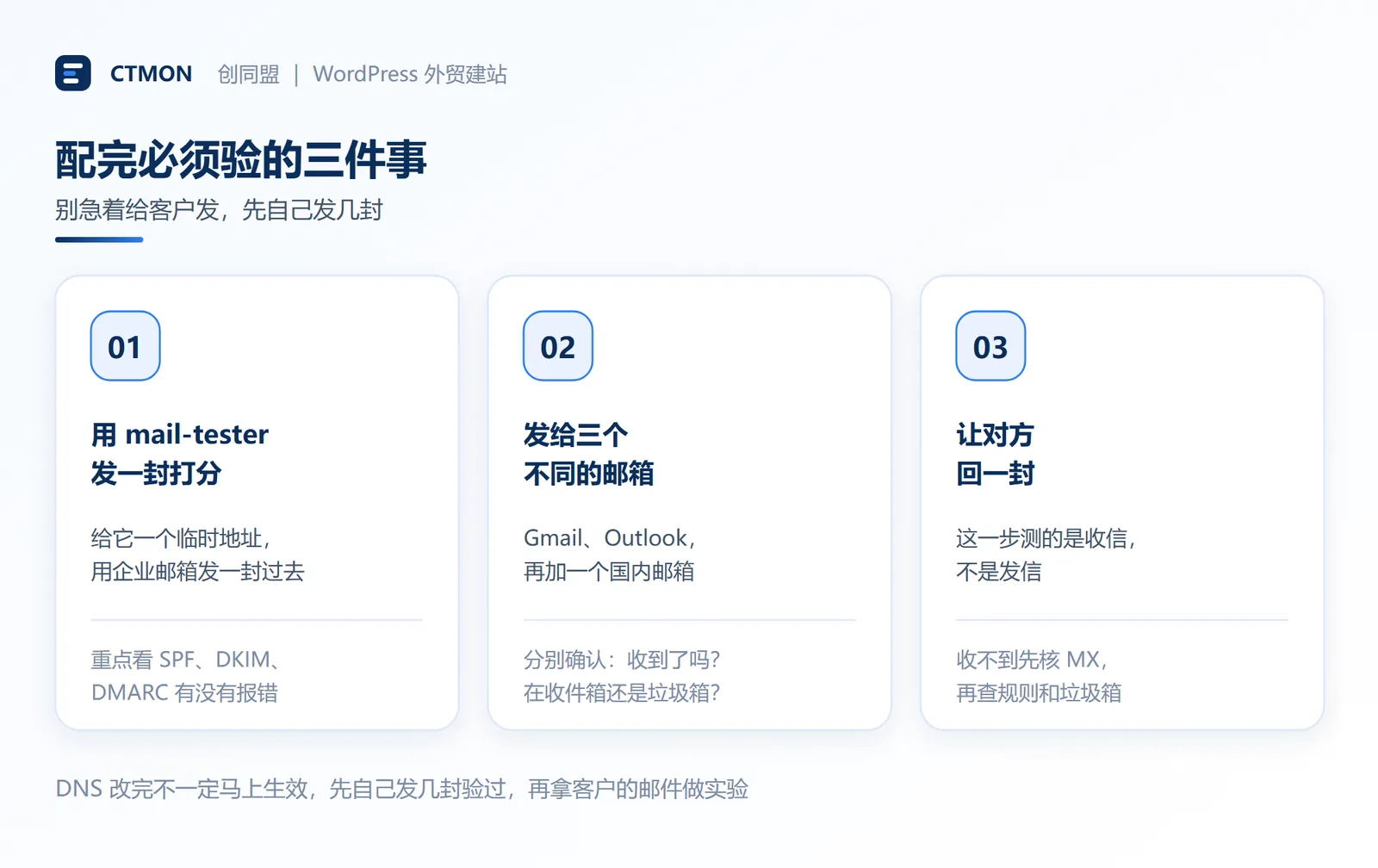
How do I set up an email account for export businesses? How can I configure it to avoid it ending up in the spam/junk mail folder?
2026-10-26
Related Articles
What are the differences between Google SEO and Google Ads? Which should B2B export businesses do first?
2026 Shenzhen Google SEO Optimization Company Recommendations: Service Provider Comparison and Selection Guide
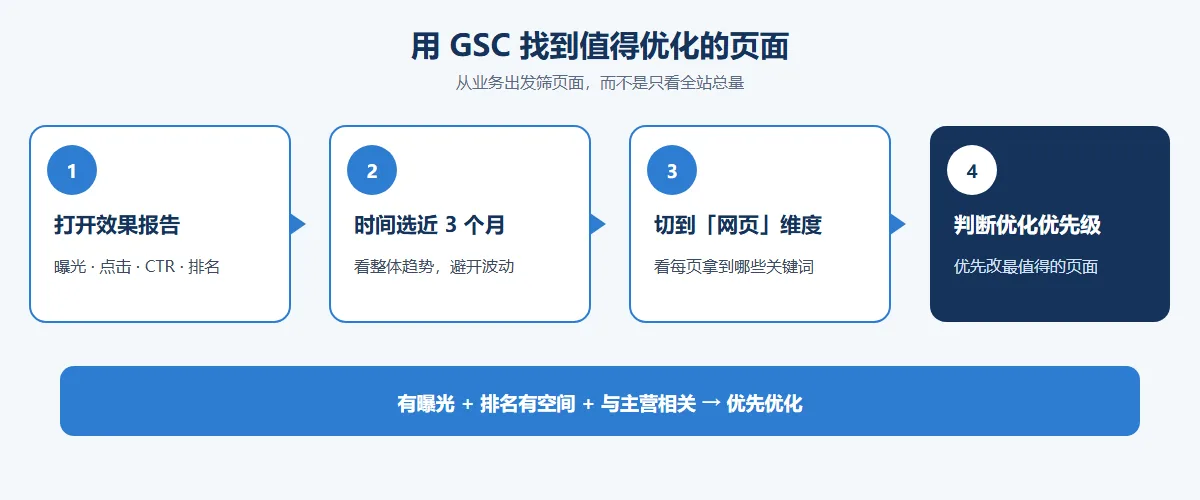
How to improve Google rankings through SEO optimization for international trade? 7 practical methods and steps.

Recommended Shenzhen B2B export website operation company: How to choose a suitable international lead generation service provider for your enterprise?

Why is the Google ranking of Shenzhen export businesses' business websites not improving?

