Contents +
SEO Basics for Beginners - A 5-Minute Summary of Key SEO Points for Business Websites
Source: 创同盟
Date: 2026-06-10
Views: 518
1. What is SEO?
SEO (Search Engine Optimization) refers to optimizing your website and content to improve its visibility in search engines and AI assistants such as ChatGPT, Gemini, and Perplexity—not just for clicks, but also to ensure you are mentioned in search results, summaries, outlines, and web content.
Figure 1. Screenshot of Google search
2. Why is Search Engine Optimization (SEO) important?
People are likely to search for what you do on Google or Bing—sometimes even through AI assistants. If your business appears in search results for these topics, you can attract customers. But you can't gain exposure without effort, because others are doing the same thing. That's where Search Engine Optimization (SEO) comes in. It helps show search engines and AI assistants that your brand deserves to be seen.
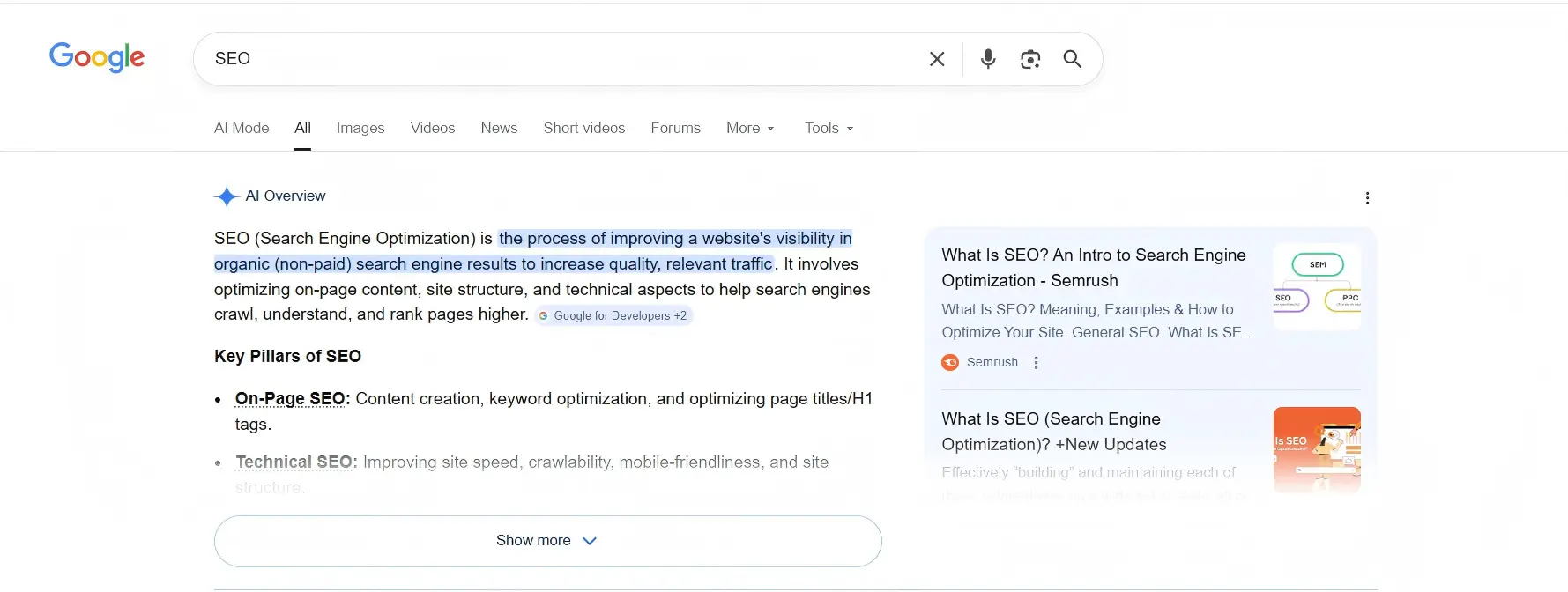
Figure 2 Screenshot of Google search results
3. What are the benefits of SEO?
SEO helps your business appear where people actively search or ask questions—whether in traditional search results or AI summaries. The more your website appears in search results and conversations, the more likely people are to develop a positive impression of you and even buy from you in the future. Unlike advertising, organic exposure doesn't require you to pay for every view or interaction with your content. For example, we estimate 293,000 visits per year through organic search.
Achieving the same results with paid advertising would cost approximately $389,600 per month—proving that strong SEO can create lasting, growing value.
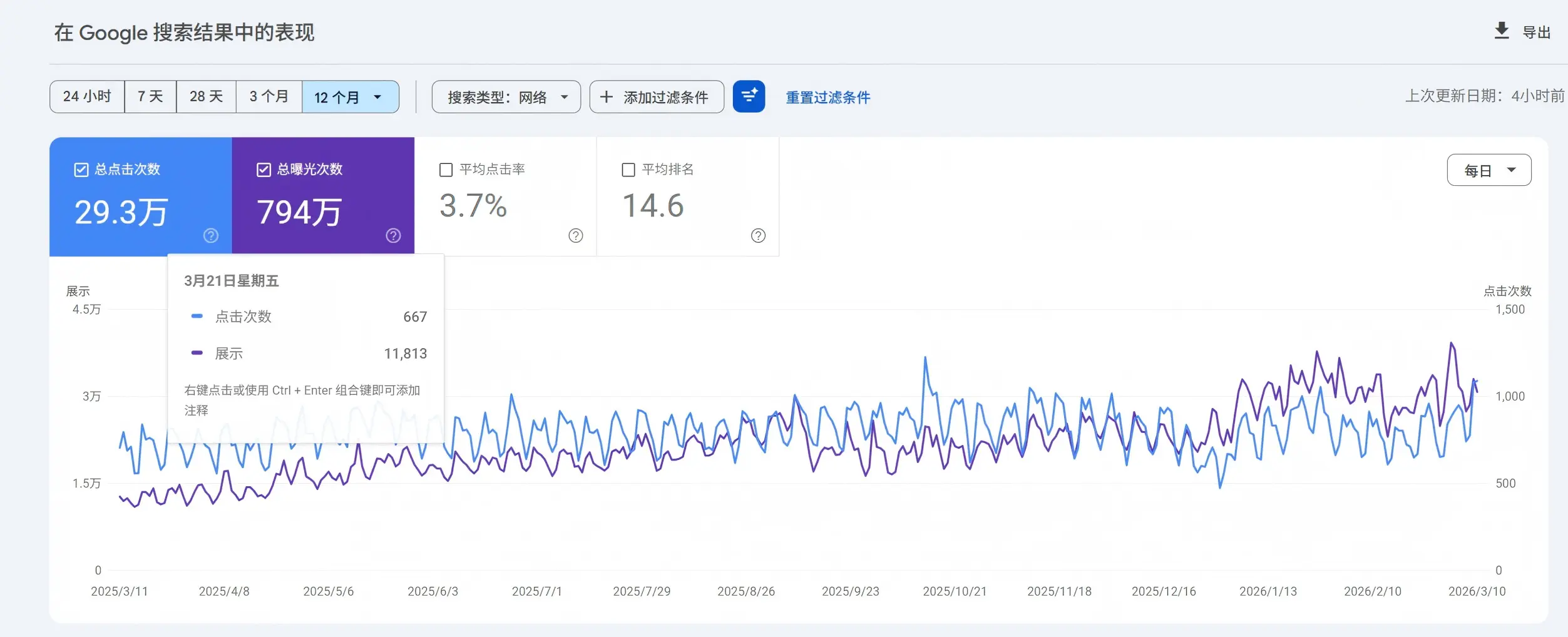
Figure 3: Screenshot of Google search results
4. How to do SEO? Five main steps of SEO
a. Keyword Research : Understanding what people search for and the questions they ask AI. Focus on the topics, questions, and language actually used by the audience.
b. Content creation : Create valuable, trustworthy content that explores various topics in depth.
c. Page SEO and Structure Optimization : Make your content clear, easy to browse, and machine-readable through good formatting, internal links, and structured data.
d. Links and mentions : Win trust signals through backlinks, brand mentions, comments, and citations on the web.
e. Technical SEO : Help search engines and AI assistants find, crawl, and index your content. Keep your website fast and mobile-friendly, and don't forget to add a sitemap.
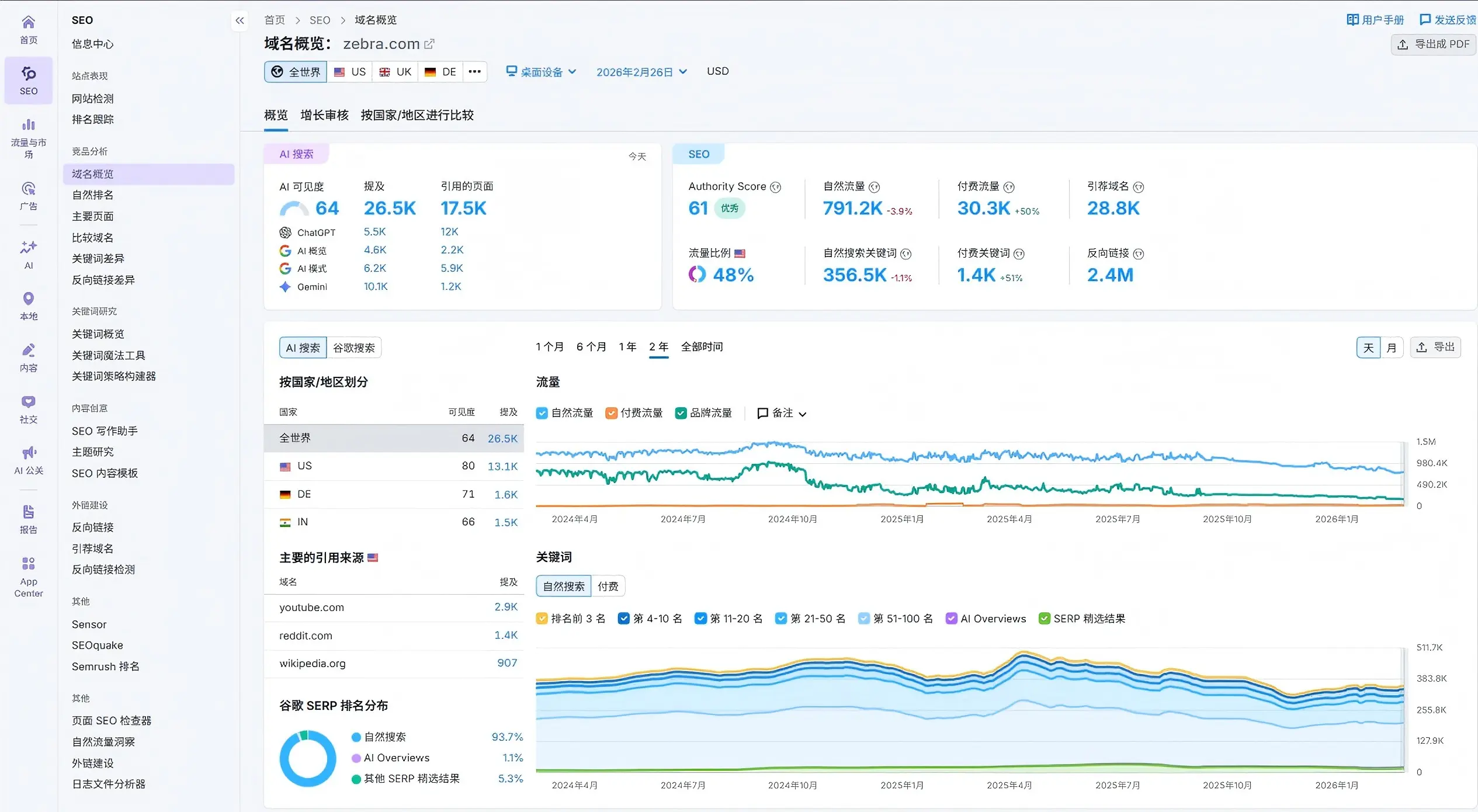
Figure 4 Screenshot of Semrush results
5. Keyword Research
Keywords are the foundation of search engine optimization. If no one searches for the topic of your article, no matter how hard you try, it won't get any traffic from Google (or other search engines). Many website owners make this mistake, which is part of the reason why 90.63% of web pages on the internet fail to get traffic from Google.
Keyword research begins with putting yourself in the customer's shoes and thinking from their perspective. What words and phrases might they use to find solutions to their problems? This requires a deep understanding of the industry and the rules of keyword research. Industry tools can be used for keyword finding, screening, and grouping. For example:
Google Keyword Planner – A tool for Google Ads users. It can help you expand your keywords and evaluate search volume.
Google Trends can be used to discover new and interesting topics, but it's not detailed enough. You can only see broad, general topics, not specific keyword ideas.
Ahrefs, Semrush, and others are all excellent tools for keyword research. For more details, please refer to our previous article , "Google SEO for Beginners in 2026 - A Guide to Free Keyword Tools." We won't go into detail here.
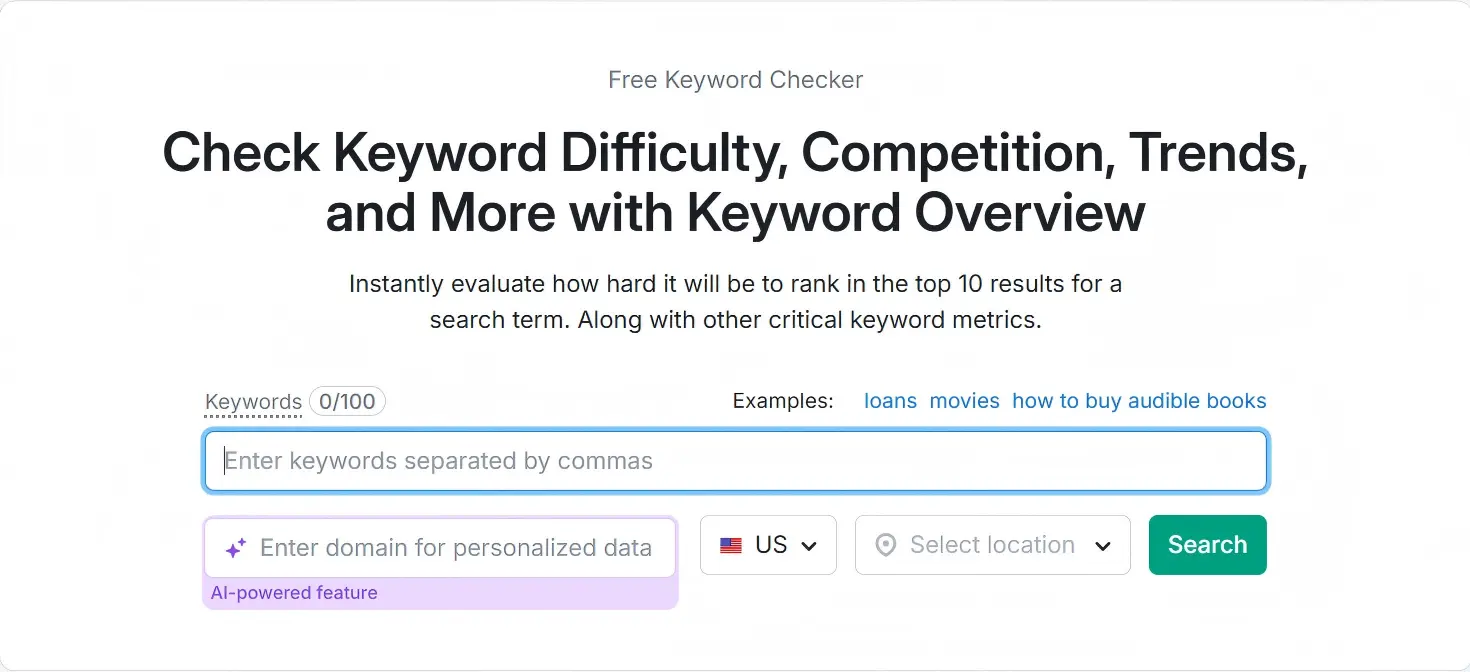
Figure 5. Semrush Keyword Research Tool
6. SEO content
SEO content is all about meeting the needs of searchers, bringing new information to the discussion, and making it as "relatable" as possible. Otherwise, your content may not rank and cause search traffic problems.
Having conducted keyword research, you'll find a suitable topic. This topic should possess traffic potential, business potential, and ranking potential: a) Traffic potential: It should generate enough traffic to make your content creation efforts worthwhile. b) Business potential: It should allow you to naturally mention your products or services. c) Ranking potential: Your website should have the potential to rank for the target keywords.
By examining the top-ranking Google search results, observe what kind of content people are writing and summarize the writing dimensions. What is the main content type? Is it blog posts, product pages, videos, or something else? Are the top-ranking results all action guides, or lists, reviews, or comparisons? What methods are used in the top-ranking articles? Are they all talking about "the best," "the cheapest," or "suitable for beginners"? Secondly, follow EEAT's writing rules to create content that is both authentic and marketing-oriented.
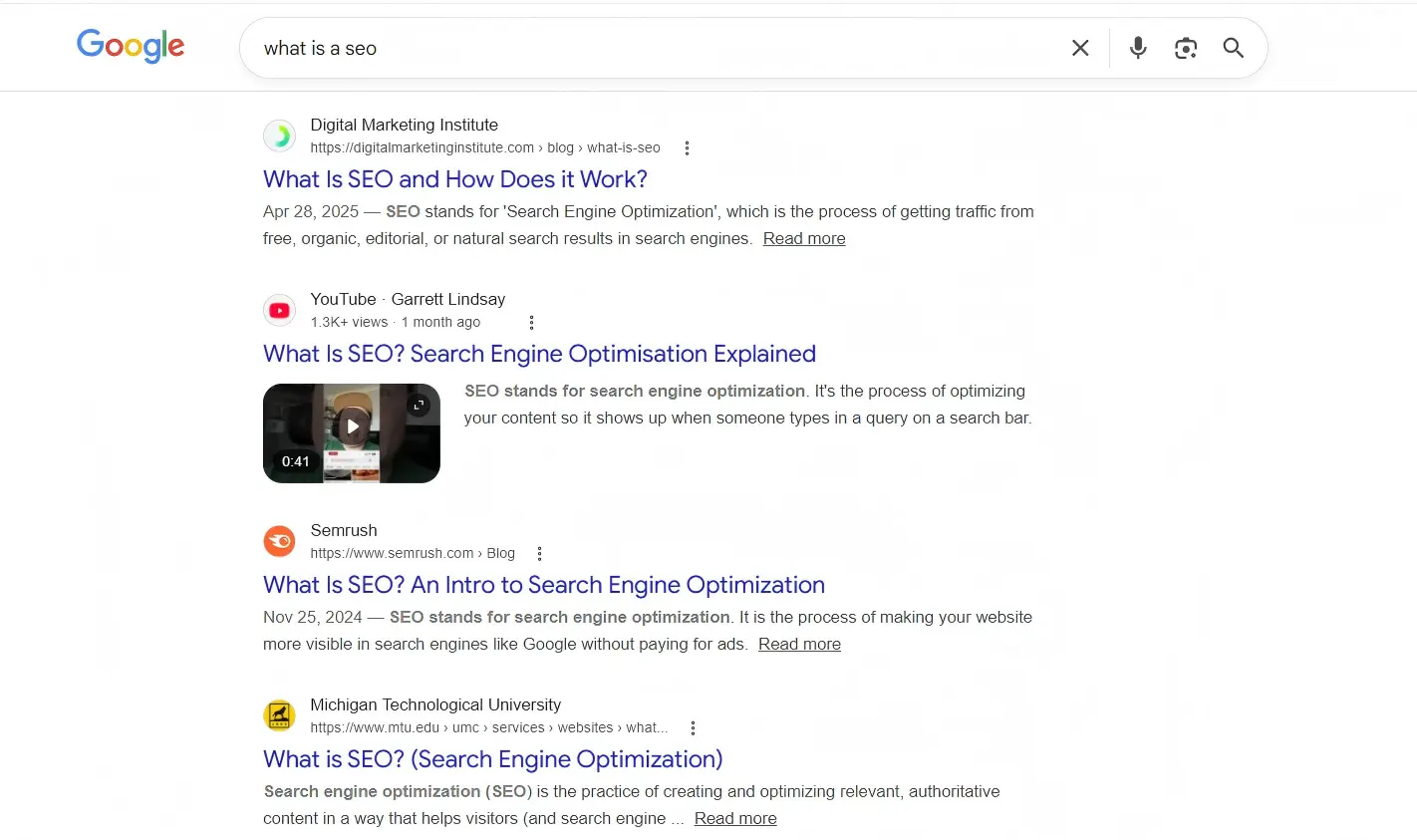
Figure 6 Screenshot of Google search results
7. Page SEO
On-page SEO is crucial because even minor changes can significantly impact a page's ranking, traffic, and visibility in AI GEO. This includes adjustments to "page title, URL (including breadcrumb navigation and anchor text), main heading (H1), subheadings (such as H2, H3, etc.), meta description, images (Alt text, formatting), introductory paragraphs," etc.
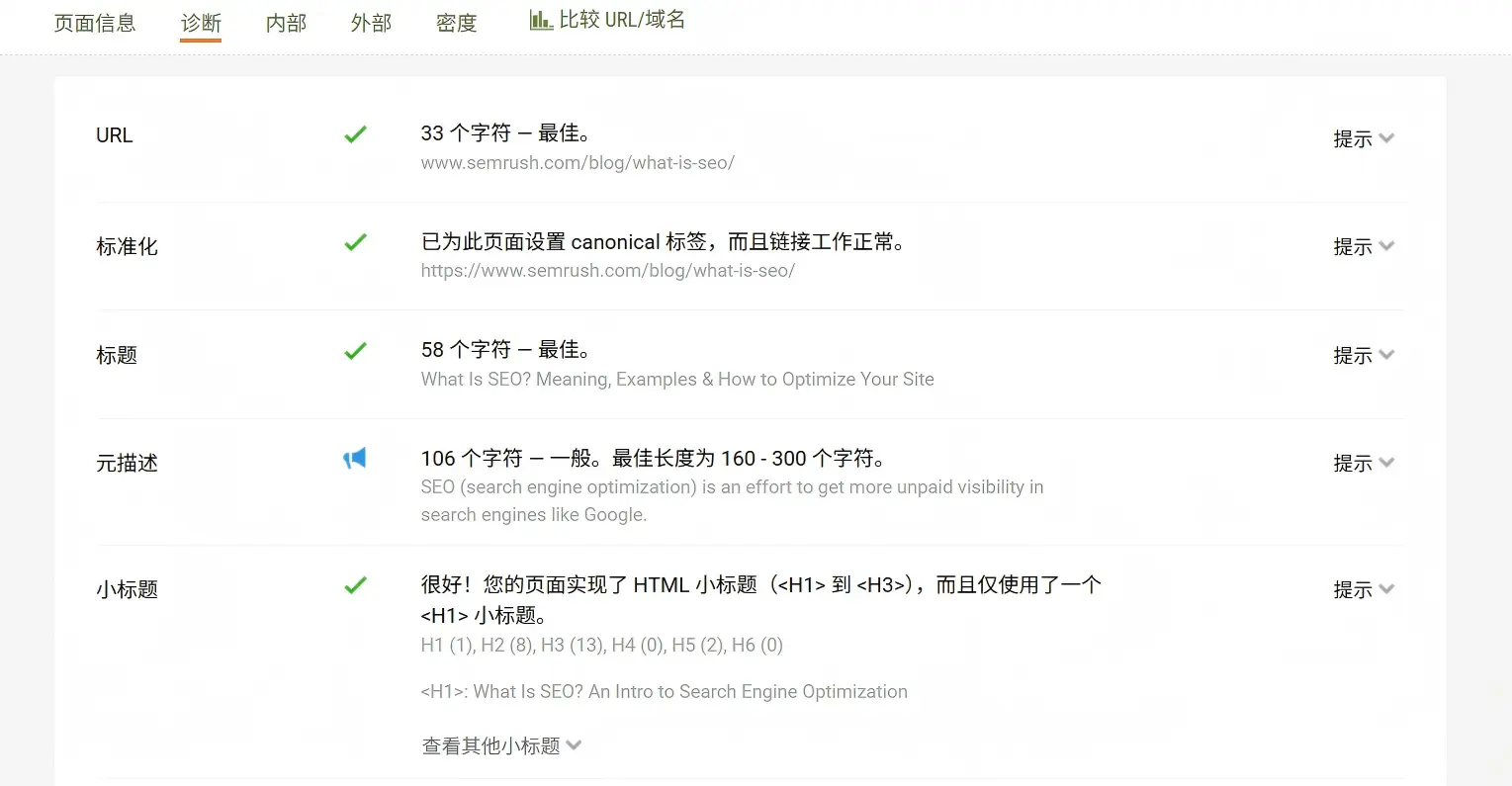
Figure 7 Screenshot of site monitoring results
8. Business website link building
When other websites link to your page, it's essentially telling Google that your page is important. This is basically the essence of Google's PageRank algorithm. So, what is link building? And how should you build links? It's recommended to start with basic links. For example: a) Create social media accounts (Facebook, YouTube, etc.). b) Submit to business directories. c) Comment on website lists. d) Post on forums, communities, and Q&A websites.
Secondly, you can create resource-based links such as "guest articles, industry media..." This type of content is more valuable and usually requires payment.
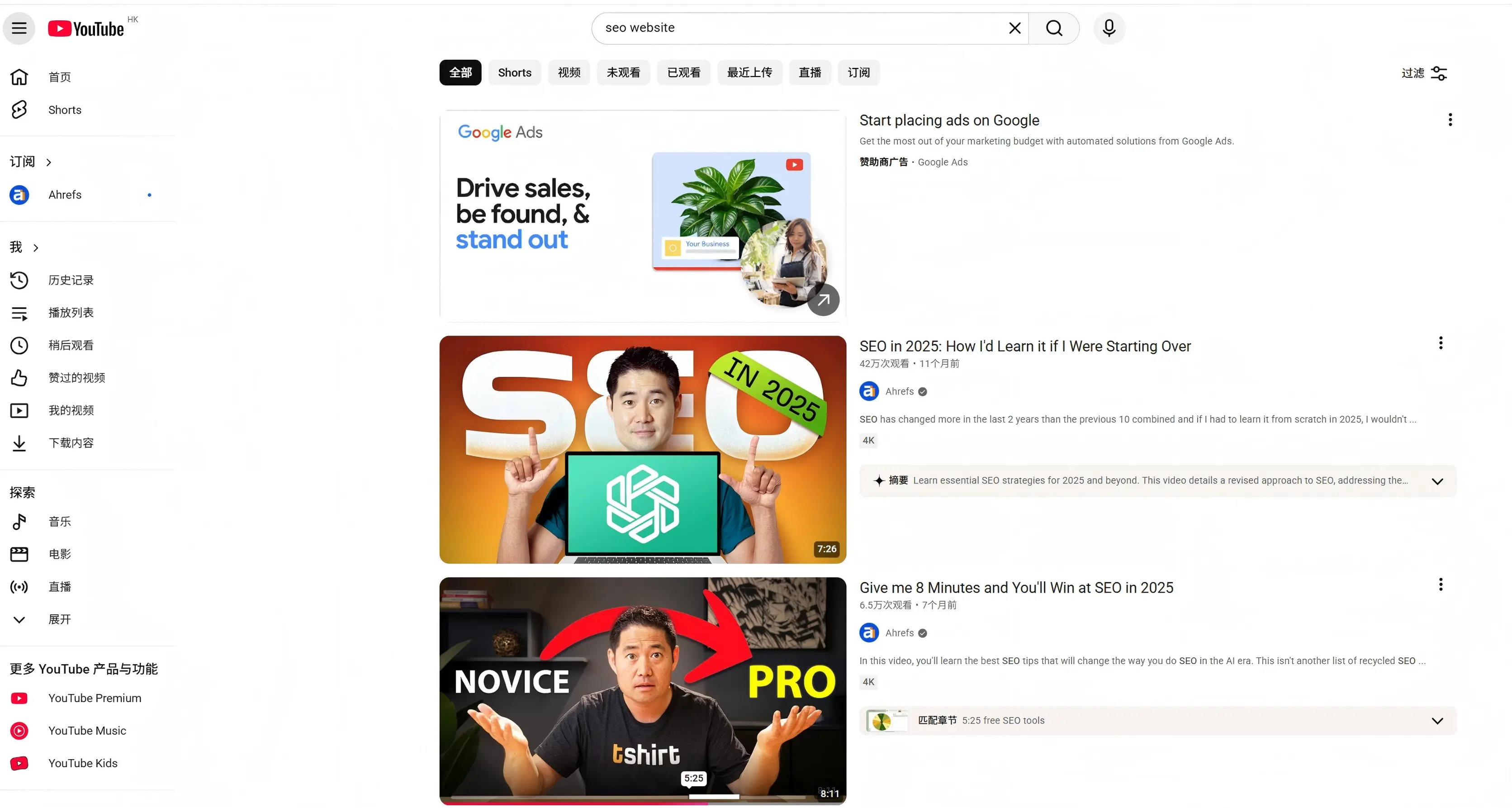
Figure 8 Screenshot of YouTube results
9. Technical SEO
For a webpage to rank well, it must be crawled and indexed by search engines. SEO (Search Engine Optimization) helps search engines find, crawl, understand, and index website pages. This mainly includes crawling and indexing management, website structure optimization, URL normalization, page speed improvement, mobile adaptation, structured data deployment, and website security. Essentially, it lays the foundation for a website's search visibility.
Technical SEO isn't about simply writing content or stuffing keywords; it's about ensuring a website is "searchable, understandable, and indexed correctly." Technical issues, such as pages not loading, too many duplicate pages, slow loading speeds, or poor mobile experiences, will negatively impact search engine rankings and traffic. Therefore, technical SEO is a crucial foundation for content SEO and overall search engine growth.
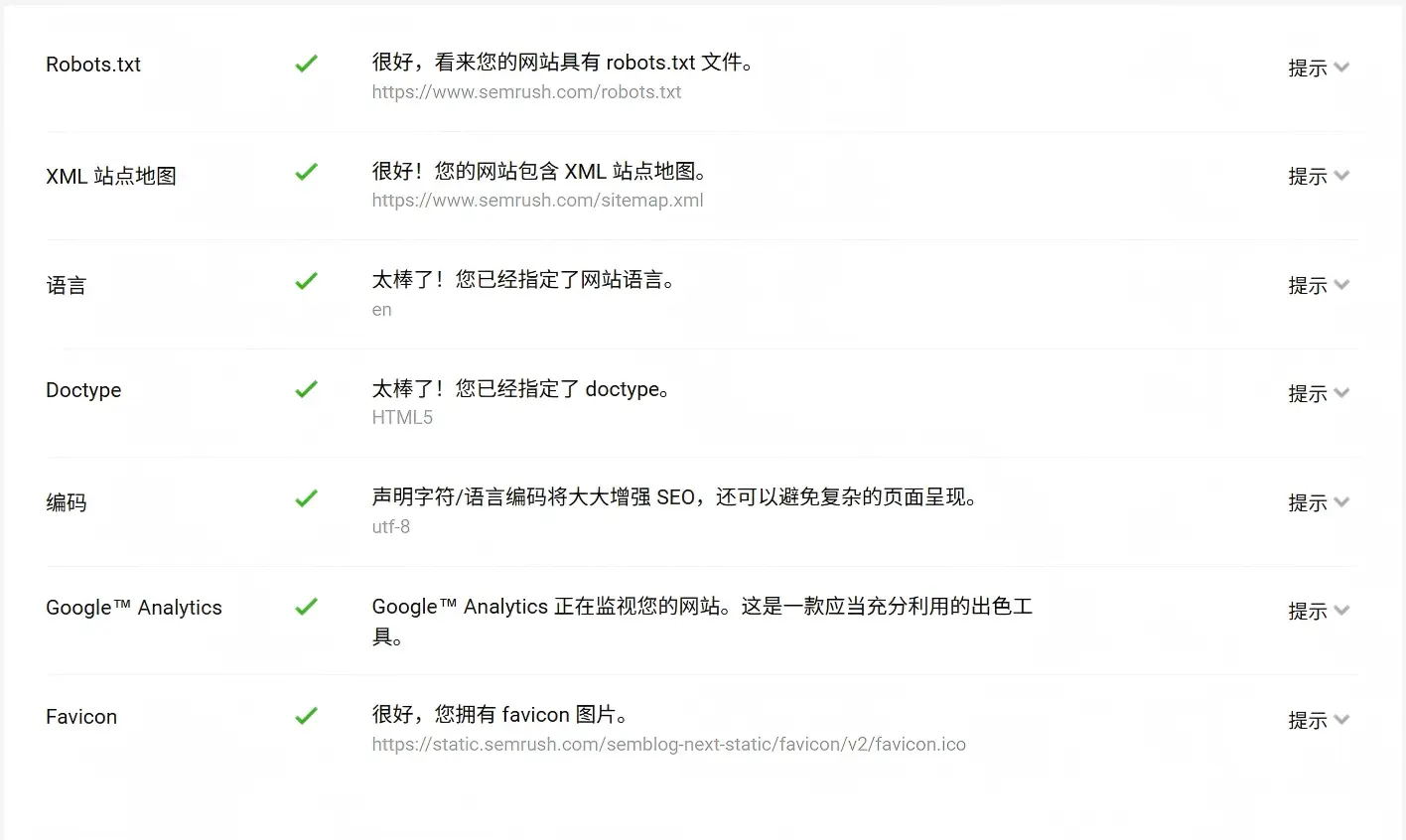
Figure 9 Screenshot of site monitoring results
Search engines work by using web crawlers to access billions of web pages. These crawlers, also known as spiders or robots, browse web pages and follow links to find new pages. These pages are then added to an index, from which search engines (and even AI assistants like ChatGPT) extract search results. Understanding how search engines work is crucial for business website SEO. After all, it's difficult to optimize if you don't understand how search engines work.
Follow us to master business website SEO, taking you step-by-step from a novice to a practical expert. From keyword research to technical SEO, we'll help you make your business website generate traffic, inquiries, and profits.

What does international social media management service include? 2026 Guide to Social Media Management for Export Businesses
2026-10-28
How to write a WordPress product page that will make overseas buyers want to send inquiries?
2026-10-28

How to fix WordPress form emails not sending: Practical WP Mail SMTP configuration
2026-10-27
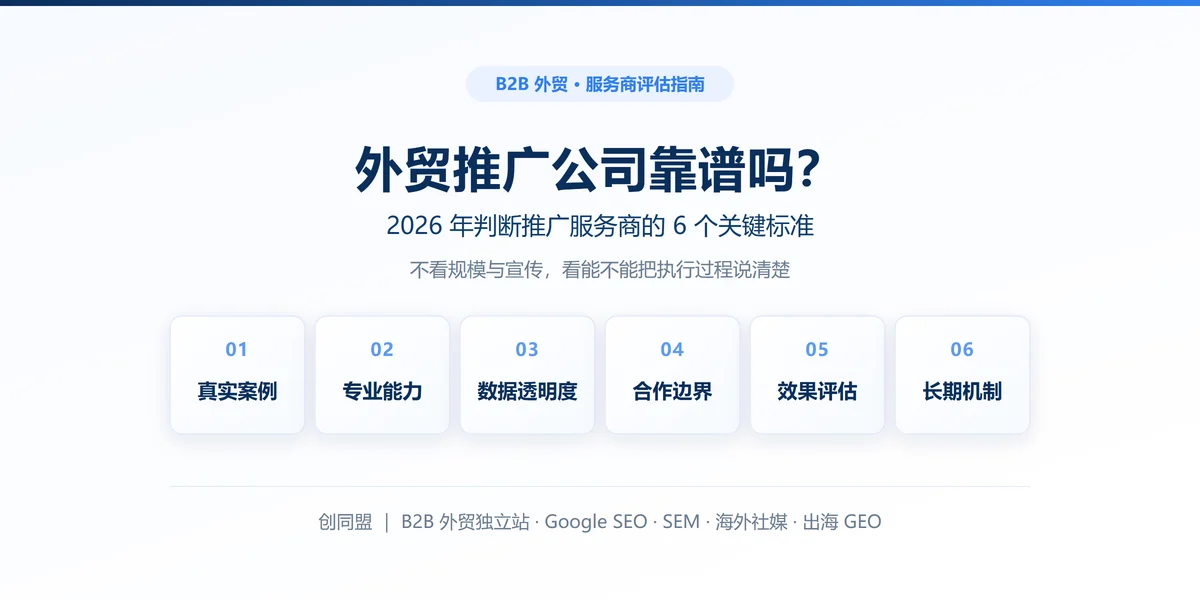
Are foreign trade promotion companies reliable? Six key criteria for businesses to judge promotion service providers in 2026.
2026-10-26
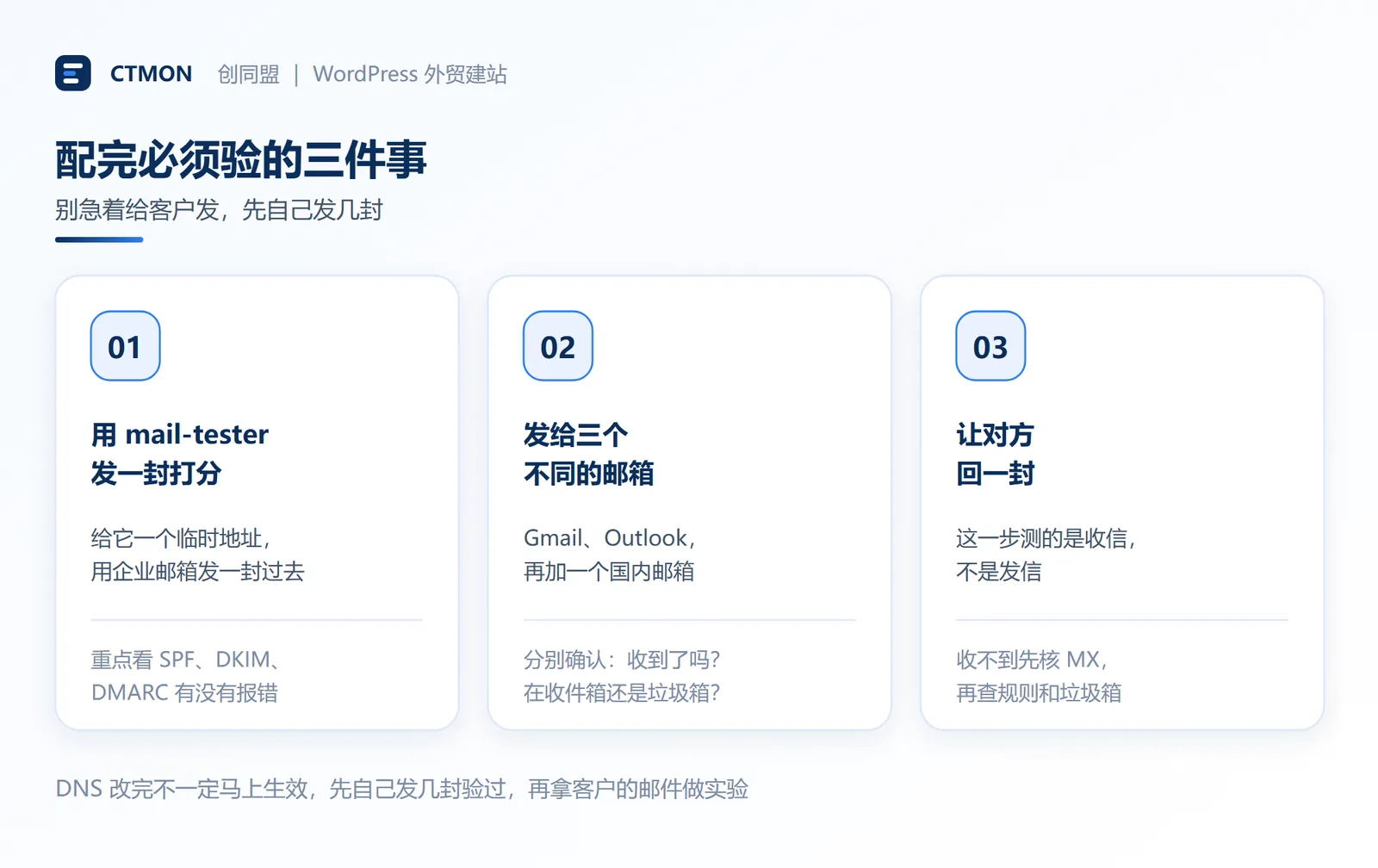
How do I set up an email account for export businesses? How can I configure it to avoid it ending up in the spam/junk mail folder?
2026-10-26
Related Articles
What are the differences between Google SEO and Google Ads? Which should B2B export businesses do first?
2026 Shenzhen Google SEO Optimization Company Recommendations: Service Provider Comparison and Selection Guide
How to improve Google rankings through SEO optimization for international trade? 7 practical methods and steps.
Recommended Shenzhen B2B export website operation company: How to choose a suitable international lead generation service provider for your enterprise?
Why is the Google ranking of Shenzhen export businesses' business websites not improving?

