Contents +
Mobile-friendly SEO for business websites can double the conversion rate of inquiries in foreign trade!
Source: 创同盟
Date: 2026-06-10
Views: 372
Optimizing the mobile-friendliness of your business website is key to improving conversion rates. A significant portion of business website traffic now comes from mobile devices. Whether users can quickly see the products, understand the selling points, smoothly click on CTA buttons, and complete inquiries directly impacts marketing effectiveness. Many users aren't uninterested in the product itself, but are deterred by slow loading times, poor layout, pop-ups obstructing the view, and difficult forms on mobile devices. Optimization can reduce bounce rate, increase dwell time, and prevent valuable traffic from being wasted on poorly designed pages.
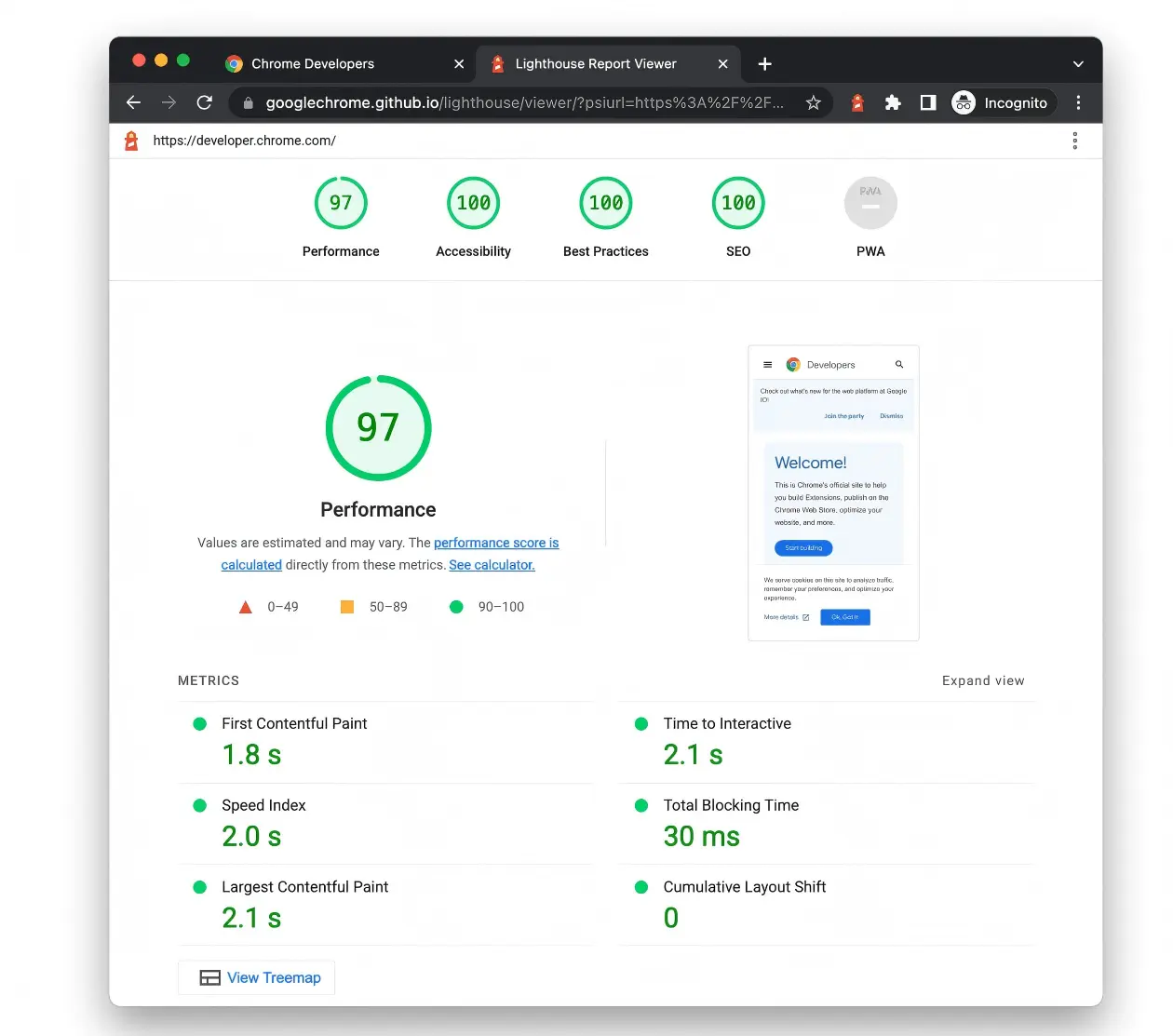
Figure 1 Mobile PageSpeed Insights
For business websites, users are more concerned with whether the page is professional, whether the product/solution content is clear, and whether the service process is transparent. A website with a good mobile experience makes users feel that the brand is legitimate and reliable, thereby increasing their willingness to place an order and also helping with repeat purchases and word-of-mouth marketing. Mobile optimization not only affects immediate sales but also SEO performance, organic traffic acquisition, and overall operational efficiency. The better the page speed, interactive experience, and mobile usability, the better it is for search engine ranking.
I. Three Key Optimization Points for Business Website SEO
1. Build according to mobile page specifications
In business website SEO, mobile-friendly design is paramount, so focus on one core principle: build your website according to mobile-first indexing standards. Google has implemented mobile-first indexing, prioritizing mobile content for crawling and indexing. Responsive design is also officially recommended because consistent URLs and HTML are easier to maintain and crawl. Therefore, ensure that the core content, titles, body text, images, internal links, and structured data are consistent across mobile and desktop versions. Avoid situations where content is present on desktop but omitted on mobile.
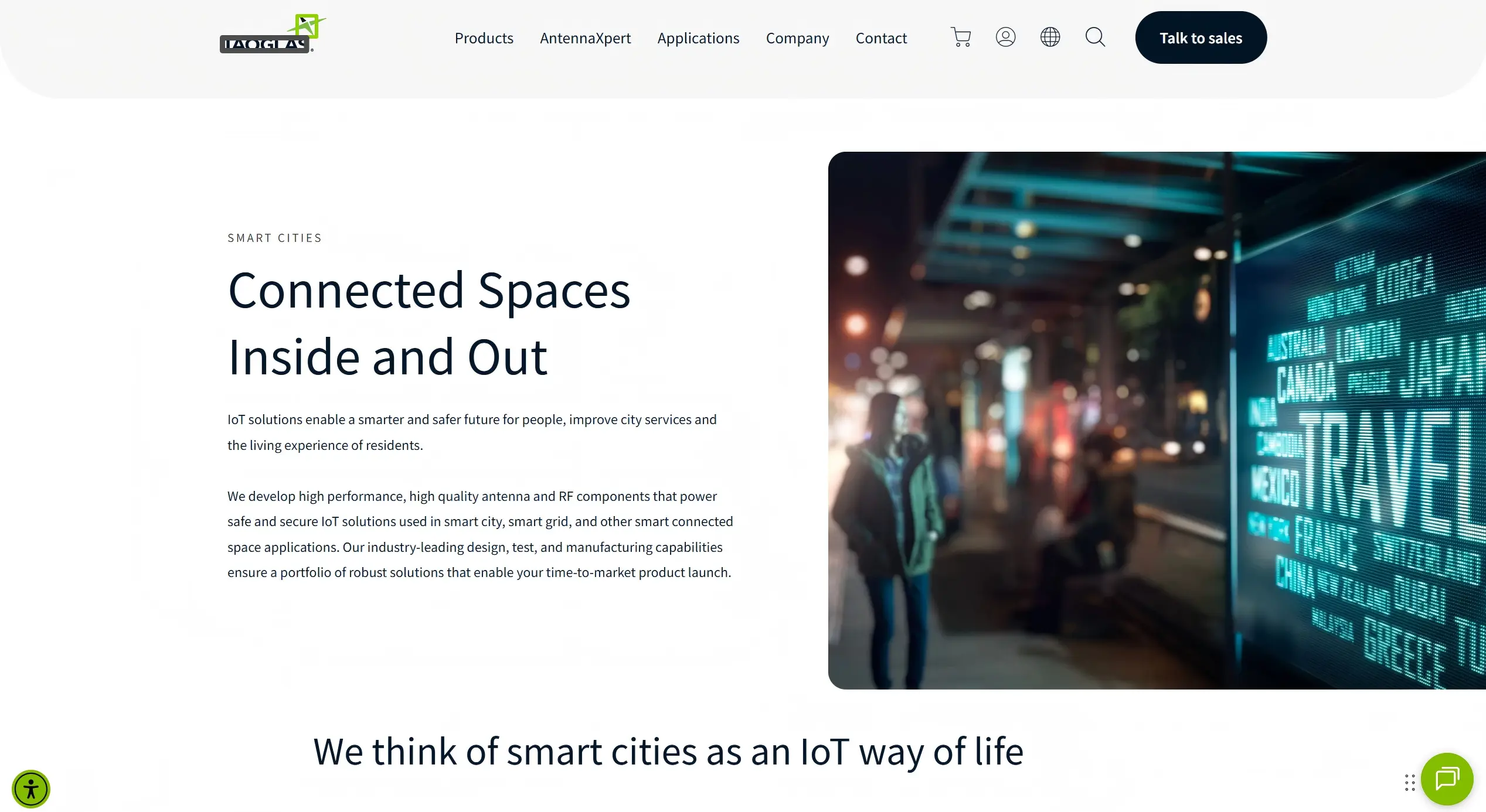

Figure 2 shows that the content and structure of the PC mobile page are consistent.
2. Optimize speed and page experience
The focus should be on optimizing speed and page experience. Google still strongly recommends that sites optimize Core Web Vitals, with key metrics being LCP, INP, and CLS. Common target values are LCP ≤ 2.5 seconds, INP ≤ 200 milliseconds, and CLS ≤ 0.1. For business websites, this translates to compressing the initial image, reducing blocking scripts, controlling the number of third-party plugins, delaying non-critical JavaScript, setting explicit width and height for images, and preventing layout jumps.
Regarding lazy loading on mobile devices, Google also advises against making the main content load only after swiping or clicking, otherwise web crawlers may not be able to retrieve the complete content. The following tools can be used to optimize and inspect mobile pages;
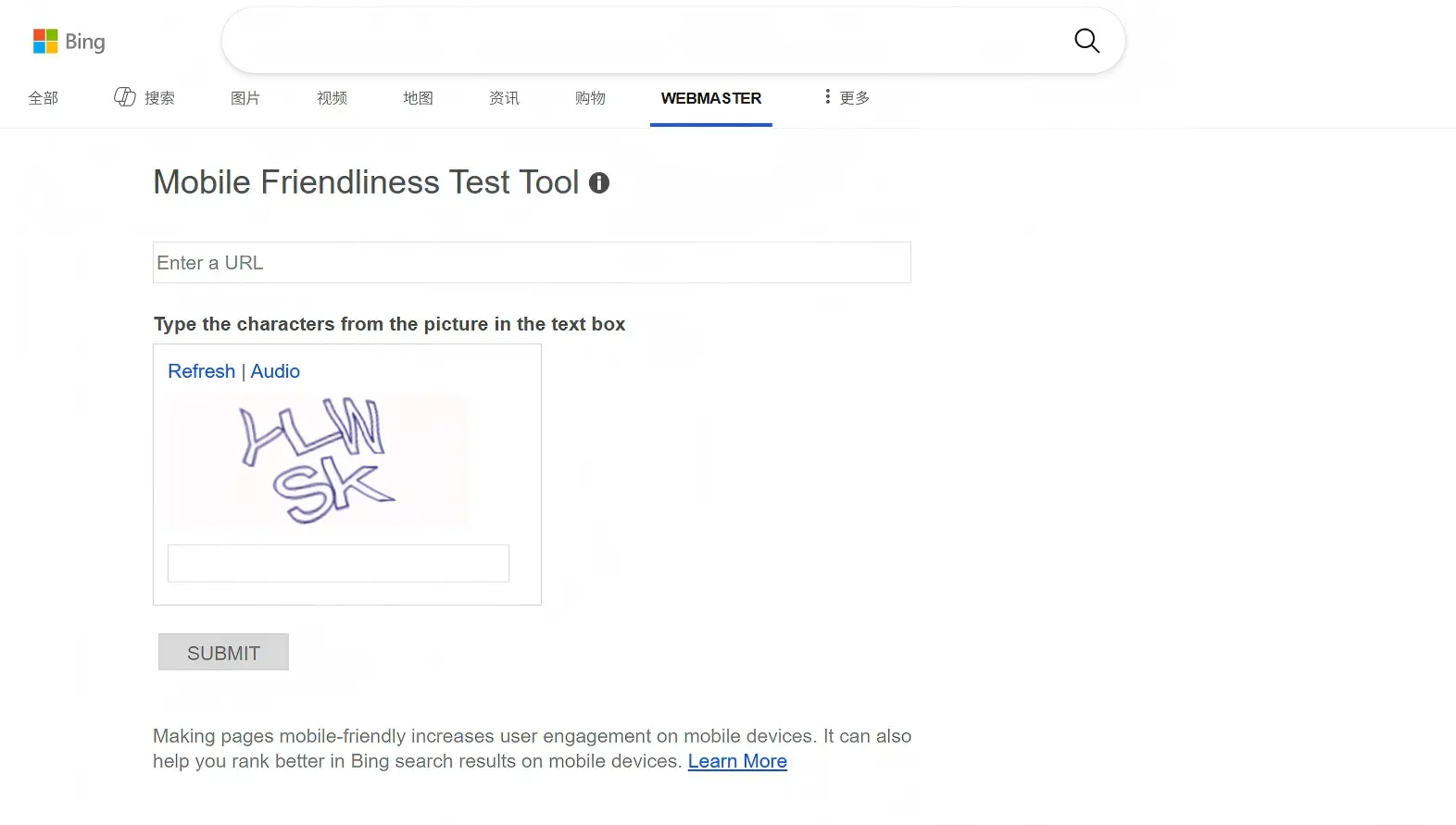
Figure 3 Mobile Friendliness Test Tool
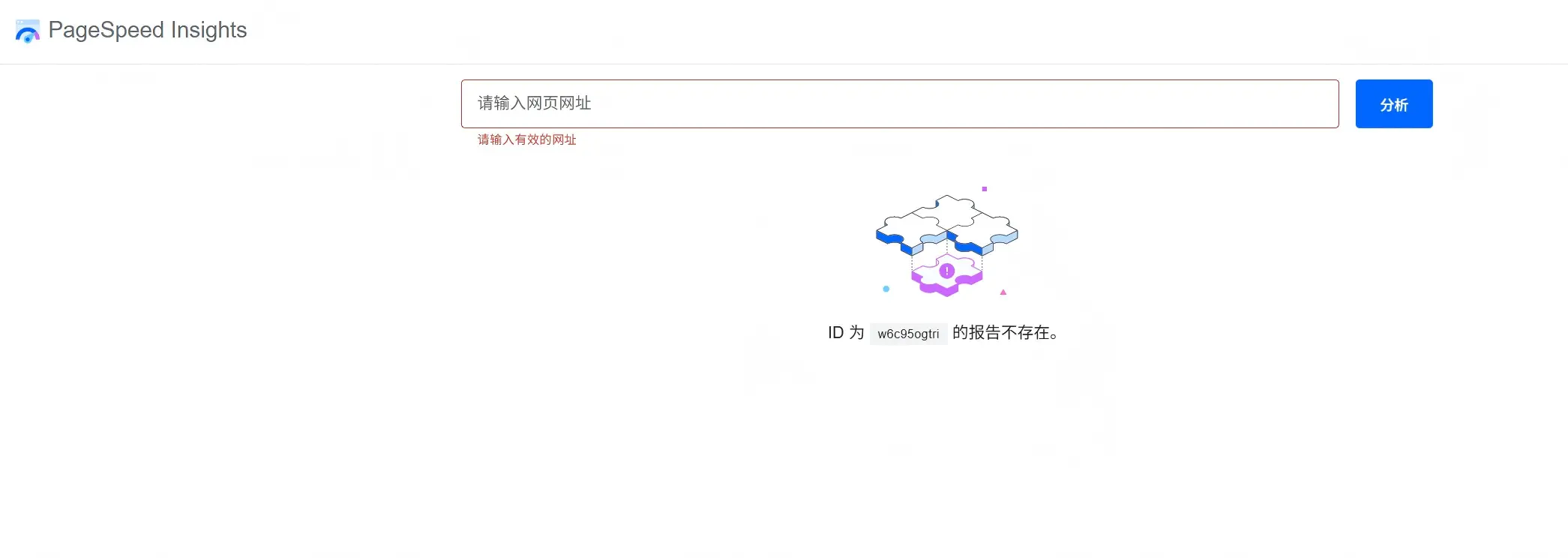
Figure 4 PageSpeed Insights
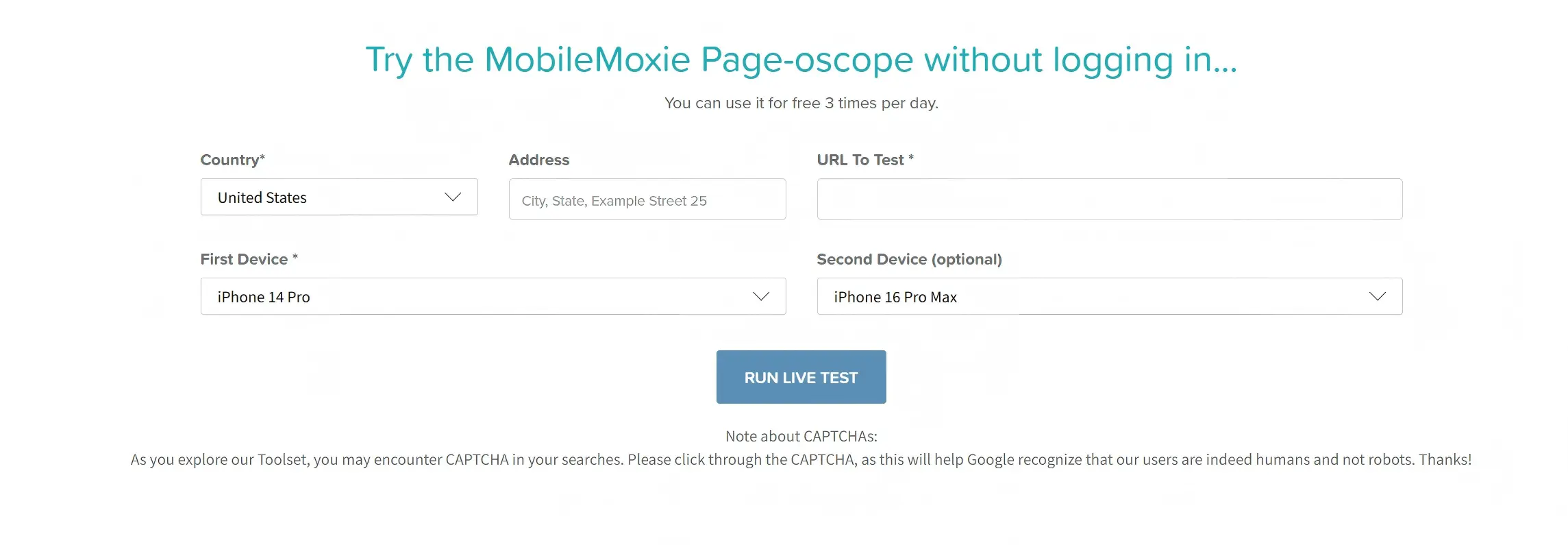
Figure 5 Page-oscope
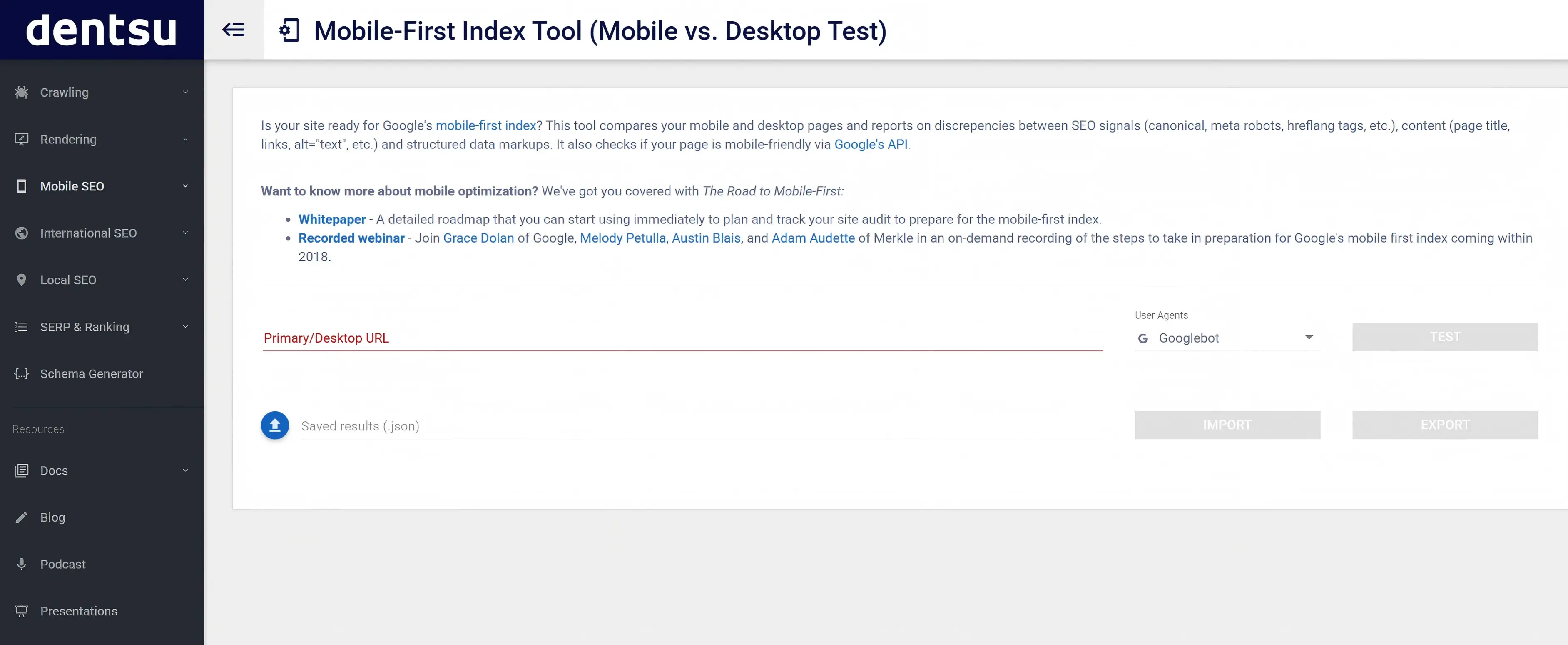
Figure 6 technicalseo
3. Mobile crawlability and readability
The page should have proper viewport settings, text that is legible without needing to be enlarged, and clickable areas for buttons and links that are large enough. Horizontal scrolling should be avoided. Simultaneously, ensure that CSS, JS, and image resources are not blocked from crawling by robots.txt. Special attention should be paid to product pages: the main title, price-related text, description, reviews, FAQs, breadcrumbs, image alt text, and structured product data should all be correctly output to search engines on mobile devices, not just displayed after front-end interaction. HTTPS remains a basic requirement.
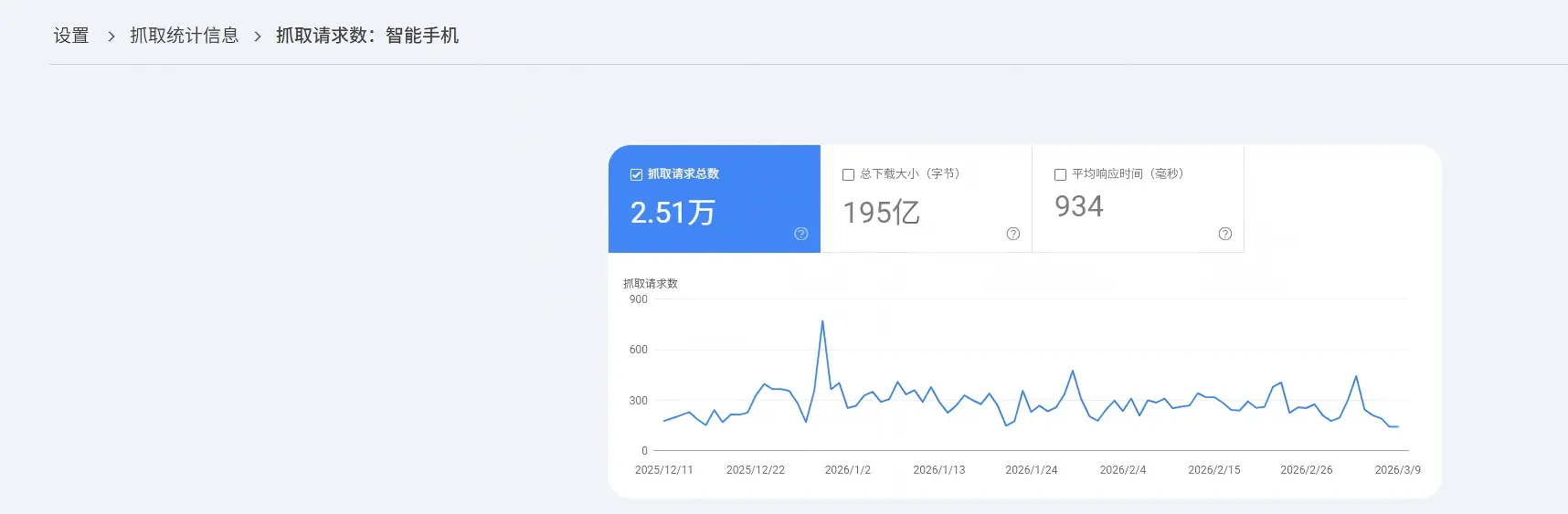
Figure 7. Statistics of information captured from mobile devices
Use Lighthouse or PageSpeed Insights to monitor mobile performance, focusing on templates for the homepage, category pages, product detail pages, and blog pages. Retest before and after launching new themes, plugins, and pop-ups. From an SEO perspective, you can follow this order: responsive, consistent content → improve mobile speed → ensure resources are crawlable → reduce distracting pop-ups → check structured data and internal link integrity. The result of this approach is not just a better user experience, but also greater ease with which Google can crawl, understand, and evaluate your pages.
II. Clarity of Business Website SEO
This business website user behavior analytics tool helps you understand how users interact with your website. Supported features include: meeting recordings, heatmaps, machine learning insights, and a data scraping tool to improve page user-friendliness.
Use Clarity in some or all of the following scenarios (and more): Enable your clients or management to make data-driven decisions about which methods work and which don't. Test which content works best and where to place it on the page. Understand confusing elements on your webpage. Identify user behavior and add the necessary content to your page. Test and publish new ideas on your webpage. Research user click and scroll behavior. Clarity supports click graphs, scroll graphs, region graphs, conversion graphs, and attention graphs.
Heatmaps help you see user behavior across different sessions, making it easy to identify which content on a page is effective and which isn't. For example, by looking at scroll maps, you can understand if the element hierarchy on the page is correct. View click maps to see if your CTAs are getting attention. View conversion maps to discover the clicks that generate the most revenue.
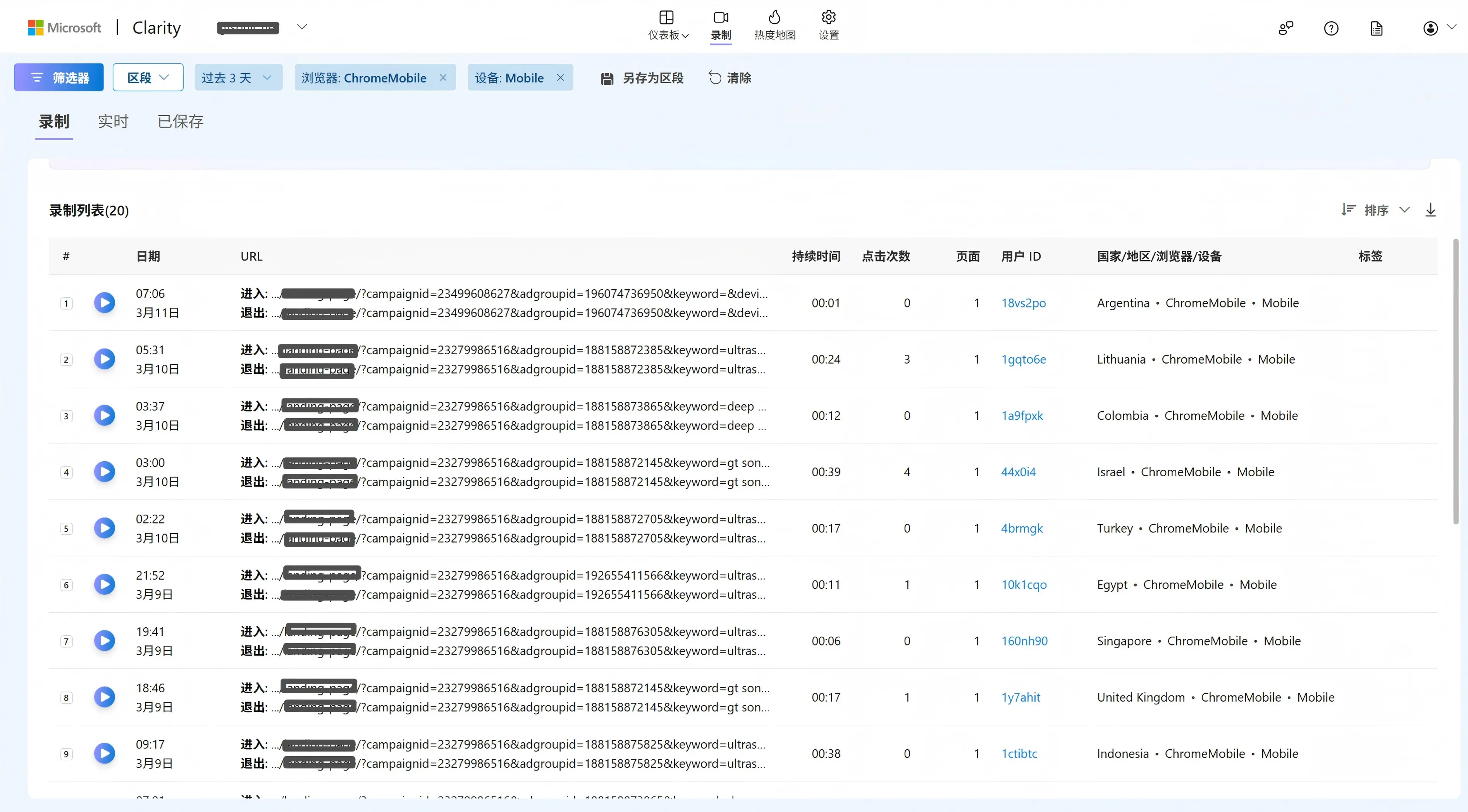
Figure 8 Clarity Page Data Tool
Optimizing mobile-friendliness for business website SEO requires attention to both user browsing experience and search engine rules. In the next installment, we'll provide a detailed explanation of website behavior tools to improve user experience. If you have any questions about optimizing page content structure, please contact us so we can discuss them together!

What does international social media management service include? 2026 Guide to Social Media Management for Export Businesses
2026-10-28

How to write a WordPress product page that will make overseas buyers want to send inquiries?
2026-10-28

How to fix WordPress form emails not sending: Practical WP Mail SMTP configuration
2026-10-27

Are foreign trade promotion companies reliable? Six key criteria for businesses to judge promotion service providers in 2026.
2026-10-26

How do I set up an email account for export businesses? How can I configure it to avoid it ending up in the spam/junk mail folder?
2026-10-26
Related Articles
What are the differences between Google SEO and Google Ads? Which should B2B export businesses do first?
2026 Shenzhen Google SEO Optimization Company Recommendations: Service Provider Comparison and Selection Guide
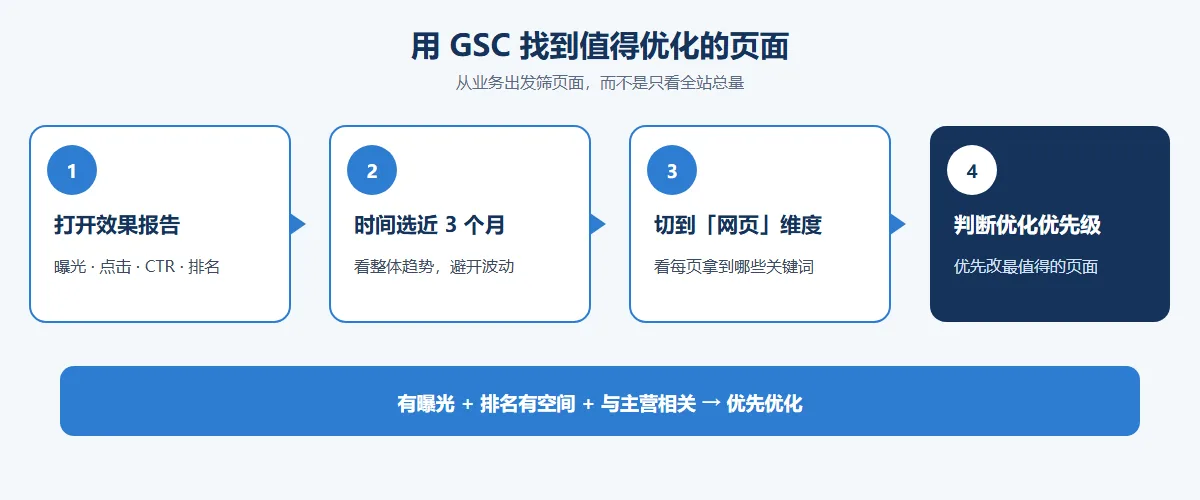
How to improve Google rankings through SEO optimization for international trade? 7 practical methods and steps.

Recommended Shenzhen B2B export website operation company: How to choose a suitable international lead generation service provider for your enterprise?

Why is the Google ranking of Shenzhen export businesses' business websites not improving?

