Contents +
For business website SEO, the most crucial aspect is structured data. What tools can be used?
Source: 创同盟
Date: 2026-06-09
Views: 1308
In the technical SEO of business websites, the core of structured data isn't about creating as much as possible, but rather about prioritizing data types that are truly supported by Google and cover the core page templates. The most important principle is: structured data should help search engines understand page content, not just be a collection of code.
Below is a link to Google's rules for structured data on business websites. https://developers.google.com/search/docs/appearance/structured-data/intro-structured-data? structured data can give you more engaging search results and may encourage users to interact more with your website—this is what rich media search results are all about.
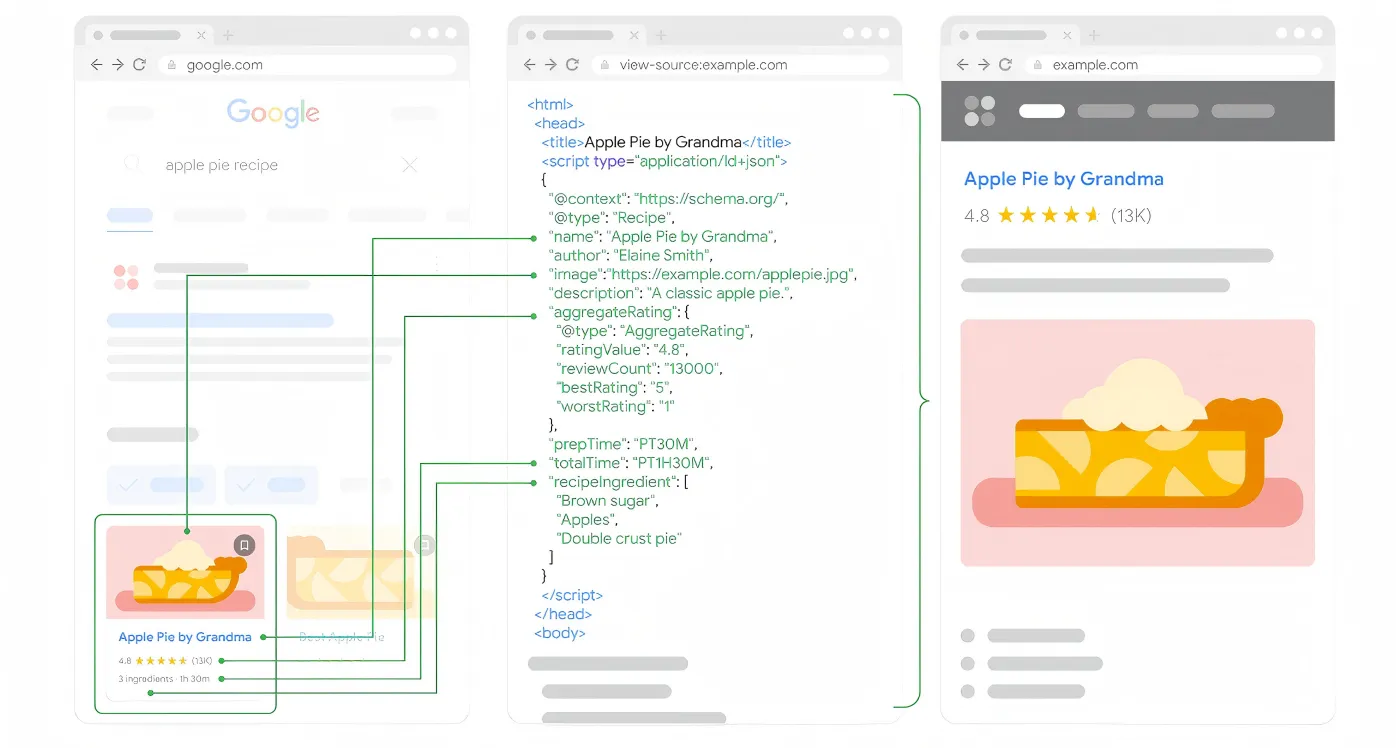
Figure 1: Schematic diagram of structured data
For most business websites, the most prioritized structured data includes: Product/Offer for e-commerce sites, BreadcrumbList suitable for all sites, Organization/Online Store related to brand identity, Article/BlogPosting commonly used for content pages, and FAQPage suitable only for genuine Q&A pages.
In terms of page type, the homepage typically houses the Organization or Online Store, category pages the BreadcrumbList, product detail pages the Product, Offer, and BreadcrumbList, blog or tutorial pages the Article, and FAQ pages the FAQPage. The best practice is to bind these schemas to the site template, rather than adding them manually page by page. Below is the structured data content for a blog page;
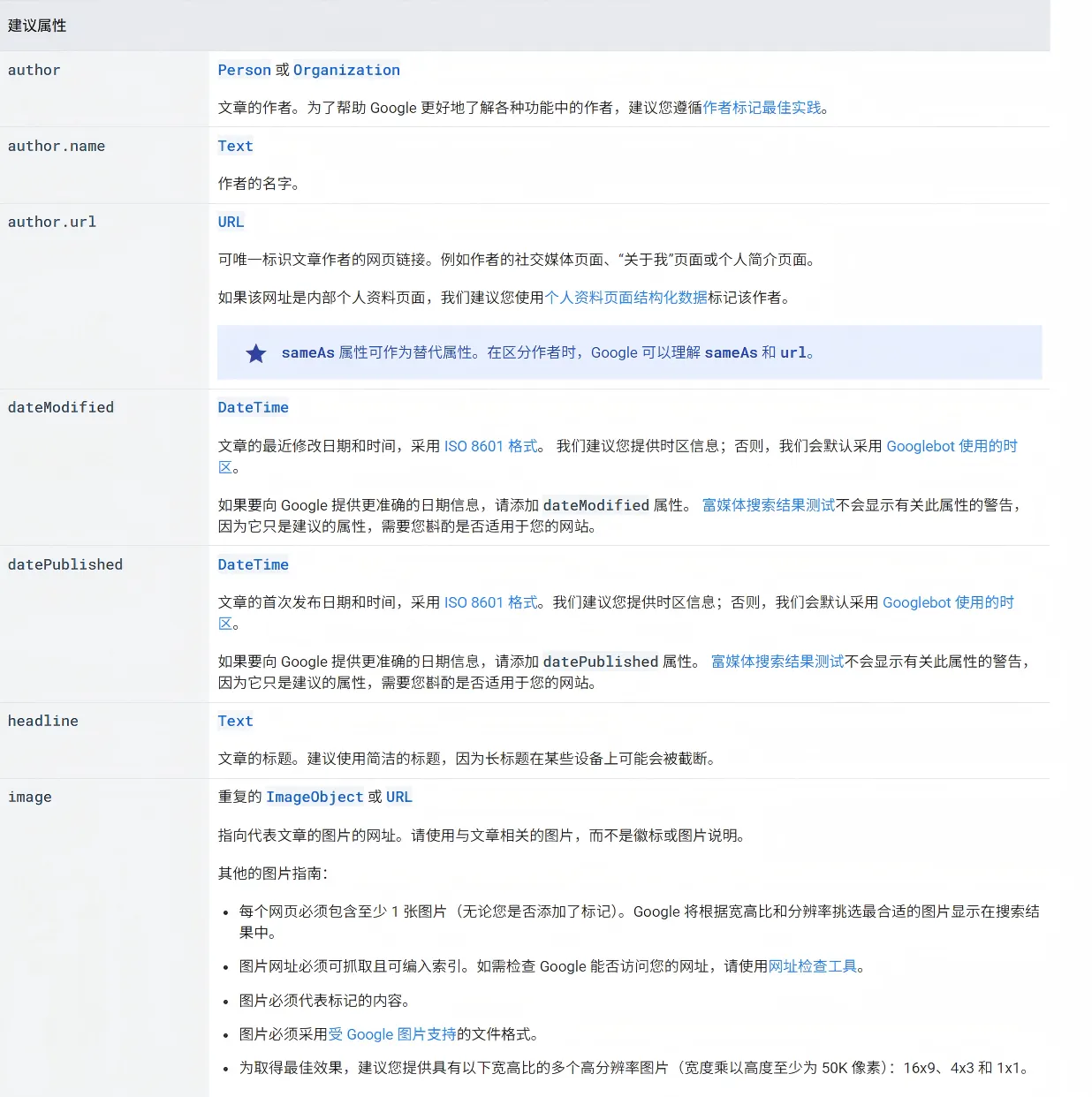
Figure 2: Blog Structured Data Table
Among the implementation methods for structured data, JSON-LD is the most recommended solution because it is easier to manage, maintain, and debug uniformly, and it is also more suitable for batch output from CMS, Shopify, WordPress, or self-built websites. A truly mature approach is to have fields such as title, price, inventory, breadcrumbs, and publication time automatically generated from the page data.
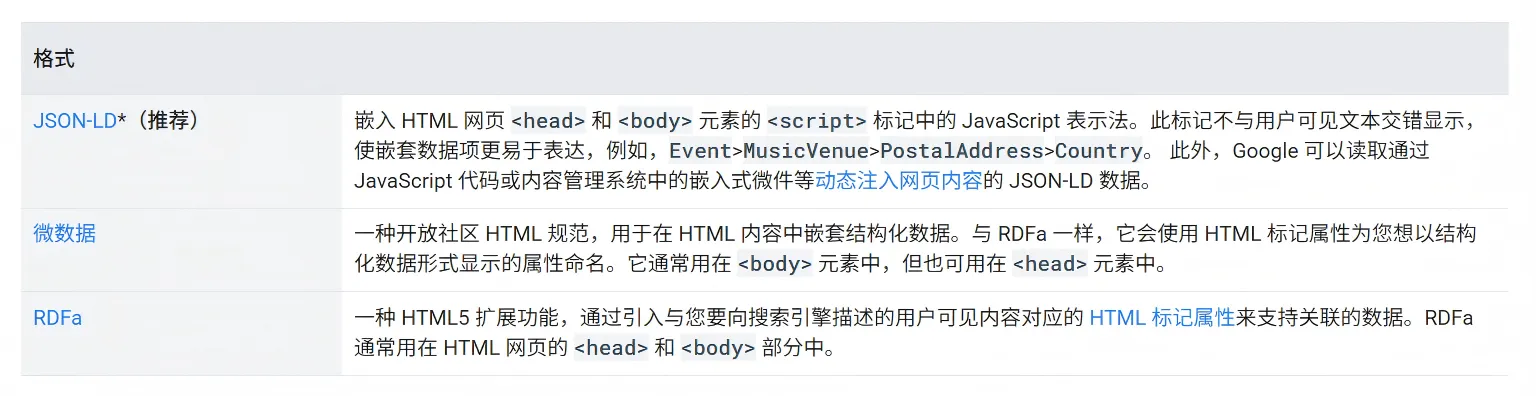
Figure 3: Optimal Recommendation for Structured Data
The most crucial point when creating structured data is that the marked content must match the actual content visible on the page. You can't list ratings when there are no reviews, FAQs when there are no FAQs, or fill in data without actual prices and inventory. Otherwise, even if the syntax is correct, Google might ignore it, potentially impacting the page's trust rating.
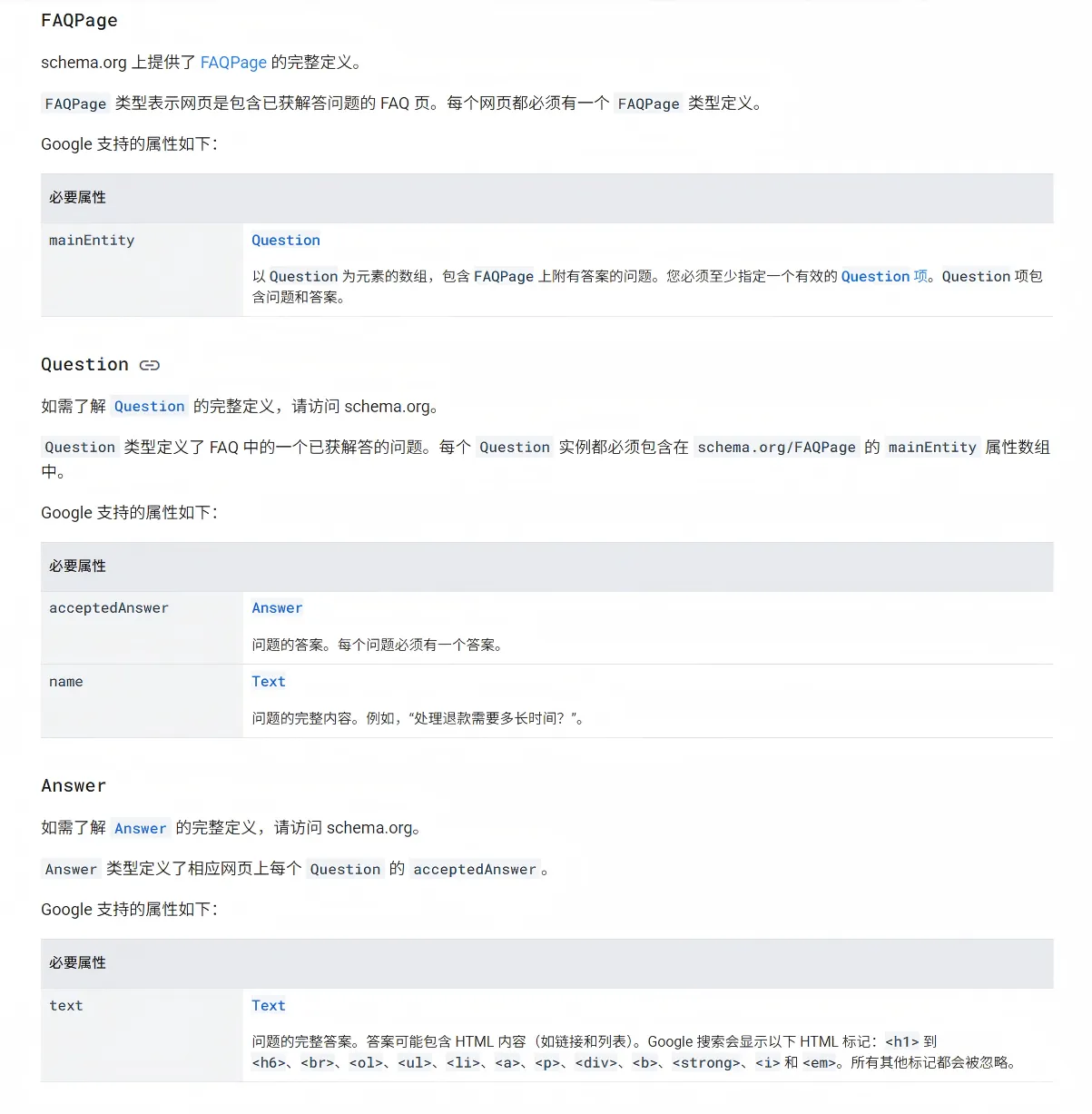
Figure 4: FAQs Structured Data Table
The common problem isn't "not knowing how to code," but rather going in the wrong direction. For example, cramming numerous schemas into each page, creating a schema.org type that isn't a rich result type supported by Google, or never checking the results after deployment, causing all data to become invalid when the result template is changed. Therefore, structured data must aim for "less is more, more accurate, scalable, and continuously monitorable."
The following is an explanation of tools for structured data, to help you use these tools to improve and optimize the structured data of your business website, ensuring that your business website can display rich media search results in Google search.
1、validator.schema.org
validator.schema.org is primarily used to validate Schema.org data in web pages, supporting the inspection of common markup formats such as JSON-LD, RDFa, and Microdata. It can perform checks by inputting the web page URL or directly pasting code, extracting the identified structured data content to help you check whether entities, attributes, and relationships are correctly parsed, and to identify syntax errors, structural anomalies, and other issues. According to the official documentation for Schema.org , it can also handle structured data dynamically injected via JavaScript.
It's better suited for checking whether the Schema.org tag itself is written correctly, whether the type and attributes are properly matched, and what structured data the page ultimately outputs. It's important to note that it's not a Google rich results eligibility checker, nor does it determine whether a page meets the requirements for a particular type of Google search enhancement; its focus is on verifying the semantics and structure of Schema.org .
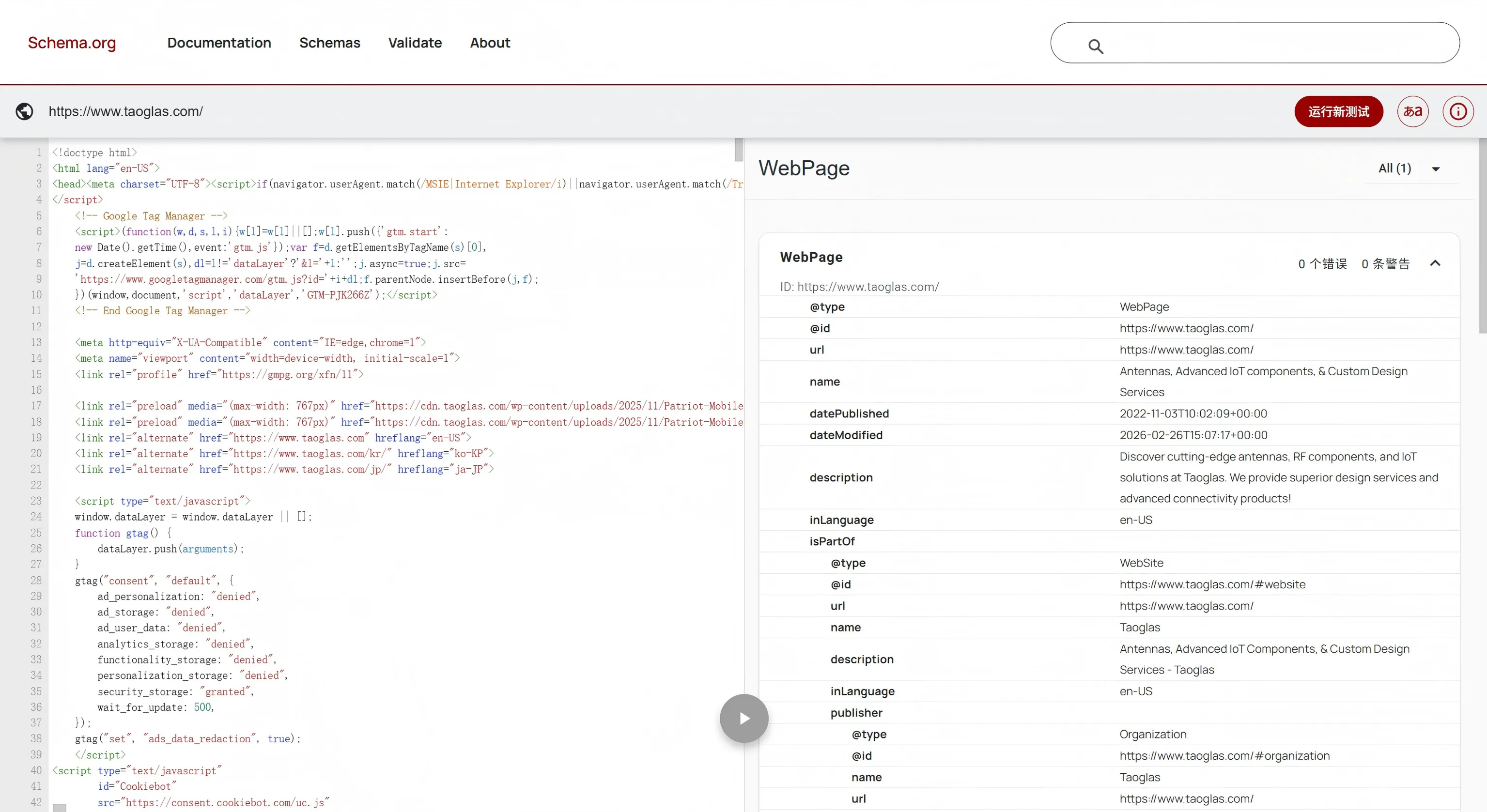
Figure 5: Screenshot of tool inspection
Link: https://validator.schema.org/
2、Google's Rich Results Test
Rich media search results refer to a user experience that goes beyond the standard blue link, offered across various Google platforms such as Google Search. These search results may include rotating content, images, and other non-text elements.
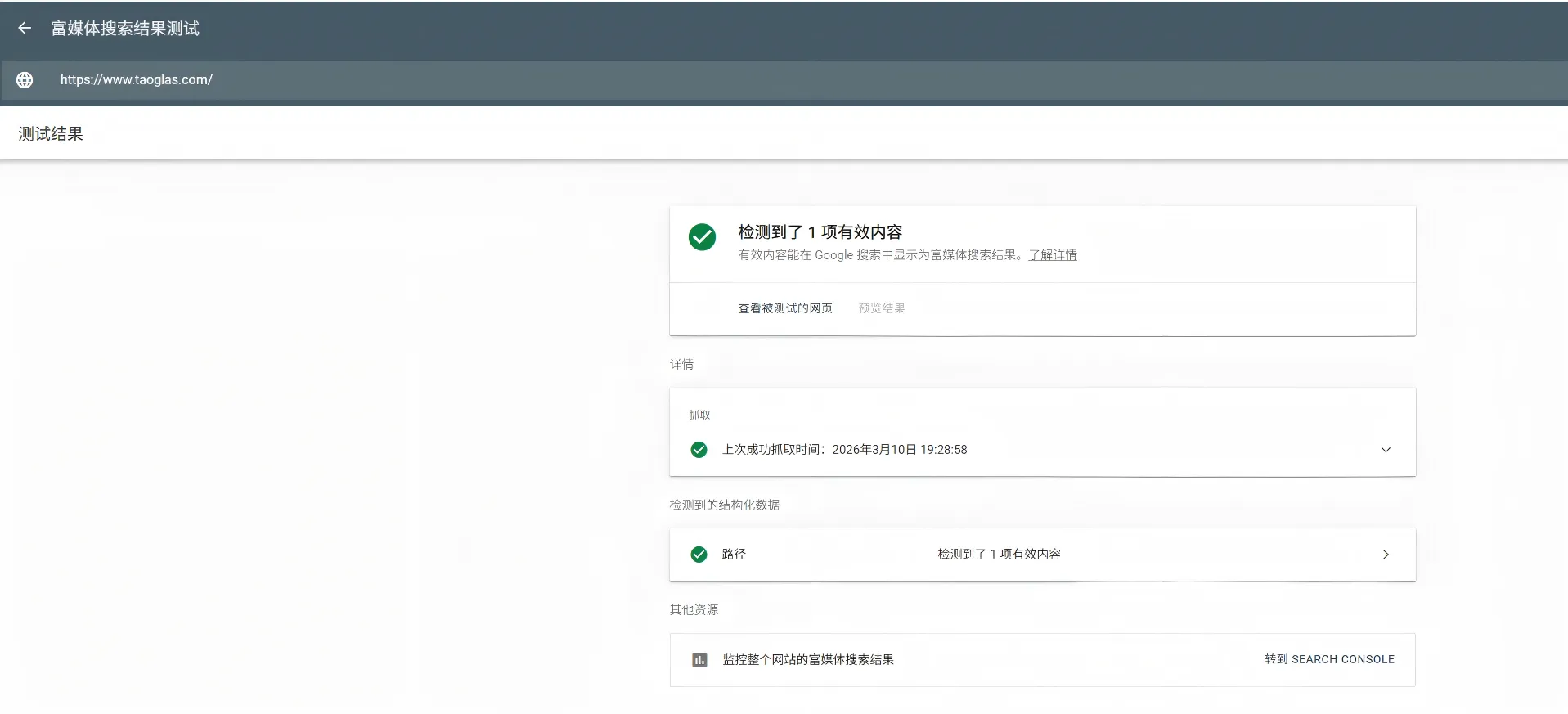
Figure 6: Screenshot of tool inspection
Link: https://search.google.com/test/rich-results
3、Classy Schema
Classy Schema is a structured data tool for SEO, primarily used to generate, view, test, and visualize structured data in web pages. It supports outputting two common formats based on the Schema.org vocabulary: JSON-LD and HTML/Microdata. This helps website operators, SEO professionals, and developers more efficiently write and deploy structured data, thereby increasing the likelihood of their pages appearing in Google's rich results.
This tool is unique in that it not only generates code but also provides a Structured Data Viewer for parsing structured data in web pages or code and visualizing the relationships between entities, making it easy to check the correctness of hierarchy, attributes, and connections. It is better suited for developing, debugging, and visualizing structured data; however, if further confirmation is needed regarding whether the page meets Google Rich Results display requirements, it is usually necessary to use it in conjunction with the Google Rich Results Test.
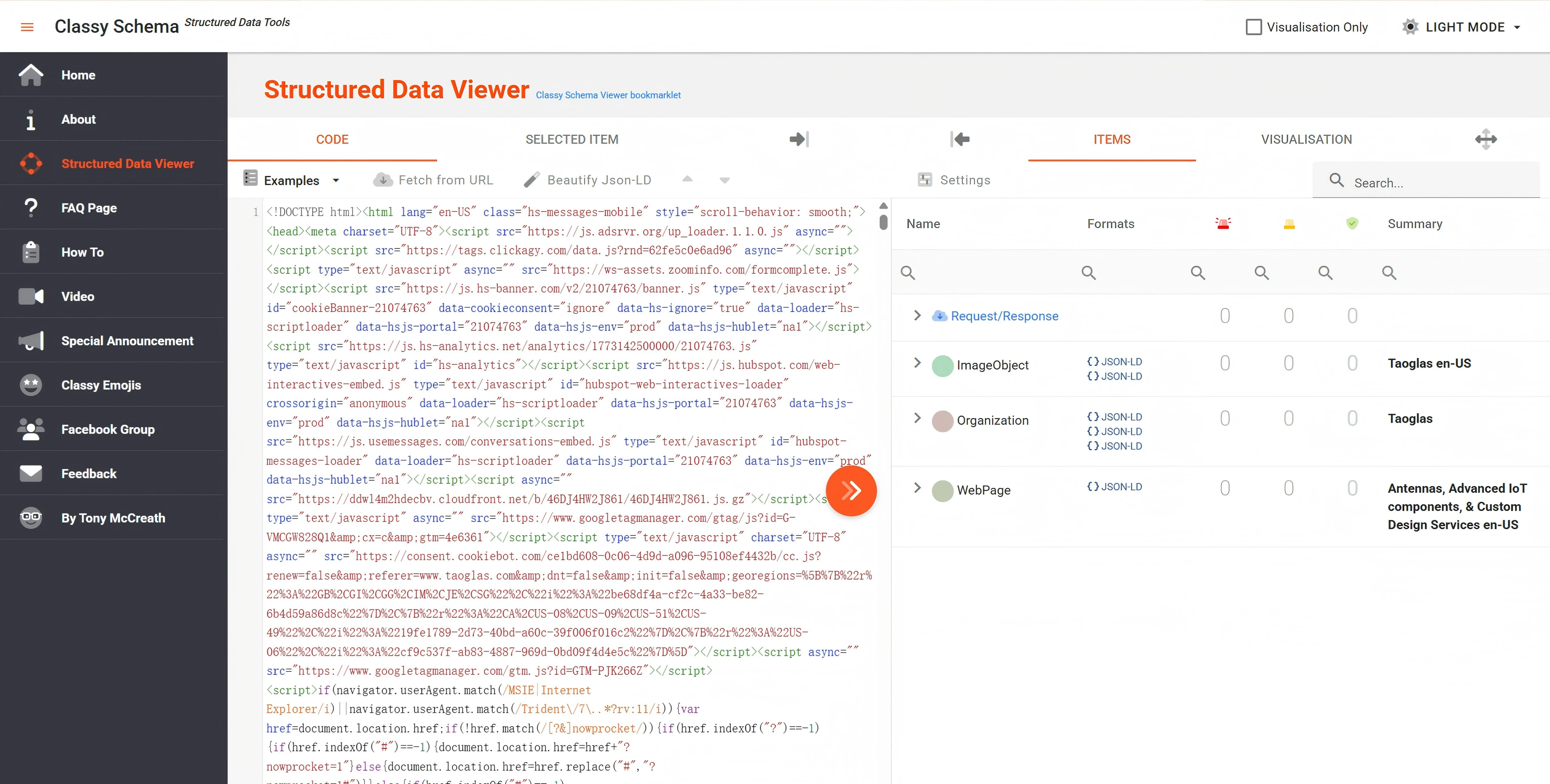
Figure 7: Screenshot of tool inspection
Link: https://classyschema.org/Visualisation
4、Rankranger
使用这款基于Schema.org 's structured data generator tool lets you easily create JSON-LD tags for FAQ pages, user guides, articles, job postings, local businesses, products, events, and people. The tool automatically includes the attributes needed for Google to generate rich media search results.
Therefore, this tool generates all the code needed to generate rich media search results. After filling in the required fields, click the "Validate" button to send the data to Google's Structured Data Testing Tool. To see if your page meets the criteria for rich media search results, click the "Test" button to access the Google Rich Media Search Results Testing Tool.
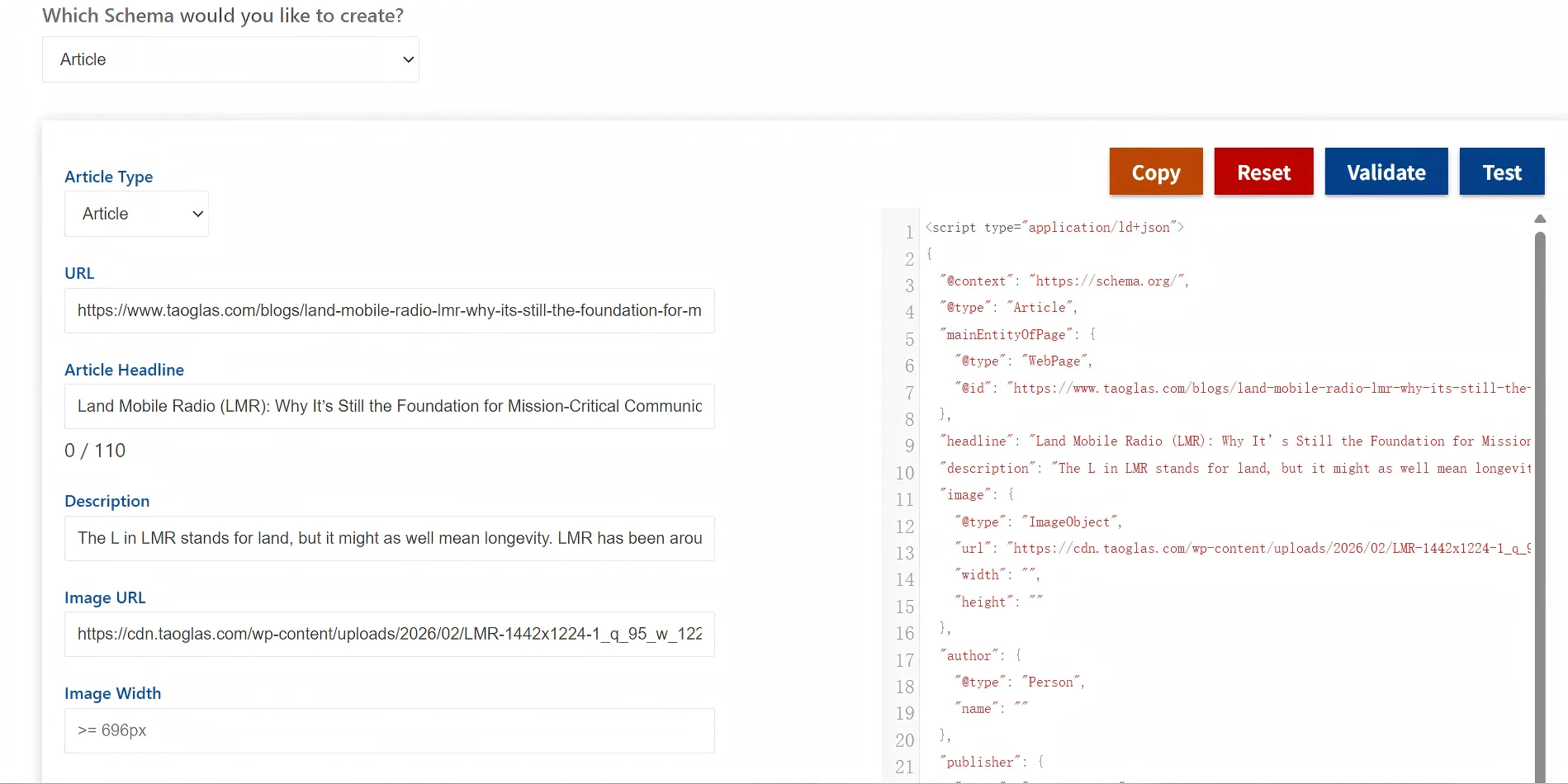
Figure 8: Screenshot of tool inspection
Link: https://www.rankranger.com/schema-markup-generator/
Structured data uses standardized methods to clearly communicate webpage content and key information to search engines, helping them more accurately understand what the page is, what its core fields are, and the relationships between content. This improves the efficiency and display of information in search results. Examples include price, rating, breadcrumbs, article information, and brand information. While it doesn't directly guarantee a higher ranking, it enhances the chances of a page being correctly understood, displaying richer results, and increasing click-through rates. To learn more about business website SEO tools, follow us or contact us to discuss best practices and knowledge related to business website SEO.

What does international social media management service include? 2026 Guide to Social Media Management for Export Businesses
2026-10-28

How to write a WordPress product page that will make overseas buyers want to send inquiries?
2026-10-28

How to fix WordPress form emails not sending: Practical WP Mail SMTP configuration
2026-10-27
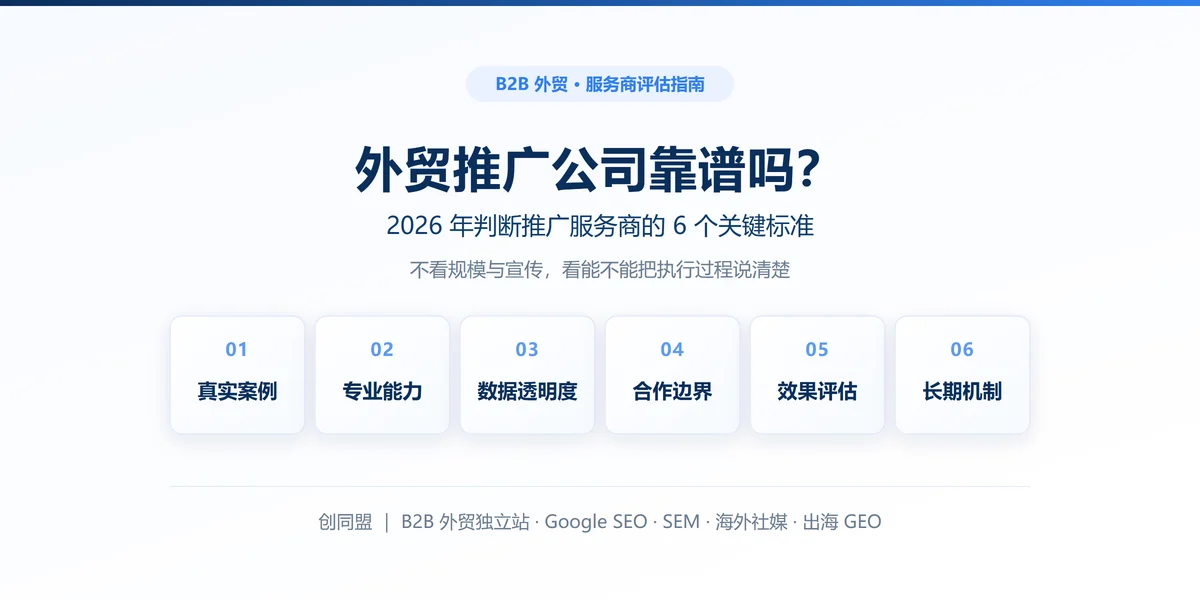
Are foreign trade promotion companies reliable? Six key criteria for businesses to judge promotion service providers in 2026.
2026-10-26
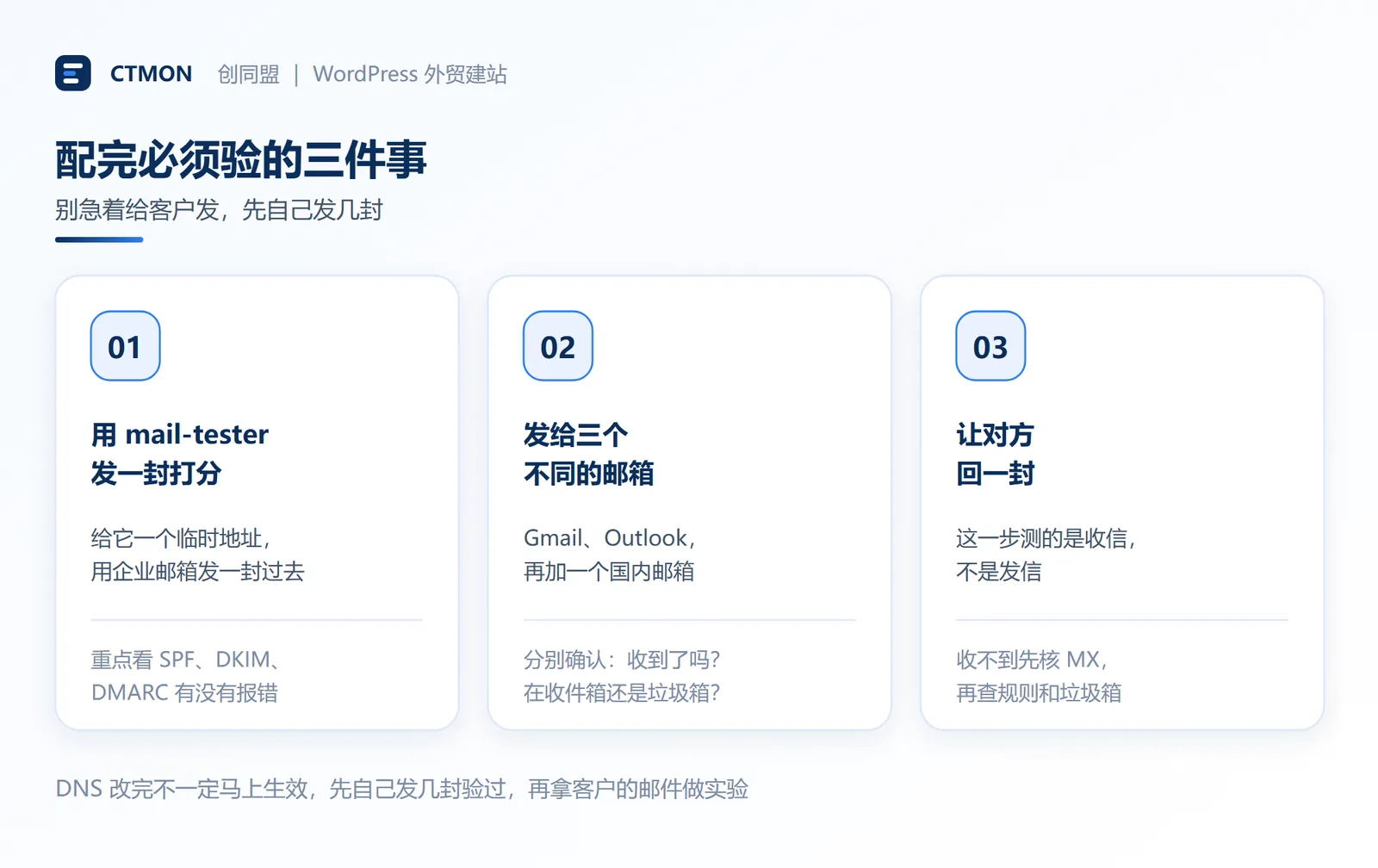
How do I set up an email account for export businesses? How can I configure it to avoid it ending up in the spam/junk mail folder?
2026-10-26
Related Articles
What are the differences between Google SEO and Google Ads? Which should B2B export businesses do first?
2026 Shenzhen Google SEO Optimization Company Recommendations: Service Provider Comparison and Selection Guide
How to improve Google rankings through SEO optimization for international trade? 7 practical methods and steps.

Recommended Shenzhen B2B export website operation company: How to choose a suitable international lead generation service provider for your enterprise?

Why is the Google ranking of Shenzhen export businesses' business websites not improving?

