Contents +
SEO content quality and EEAT for business websites are the driving forces behind the growth of inquiries!
Source: 创同盟
Date: 2026-06-16
Views: 523
Many people's understanding of SEO is still limited to "keyword ranking," "publishing articles," and "content piling up." But the reality is: some websites publish numerous articles and get them indexed, yet their traffic remains unstable; some pages even have good keyword rankings, but consistently fail to attract qualified inquiries. Where exactly is the problem?
The answer is simple: if keywords determine whether you can be seen, then content quality and EEAT (Earning, Ask, Answer) determine whether users are willing to trust you, contact you, and ultimately become customers. For B2B export websites aiming to increase inquiries, this is not an option, but a driver of inquiry conversion.
1. Why does SEO for business websites ultimately come down to "content quality"?
Many businesses make a misconception when creating a business website: they believe SEO is simply about writing articles around keywords, and that as long as the update frequency and quantity are high enough, the ranking will naturally improve. However, today's search engines increasingly value a core question: Does your content truly help users? This is especially true for business websites, where users' search objectives are often very specific. They might be looking for suppliers, comparing product solutions, assessing the reliability of a partnership, or verifying whether a brand is worth contacting. This means that every article, every product page, and every description on a website is essentially answering the same question: "Are you worthy of my inquiries?"
Therefore, the content for business website SEO is not written for search engines, but for potential customers. Truly high-quality content should achieve the following:
First, accurately match the search intent.
When users search for "custom aluminum extrusion manufacturer," they are most concerned not with general industry knowledge, but with your processing capabilities, customization processes, delivery capabilities, quality control, and experience in collaboration. If a page merely piles up concepts and fails to address the user's real questions, then even the best ranking will struggle to convert into inquiries.
Second, it provides useful information increments.
It's not about simply copying competitors or rewriting existing online content; it's about providing genuinely helpful information to assist clients in making informed decisions. This includes industry application scenarios, selection advice, material comparisons, customization considerations, project case studies, and answers to frequently asked questions—all far more valuable than empty brand promotion.
Third, reduce customer decision-making costs.
The essence of high-quality content is to help customers understand you, trust you, and contact you more quickly. A good webpage should make it clear to customers after they've viewed it: what you do, what your advantages are, whether you can solve their problems, and why they should choose you.
SEO content is not a "traffic tool," but rather a preliminary step in business communication. Whoever can establish trust through content beforehand is more likely to receive inquiries.
II. What is EEAT? Why is it becoming increasingly important for inquiry conversion?
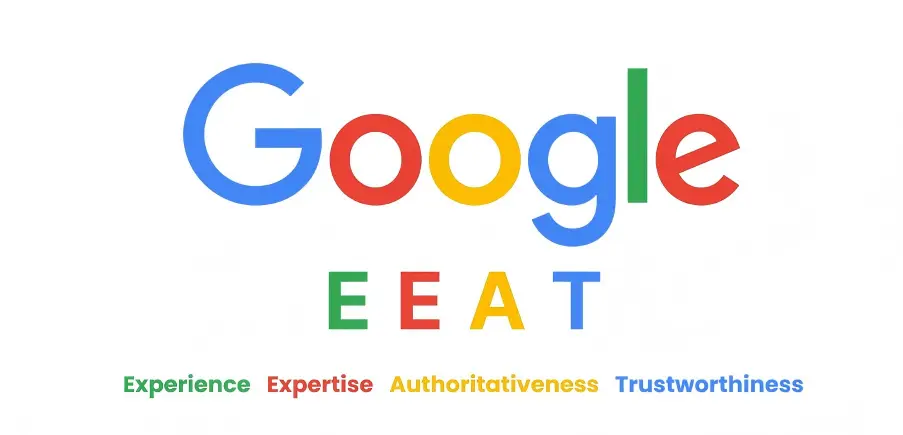
In recent years, Google has increasingly emphasized EEAT in its content evaluation: Experience, Expertise, Authoritativeness, and Trustworthiness. Its relationship with the growth of business website inquiries is very direct.
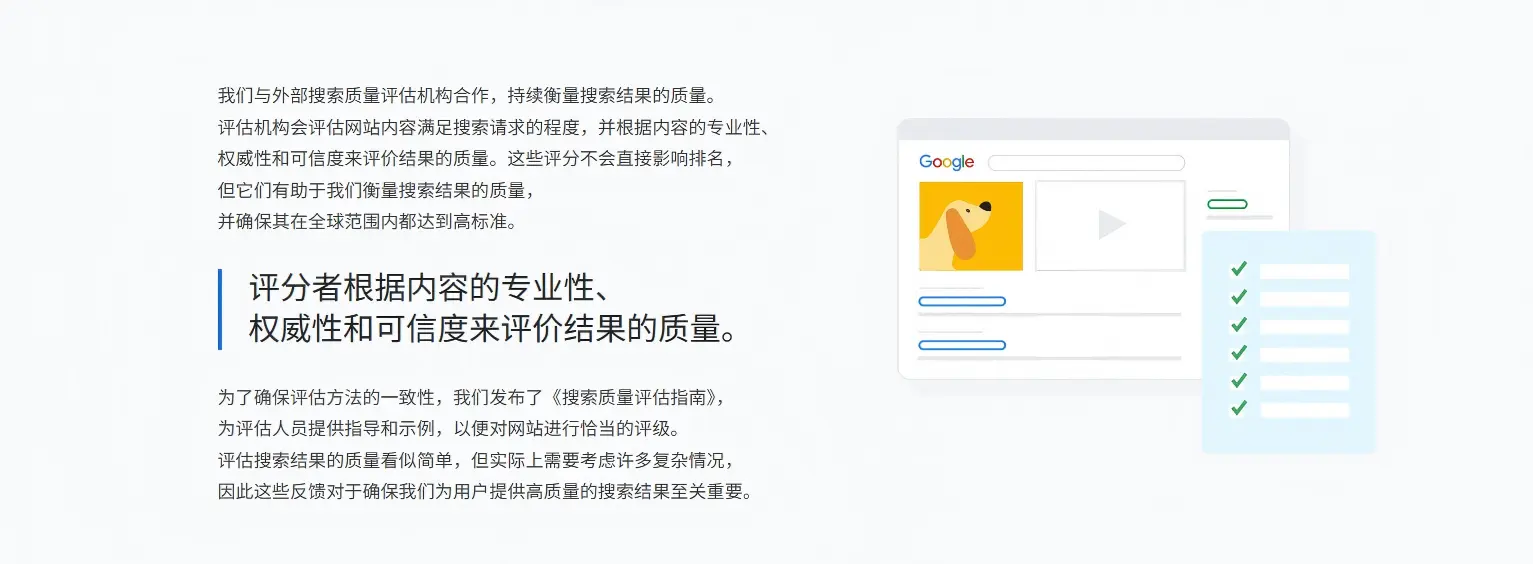
When customers visit your business website, they subconsciously perform an "EEAT judgment": Have you truly worked in this industry, or is your website just well-designed? Do you genuinely understand the product, or are you just providing vague descriptions? Do you have case studies, qualifications, endorsements, and customer recognition in the industry? Is your company authentic and trustworthy, and is it worthwhile to establish contact with?
EEAT is not only a standard for search engines to judge page quality, but also an important basis for potential customers to judge whether you are professional and reliable.
1.Experience : Do you have any real-world experience with this?
What is experience? For example, if you write an article about product selection and simply list a few general parameters, that's ordinary. But if you can connect it to real customer scenarios, telling users how to choose in different national markets and usage environments, which parameters are easily overlooked, and which issues affect purchasing decisions, this content will be significantly more persuasive. Because it makes the customer feel: you're not just writing content, you're sharing experience.
2.Expertise : Are you professional enough?
True professionalism lies in explaining complex issues clearly and thoroughly. For example: Which industries is your product suitable for? What are its advantages compared to competitors? What parameters are required for customization? What is the sampling period? How is the delivery time for bulk orders guaranteed? What are the common quality risks? How can we minimize trial-and-error costs for initial collaborations?
3. Authority: Do you have an authoritative presence in the industry?
For a business website, a sense of authority is usually reflected in several aspects: whether it has a clear industry positioning, whether it has high-quality case studies, whether it has customer reviews, partner brands or application scenarios, whether it has technical articles, industry insights or solutions, and whether it has developed professional knowledge in a specific niche.
4. Trustworthiness: Are you trustworthy?
Many business websites have decent traffic but few inquiries, often failing due to a lack of trust. For example, the website may lack a complete company introduction, clear contact information, displays of factories, teams, or offices, certifications, case studies, or product pages that are empty, and descriptions of after-sales service, delivery, and customization processes. The website may use exaggerated language without supporting evidence.
III. Why are content quality and EEAT the driving force behind the growth of inquiries?
The ultimate goal of a B2B export website is not to generate "impressive data," but to bring real business opportunities and customer communication opportunities. Growth in inquiries is never the result of a single button, article, or keyword; it's the explosion of results from the long-term accumulation of the entire content system.
First, it determines whether the traffic you attract is accurate.
Low-quality content might generate some general traffic, but it's unlikely to attract high-intent customers. This is because people with genuine purchasing needs tend to search for more specific and professional questions. Only content that delves deeply into customer needs can attract those who are truly likely to convert.
Second, it determines whether customers will continue to learn more about you after they stay.
Traffic entering the site is just the beginning. If customers find the content empty, the information incomplete, and the lack of trust support after entering the page, they will quickly leave. High-quality content, on the other hand, can extend the time spent on the site, encourage customers to browse more pages, and gradually complete the process from "seeing you" to "understanding you."
Third, it determines whether a customer is willing to initiate inquiries.
Inquiries are essentially an act of trust. Only when clients perceive you as professional, reliable, genuine, and trustworthy will they be willing to fill out forms, send emails, or contact you via WhatsApp. Therefore, content quality and EEAT (External Evidence and Advertisement) not only affect rankings but also directly impact conversion rates. They are the crucial bridge between "SEO traffic" and "business leads."
IV. How can a business website improve its EEAT (Effective Content Acquisition and Acquisition) through content creation?
Ultimately, EEAT isn't just something you say, it's something you do through your content. For business website operators, there are two main approaches:
1. The marketing appeal of the content
Don't publish articles just for the sake of publishing; instead, structure your content around the real problems your clients face in their purchasing decisions. For example: product selection guides, material/process/specification comparisons, application scenario analysis, common purchasing pitfalls, customization process explanations, delivery time and quality management introductions, and industry trends and solutions. The closer this content is to your client's decision-making process, the more likely it is to generate inquiries.
2. The authenticity of the content
Adding real information about your factory, team, equipment, samples, project cases, testing processes, packaging, and shipping to your website demonstrates to customers that "you are a real entity." This type of content not only enhances trust but also elevates the presentation of your experience.
Also... optimize author and brand identity information; product pages should not only "sell," but also "explain"; continuously accumulate content in niche areas.
Summarize
Traffic is becoming increasingly expensive, ranking is becoming increasingly difficult, and clients are becoming increasingly cautious. What truly differentiates a business is no longer who posts more content, but who understands their clients better, who is more professional, and who is more trustworthy. Content quality determines whether you can solve problems, while EEAT (Employment, Access, and Trust) determines whether you can earn trust. Only when "valuable content" and "a trustworthy brand image" work together can a business website truly possess the ability to consistently generate inquiries.
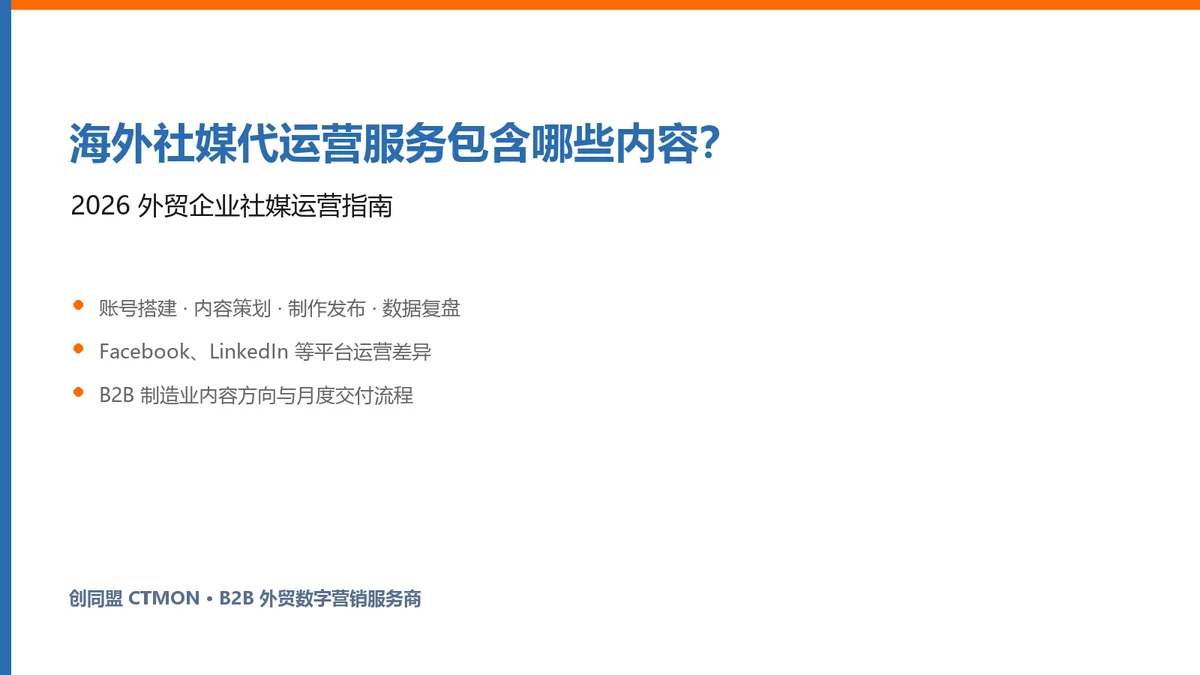
What does international social media management service include? 2026 Guide to Social Media Management for Export Businesses
2026-10-28
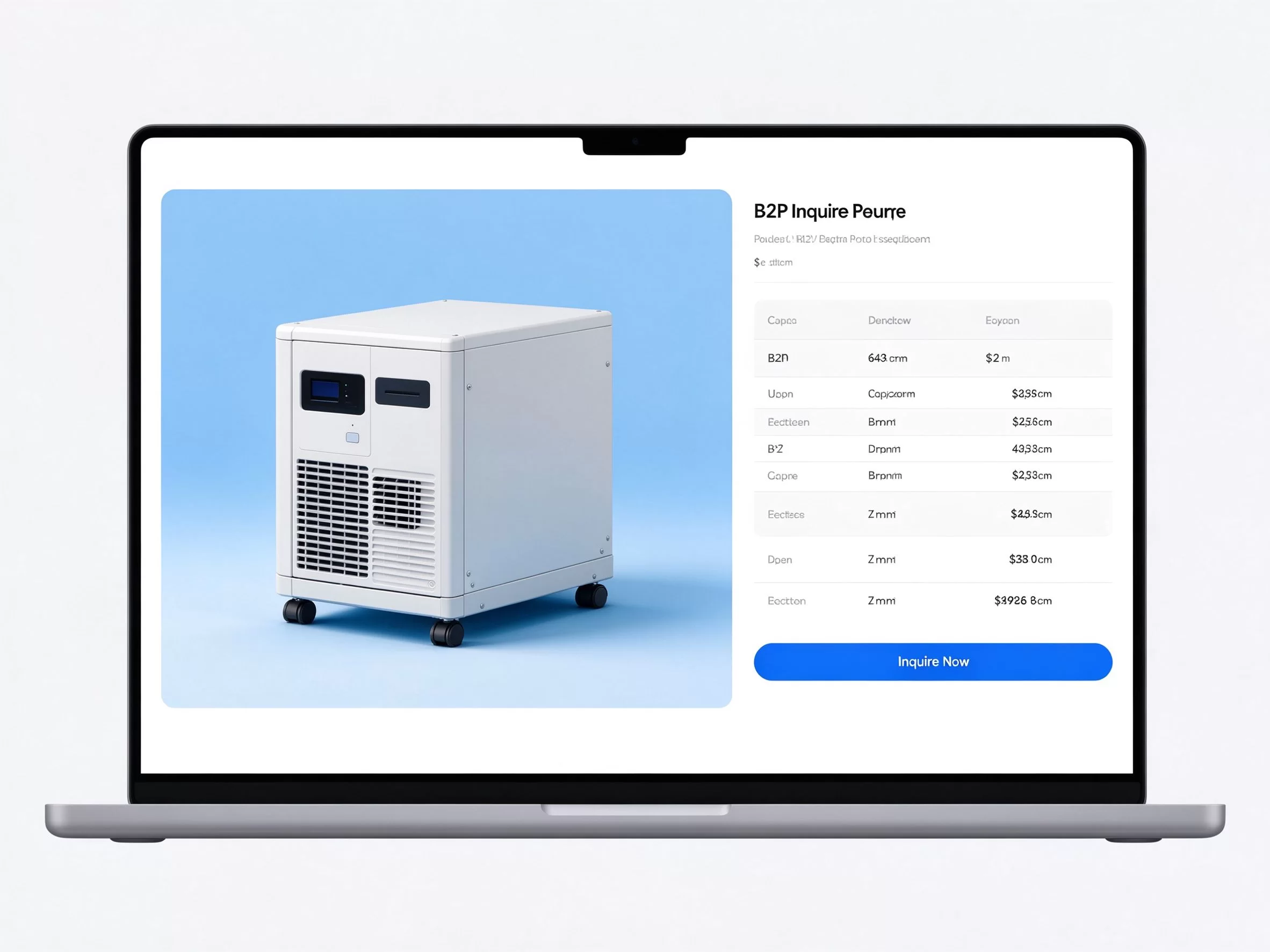
How to write a WordPress product page that will make overseas buyers want to send inquiries?
2026-10-28

How to fix WordPress form emails not sending: Practical WP Mail SMTP configuration
2026-10-27
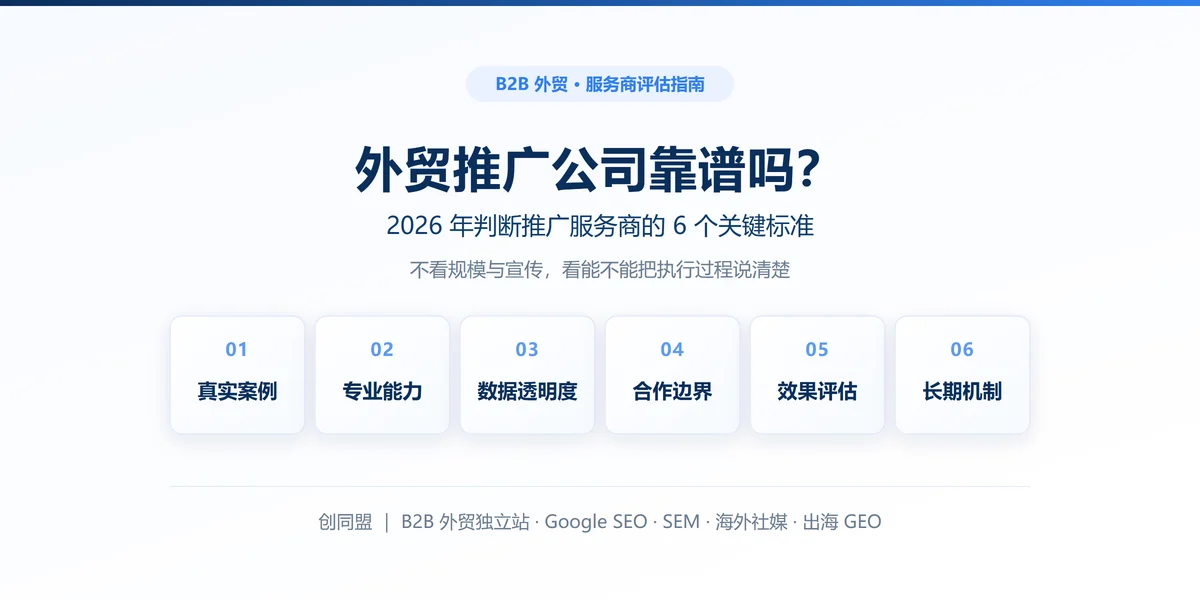
Are foreign trade promotion companies reliable? Six key criteria for businesses to judge promotion service providers in 2026.
2026-10-26
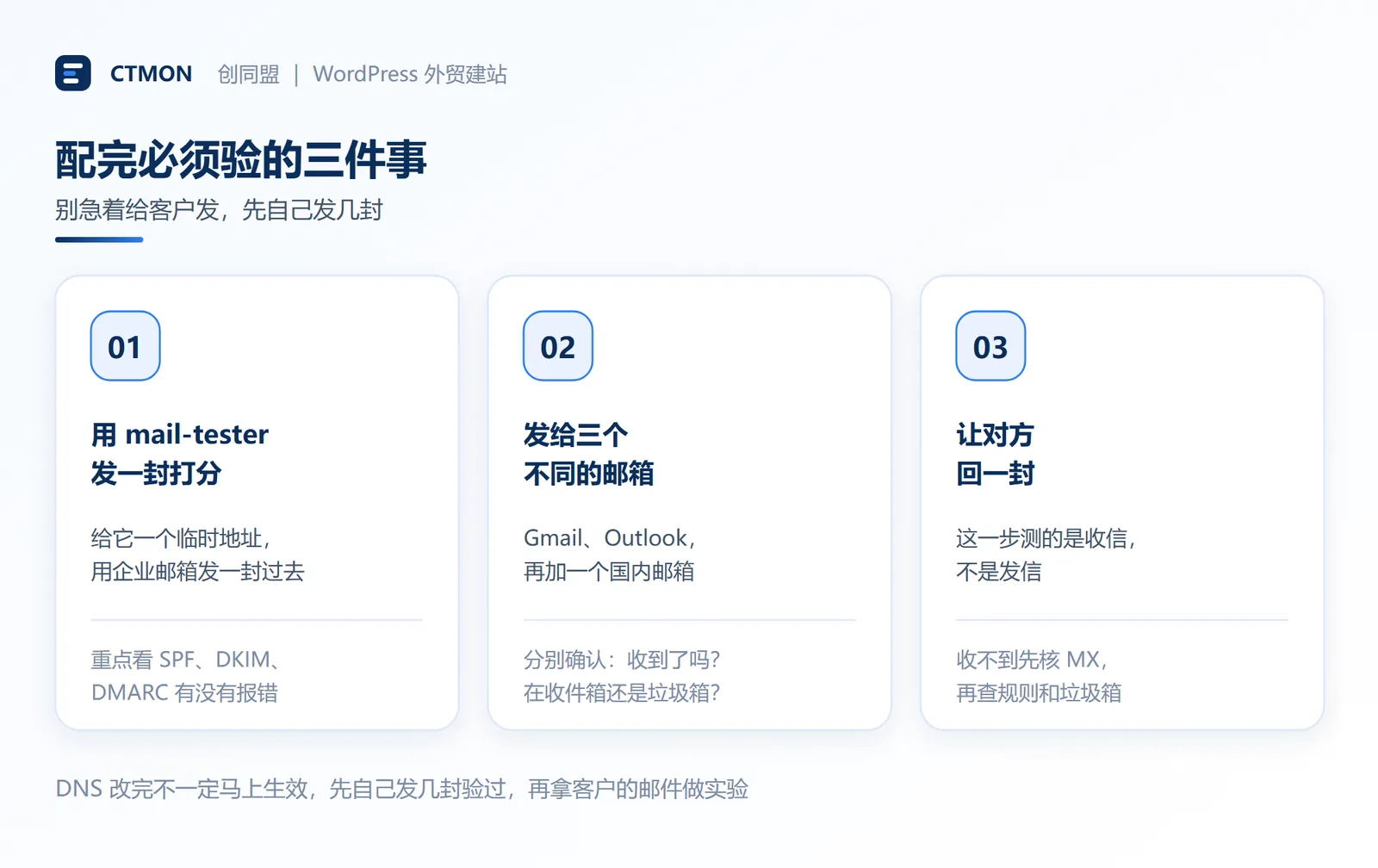
How do I set up an email account for export businesses? How can I configure it to avoid it ending up in the spam/junk mail folder?
2026-10-26
Related Articles
What are the differences between Google SEO and Google Ads? Which should B2B export businesses do first?
2026 Shenzhen Google SEO Optimization Company Recommendations: Service Provider Comparison and Selection Guide
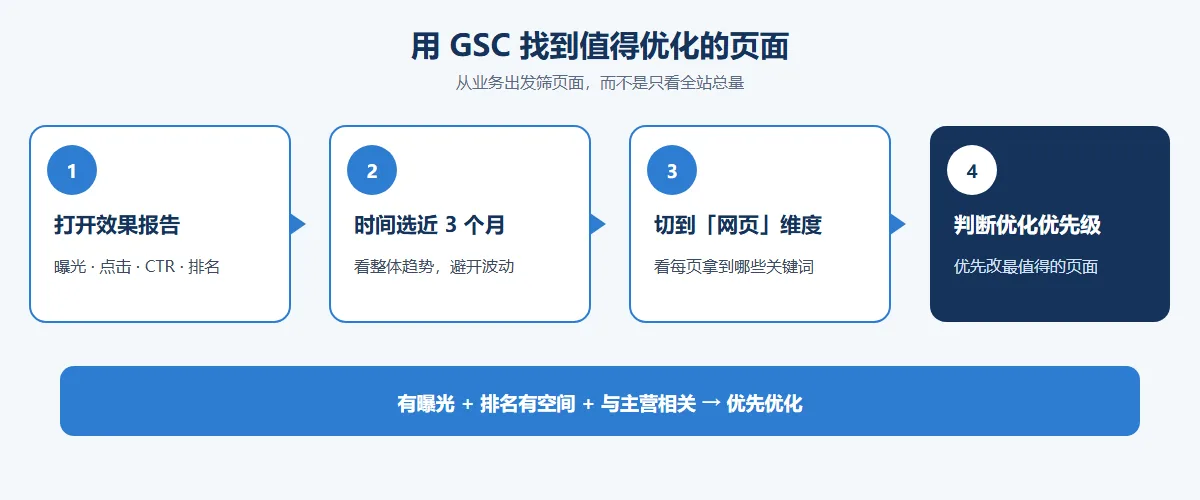
How to improve Google rankings through SEO optimization for international trade? 7 practical methods and steps.
Recommended Shenzhen B2B export website operation company: How to choose a suitable international lead generation service provider for your enterprise?
Why is the Google ranking of Shenzhen export businesses' business websites not improving?

