Contents +
How to use Google SEO tools - performance monitoring and tracking tools
Source: 创同盟
Date: 2026-06-08
Views: 724
Effective inquiries and brand visibility are the core objectives of business website SEO. While we pursue traffic, rankings, and supporting evidence in business website SEO, we all know that inquiries are the key. The first three points are crucial for generating inquiries. Therefore, many marketers are researching traffic acquisition and keyword ranking mechanisms because these are the tangible results.
The process of summarizing results involves a large amount of statistical analysis. Here's a compilation of some commonly used performance data monitoring and tracking tools to facilitate data aggregation, giving operations sufficient time for analysis and decision-making. Repetitive tasks are handled by these tools. Below are some examples of these tools:
1. Search Console
The performance reports reveal how many people saw and clicked on your website in Google searches, which Google search queries showed your website in the results, and your average search ranking. If your website includes Google Discovery Data or Google News Data, you'll see corresponding reports. The data includes the number of clicks, impressions, click-through rate, and search ranking your website received, as well as the query strings used by users. You can group the data by webpage URL, the corresponding country/region for the query, or the device type.
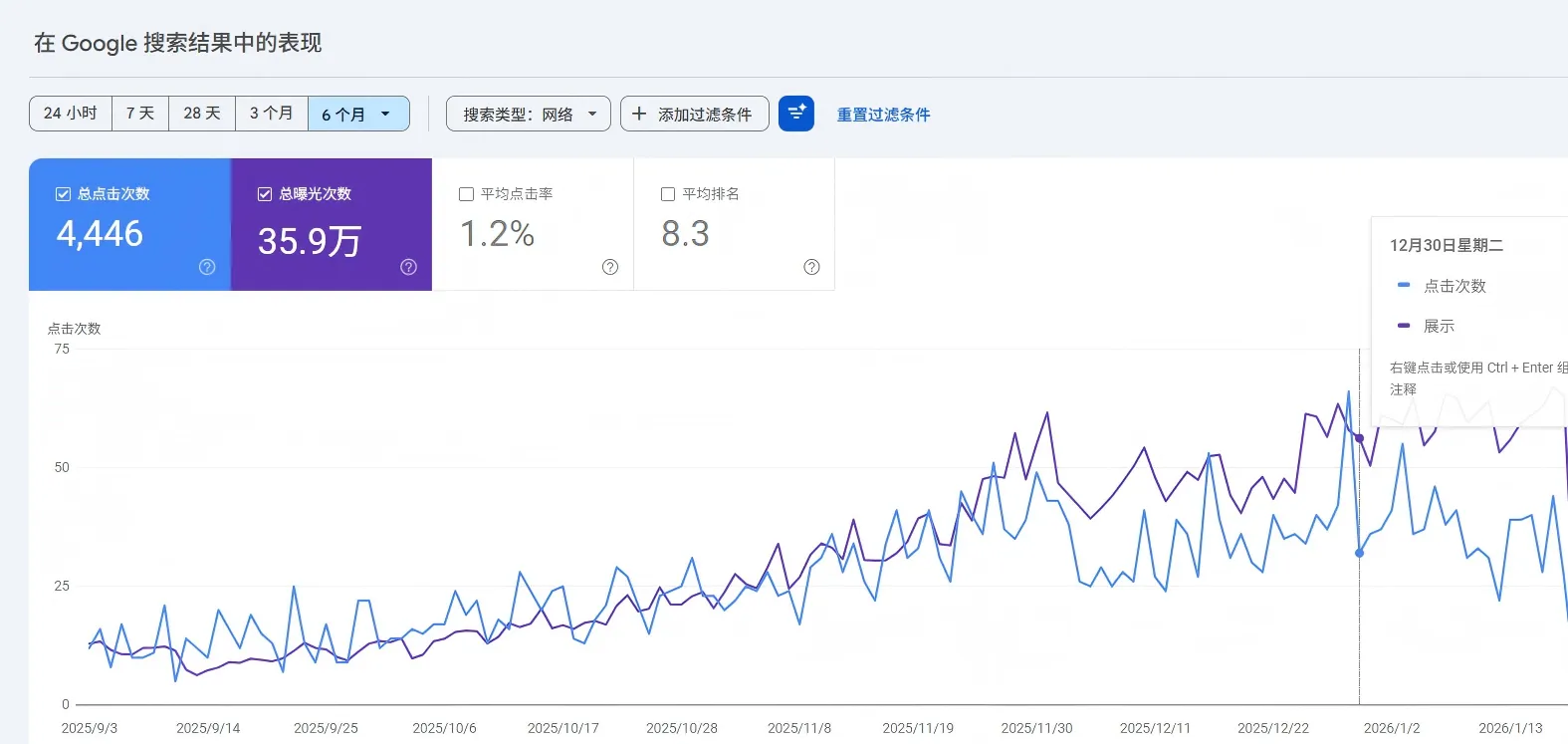
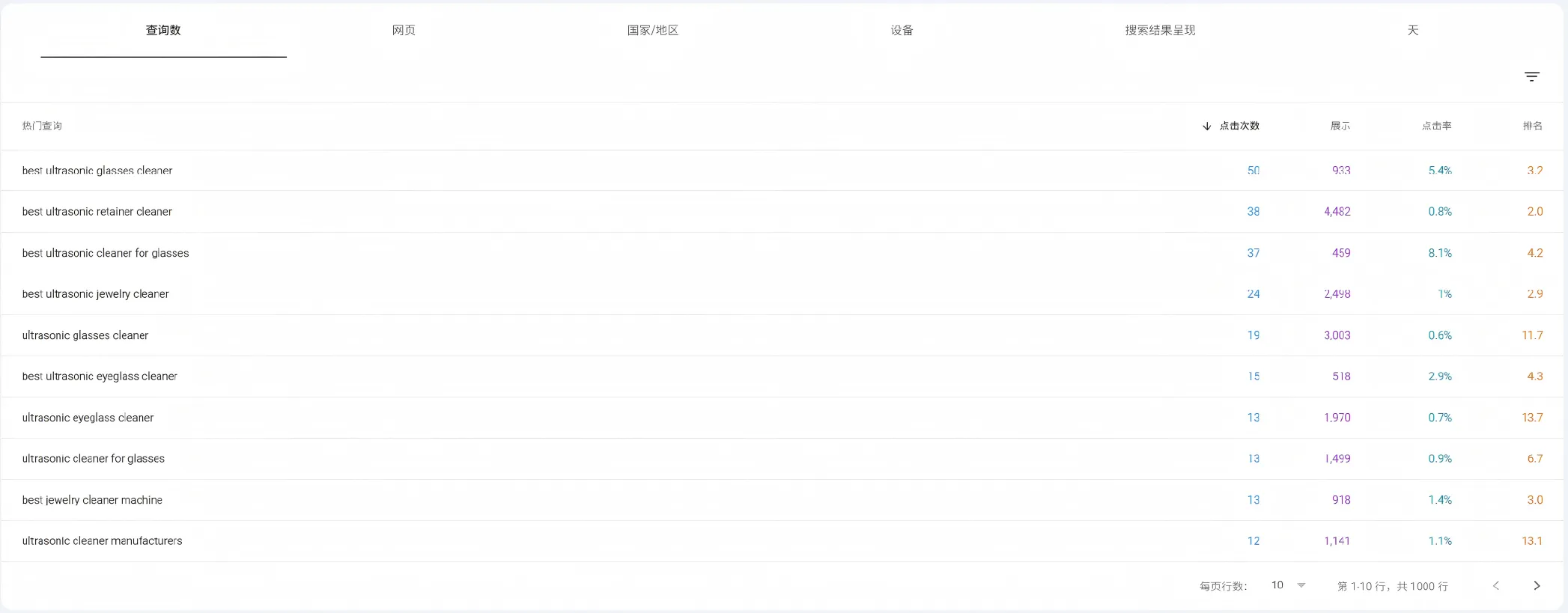
Below is the keyword data evaluation, which provides detailed data from different dimensions of the site, including webpage data, country/region data, and device data. Because it's an official Google data tool, it's relatively accurate and reliable for on-site data research and evaluation. Different performance data can be downloaded and analyzed using AI, facilitating traffic improvement and keyword ranking optimization.
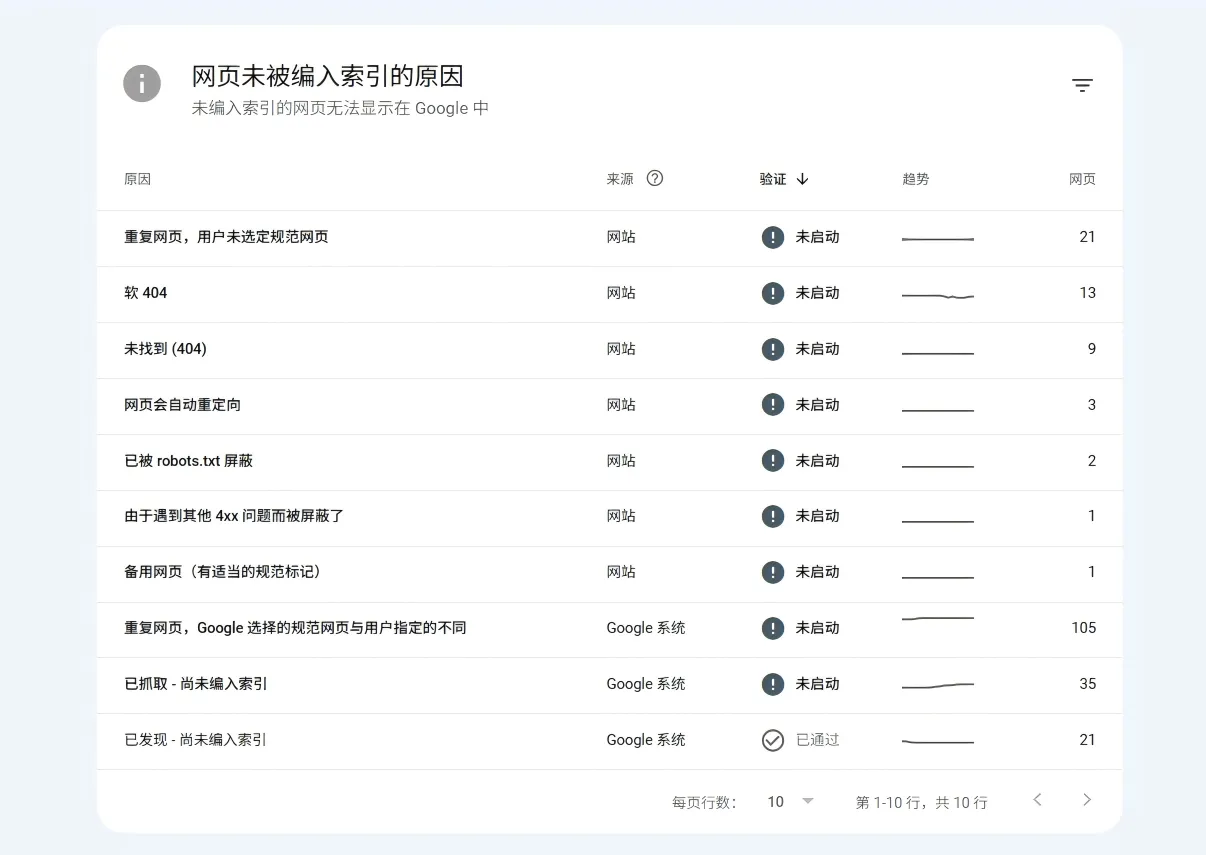
Regarding webpage indexing, errors are identified and corrected across different dimensions of the page. For errors such as "404 page, duplicate page, automatically redirected page, backup page (with appropriate specification tags)," "blocked by robots.txt ," "crawled but not yet indexed," "discovered but not yet indexed," etc., the page can be inspected, specific issues identified, and feedback submitted for modification.
2. Microsoft Bing Workbench
Bing Workbench displays the keywords that drive traffic to your website through organic search (non-paid search). You can track the following key metrics for each keyword:
Impressions refer to the number of times any page on your website appears when a user searches for a specific keyword. If multiple pages appear in the same search result, each page is counted as one impression.
Click count refers to the number of times a user searches for the selected keyword and clicks on any page of your website.
Average click-through rate (CTR), for each keyword, represents the percentage of impressions a user makes on any page of your website.
Average rank, which represents the average position of any page on your website in the search results for the selected keywords.
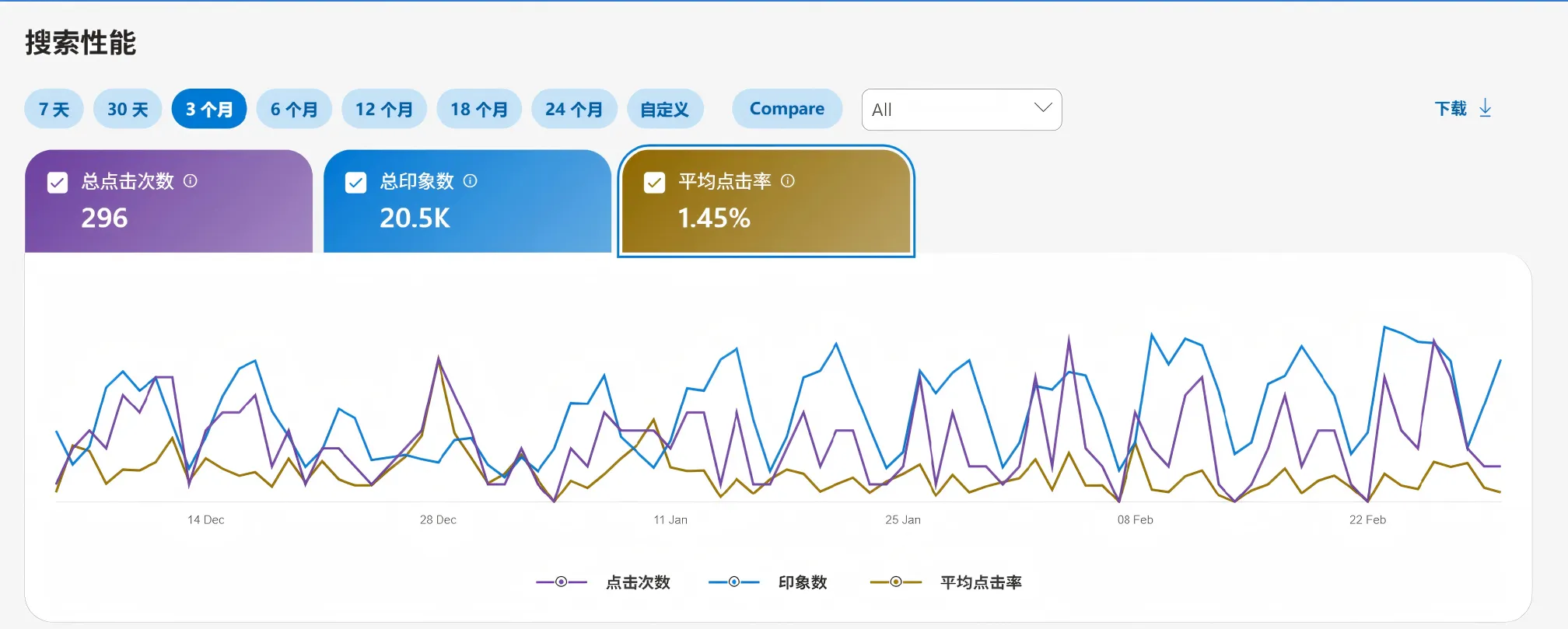
The list below shows the keywords that bring traffic to your website through organic search (non-paid search). You can track the following important metrics for each keyword:
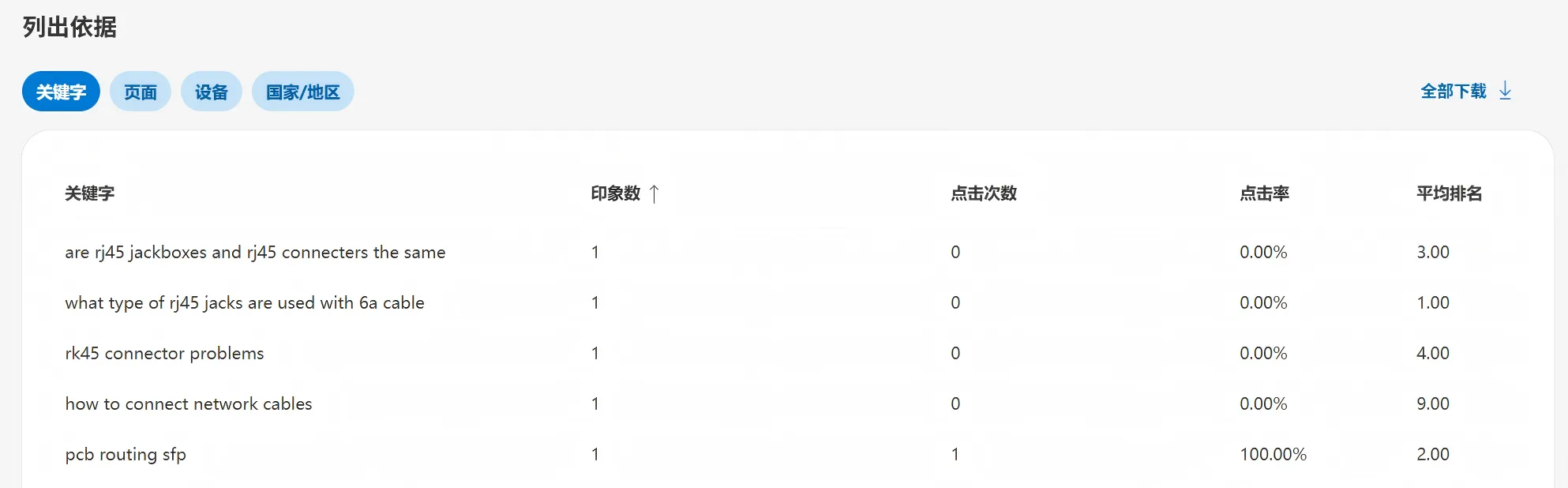
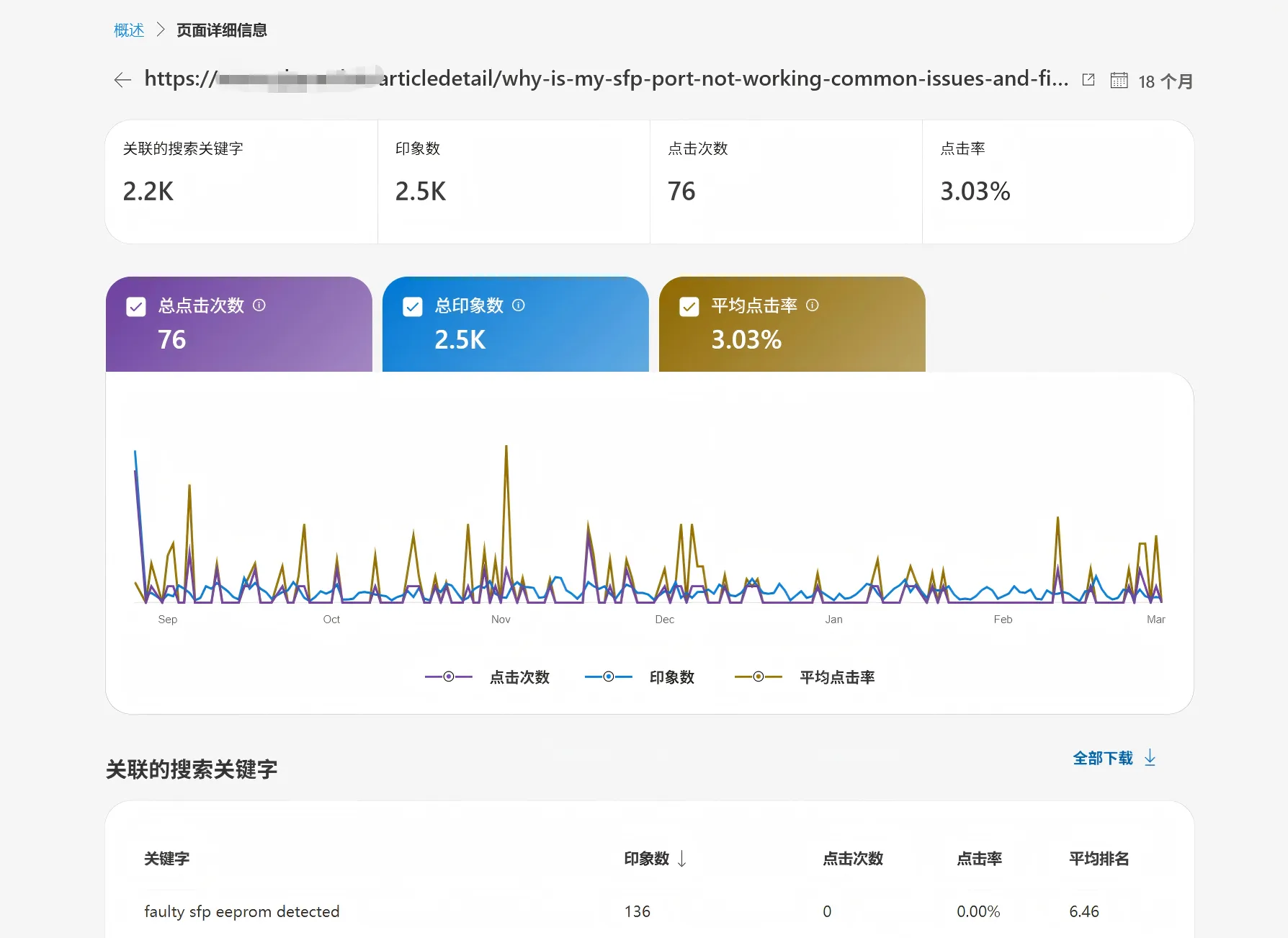
Identify and analyze the keywords that drive traffic to your webpage. Click on a page in the list to view a list of related keywords and their corresponding performance metrics. You can also delve deeper to view more detailed performance data broken down by result ranking. Click on a page in the displayed page list to view the ranking performance metrics for the selected keyword and page combination.
3. Ahrefs / SEMursh workbench
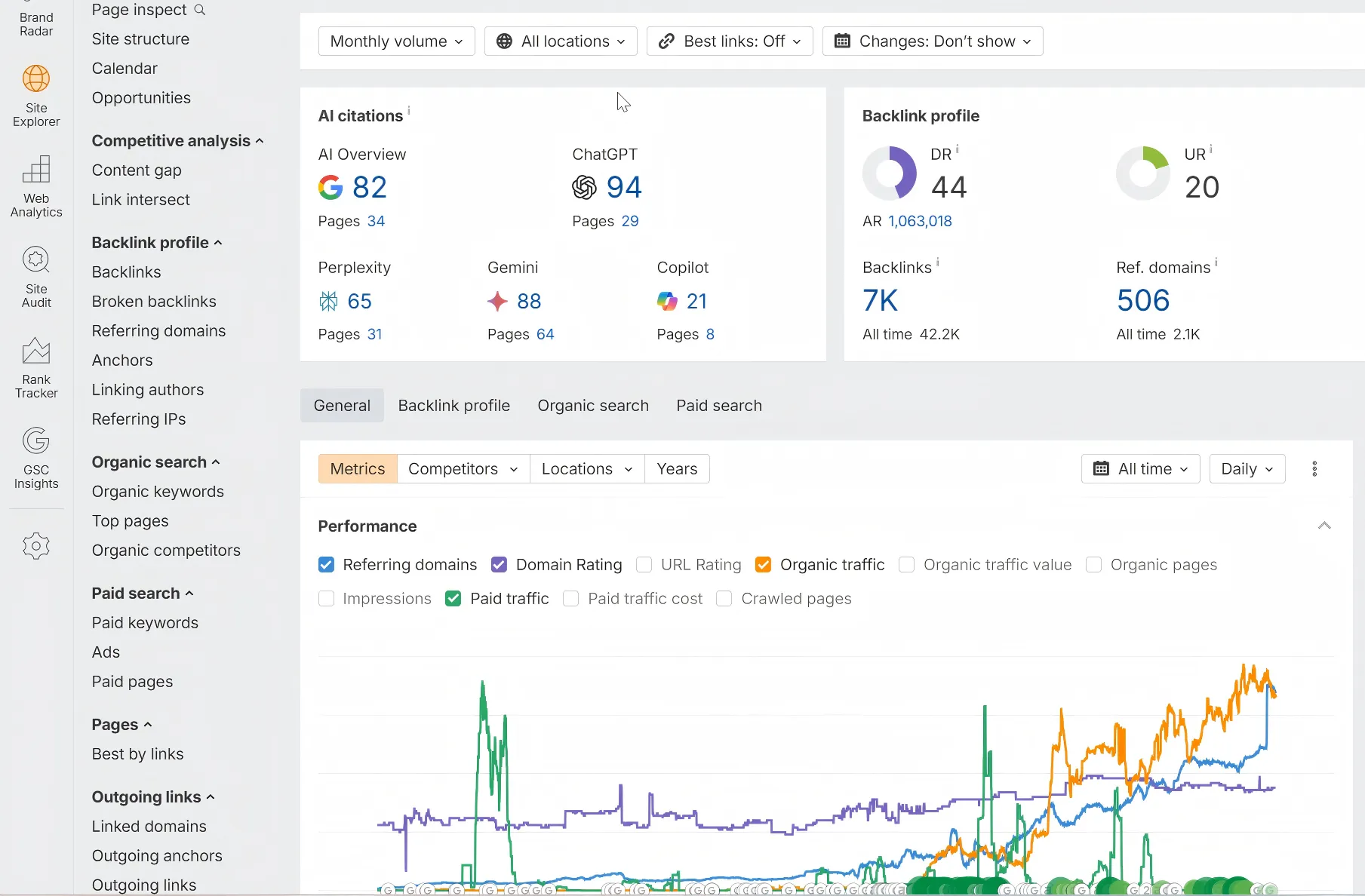
By linking your site to the Ahrefs Workbench, you can monitor organic traffic and impressions. An increase in organic traffic indicates you're doing something right. Recently, organic traffic has become increasingly difficult to obtain because AI natively summarizes website content in search results, reducing user incentives to click through. That said, tracking traffic sources remains important, as it's likely still your primary source of visitors. You can view estimates in your website analytics tools.
3.1 Traffic Trends at Monitoring Sites
Use Ahrefs Web Analytics to track all traffic and impressions of your website from all sources, including search and artificial intelligence.
3.2 Keyword Ranking
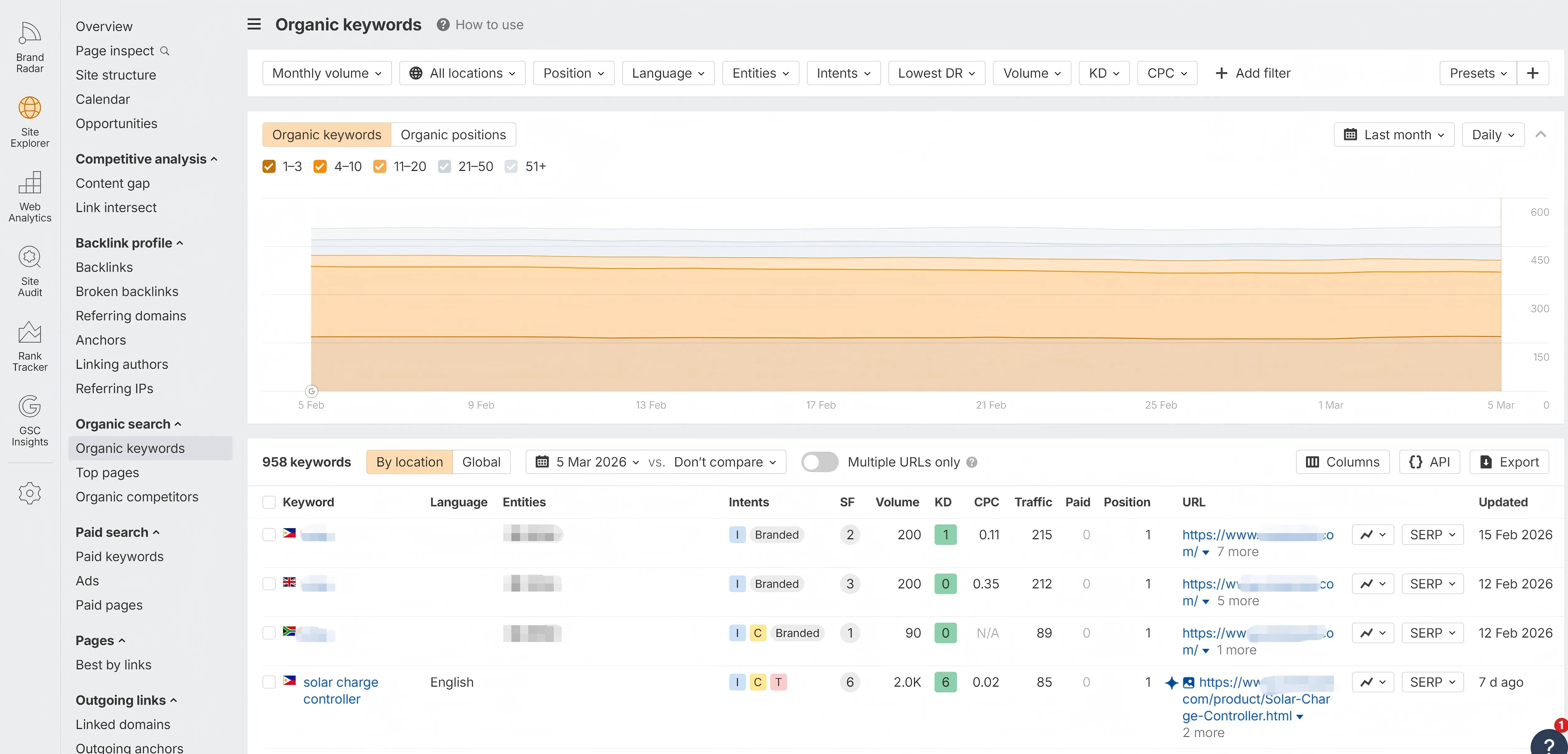
If your target keyword rankings are consistently rising, then you're on the right track. Even in today's era of rising artificial intelligence, ranking remains crucial for increasing brand awareness. Our research shows that 73% of websites appearing in Google's AI Overview also rank in the top 10 search results. In other words, to stand out in AI-related content, the higher your website's organic ranking, the better. If you want to see actual rankings (not just averages) and get detailed historical ranking data for individual keywords, you need a ranking tracking tool like Ahrefs' Rank Tracker.
3.3 Artificial Intelligence Visibility
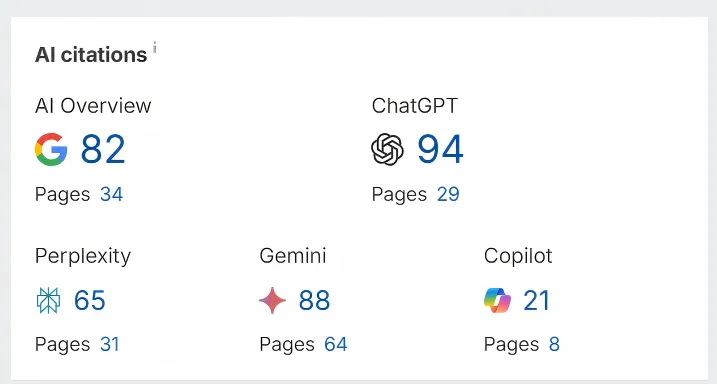
Artificial intelligence is becoming an important part of online visibility: 66% of people regularly and intentionally use AI. You can use Ahrefs Brand Radar to see how often your website is mentioned in AI results such as Google AI Overviews, ChatGPT, Perplexity, Gemini, and Copilot.
Key points summary
SEO is the process of improving a website's organic visibility in search and AI results. SEO is important because if a business website doesn't do SEO, users will have a difficult time finding it in search engines or with AI assistants.
A high ranking provides continuous, free, passive, and stable exposure in search and artificial intelligence, month after month. SEO is much easier if your website is properly configured for search engine optimization (SEO). Google typically finds and indexes your website automatically, but sometimes you can speed up the process by submitting a sitemap. The tools above focus on marketing data and keyword tracking. More features can be tested by linking your website to your site; remember, site data will only accumulate after linking your site.
Therefore, the extent to which performance tools are applied during the SEO process for a business website determines one's control over SEO marketing data and target results. Business website operation requires continuous optimization of the business website through multi-dimensional data, taking into account both on-site traffic growth and off-site traffic import, and tracking marketing conversions for the business website.
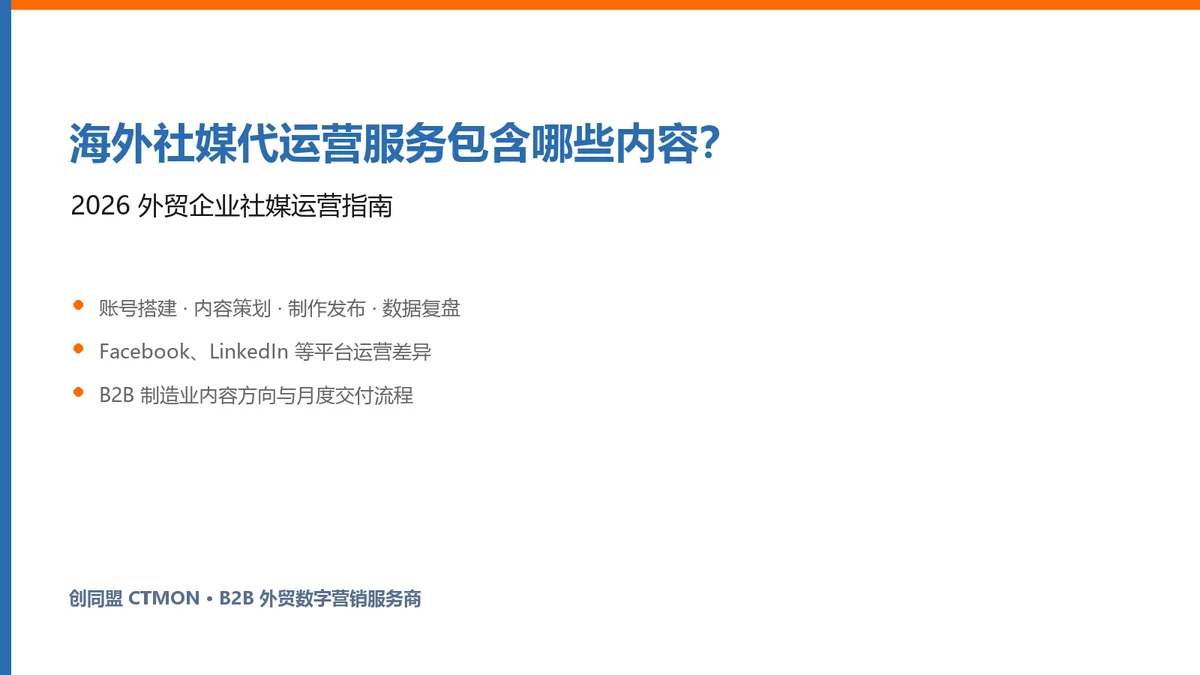
What does international social media management service include? 2026 Guide to Social Media Management for Export Businesses
2026-10-28
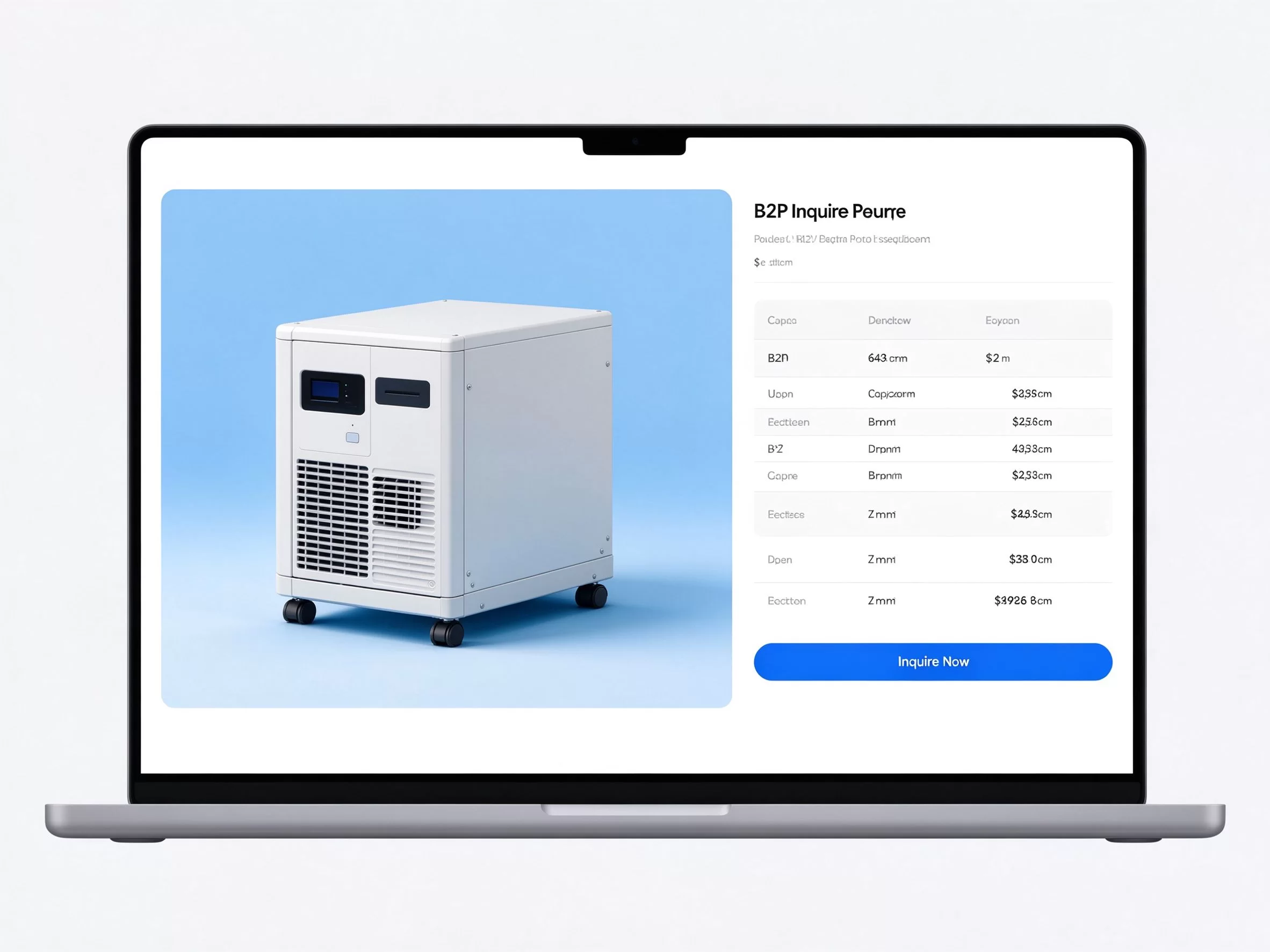
How to write a WordPress product page that will make overseas buyers want to send inquiries?
2026-10-28

How to fix WordPress form emails not sending: Practical WP Mail SMTP configuration
2026-10-27
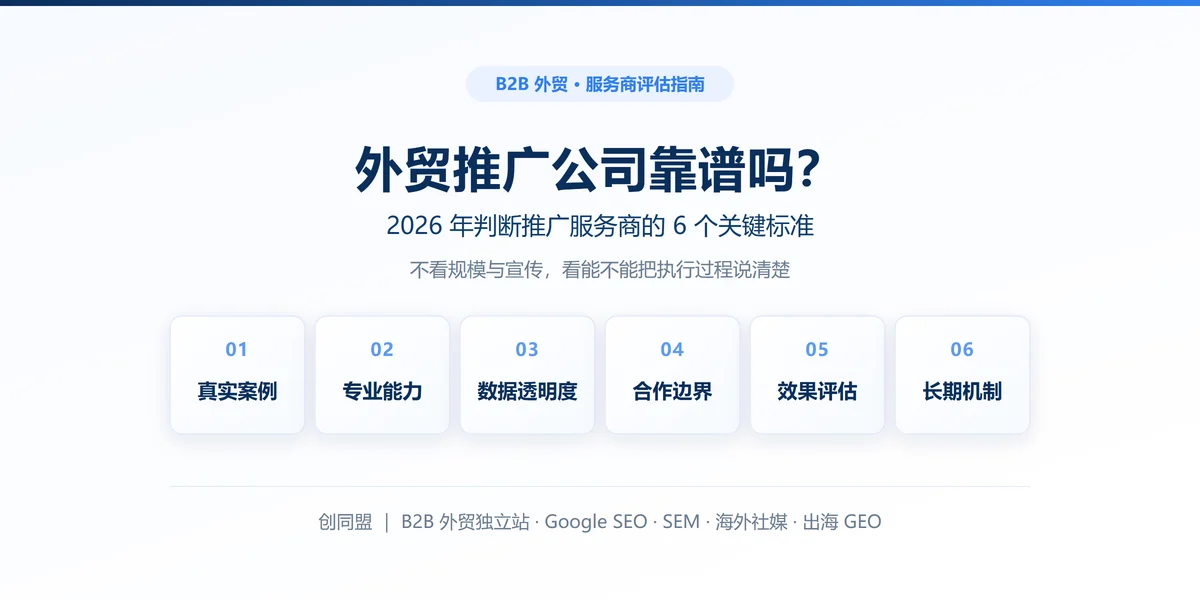
Are foreign trade promotion companies reliable? Six key criteria for businesses to judge promotion service providers in 2026.
2026-10-26
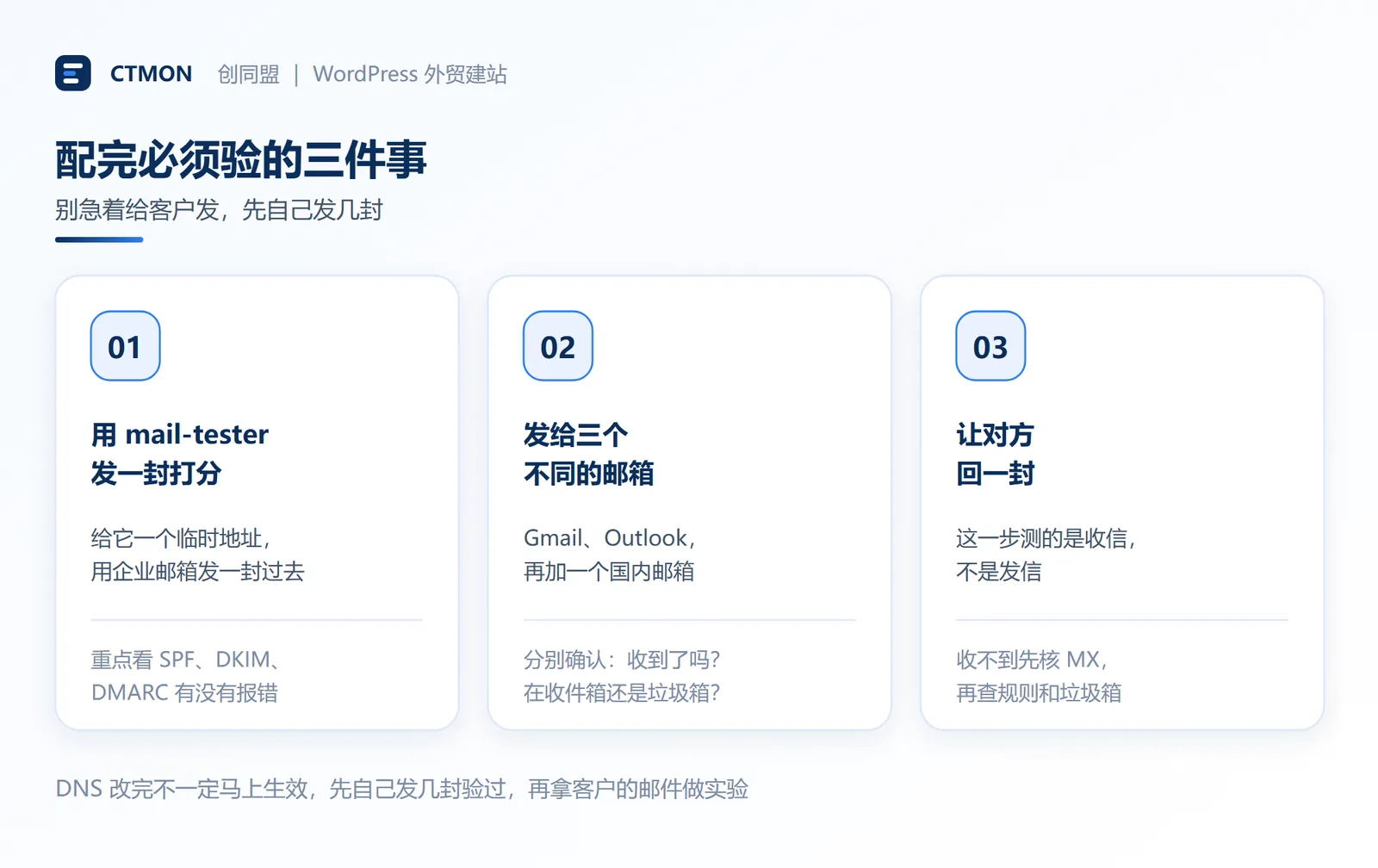
How do I set up an email account for export businesses? How can I configure it to avoid it ending up in the spam/junk mail folder?
2026-10-26
Related Articles
What are the differences between Google SEO and Google Ads? Which should B2B export businesses do first?
2026 Shenzhen Google SEO Optimization Company Recommendations: Service Provider Comparison and Selection Guide
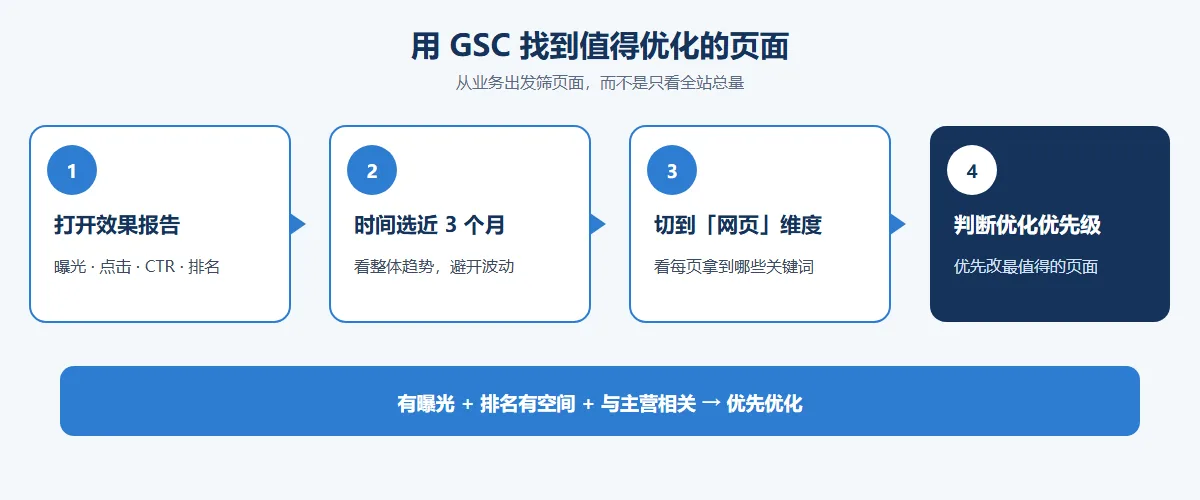
How to improve Google rankings through SEO optimization for international trade? 7 practical methods and steps.

Recommended Shenzhen B2B export website operation company: How to choose a suitable international lead generation service provider for your enterprise?

Why is the Google ranking of Shenzhen export businesses' business websites not improving?

