Contents +
How did you achieve an average of 150+ inquiries per month by doing Google SEO for 18 months in the packaging machinery industry?
Source: 创同盟
Date: 2026-06-26
Views: 966
The most common problem encountered by B2B e-commerce websites managing organic traffic inquiries is a lack of understanding of where their inquiries come from, how to achieve stable growth in inquiries, and how to improve the effectiveness of those inquiries. Ultimately, the root cause is a lack of clear goals and planning for SEO-driven inquiries; people often take a piecemeal approach. They might hire a colleague to attend a training course and then neglect it, resulting in a lack of long-term effectiveness. Many export businesses gradually lose confidence and give up.
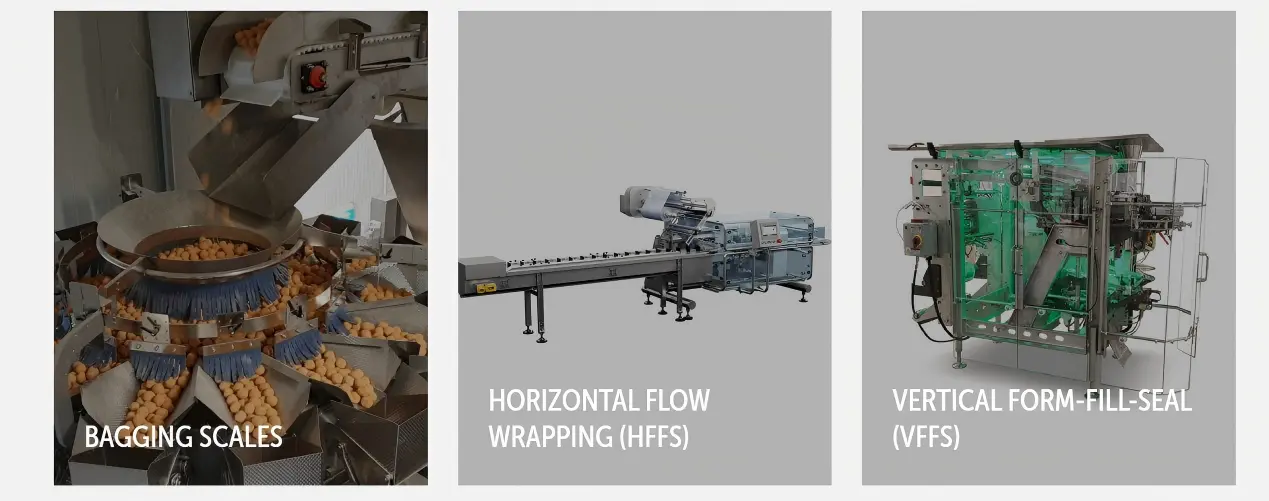
Today, I'd like to give you an end-to-end analysis of Google SEO lead generation for B2B companies in the familiar industry of "packaging machinery." This includes industry analysis, competitor analysis, data analysis of over 150 organic traffic inquiries over 18 months, business website SEO strategy planning and site structure, and phased implementation of business website SEO. I will also be providing weekly updates on Google SEO lead generation practices from different industries.
For B2B foreign trade businesses like machinery and equipment, which involve high average order values and long decision-making chains, SEO isn't something that can be achieved simply by "posting a few blogs or working on a few keywords." Google's official direction is clear: a site must first be crawlable, indexable, and have a clear structure, and then use content that truly helps users to strive for rankings. In short, "free traffic is more expensive than paid traffic because the labor and time costs are not just twice as much, but three times or more."
I. What did our peers and top competitors do right?
Excellent competitors have created a clear information architecture for their products, applications, solutions, and resources. This can be summarized in three points: ① They have a sufficient number of product pages, with a deeper hierarchy than pure brand websites; ② Their application scenarios are broken down into detailed segments with ample supporting evidence; ③ Their content consistently serves purchasing decisions, minimizing commercially unprofitable information.
1. Modular website structure
For example, Syntegon's VFFS page directly displays production capacity, modular design, and connectivity capabilities, allowing users to understand the suitable scenarios and performance limits of the device as soon as they enter the page; Triangle's homepage clearly defines the positioning of sanitary packaging and the core device categories, reducing the understanding cost for visitors.
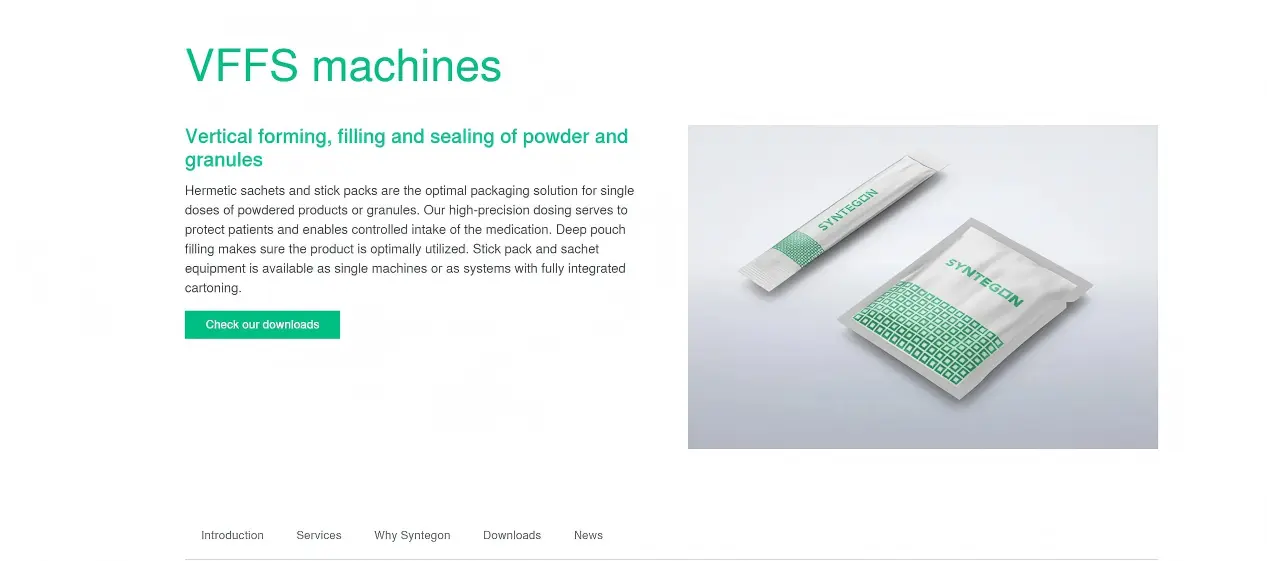
https://www.syntegon.com/solutions/pharma/vffs-machines/
2. Procurement Content Layout
Industrial Packaging doesn't just sell equipment; it also provides comprehensive guides and checklists on "how to buy packaging machinery," catering to buyers' research needs. Rovema, on the other hand, offers comparison matrices, capability descriptions, and application explanations, allowing buyers to leave leads before comparing models.
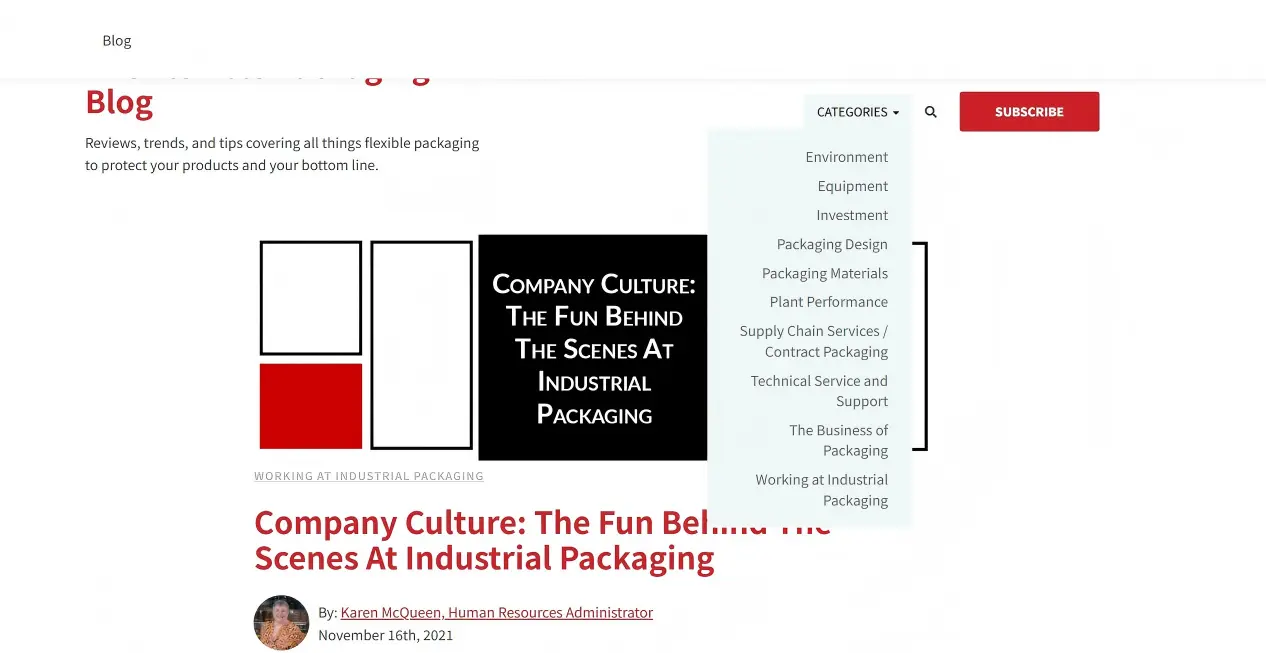
https://www.industrialpackaging.com/blog/topic/working-at-industrial-packaging
3. Continuous content
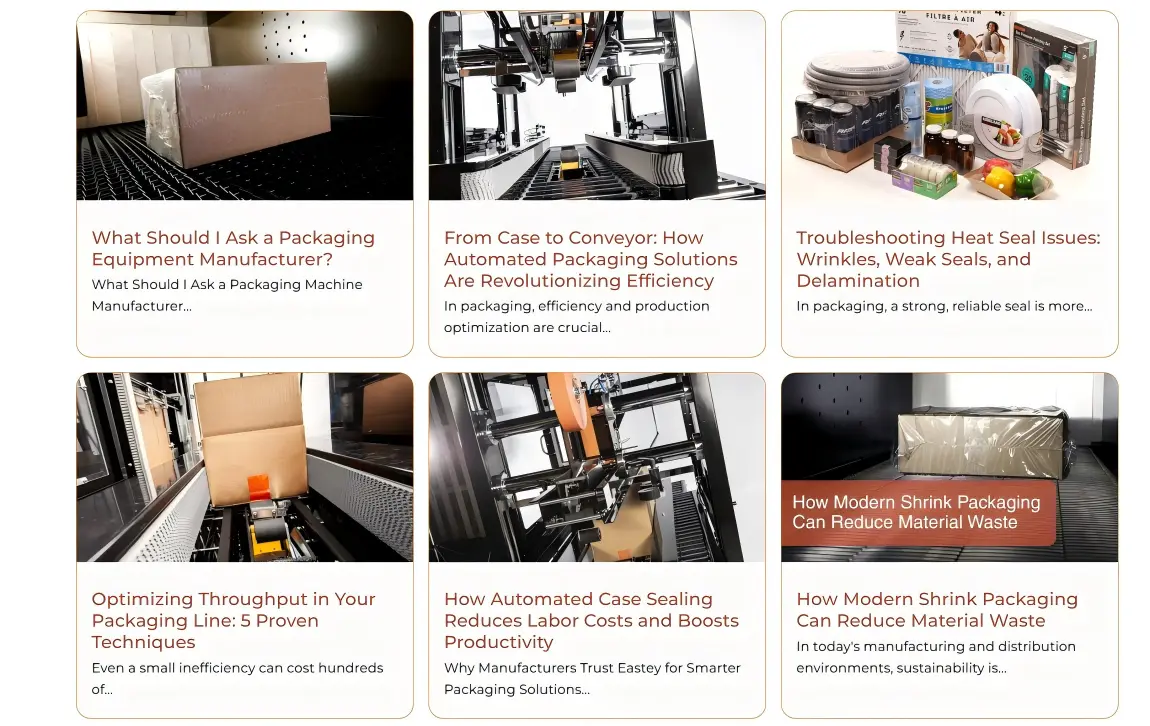
Eastey and nVenia's resource centers and blogs regularly publish troubleshooting, efficiency improvement, maintenance suggestions, and industry education content. This demonstrates that excellent competitors don't simply pursue "update frequency," but rather consistently address the real problems buyers encounter before, during, and after purchasing. For the packaging machinery industry, this type of content can broaden keyword coverage and also deliver internal link weight to product pages.
https://www.industrialpackaging.com/blog/topic/working-at-industrial-packaging
II. Setting Targets and Calculating Metrics | 18 Months, Monthly Average of 150+ Natural Inquiries, Data Chain Backpropagation
The formula for obtaining organic traffic inquiries is: "Organic traffic UV volume × Traffic-carrying page conversion rate " . Memorize this formula and study it repeatedly. Define "form submission, WhatsApp, and CTA Thank page pop-up" as conversion events and mark them using Ga4 key events.
Traffic from 150 organic inquiries. If the conversion rate of the site's product pages, solution pages, and CTA designs reaches 2%, then 7,500 organic UVs are needed; the number of new pages should be at least 270–500.
80 device pages: such as VFFS, premade pouch, powder filler, liquid filling, etc.
80 application pages: powder, granule, liquid, sauce, coffee, pet food, snacks... etc.
50 solution pages: complete production line, automation upgrade, solutions for different bag types/containers/speed ranges
20 decision pages: price, cost, manufacturer, supplier, vs, how to choose, FAQ
30 case studies/video pages
10 Trust Pages: About, Factory, Certificates, Service, After-Sales
This range is usually the simplest and safest approach. As the saying goes, diligence can make up for lack of talent, and this also applies to SEO (the number of keywords on the page that contribute to ranking) . It can cover a sufficient number of long-tail keywords without dragging content production into "low-quality page expansion." Then, further examine the effective leads. If the website averages 150 organic inquiries per month, the effectiveness should be continuously screened through sales feedback.
Note: According to Ruler Analytics' 2025 benchmark data, the industry average conversion rate was approximately 2.9%.
3. How should the website structure of a packaging machinery business website be planned?
A truly effective business website for handling inquiries should contain at least four centers: a product center, an application center, a solutions center, and a resource center. Important pages should be interconnected via crawlable links, embedding EEAT (External Information, Application, and Access) into the website structure so that it is naturally integrated during execution.
Therefore, a reasonable structure for a packaging machinery business website is usually as follows: the homepage showcases the brand and core product categories;
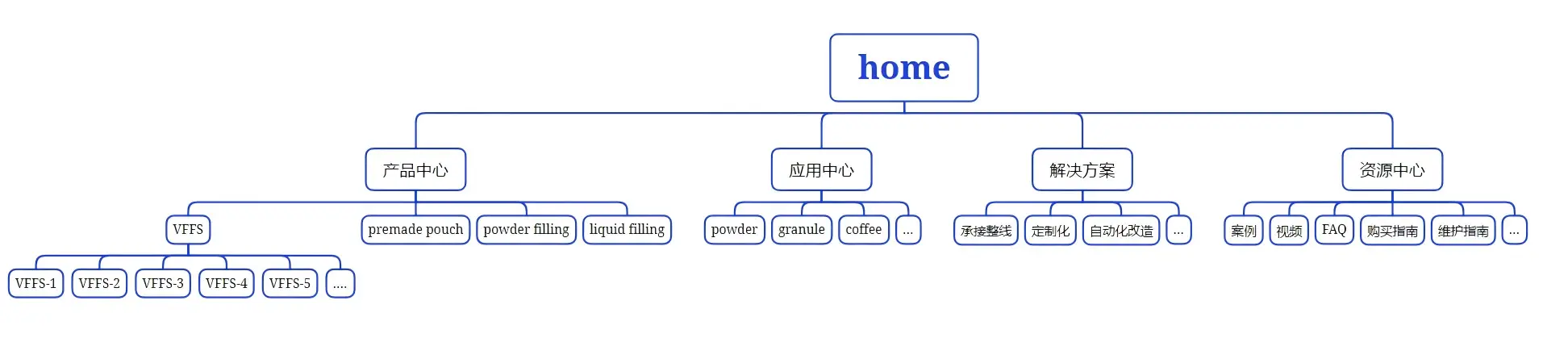
The product center is divided by equipment type, such as VFFS, premade pouch, powder filling, liquid filling, cartoning, and case packing.
The application center is broken down by material and industry, such as powder, granule, coffee, pet food, sauce, and pharma.
The solutions center undertakes complete line, customized, and automation upgrades;
The resource center contains case studies, videos, FAQs, purchasing guides, maintenance guides, and comparison content.
The goal is to ensure that keywords and users with each type of search intent can find the corresponding landing page.
IV. Phased Implementation over 18 Months
First stage, 0-3 months to build a foundation
Complete the keyword map, URL specification, page templates, GA4 event tracking, Search Console, sitemap, basic internal links, and indexing. The most important part of this stage is establishing a solid site foundation. Pages need to be crawlable, indexable, and understandable, while controlling Core Web Vitals to prevent large images, videos, and front-end scripts from slowing down the first-screen experience.
|
Basic checks |
Does the page have a unique H1 tag? |
Blog content |
Is the content in Markdown format? |
|
Does the page have an SEO title and description? |
Does the article have internal links? |
||
|
Does the URL benefit SEO? |
The article should contain rich HTML elements. |
||
|
robots.txt |
Is there an author bio section at the bottom of the article? |
||
|
Site Map |
Article pages also need to have SEO titles and descriptions set. |
||
|
Keywords |
Does the page's main keyword include the SEO title + H1 title? |
Do the blog sections have categories and tags? |
|
|
Does the subject contain the URL? |
picture |
ALT tag |
|
|
Adverbs/whether they are included in H2/H3/H4 headings, etc. |
The image file path must contain keywords. |
||
|
The main keyword should appear within the first 100 words of the page content. |
Multilingual |
Are the URL structures of websites using less commonly spoken languages reasonable? |
|
|
The main keyword must appear in H2. |
Language tags |
||
|
Website structure optimization |
Website structure optimization |
User experience |
SI Security Certificate |
|
Website internal link structure optimization |
responsive design |
||
|
Data monitoring |
Google Search Console binding |
Website loading speed, performance, etc. |
|
|
Google Analytics traffic analysis |
404 code, 301 redirect |
||
|
Semrush, Ahrefs site binding |
Internal dead link optimization |
Second stage, 4-9 months: Develop a business page matrix
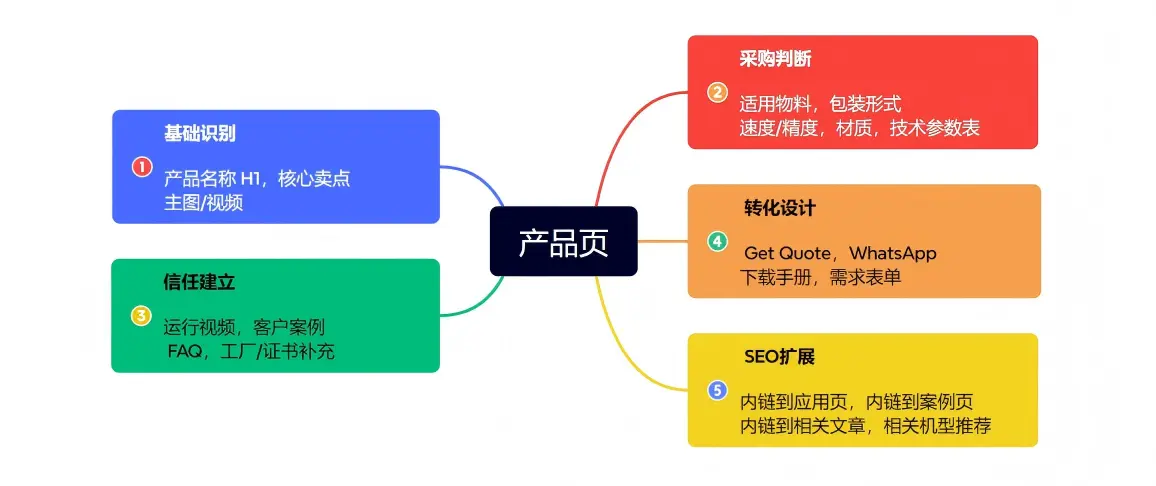
Prioritize launching product pages, application pages, and solution pages to capture the most commercially valuable search demands first. Each product page should cover applicable materials, packaging formats, speed, accuracy, materials, videos, FAQs, pricing information, and case studies, rather than just a few images and a brief introduction. The goal at this stage is to transform the website from a "company brochure" into a "collection of procurement landing pages."
Phase 3, 10-14 months: Building content clusters and evidence trust
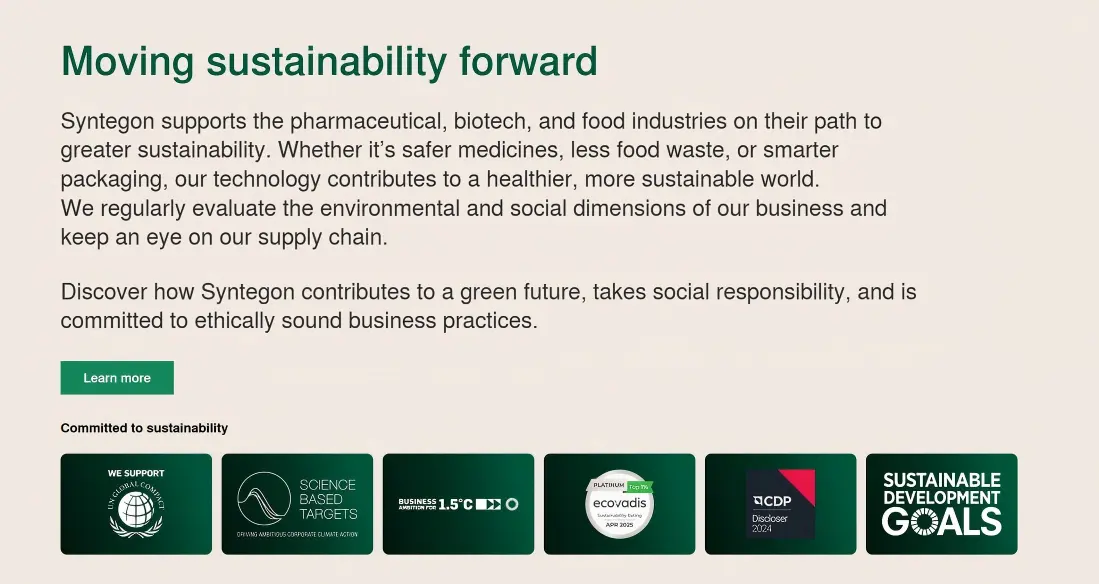
Expand the content around topics such as price, manufacturer, comparison, how to choose, maintenance, troubleshooting, and case studies, while also completing the video demos, case study pages, factory pages, and certificate pages. The common thread among excellent competitors is that they not only talk about "what equipment we have," but also demonstrate "why we are the right choice."
Fourth stage, 15-18 months: Scaling up and conversion optimization
At this point, the website usually already has a number of pages ranking on the first two pages. The focus should shift to strengthening internal links, updating old pages, optimizing CTR, testing forms and CTAs, supplementing case studies, and optimizing for specific regions and languages. The goal is not simply to keep increasing traffic, but to convert traffic more efficiently into inquiries and valid leads.

For a packaging machinery business website to achieve an average of 150+ organic inquiries per month within 18 months, it needs a clear site structure to handle search intent, in-depth product and application pages to address purchasing needs, content clusters and case study videos to build trust, and key event tracking and conversion optimization to turn traffic into inquiries. Only when "SEO creates traffic" is upgraded to "SEO creates inquiries" does the business website truly begin to generate compound interest.
What does international social media management service include? 2026 Guide to Social Media Management for Export Businesses
2026-10-28
How to write a WordPress product page that will make overseas buyers want to send inquiries?
2026-10-28

How to fix WordPress form emails not sending: Practical WP Mail SMTP configuration
2026-10-27
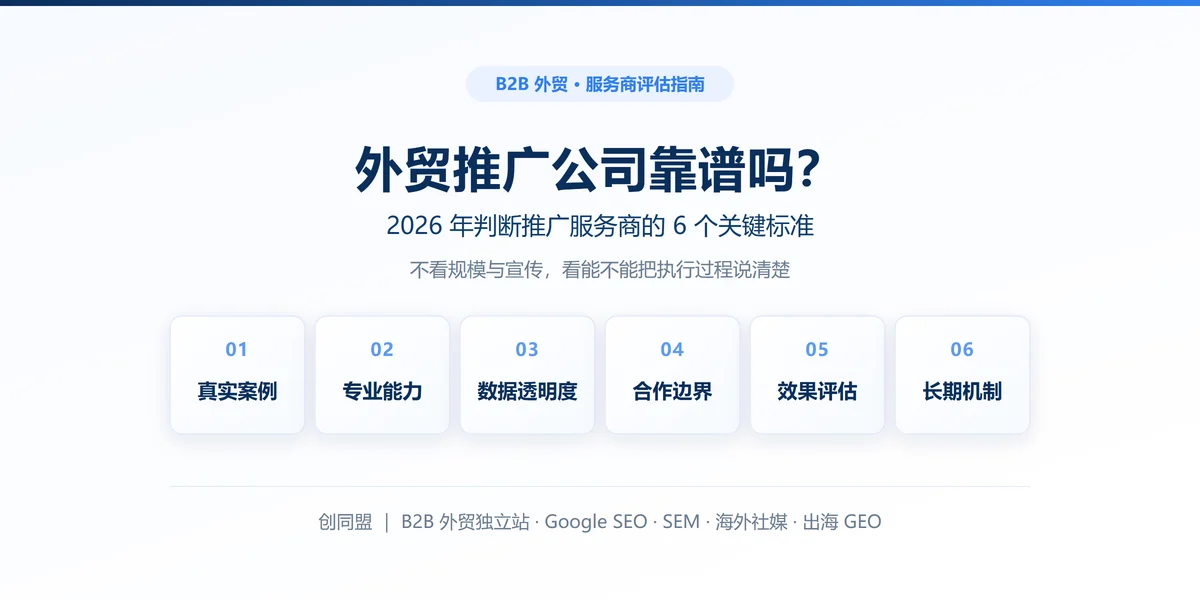
Are foreign trade promotion companies reliable? Six key criteria for businesses to judge promotion service providers in 2026.
2026-10-26
How do I set up an email account for export businesses? How can I configure it to avoid it ending up in the spam/junk mail folder?
2026-10-26
Related Articles
What are the differences between Google SEO and Google Ads? Which should B2B export businesses do first?
2026 Shenzhen Google SEO Optimization Company Recommendations: Service Provider Comparison and Selection Guide
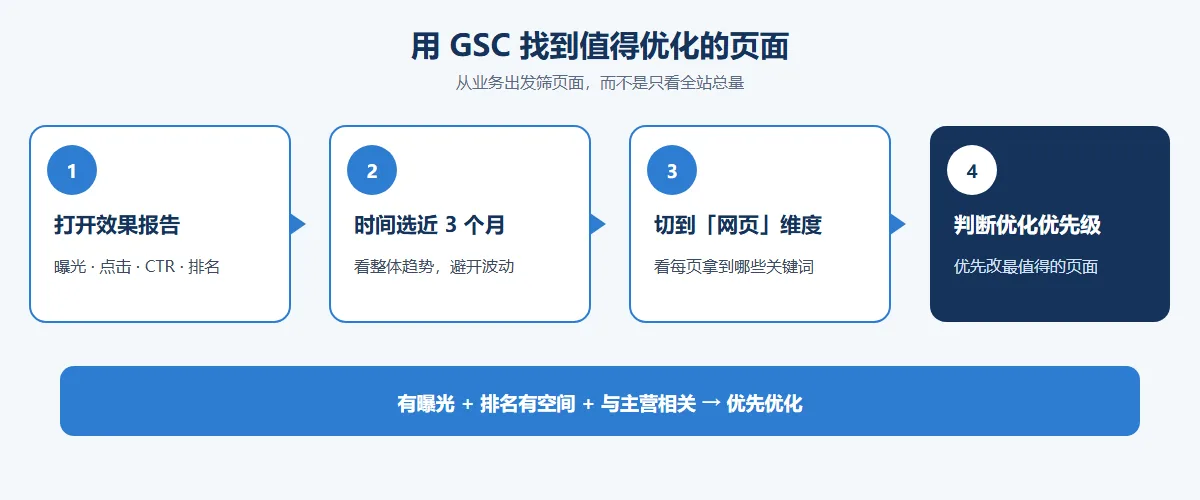
How to improve Google rankings through SEO optimization for international trade? 7 practical methods and steps.
Recommended Shenzhen B2B export website operation company: How to choose a suitable international lead generation service provider for your enterprise?

Why is the Google ranking of Shenzhen export businesses' business websites not improving?

