Contents +
Traffic to B2B export websites is constantly increasing, but inquiries remain largely unchanged.
Source: 创同盟
Date: 2026-06-26
Views: 994
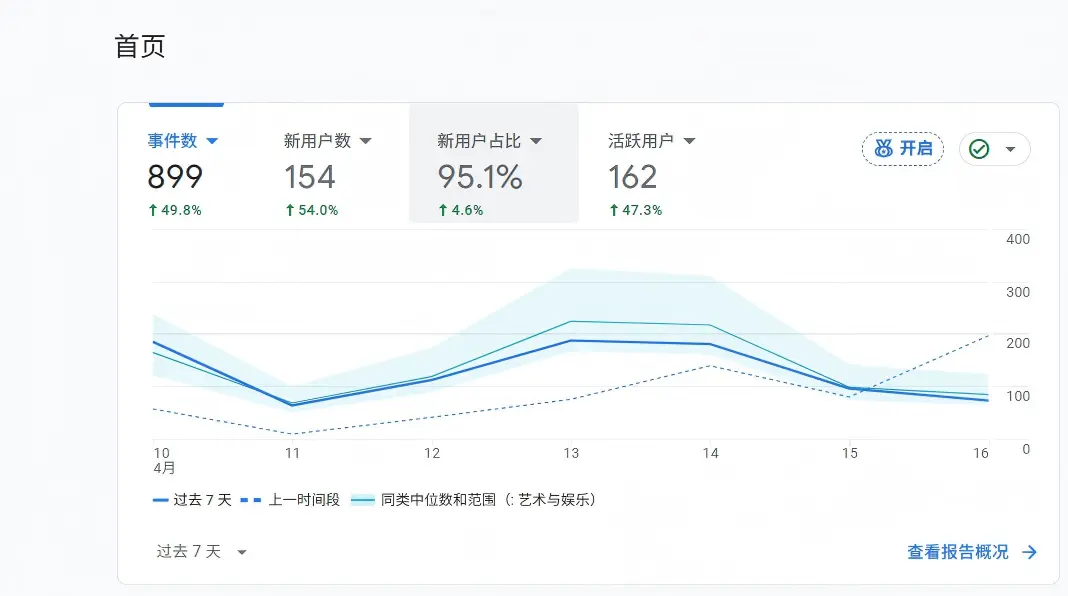
The website's organic SEO traffic continues to grow, keyword rankings are improving, and even visitor numbers have multiplied several times over, but the number of inquiries in the backend hasn't changed significantly. This reflects the fact that "traffic doesn't necessarily translate to inquiries for a B2B export website." B2B export website operators often prioritize "traffic growth" as a key SEO metric, believing that as website visitors increase, inquiries will naturally follow. SEO addresses "getting users to find you," while inquiries address "getting target customers to trust you, contact you, and choose you." If this link in the chain is flawed, even high traffic will struggle to convert into inquiries.
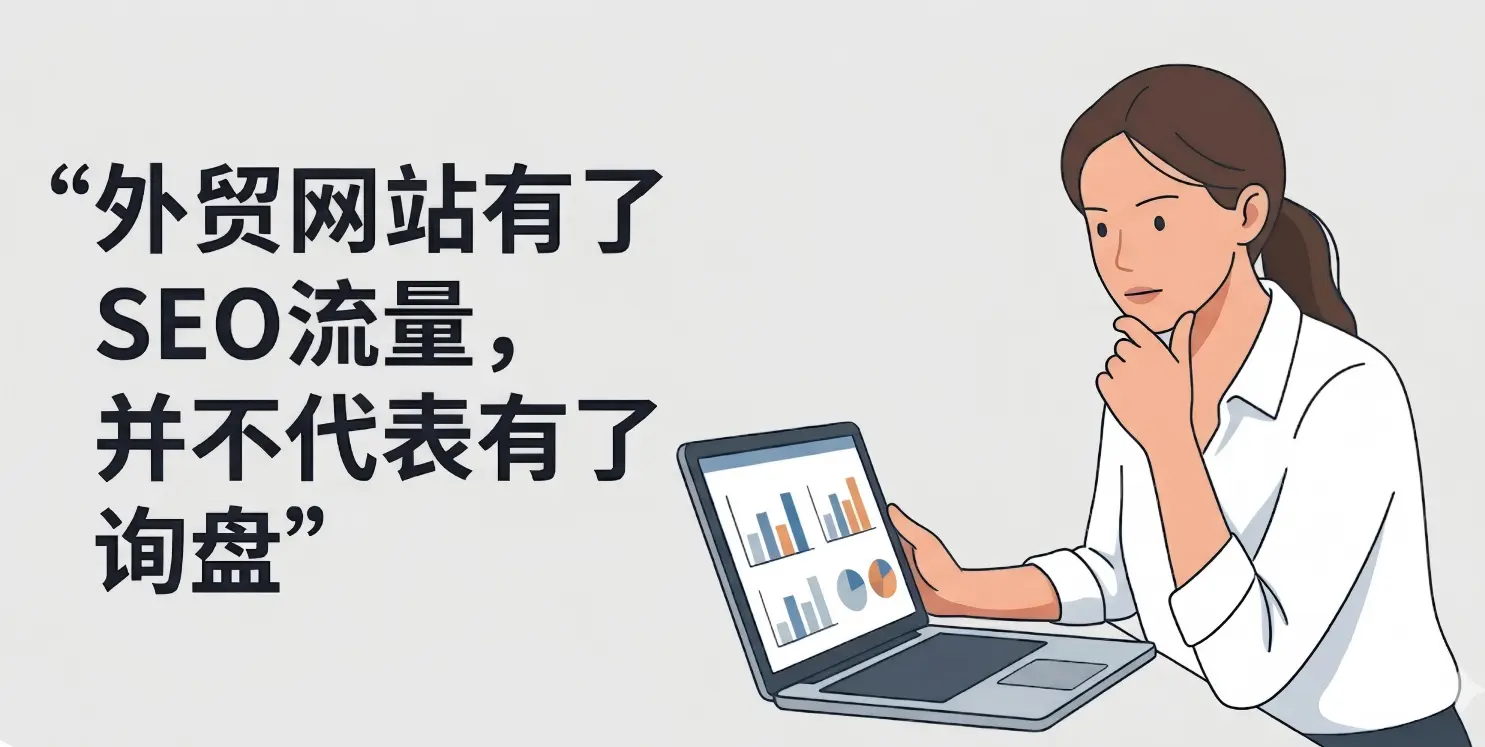
I. The increase in organic traffic to B2B export websites may simply be "ineffective traffic".
To quickly gain search traffic, many companies create a large amount of content containing industry knowledge, popular science articles, and frequently asked questions, even covering broad keywords with high search volume. From an SEO perspective, this content is indeed easier to rank for and generate organic clicks; however, the problem is that the people searching for these keywords may not be your target customers.
For example, if you export industrial equipment, but your website's main traffic comes from keywords like "equipment working principle," "difference between equipment and machine," or "introduction to a certain process," then these visitors are likely in the information gathering stage, or even just students, industry peers, or low-intent users. They might browse the page, but they don't have a specific purchasing need, and naturally, they won't generate inquiries. In other words, if your SEO strategy leans towards attracting a broad audience rather than focusing on the purchasing decision-maker, then even if your website gets new visits every day, it will be difficult to increase in inquiries.
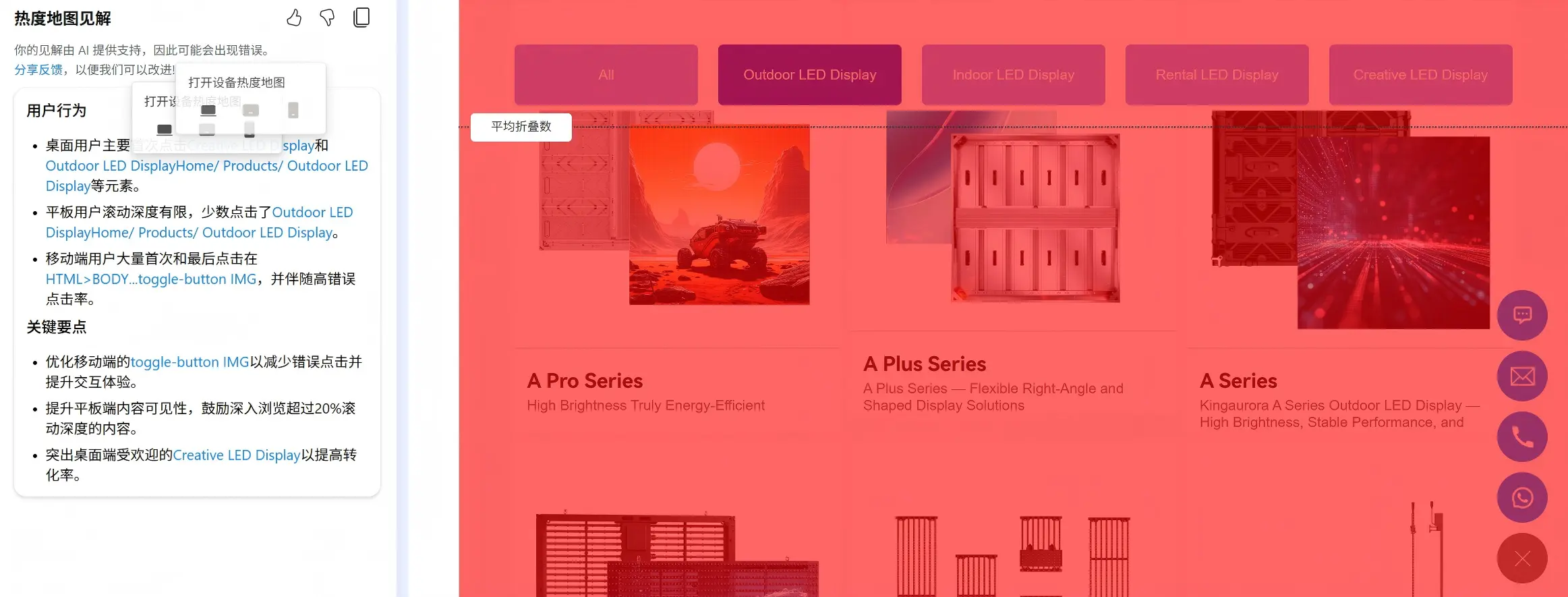
2. The user has arrived, but the traffic hosting page has not been able to receive the data.
After a user enters the website through a search, they see a complete article, but the page lacks a clear CTA button, a clear product entry point, pricing guidance, and convenient contact information. The task of an SEO page is not just to get clicks, but more importantly, to guide visitors step-by-step to inquiries. For example:
After reading the article, can you quickly jump to the relevant product page?
Does the page clearly inform users that they can "get a quote", "request samples", or "contact an advisor"?
Is the form concise enough? Is it convenient to submit inquiries on mobile devices?
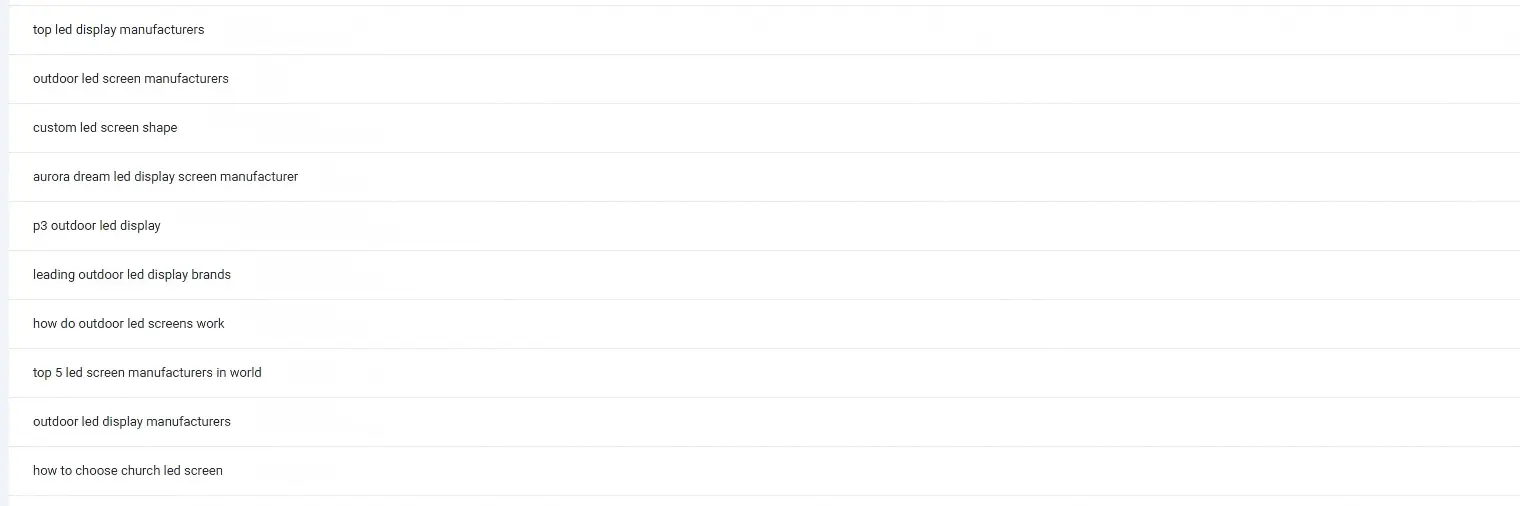
Third, keyword rankings have improved, but commercial intent has not.
Generally speaking, optimized keywords can be roughly divided into three categories: informational, comparative, and transactional. Informational keywords tend to be more related to popular science, learning, and understanding; comparative keywords usually have a tendency to select solutions and evaluate suppliers; transactional keywords are directly related to purchasing behavior, such as "supplier," "manufacturer," "price," "quotation," "OEM," and "custom."
To determine whether SEO is truly effective, one should not only look at whether traffic has increased, but also whether the proportion of high-commercial-intent keywords has increased, and whether the organic traffic of product pages and solution pages has grown.
Fourth, the website content is attractive, but not enough to build trust.
The website has numerous articles and traffic information, but it lacks compelling content to help clients make informed decisions. For example, it lacks real-world case studies, factory or team showcases, certifications, customer reviews, delivery process details, and a FAQ to address purchasing concerns. While such a website may attract clicks, it fails to inspire users to feel that "this company is worth contacting."
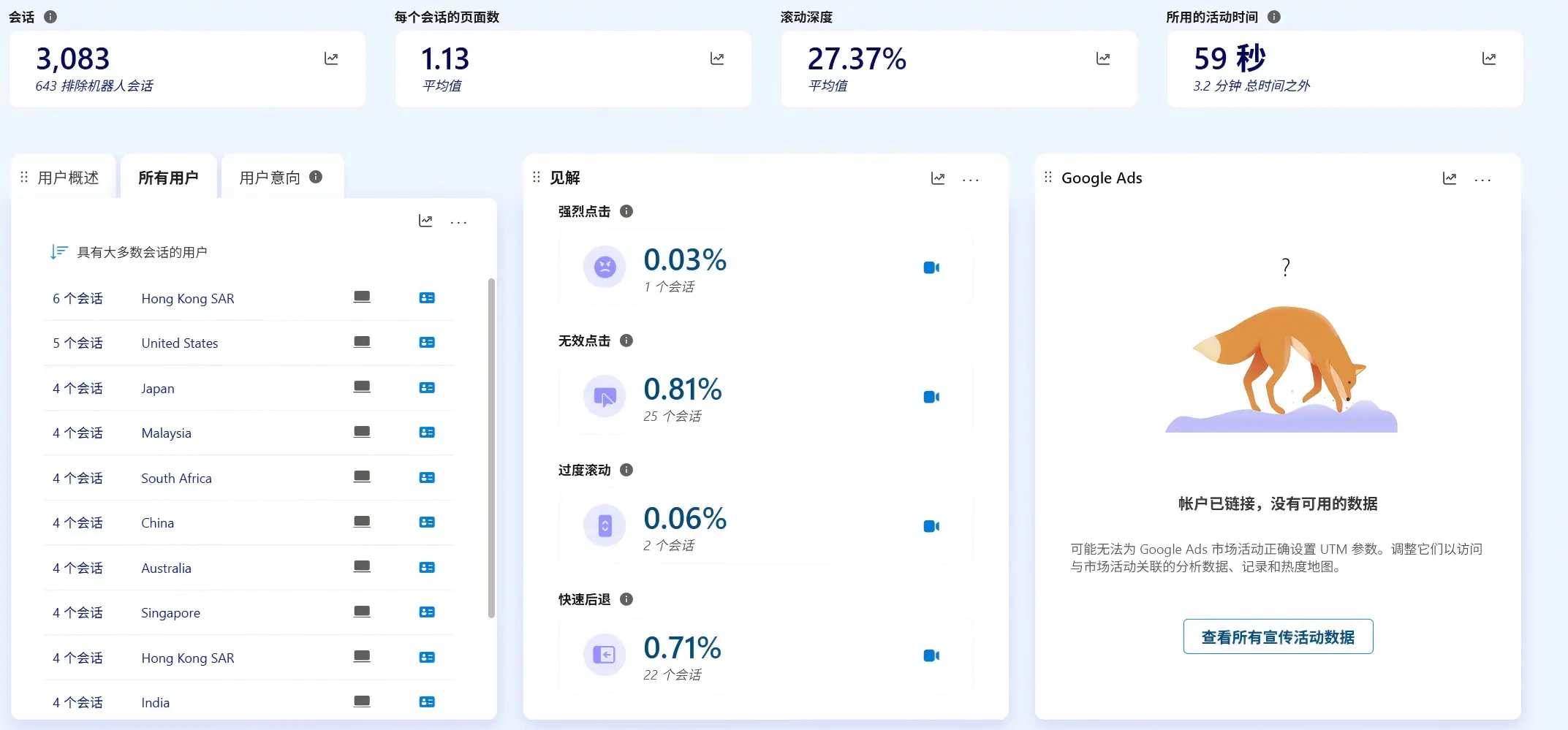
V. SEO Conversion Path Investigation
A complete SEO lead generation loop should be: precise keyword strategy → attracting target users to the website → page content meeting needs → building trust → clearly guiding inquiries → successful submission. If any link in this chain breaks down, the result will be "visits but no inquiries."
summary
A business website experiencing continuous SEO traffic growth without a significant increase in inquiries is a typical result of the combined effects of "traffic quality + page conversion + trust building." Traffic is just the starting point; inquiries are the ultimate outcome. Truly effective SEO is not about bringing more people to your website, but about bringing the right people to your website and encouraging them to proactively contact you.
Therefore, when you find that website traffic is increasing but inquiries are not increasing at the same rate, don't rush to doubt the effectiveness of SEO. Instead, you should ask yourself: Are the customers you're attracting truly your target customers? Once they arrive at the website, are they successfully engaged? Do they have sufficient reason to trust you and contact you?
What does international social media management service include? 2026 Guide to Social Media Management for Export Businesses
2026-10-28
How to write a WordPress product page that will make overseas buyers want to send inquiries?
2026-10-28

How to fix WordPress form emails not sending: Practical WP Mail SMTP configuration
2026-10-27
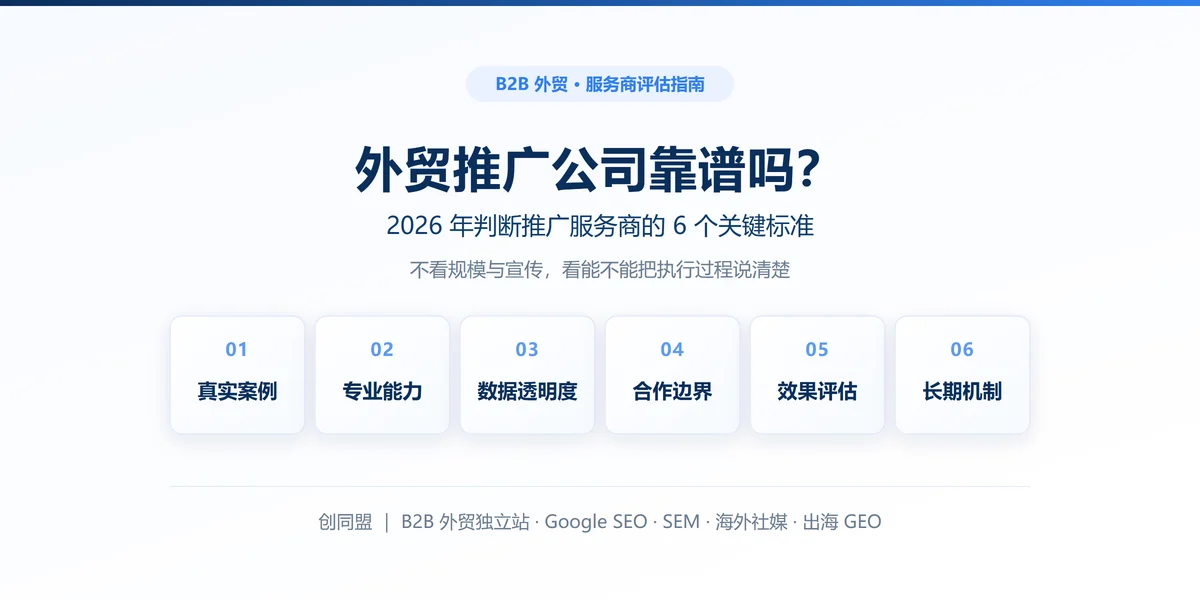
Are foreign trade promotion companies reliable? Six key criteria for businesses to judge promotion service providers in 2026.
2026-10-26
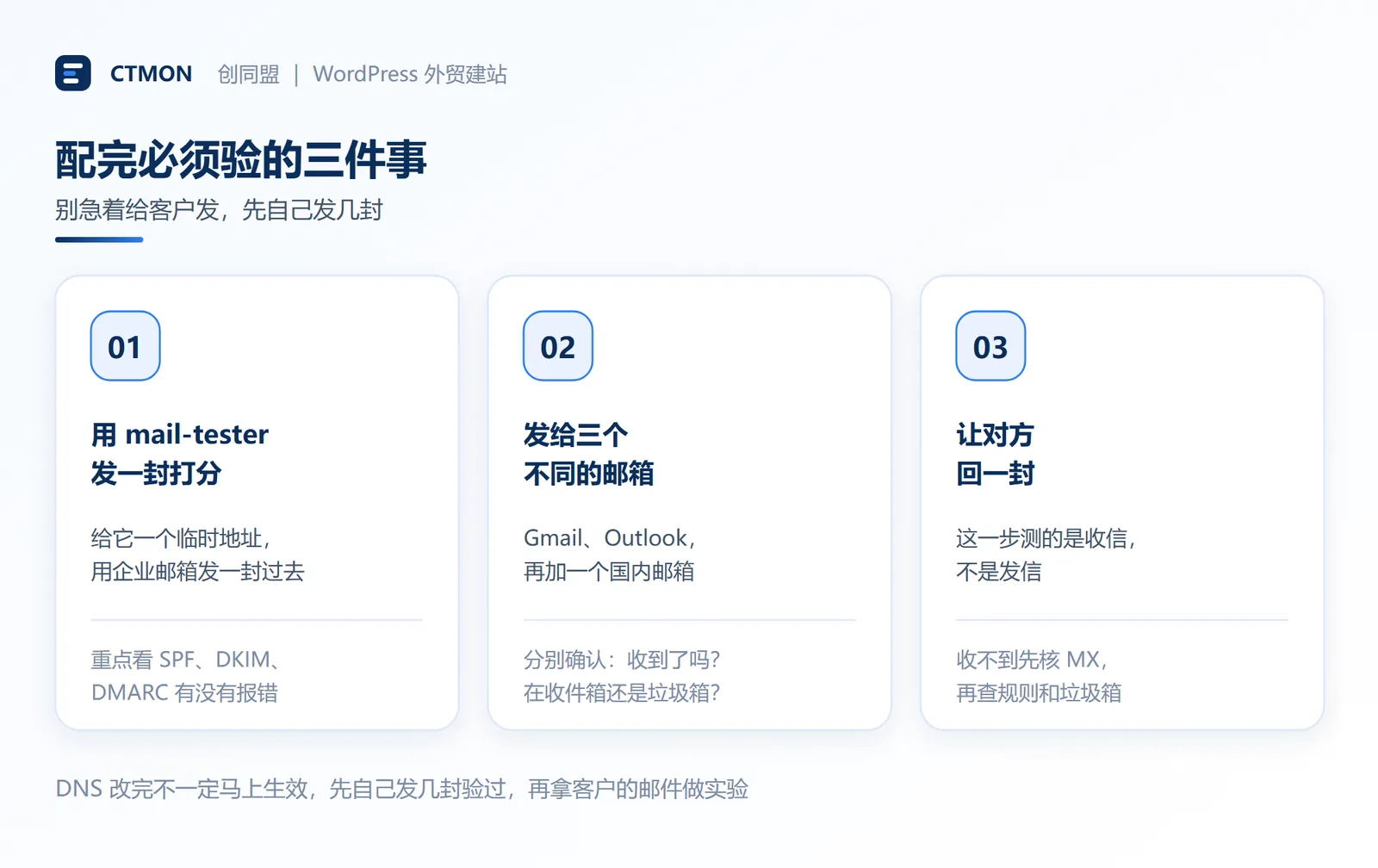
How do I set up an email account for export businesses? How can I configure it to avoid it ending up in the spam/junk mail folder?
2026-10-26
Related Articles
What are the differences between Google SEO and Google Ads? Which should B2B export businesses do first?
2026 Shenzhen Google SEO Optimization Company Recommendations: Service Provider Comparison and Selection Guide
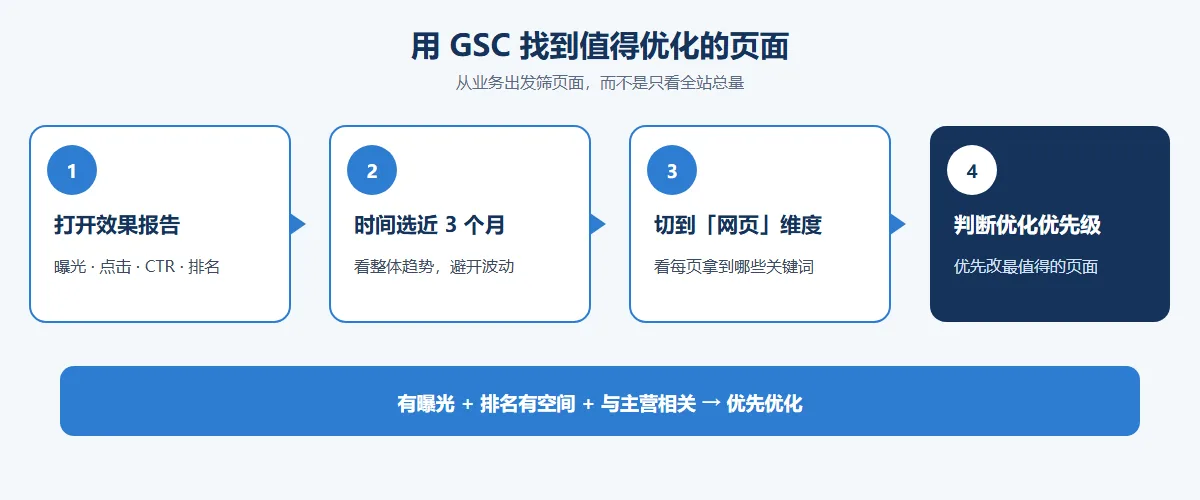
How to improve Google rankings through SEO optimization for international trade? 7 practical methods and steps.
Recommended Shenzhen B2B export website operation company: How to choose a suitable international lead generation service provider for your enterprise?
Why is the Google ranking of Shenzhen export businesses' business websites not improving?

