Contents +
What to do after your WordPress website goes live? SEO optimization and overseas inquiry guide.
Source: 创同盟
Date: 2026-10-20
Views: 72
Now that the website is set up and can be accessed normally, can we just wait for customers to come to us?
That's not true at all.
I've seen many WordPress websites for export businesses that have been launched but then left idle. Google doesn't index them, product pages only have a few pictures, blogs aren't updated for a long time, and they haven't even checked if their inquiry forms are receiving emails properly.
You have a website, but overseas customers can't find it at all; even if they do, they may not be willing to contact you.
Therefore, launching a WordPress website is only the first step; the real important aspects are subsequent SEO optimization, content creation, and inquiry conversion.
This is the operational part of the WordPress series. If you're still unsure what WordPress is all about, you can first read "What is WordPress?" , which explains the difference between WordPress.org and WordPress.com, and which one to choose.
Instead of going into complicated theories, let's talk about what to do after a WordPress website goes live, and how to gradually go from zero traffic to overseas inquiries, following the practical steps.
First, let Google and Bing know about your website (Week 1)
When a website is first launched, search engines may not be able to discover it immediately.
Therefore, the first step is not to rush into writing articles, but to first confirm that Google and Bing can access your website normally.
1. Configure Google Search Console
Access point: Google Search Console
Google Search Console (GSC) is a free webmaster tool provided by Google that helps you check whether your website is indexed, which keywords are displayed, and whether there are any crawling issues.
Specific operations:
- Add your website and verify ownership. WordPress websites can complete this verification process using DNS records, HTML tags, or SEO plugins.
- Locate and submit the XML Sitemap. Common addresses include `/sitemap_index.xml` or `/wp-sitemap.xml` , depending on your website configuration.
- Use the "URL Checker" tool to check if the homepage and important product pages can be indexed by Google.
- Review the "Web Page Indexing" report to check for any issues related to crawling, indexing, or canonicalizing URLs.
Common WordPress SEO plugins include Yoast SEO, Rank Math, and All in One SEO. Usually, choosing one plugin that meets your website's needs and requires ongoing maintenance is sufficient; it's not necessary to install all of them.
Note: Submitting a Sitemap does not guarantee that Google will index it. The purpose of a Sitemap is to help search engines discover website URLs. Whether a page will be indexed also depends on factors such as content quality, technical setup, and website structure.
2. Configure Bing Webmaster Tools
Access point for tools: Bing Webmaster Tools
Besides Google, it's also recommended to submit your website to Bing. Export businesses, especially those targeting the European and American markets, shouldn't overlook the potential customers brought in by other search engines.
Bing Webmaster Tools can also check website indexing, submit sitemaps, and view search performance.
These two tasks are not complicated, but it is best to complete them in the first week after the website goes live.

II. Check the basic settings of your WordPress website (Week 1)
Before starting SEO optimization, make sure the website itself has no obvious problems.
Many businesses focus their efforts on keyword rankings while neglecting the most basic website settings. For example, they might prevent search engines from indexing their pages, or they might not receive emails from customers who fill out inquiry forms.
If these problems are not resolved, it will be difficult to achieve results no matter how much content is added later.
We recommend focusing on checking the following aspects.
| Inspection items | Specific operations |
|---|---|
| Permalink | Use a concise and readable URL structure; do not modify existing websites arbitrarily. |
| Search engine visibility | Check if WordPress is blocking search engine indexing. |
| SEO Titles and Descriptions | Set separate titles and meta descriptions for important pages. |
| HTTPS | Confirm that the website uses a valid SSL certificate. |
| Mobile adaptation | Check text, images, buttons, and navigation. |
| Page speed | Check image size, cache, and page loading experience. |
| inquiries form | After successfully submitting the test, will I be able to receive the email normally? |
| Website Backup | Configure regular backups and necessary security updates. |
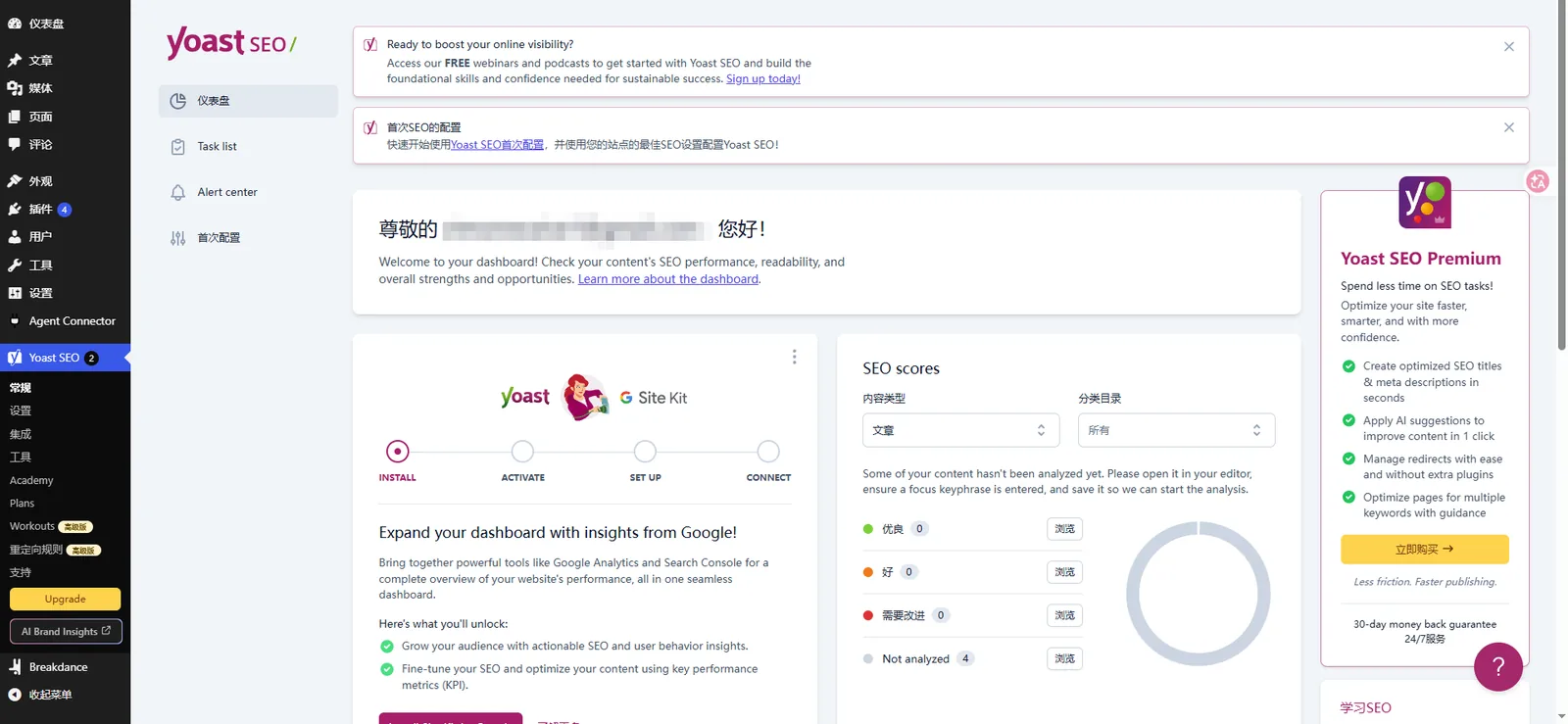
Two things to note here.
First, do not arbitrarily modify URLs that are already online and indexed for SEO purposes. If adjustments are absolutely necessary, implement 301 redirects.
Secondly, website speed shouldn't be tested solely on an office computer. I highly recommend accessing the website using a mobile network and then checking mobile performance through PageSpeed Insights . If your target customers are in the US or Europe, you can also test based on actual access data from those regions.
If you previously set up a test site locally, the methods described in the article on setting up a local WordPress test site also apply to the production site—verify the settings locally first, and then migrate them online, which can save you a lot of back-and-forth troubleshooting.
III. Where do keywords come from? First, look at how customers ask questions.
Many SEO tutorials start by teaching you to open Google Keyword Planner and search for product keywords.
Tools are certainly useful, but when I work on B2B export website projects, I usually advise companies to do something else first: review the overseas customer inquiries they have received in the past six months.
Why?
Because the words used by genuine buyers in emails often reflect their purchasing needs. For example, an American buyer asked:
Do you do custom die casting for automotive housings?
This statement provides several key areas for research: Custom die casting, Automotive housings, and Custom die casting manufacturer.
Of course, the expressions used by customers in emails may not be exactly the same as the actual search terms. Further verification is needed using Google Search Console, keyword tools, and search results.
Keywords should be divided into two categories
| Keyword types | Example | Suitable layout for the page |
|---|---|---|
| Product and Procurement Keywords | Custom Injection Mould Manufacturer | Product page, product category page |
| Problem and research keywords | How to Evaluate a Chinese Mould Maker | Blog articles, purchasing guides |
The first type of keyword primarily helps customers find your products and supply capabilities. The second type of keyword can answer customers' questions in advance, even before they have decided on a supplier.
These two types of content should complement each other, rather than stuffing all keywords onto the homepage.
Regarding the relationship between keywords and rankings, you can refer to our previous article on how to improve Google rankings for foreign trade SEO —often, the problem with rankings not going up is not the keywords themselves, but whether the page and content truly match the purchasing needs.
IV. How do you write a product page that will attract overseas buyers to contact you?
A common mistake for beginners creating B2B export websites is uploading dozens or even hundreds of products, but each product page only has one image, a few parameters, and the phrase "Contact Us".
Even if such pages have the opportunity to appear in search results, they are unlikely to help buyers make decisions.
I would recommend selecting 3-5 key products in the initial stage of a website launch and focusing on creating high-quality page content. By "high-quality," I don't mean simply increasing the word count, but rather providing comprehensive information that buyers care about.
A valuable B2B product page should typically answer the following questions:
- What exactly is the product? What application scenarios is it suitable for?
- What are the materials, specifications, processes, or technical parameters?
- Does it support OEM/ODM or customization?
- Are there any minimum order quantities, sample requirements, and delivery time requirements?
- What practical manufacturing and quality control capabilities does the company possess?
- What information do clients need to provide to receive a quote?
For industrial manufacturing companies, real product photos, production equipment, testing processes, and application cases can also help buyers further determine whether a supplier is reliable.

How to write an SEO title for a product page?
A possible structure is "core product keywords + main differentiating advantages + brand," for example:
Custom Injection Mould for Automotive Parts | ABC Mould
However, it's important to note that product pages shouldn't be filled with keyword stuffing for the sake of ranking. The title, body text, image alt text, and FAQ should all revolve around genuine product information.
For export businesses with limited resources, it is usually more meaningful to focus on creating high-quality core product pages than to blindly add a large number of similar product pages.
5. The About Us page should not only contain a company introduction.
I've looked at many export businesses websites' About Us pages, and the content is basically the same:
"The company was founded in XXXX, possesses advanced equipment, and its products are sold all over the world..."
It's not that this information can't be included, but rather that based solely on this content, it's difficult for overseas clients to assess a company's actual capabilities.
What customers really want to know is: Is this company a reliable supplier? Does it have production capacity? Can it meet my procurement requirements?
Therefore, in addition to basic company information, the About Us page should include verifiable information. For example:
- Company's main business and core products
- Factory size and main production equipment
- Quality management and testing capabilities
- Main service industries and markets
- Photos of the actual factory, team, and production site.
- Company qualifications, certifications, and publicly available project experience
If you have authentic information, present authentic information as much as possible.
The About Us page can also undergo basic SEO optimization, but its more important role is to help build customer trust. After customers enter the product page from Google, they may continue to view About Us, case studies, and contact information. These pages collectively influence whether customers are willing to send inquiries.
6. What posts should a WordPress website update?
After perfecting the product page, the next step is to consider updating the content.
Many export businesses, when they say they want to update their websites, start writing company news: "The company participated in such and such exhibition", "The company held an employee event", "The company achieved new development results".
This content can be retained, but if the website's main goal is to acquire overseas customers through Google, it cannot simply be updated with company news.
I would suggest tailoring the article to the problems clients encounter during the purchasing process. For example:
| Issues that buyers are concerned about | Blog titles that can be planned |
|---|---|
| Production cycle | How Long Does It Take to Make a Custom Injection Mould? |
| Minimum Order Quantity | What's the MOQ for Custom Logo Shoes? |
| Cooperation methods | OEM vs ODM: Which One Is Right for Your Brand? |
| Supplier selection | How to Choose a Reliable Injection Mould Manufacturer |
| Pricing factors | What Affects Custom Injection Mould Cost? |
These topics were not conceived out of thin air, but rather derived from real procurement processes.
How should each article be written?
My suggestion is to answer the user's question first, then explain the reasons, and finally provide a practical solution.
For example, when writing "How to Choose a Reliable Injection Mould Manufacturer", you shouldn't just introduce how professional the mold manufacturer is. Instead, you should tell the buyer how to evaluate their technical capabilities, quality control, delivery time, communication efficiency, and pricing transparency.
There's no need to force a uniform word count for articles. Clearly explaining the issue and providing valuable information is more important than simply aiming for 800 or 2000 words.
For newly launched websites, you can start by maintaining a weekly update schedule, based on your team's resources. However, don't assume that consistently updating for three months will guarantee a ranking – SEO performance is influenced by many factors, including website fundamentals, industry competition, and content quality.
7. Convert website visitors into inquiries; don't overlook contact information.
The goal of SEO is not simply to generate traffic to a website. For B2B companies engaged in international trade, the more important thing is to attract visitors with genuine purchasing needs who are willing to contact you.
Therefore, it is essential to check the inquiry conversion path after the website goes live.
1. The inquiries form should not be too complex.
Initially, you can retain a few key fields: Name, Email, Country, and Your Requirements.
If the product is highly customized, fields such as product model, quantity, and uploaded drawings can be added according to actual needs. Fewer fields are not necessarily better; a balance must be struck between ease of filling out the form and the information required for sales.
2. Test whether the form can receive emails.
This is a point that is very easy to overlook.
It is recommended to test using different email addresses to check form submissions, email sending, spam filtering, and backend logging. For WordPress websites, you should also pay attention to email sending configurations, and use authenticated SMTP or a professional email service if necessary.
3. Provides multiple contact channels
In addition to forms, you can also set up contact methods such as WhatsApp, business email, and phone according to your target market and customer habits. Mobile phone numbers can use the `tel:` link, and WhatsApp can use the officially supported contact link.

The contact page shouldn't just contain one form. Including the company address, working hours, company email address, and a reasonable response time will help customers determine if further communication is convenient.
If you are still planning the overall structure of your homepage, there is a more complete breakdown in "How to Design a Homepage for a Manufacturing B2B Business Website" . You can design the homepage and contact page as a single path.
8. What data should you look at after going live? Don't just focus on page views.
After the website goes live, you can monitor its performance using Google Analytics 4 and Google Search Console. However, for a newly launched B2B export website, I don't recommend focusing solely on daily traffic—high traffic doesn't necessarily mean high-quality inquiries.
It is recommended to observe from three levels:
| Data types | Key Indicators | Main purpose |
|---|---|---|
| Search performance | Impressions, clicks, keywords, index status | Determine if a website is gradually gaining search exposure. |
| Website behavior | Organic search visits, key pages, conversion events | Determine if visitors have entered the target page |
| inquiries | Number of inquiries, sources, and percentage of qualified inquiries | Determining whether a website generates genuine business opportunities |
For B2B websites in the manufacturing sector, a single inquiry with a clear requirement, including product specifications and purchase quantity, may be more valuable than a large number of irrelevant visits.
Of course, one cannot conclude that a buyer is genuine based on just one email; further verification of the client's background and needs is still necessary. Ultimately, the value of SEO should be judged in conjunction with qualified inquiries, sales opportunities, and actual sales transactions.
9. Three common pitfalls to avoid after launching a WordPress website
Pitfall 1: Rushing to run Google Ads immediately after launching the website
Advertising isn't inherently bad. However, if the product page content is incomplete, the forms have issues, or the mobile experience is poor, even if the ads bring in visitors, they may not be effective at converting them into sales.
My advice is to first check your core landing pages and inquiry paths, and then decide whether to launch ads based on your budget and lead generation needs. SEO and Google Ads don't conflict, and you don't necessarily have to wait several months of SEO work before starting advertising.
Pitfall 2: After three months of no ranking, you start all over again.
SEO requires continuous monitoring and adjustments. This is especially true for new websites, as page discovery, indexing, keyword ranking, and traffic growth can all take time.
However, not all problems can be attributed to "Google not assigning it ranking authority yet." If there are still no impressions, you should check: Is the website being indexed correctly? Do the keywords match customer needs? Is the content competitive enough? Are there any technical issues?
Finding the specific reason is more effective than blindly changing direction.
Pitfall 3: Focusing solely on traffic without considering procurement needs.
Some keywords have high search volume, but the searchers may not be your target customers.
For B2B websites, priority should be given to the relevance of keywords to the main business, procurement needs, and inquiry conversion. A website doesn't need all traffic, but rather suitable potential customers.
10. Three months after a WordPress website goes live, we recommend the following arrangement:
After discussing all that, we can summarize it into an execution table.
| time | Key tasks | Inspection Standards |
|---|---|---|
| Week 1 | Configure GSC and Bing, submit the Sitemap, and check the technical settings and forms. | Important pages can be crawled, index status can be checked, and forms are normal. |
| Weeks 2-4 | Optimize 3-5 key product pages and improve the About Us and Contact pages. | Product information is complete, trust information is authentic, and contact details are clear. |
| 2nd month | I will continue to update this blog with relevant internal links to address issues related to buyers. | The content has been published and is indexable; search performance data is now being accumulated. |
| 3rd month | Analyze GSC and GA4 to adjust keywords, page content, and conversion paths. | It can identify effective keywords, key pages, and inquiry questions. |
This table outlines the execution schedule, not a promise of results. Whether you can obtain organic search traffic or genuine inquiries within three months depends on the level of industry competition, your website's fundamentals, and the specific implementation progress.
In conclusion: The website launch is just the beginning.
Building a WordPress website is not complicated; the real challenge lies in its ongoing operation after launch.
From search engine indexing, keyword strategy, and product page construction to content updates and inquiry conversion, every step affects the final result.
Therefore, export businesses shouldn't just focus on whether their website is well-designed; they should also consider: Can overseas customers find the website? Once customers enter the website, can they quickly understand your products and capabilities? And ultimately, can they easily contact you?
This is the problem that B2B export websites need to continuously address.
For companies without dedicated SEO personnel, it's not necessary to start with something overly complex. Focusing on the basics first, and then gradually adjusting based on data, is more practical than blindly pursuing massive amounts of content and increased traffic.
CTMON specializes in B2B export website development and overseas digital marketing, providing services including WordPress website building, Google SEO optimization, Google Ads, and international social media marketing.
If your WordPress website is already live but hasn't received any organic search traffic or qualified inquiries for a long time, you can contact CTMON to troubleshoot issues from several aspects, including website technical fundamentals, keyword layout, content quality, and conversion paths.
Author: CTMON | B2B Digital Marketing Service Provider
References and Information Sources
- Google Search Central — SEO Starter Guide:https://developers.google.com/search/docs/fundamentals/seo-starter-guide
- Google Search Central — Sitemaps Overview:https://developers.google.com/search/docs/crawling-indexing/sitemaps/overview
- Google Search Console Help Center: https://support.google.com/webmasters/
- Bing Webmaster Tools:https://www.bing.com/webmasters/
- WordPress Official Documentation: https://wordpress.org/documentation/
- Google Analytics Help Center: https://support.google.com/analytics/
- Google PageSpeed Insights:https://pagespeed.web.dev/
Note: The interfaces and functions of GSC, GA4, and Bing Webmaster Tools mentioned in this article may be adjusted with version updates. Please refer to the latest official interface for actual operation.
What does international social media management service include? 2026 Guide to Social Media Management for Export Businesses
2026-10-28
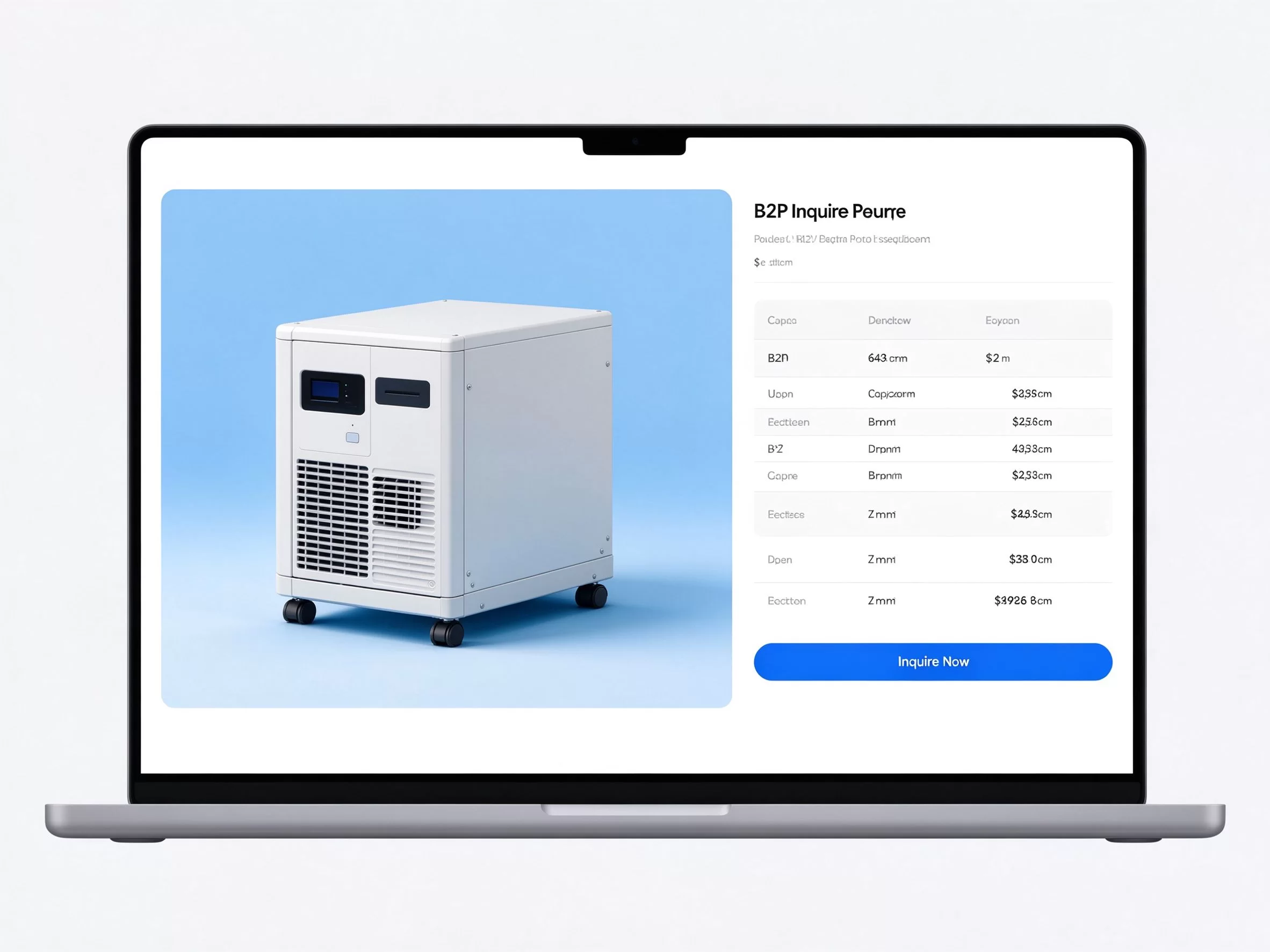
How to write a WordPress product page that will make overseas buyers want to send inquiries?
2026-10-28

How to fix WordPress form emails not sending: Practical WP Mail SMTP configuration
2026-10-27
Are foreign trade promotion companies reliable? Six key criteria for businesses to judge promotion service providers in 2026.
2026-10-26
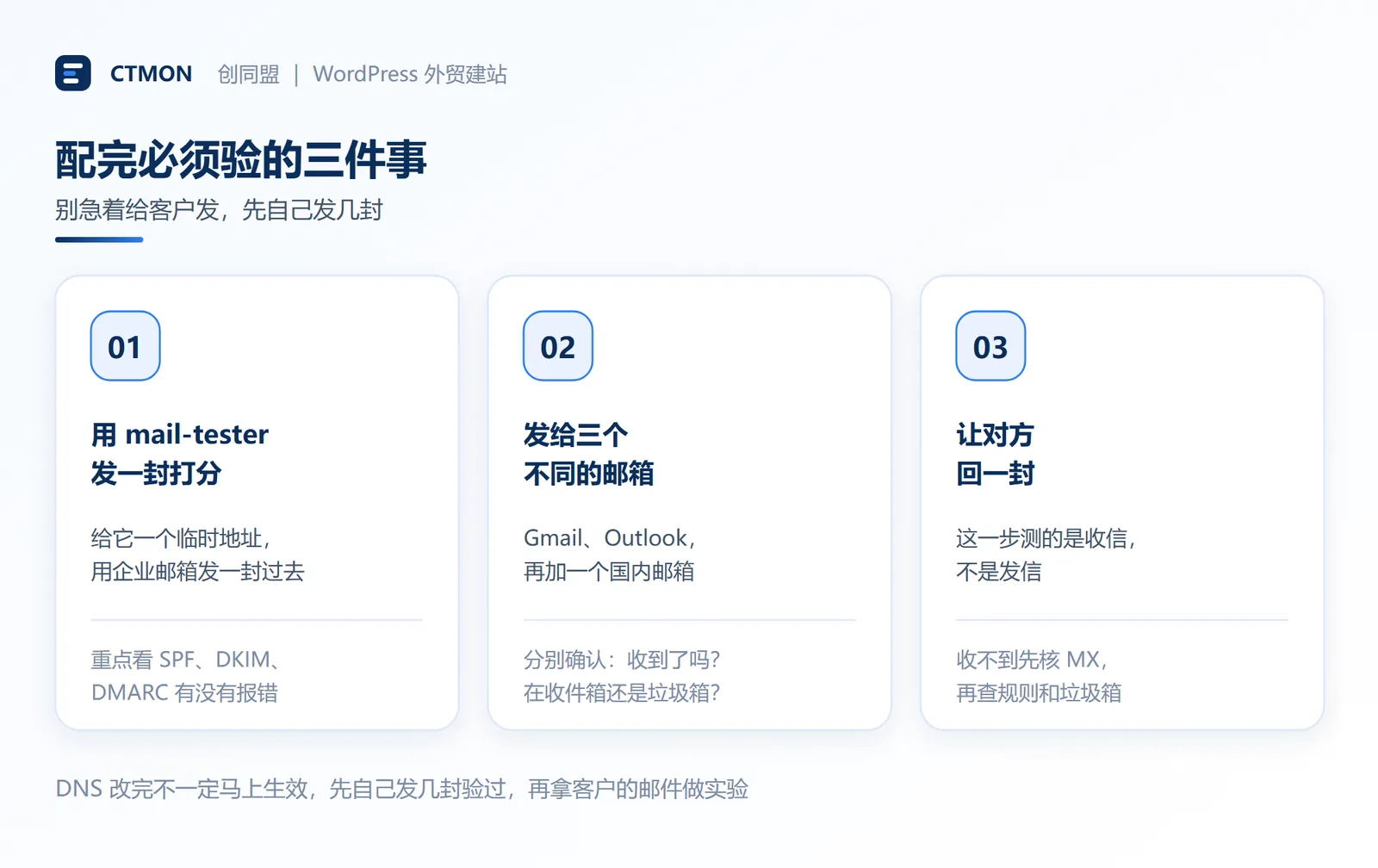
How do I set up an email account for export businesses? How can I configure it to avoid it ending up in the spam/junk mail folder?
2026-10-26
Related Articles
How to configure WPForms contact forms: Which should I choose, WPForms or Contact Form 7?
How to write a WordPress product page that will make overseas buyers want to send inquiries?
How to fix WordPress form emails not sending: Practical WP Mail SMTP configuration
How do I set up an email account for export businesses? How can I configure it to avoid it ending up in the spam/junk mail folder?
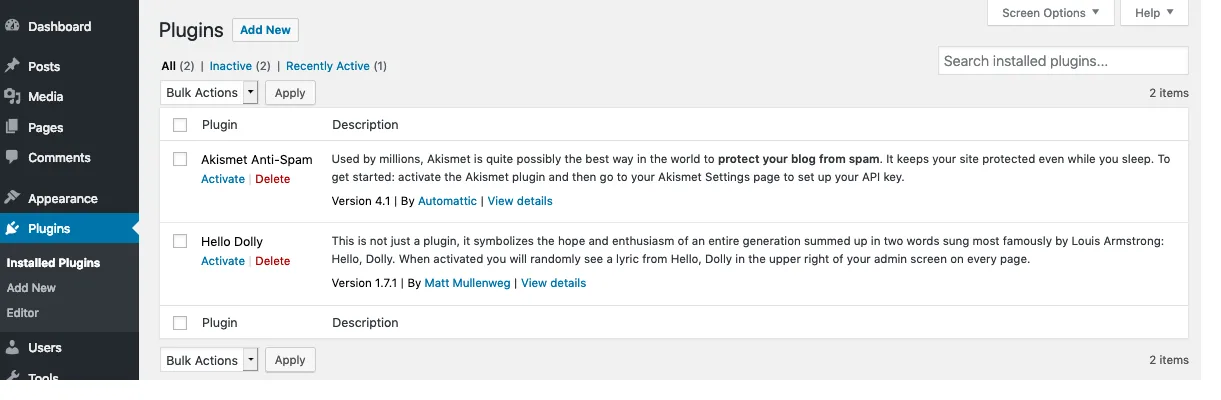
Recommended essential WordPress plugins: 6 types of plugins commonly used for B2B export websites

