Contents +
Zero-cost and easy to implement: Best practices for GEOs in B2B enterprises (practical version)
Source: 创同盟
Date: 2026-06-30
Views: 1503
For B2B companies, the core of GEO is not simply pursuing search rankings, but rather enabling AI to consider your brand as part of the credible answer when customers conduct research, selection, comparison, and purchasing decisions. This makes it easier for your company to be mentioned, cited, and recommended in the responses of AI tools such as ChatGPT, Perplexity, Gemini, Doubao, Kimi, and Tongyi.
First, create a customer "problem map".
B2B procurement involves long processes and multiple stakeholders. Customers don't start by searching for brand names; they begin with their questions. Therefore, the first step for a GEO (Government Executive Officer) is to identify what questions customers will ask at different stages. A question map can be broken down by procurement stage:
GEO Issue Map (Illustrative) | |||
Cognitive stage The client is still unaware of the specific plan. | Evaluation phase The customer began comparing different options. | Comparison phase Customers will group you together with your competitors. | Decision-making stage Clients are concerned about cost, risk, and implementation. |
What is XX product? Why do companies need the XX solution? What business problems can XX solve? | How to choose an XX supplier? What are the selection criteria for product XX? | What's the difference between XX and YY? What are the alternatives to product XX? Are there any similar ones in China? What are the products of Company A/Company B? | How much does product XX cost? How long is the implementation cycle for Project XX? Does XX support custom mold design? Does XX meet compliance requirements such as information security level protection, ISO standards, etc.? |
GEO Problem Map (Illustrative) - 1
Businesses can collect questions from sales calls, customer service tickets, official website forms, search term reports, community discussions, competitor websites, industry forums, and existing answers from AI tools. These questions can be compiled into a table, noting the question's stage, customer intent, priority, and corresponding content format. This way, GEOs avoid blindly publishing content and instead build AI content assets around the customer's real decision-making needs.
II. What kind of content is more likely to be mentioned by AI?
B2B businesses, in particular, should reduce vague promotional content and produce more content that helps customers make judgments and decisions. AI prefers to use clear, authoritative, structured, and verifiable content.
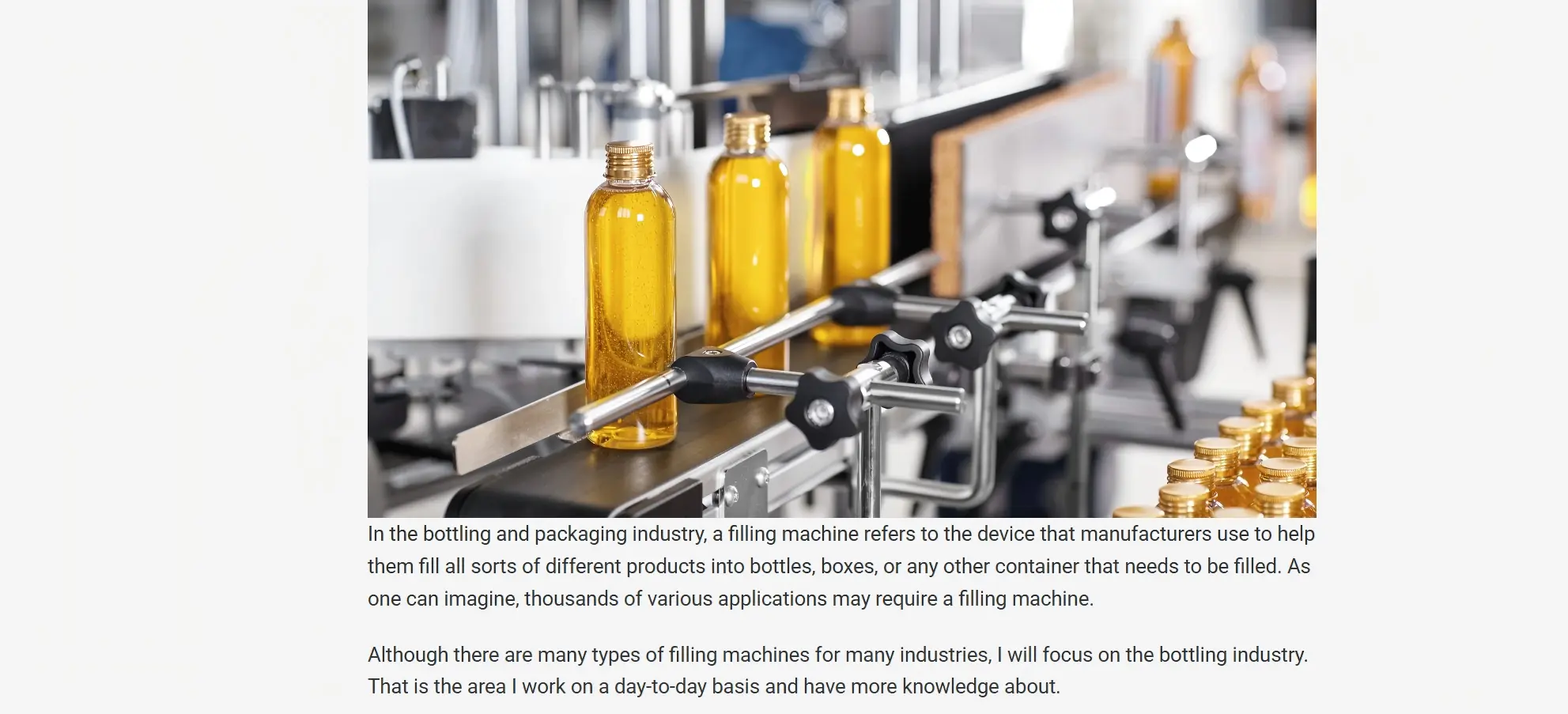
① Create definitional content: such as "What are filling machines and labeling machines?"... to help AI understand your professional field.
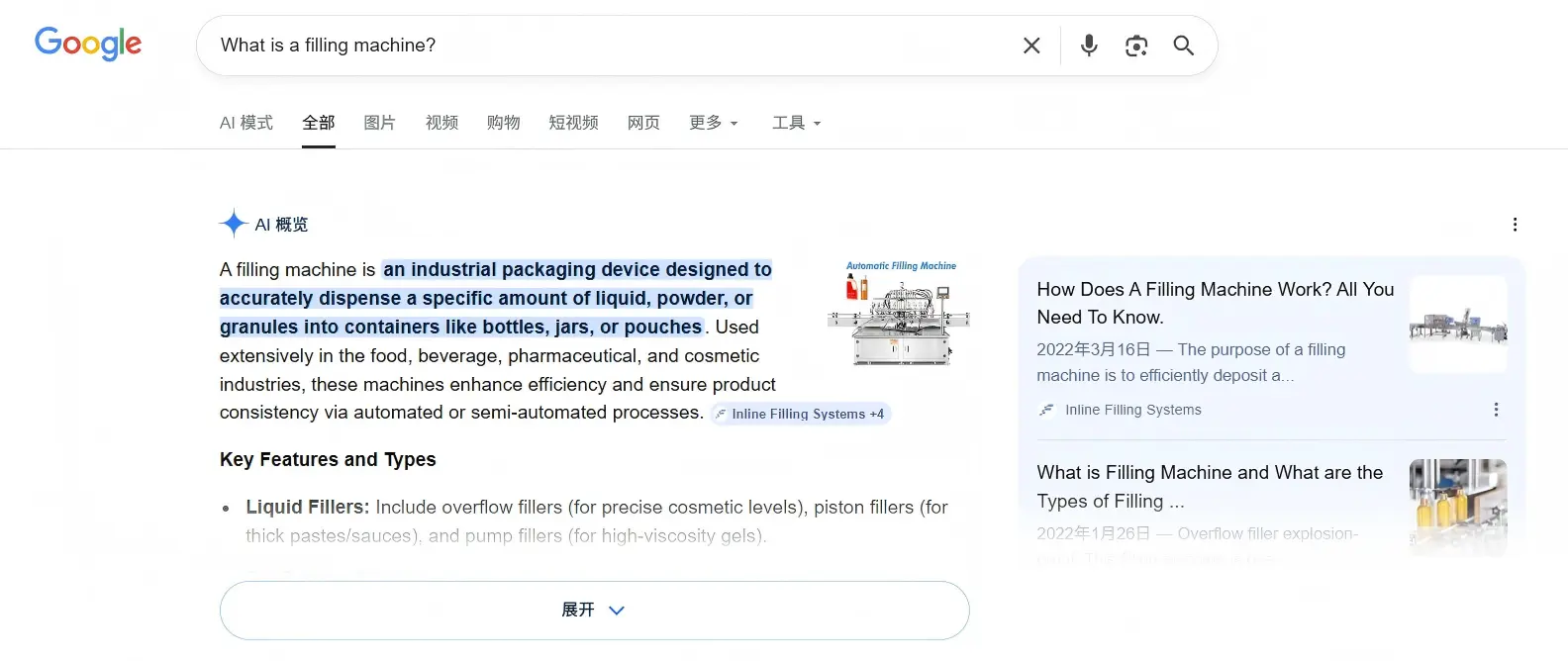
② Selection guide content: such as "How canneries choose glass bottle filling machines"... customer procurement issues, which can be easily referenced by AI.
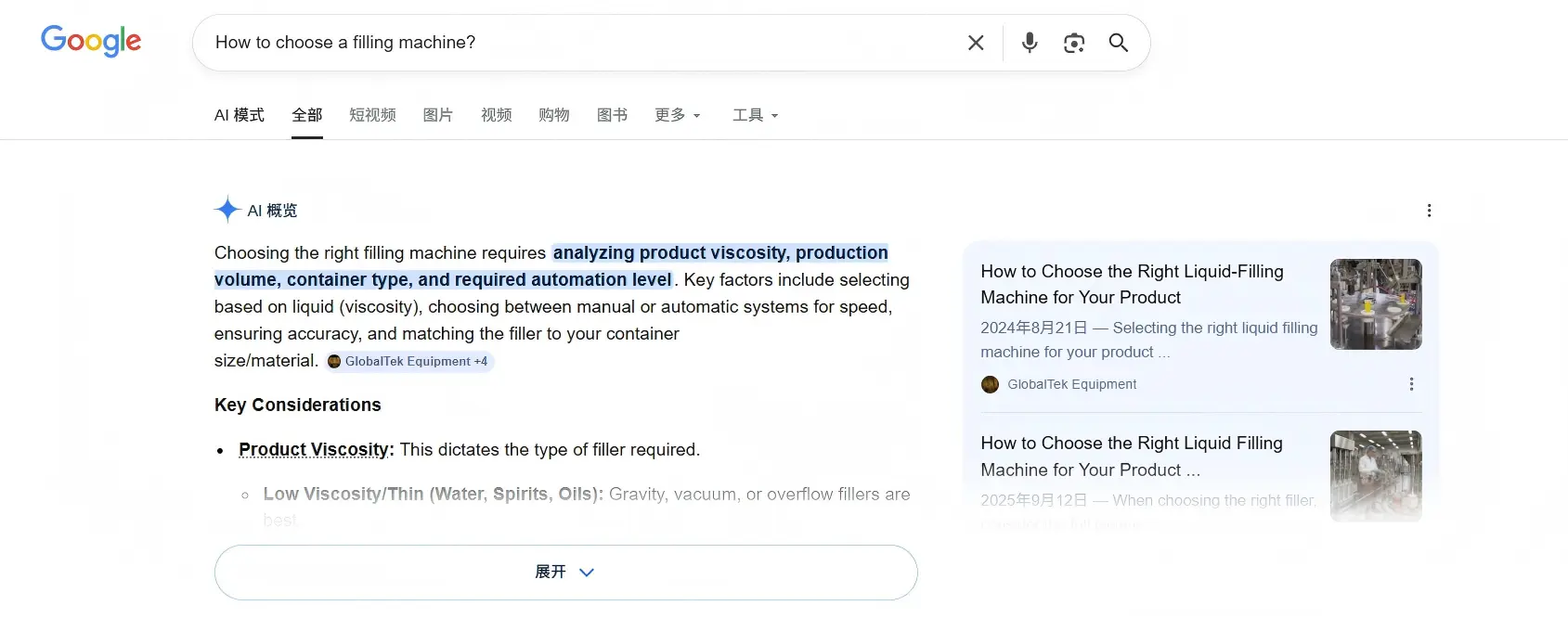
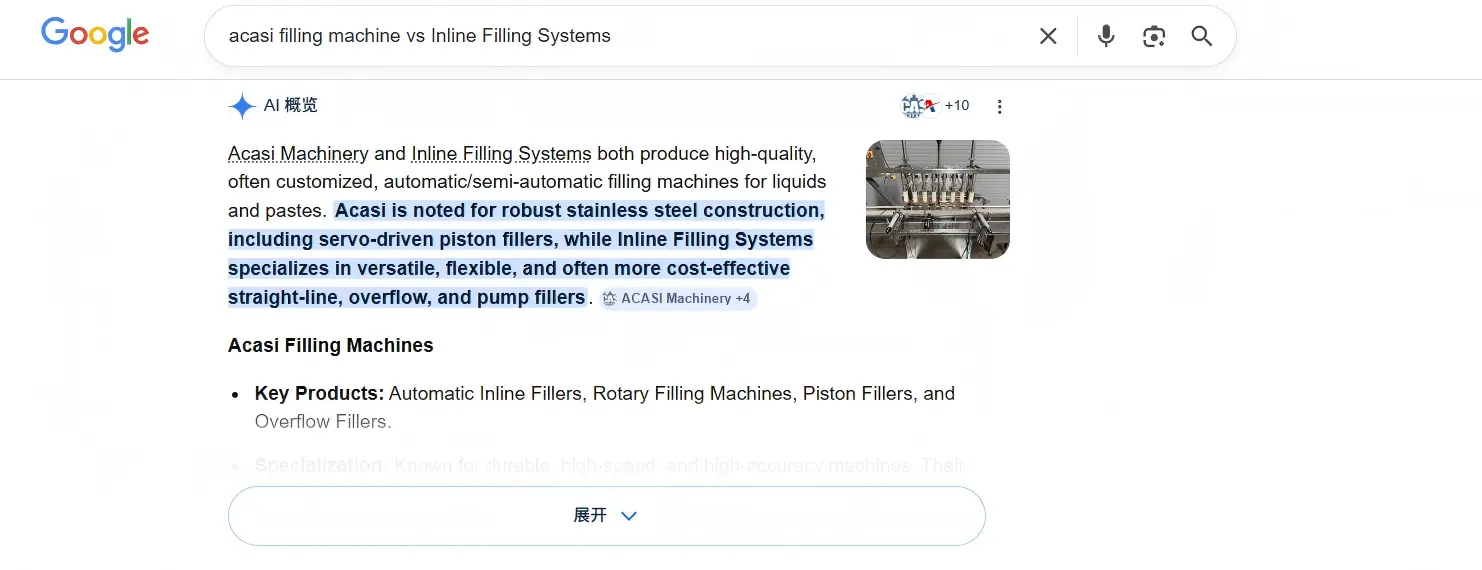
③ Comparative content: This includes comparisons of solutions, competitor comparisons, etc. The AI uses this content as a reference source when answering "which is better?"
④ Case-based content: High-quality case studies should include the client's industry, business pain points, solutions, implementation cycle, quantifiable results, and client evaluations. Evidence of trust from B-end clients is essential, and AI also needs evidence.
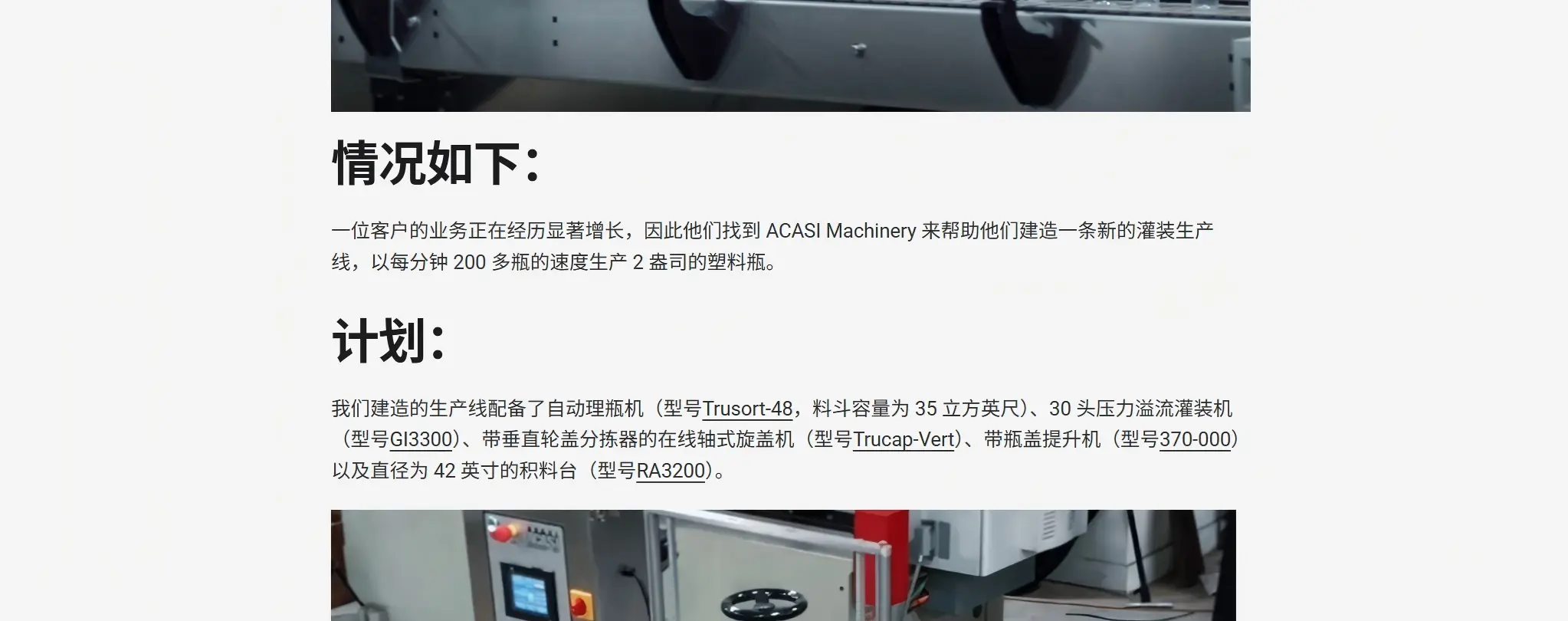
Reference link: https://acasi.com/blogs/news/a-practical-solution-for-small-bottle-handling
⑤ FAQ content: FAQs are very suitable for covering long-tail questions and also make it easy for AI to extract answers directly.
3. The content to be published should be structured.
GEO isn't just about writing long articles; it's about making them easy for AI to understand, break down, and reference. Every piece of content should have a clear information structure. A suitable B2B page for GEO can be directly copied from the following structure:
The title should directly address the customer's question, such as "How should a cannery choose a glass bottle filling machine?" The opening paragraph should provide a clear answer so that the AI can quickly extract the core conclusion.
The main body should be clearly structured and should include: problem definition, applicable enterprise types, typical business scenarios, core pain points, solutions, selection criteria, product capability comparison, implementation process, cost structure, risk warnings, customer case studies, frequently asked questions, update date, and author or expert information.
IV. On which channels is content more likely to be mentioned by AI?
AI doesn't just read official websites; it also integrates third-party content and publicly available network signals. Therefore, B2B companies should adopt a combination of "official website + authoritative third-party sources + industry-specific distribution."
1. The industry solutions page, product page, case study page, resource center, and FAQ page on the company's official website are the foundation for AI to understand the brand.
2. Industry media and vertical platforms: such as media reports and columns in the manufacturing sector, which can easily become third-party endorsements.
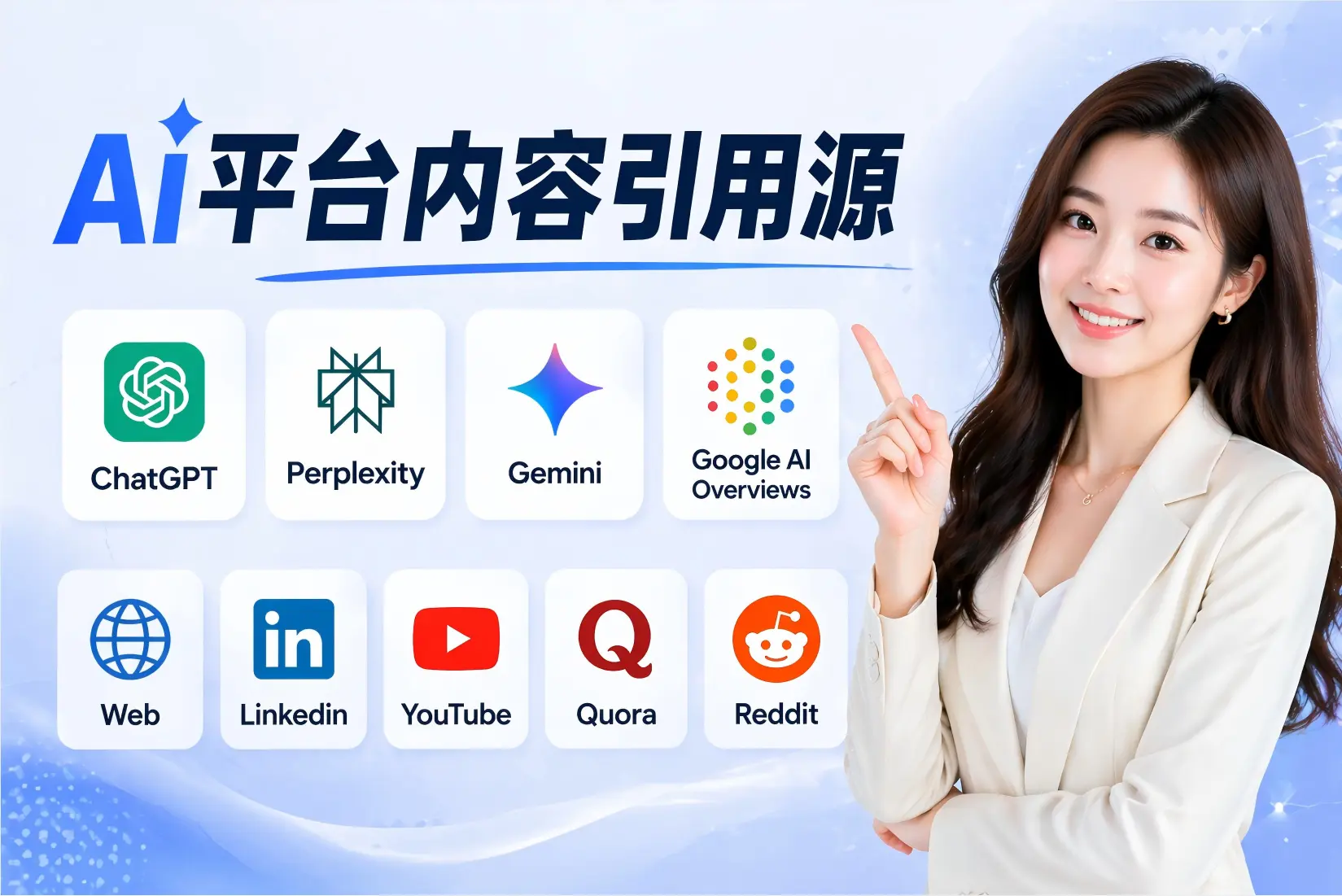
3. Knowledge-based content platforms: such as LinkedIn, YouTube, Quora, Reddit, etc. Different platforms have different weighting and crawling patterns, but consistently producing consistent, professional content helps to establish a strong brand identity.
5. How do I check if I've been mentioned by AI?
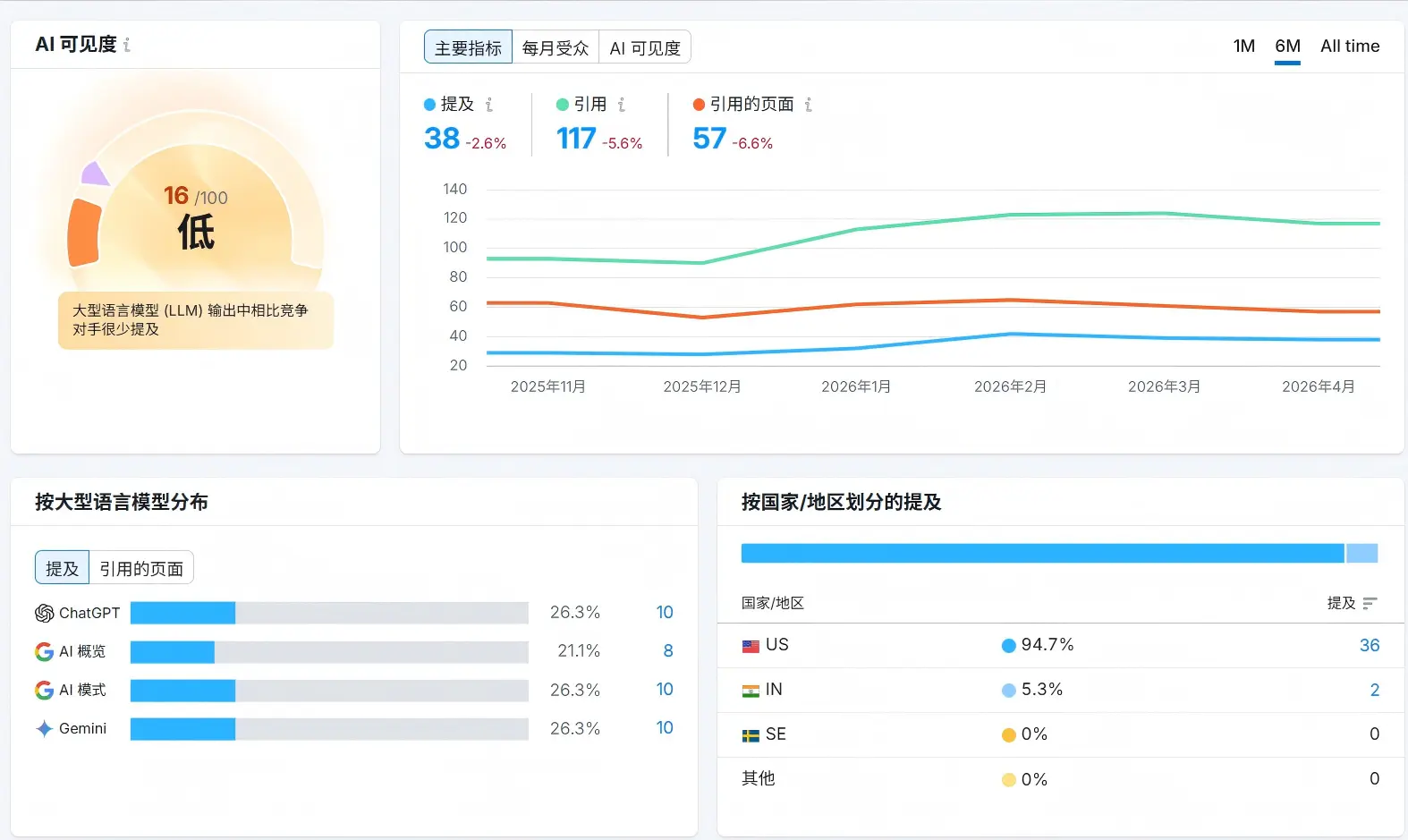
① Manual reverse lookup: Prepare 50 to 100 standard questions. These questions should cover cognition, selection, comparison, alternatives, pricing, industry solutions, and implementation risks. Ask these questions regularly using various AI tools, including ChatGPT, Perplexity, Gemini, and Google AI Overviews.
② Enterprises can also use AI performance monitoring tools such as SEMrush and GA4 to build GEO dashboards to track AI mention rate, AI recommendation rate, citation rate, description accuracy, competitor coverage, brand search volume, website high-intent page visits, and lead conversion.
In summary, for B2B companies to effectively implement GEO (Government Executive Officer) strategies, they should start with customer questions and transform content into answer assets that AI can understand, reference, and verify. Then, they should establish external authority through their official website, media, evaluation platforms, customer case studies, and partner channels. Finally, they should continuously optimize through regular testing and metric tracking. A truly effective GEO isn't about the company claiming to be exceptional, but about enabling AI to naturally conclude, "This company is worth recommending," when customers ask questions.

What does international social media management service include? 2026 Guide to Social Media Management for Export Businesses
2026-10-28

How to write a WordPress product page that will make overseas buyers want to send inquiries?
2026-10-28

How to fix WordPress form emails not sending: Practical WP Mail SMTP configuration
2026-10-27

Are foreign trade promotion companies reliable? Six key criteria for businesses to judge promotion service providers in 2026.
2026-10-26

How do I set up an email account for export businesses? How can I configure it to avoid it ending up in the spam/junk mail folder?
2026-10-26
Related Articles
What are the differences between Google SEO and Google Ads? Which should B2B export businesses do first?
2026 Shenzhen Google SEO Optimization Company Recommendations: Service Provider Comparison and Selection Guide
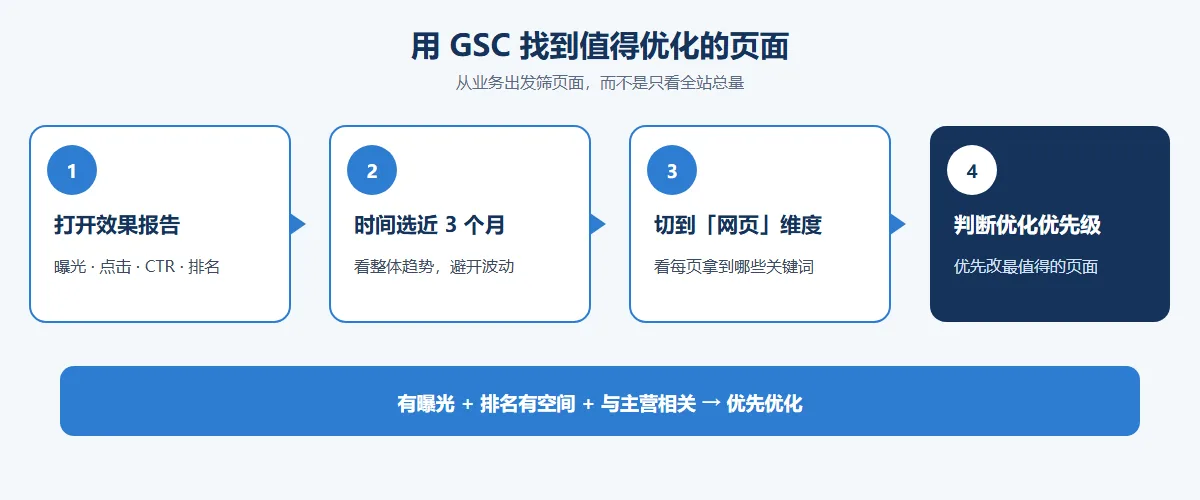
How to improve Google rankings through SEO optimization for international trade? 7 practical methods and steps.
Recommended Shenzhen B2B export website operation company: How to choose a suitable international lead generation service provider for your enterprise?
Why is the Google ranking of Shenzhen export businesses' business websites not improving?

