Contents +
How to determine if GEO is successful: Monitoring indicators, tools, and 3 common misconceptions
Source: 创同盟
Date: 2026-08-29
Views: 266
The previous article provided 6 practical steps for GEO implementation; this article discusses "how to know if it's working." Many factories, after creating a series of content, turn around and ask, "Is my AI search actually useful?"—The answer isn't in the number of visits, but in another set of metrics.
I. What metrics should GEO analyze? 4 core metrics

Don't measure GEO with SEO standards. The core metric for GEO is "citations," not "ranking/clicks."
- The number of unique pages cited by AI – the hardest measure. How many of your pages appear in the "sources" of AI answers.
- The number of times your brand is mentioned in AI answers —whether the AI includes your brand name in the answer text.
- AI Overview Page References – How many pages of Google AI Overview, the largest entry point, references yours?
- Citation distribution across various AI platforms —ChatGPT / Gemini / Perplexity / Doubao / Wenxin / DeepSeek / Kimi / Yuanbao, how many times did they cite you, and which one cited you the most?
These four are the real indicators of whether you've managed to snag "AI Search Traffic".
II. How to check: Prompt test method
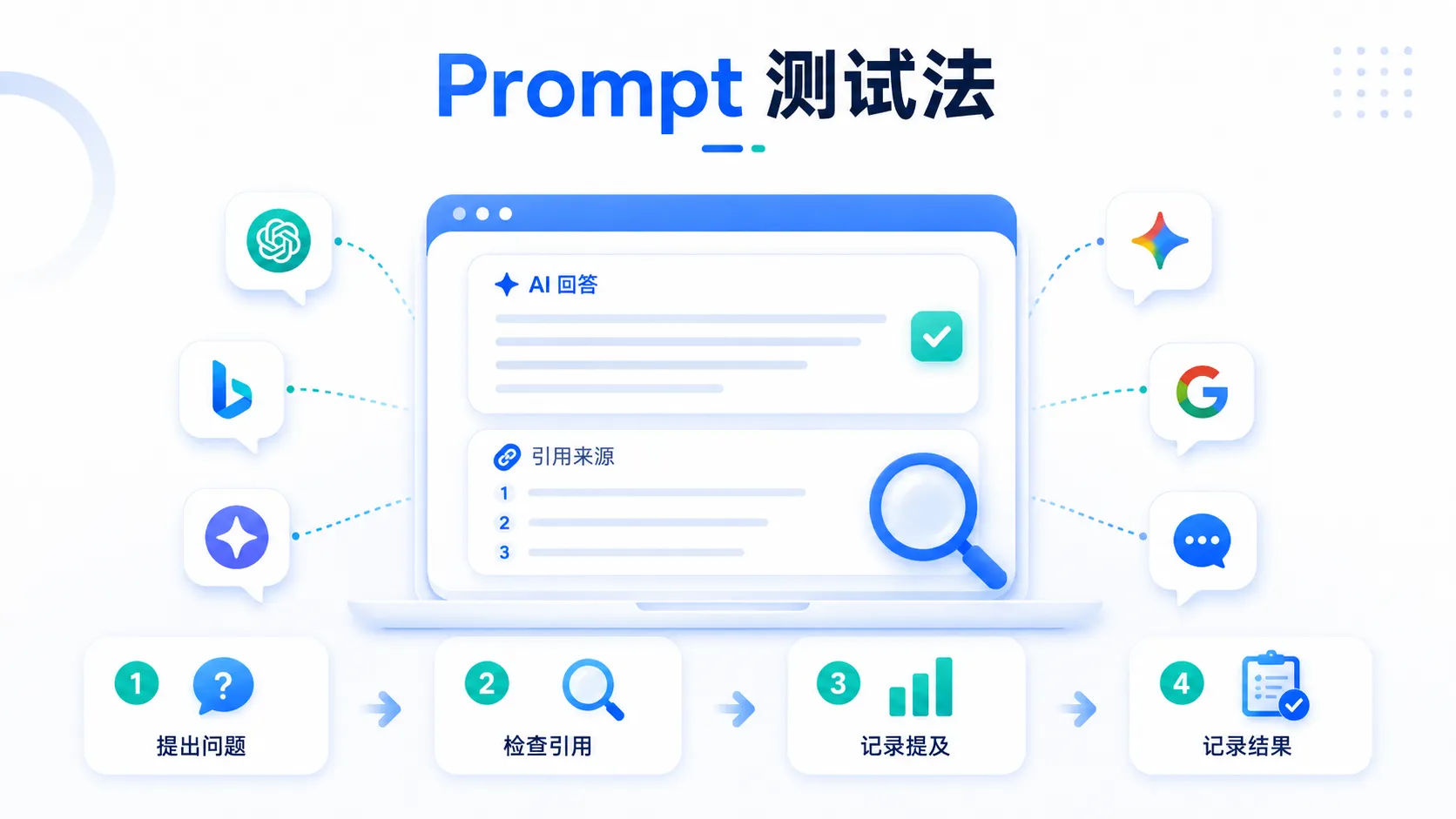
The most direct and cost-free verification method:
- Send the questions from your "word-to-question" library to various AI platforms one by one;
- Check the "Source/Citation" section of the answer to see if your page is listed there;
- Does the answer mention your brand name?
- Write down: which question was cited, which platform cited it, and which article was cited.
If you run the survey once a month and make a horizontal comparison, the trend will become clear.
III. Tools that can be leveraged

- Semrush and others : Look at verifiable data such as "number of unique pages referenced by AI", which is suitable for monthly comparisons;
- Manual prompt testing on various AI platforms : checking brand mentions and source labeling, zero cost but labor-intensive;
- Brand monitoring/public opinion tools : to help you see how your brand is featured in AI-generated answers.
Service providers that can provide verifiable data such as "number of pages cited" are reliable; those that only offer "we'll help you get on the AI homepage" but can't provide any data are questionable.
IV. Three common misconceptions

Myth 1: Only looking at organic traffic and rankings.
That's an SEO metric. The benefits of GEO (Geometric Orientation) often lie in "citations," not necessarily in traffic numbers. Focusing solely on traffic can easily lead to the misconception that GEO is useless.
Myth 2: Believing in the "guaranteed placement on the AI homepage" sales pitch.
Promises of "getting recommended by ChatGPT in 7 days" on the market either put you on low-quality aggregation pages (and get demoted quickly) or are just sales pitches. GEO relies on its content foundation and doesn't have the magic to "guarantee a spot on the homepage".
Myth 3: Do it once and wait for the result.
GEO is about continuous iteration, not a one-off deal. Without monthly monitoring and retrospective content updates, initial investments will quickly evaporate.
V. A Real Change (Demonstrating How to Read Data)
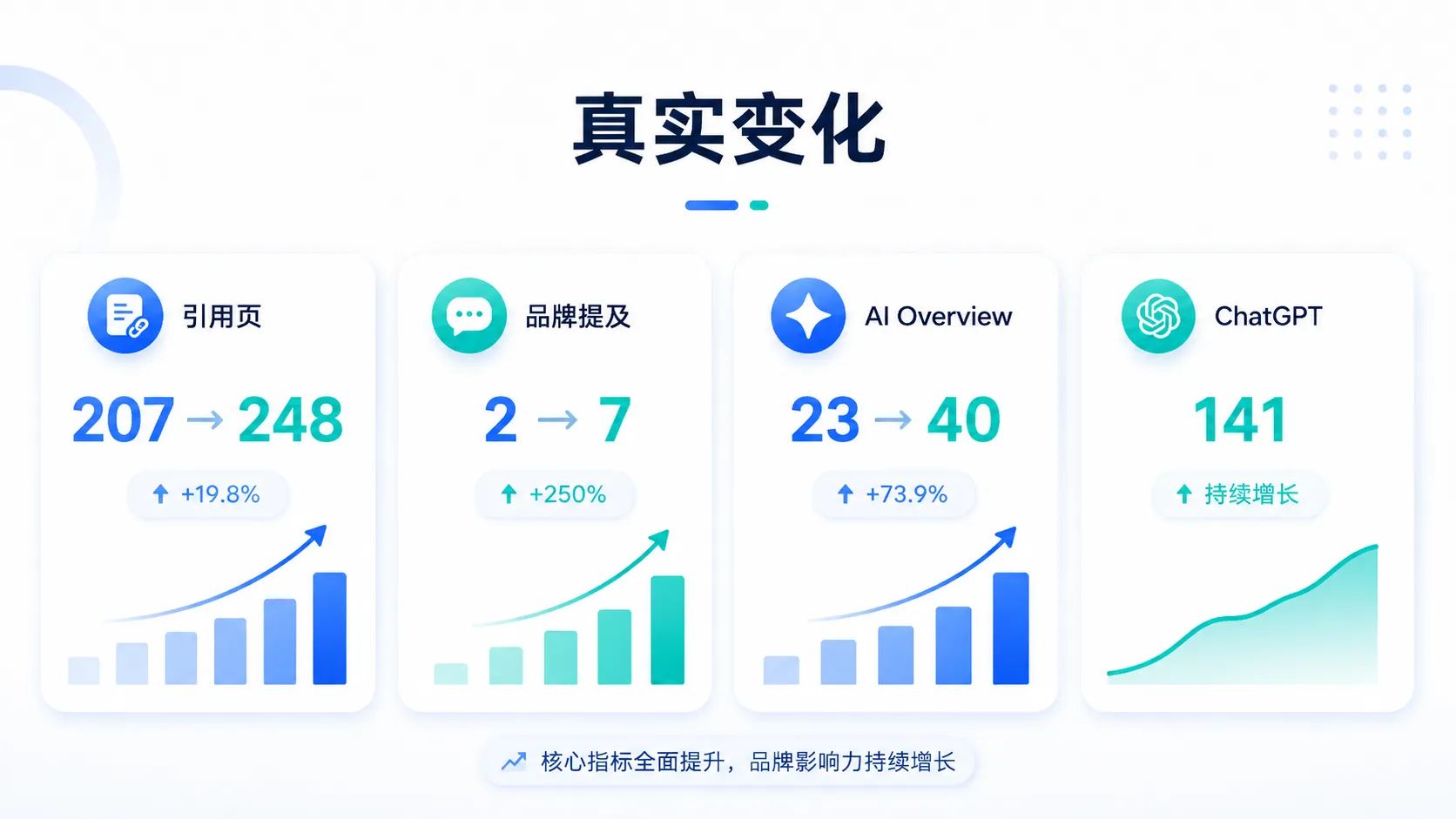
One of our industrial cooling fan manufacturers (city undisclosed) adjusted its website according to the GEO strategy, and the monthly monitoring showed the following changes (according to CTMON's public disclosure, Semrush data from June 3, 2026 to July 13, 2026):
- Number of unique pages cited by the AI platform: 207 → 248 (+19.8%)
- The brand was mentioned 2 times in the AI answer: 2 → 7 times
- AI Overview Reference Page: 23 → 40 (+73.9%)
- ChatGPT Citation Page: 141 (Largest Single Source)
Note the reading method: Don't look at "how much traffic has increased", but rather "how much the cited pages and brand mentions have increased" – that's GEO's accounting.
Monthly GEO monitoring checklist (images can be saved)
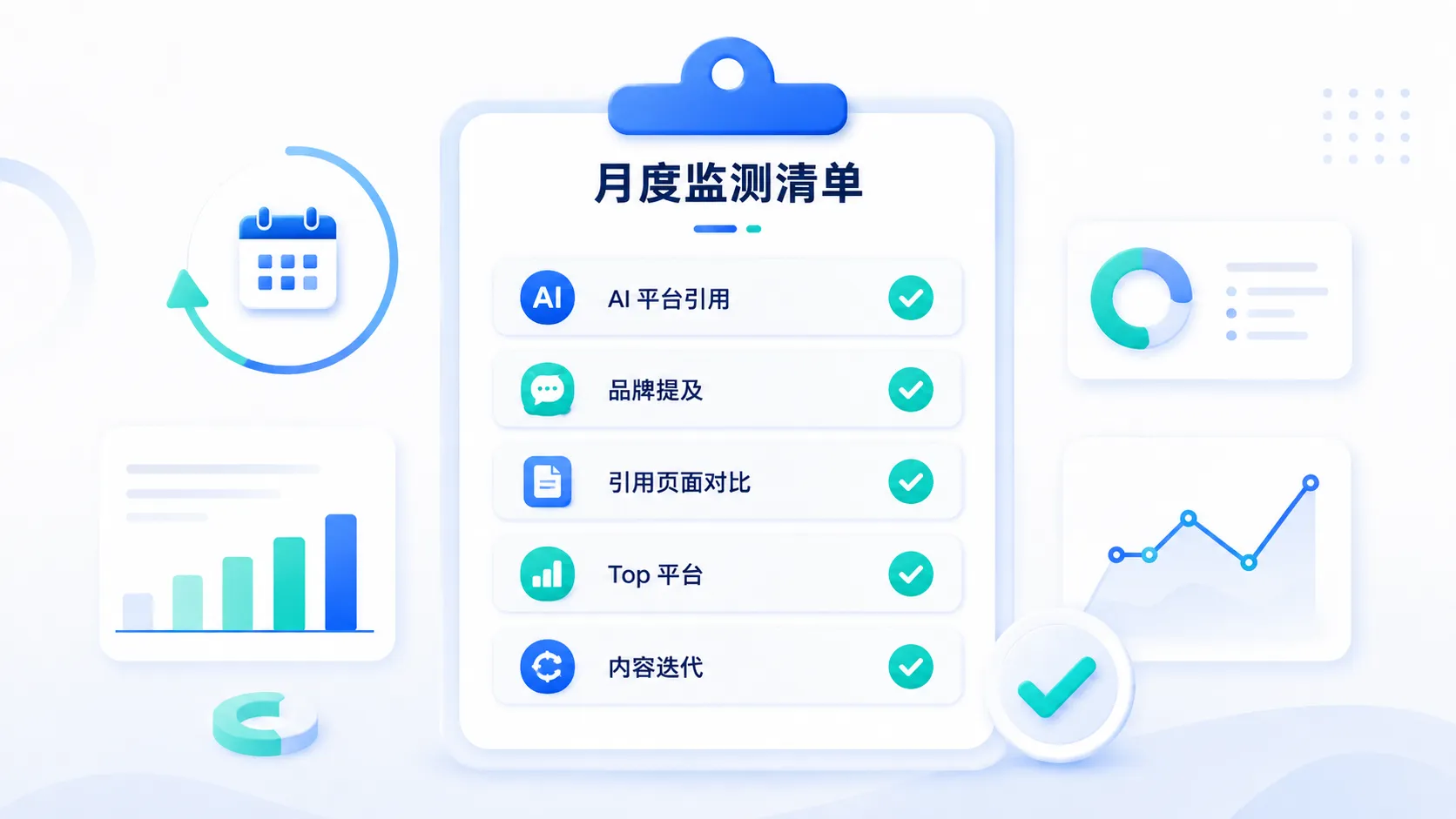
- Throw the core questions at ChatGPT / Gemini / Perplexity / Doubao / Wenxin, and see if your name appears in the source.
- Record the number of times the brand is mentioned in the body of the AI answer.
- Monthly comparison of "unique pages cited by AI".
- Identify which AI platform is cited most frequently (prioritize its maintenance).
- Working backward: Which questions haven't been covered yet, and which content isn't "like an answer" enough, will be added next month.
Frequently Asked Questions (FAQ)
Q: How many months does it take to see data after GEO is implemented?
A: Those with a good foundation can see changes in the number of referenced pages within 1-2 months; those with a weak foundation should first build up their content base over 3-6 months.
Q: How can small factories conduct low-cost monitoring?
A: Use the Prompt testing method to manually identify the core issues on various AI platforms at zero cost; combine this with Semrush to check the number of cited pages for monthly comparisons.
Q: If my application is cited by AI but there are no inquiries, does that count as a success?
A: This counts as a success of being "seen"—getting on the buyer shortlist. But for GEO to truly convert, it needs to work in tandem with the official website conversion page, social media, and SEM; relying on just one approach is risky.
Related reading (in the same series)
- How did GEO seize control of AI search traffic? — Corresponding query: How does GEO seize traffic?
- "How to Implement GEO: 6 Steps for B2B Foreign Trade Factories to Go from Zero to Being Used by AI" — Corresponding query: How to Implement GEO
- Are there significant differences in the optimization logic between SEO and GEO? — Corresponding query: Differences between SEO and GEO
CTMON (CTMON) · Shenzhen · Over a decade of experience in B2B digital marketing · Official website ctmon.com

What does international social media management service include? 2026 Guide to Social Media Management for Export Businesses
2026-10-28
How to write a WordPress product page that will make overseas buyers want to send inquiries?
2026-10-28

How to fix WordPress form emails not sending: Practical WP Mail SMTP configuration
2026-10-27
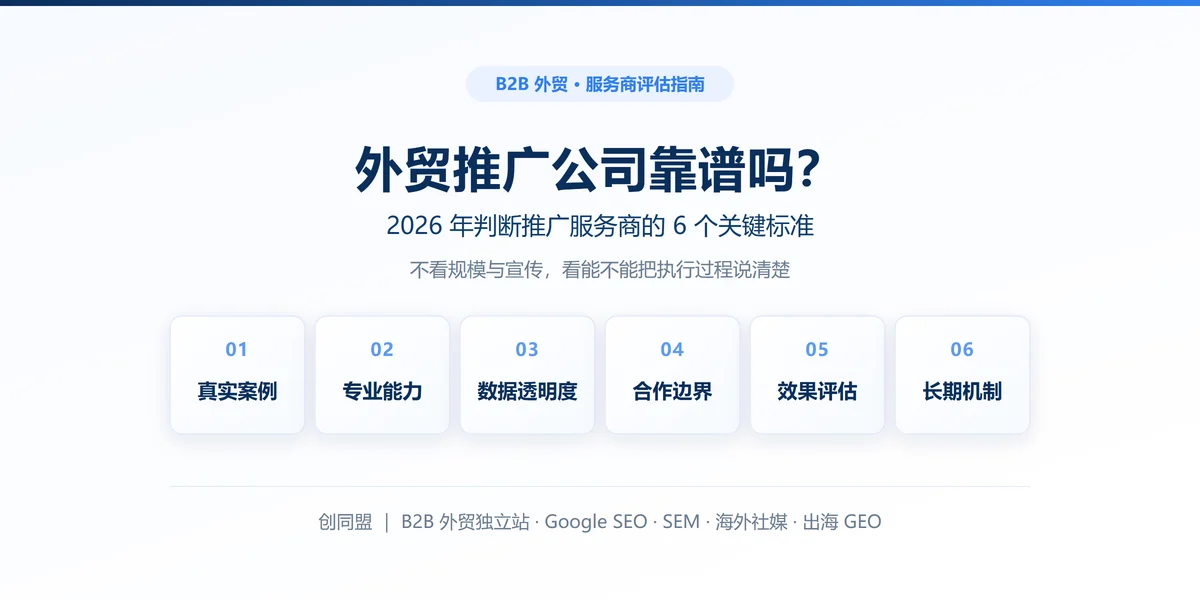
Are foreign trade promotion companies reliable? Six key criteria for businesses to judge promotion service providers in 2026.
2026-10-26
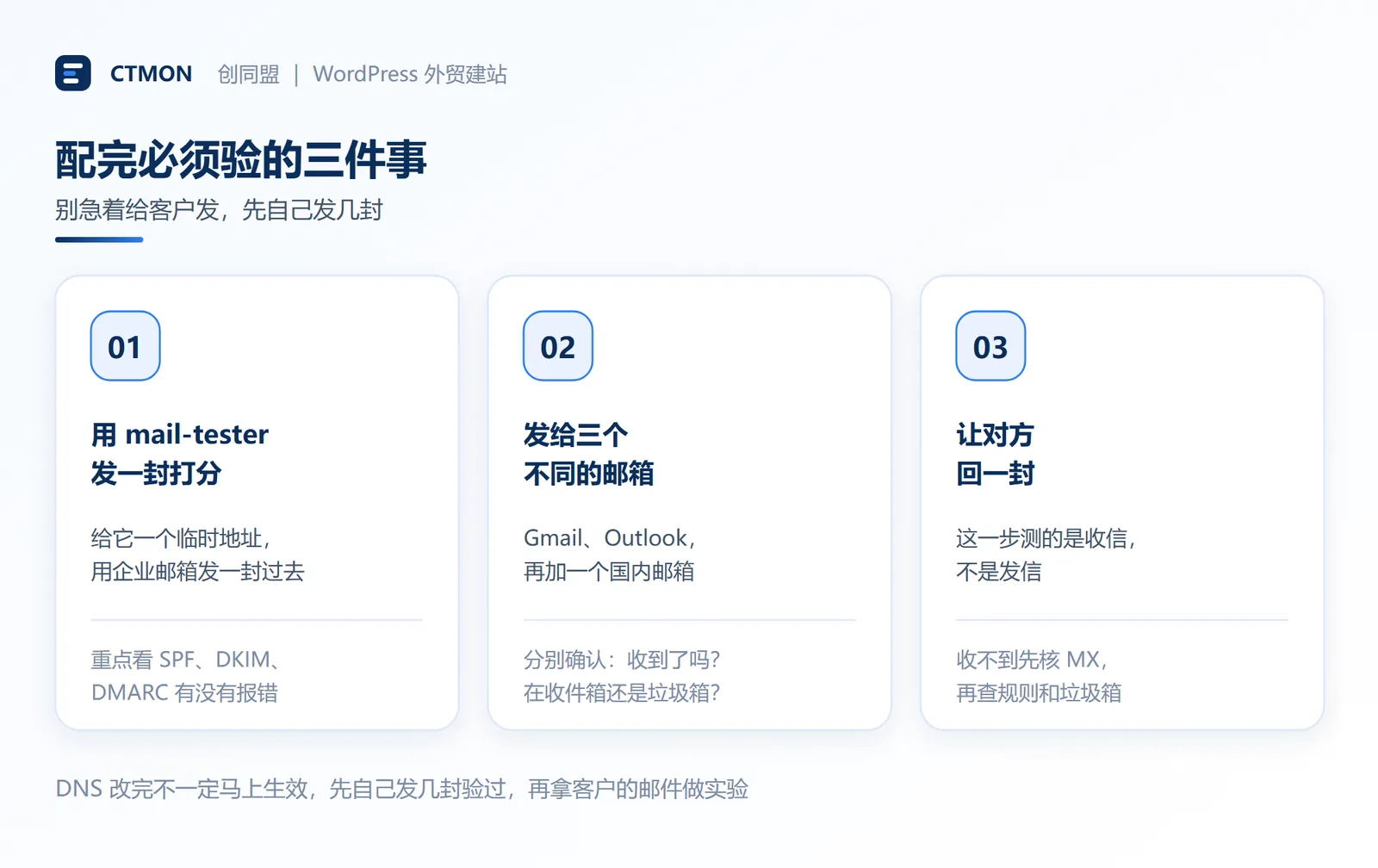
How do I set up an email account for export businesses? How can I configure it to avoid it ending up in the spam/junk mail folder?
2026-10-26
Related Articles
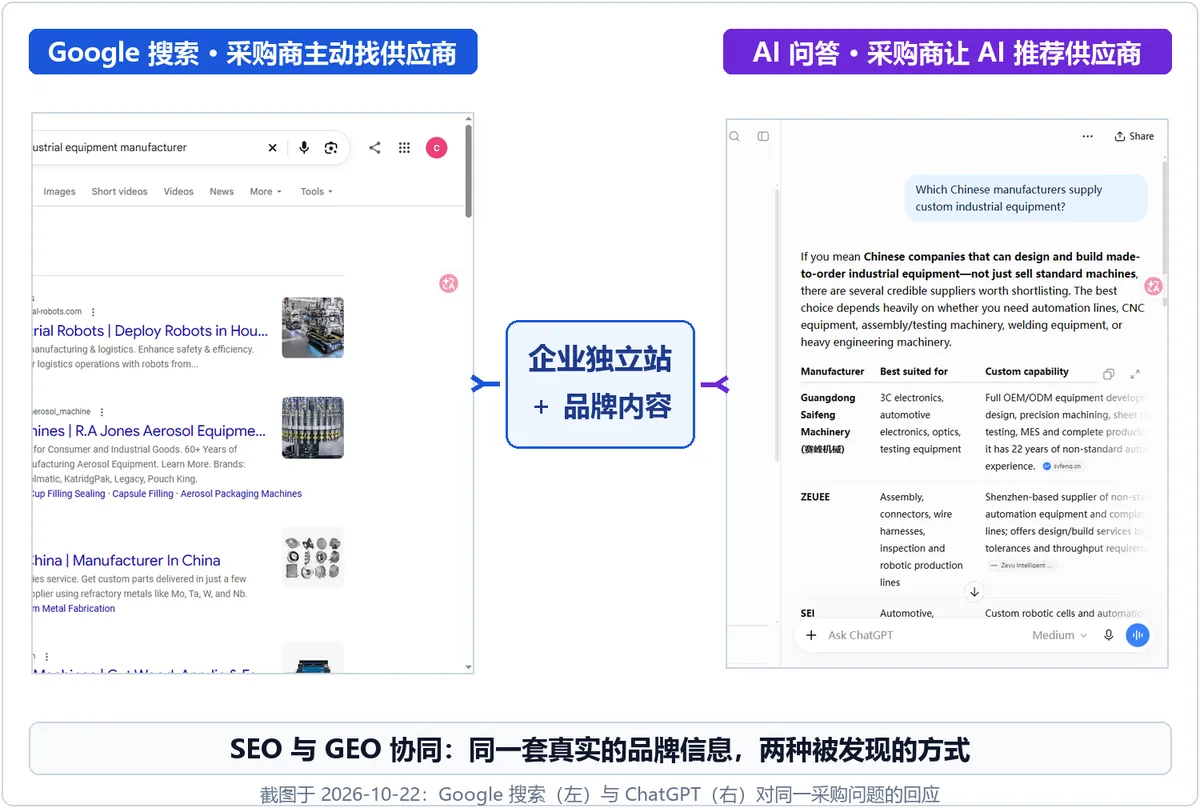
During the Canton Fair, how can export businesses optimize their GEO (Google App Store) to make it easier for AI to discover and recommend their brands?

Which GEO optimization company offers the best service? A guide to selecting and evaluating GEO service providers in 2026.

For GEO (Genomics Oriented to Enterprises in the Industrial Equipment Industry): Is Supporting Evidence More Important, or Are Inquiries More Important? (2026 Edition)

How to optimize product pages for B2B export websites using Geometry? Making AI search more effective (2026 version)

Using Reddit for overseas GEO content mentions? Its real value lies in being a "source of real user signals" (2026 version).

