Contents +
What are the conclusions from 30 GEO projects? How long does it take to see results? How to do it correctly?
Source: 创同盟
Date: 2026-09-09
Views: 185
The effective cycle of GEO (Generative Engine Optimization) in the manufacturing industry is typically 6-12 months, which can be divided into three stages: basic signals appear in 1-2 months (increased number of keywords, increased page views), initial effects appear in 3-6 months (improved long-tail keyword rankings, content begins to be mentioned by AI), and stable content assets are formed and continuous inquiries are generated in 6-12 months .
But what truly determines whether something will be effective is often not the amount of investment, but rather which parts of the buyer's decision-making chain the content covers . In 30 manufacturing GEO projects, we repeatedly observed the same phenomenon: the vast majority of export businesses' websites focused almost entirely on "who I am and what products I make," while the steps buyers take before finding a supplier—identifying the problem, comparing solutions, and confirming the scenario—were completely absent from the website. AI can't find your achievements in the earlier stages; it can only see you in your strongest area, which is precisely the narrow bridge that all competitors are vying for.
Based on the experience of implementing 30 manufacturing GEO projects, this article breaks down the time it takes to see results, the root causes of slow results, the correct approach to structuring content according to the decision-making chain, and four types of companies that are not suitable for immediate investment.
1. How long does it take to see results from GEO therapy?
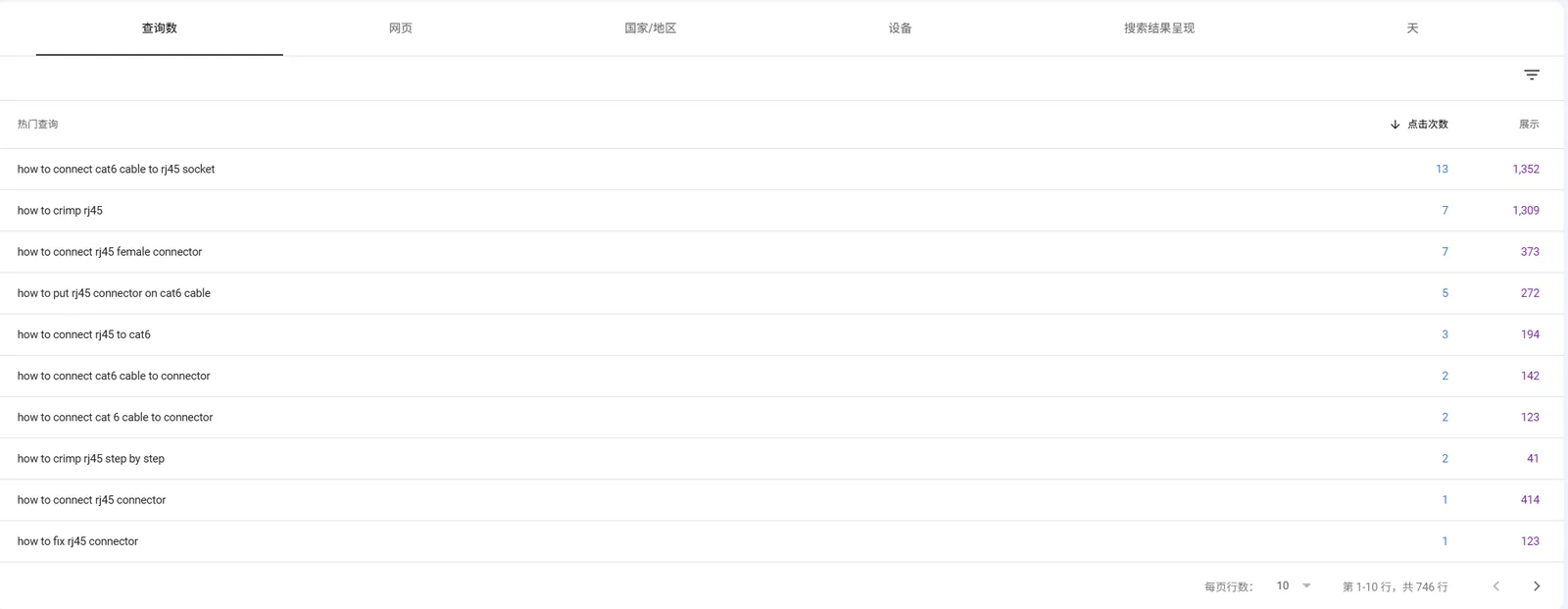
When doing GEO (Government Operations Officer) work, you can't judge the effectiveness by "whether there are inquiries in a few days". The procurement chain in B2B manufacturing is long. From searching for questions, understanding products, comparing suppliers to finally getting inquiries, it often takes customers several weeks or even months.
From a practical implementation perspective, the effective cycle of GEOs in the manufacturing industry can be roughly divided into three stages.
| stage | time | What can be seen? | Can't see anything |
|---|---|---|---|
| Basic signal period | 1-2 months | The number of keywords in GSC has increased, page views have improved, and some blogs and FAQs have begun to receive more exposure; pages that previously only listed product names are now covering procurement-related questions such as "how to choose," "manufacturer," "custom solution," and "for industrial application." | The inquiries remained largely unchanged. |
| Initial effect period | 3-6 months | Rankings for some long-tail keywords improved; industry-related questions began to drive traffic; brand or page content was mentioned in responses on overseas AI search engines such as ChatGPT, Perplexity, and Google AI Overview; and customer inquiries became more specific. | The number of inquiries may not have increased significantly. |
| Asset formation period | 6-12 months | The website has developed a complete knowledge base, and the search engine and AI can clearly understand who the company is, what it does, and which customers it is suitable for; it has begun to generate stable inquiries, especially long-tail procurement demand from overseas markets. | — |
The most easily overlooked signal: The customer's problem has become more specific.
When entering the second stage, the first thing to change is often not the quantity of inquiries, but the quality of inquiries .
Customers are no longer just asking "how much?", but are starting to inquire about whether it's suitable for a particular application scenario, whether customization is supported, how long the delivery time is, whether the materials meet their requirements, and whether there are similar cases. This change indicates that the content is already influencing the customer's initial perception—it has completed the first half of the persuasion work for the salesperson.
For high-priced, highly customized, and technologically advanced manufactured products, GEOs typically require a longer period to build trust. What these three types of products have in common is that customers don't make decisions within minutes, thus allowing for ample room for content intervention.
II. Why do most manufacturing websites take so long to show results?
On the surface, the problem lies in the lack of content. In reality, the problem lies in the content being concentrated on the wrong aspects .
AI is no longer looking at keywords to determine whether or not to mention you.
Traditional search focuses on "whether you have the keyword that users searched for," while AI search looks at two more peripheral things:
- Semantic understanding : AI doesn't need your page to contain the exact question; it understands what your content is saying. The same requirement can be phrased ten times, and semantically, it might refer to the same content. This is why "grabbing a specific question" is far less effective than you might imagine— focusing deeply on one requirement is more efficient than offering ten different question formats .
- Knowledge completeness assessment : AI determines how much a brand "knows" in a particular field. The basis for this assessment isn't company size, but whether the content covers the entire spectrum of the field, from "identifying a problem" to "selecting a supplier." A website with only product pages is seen by AI as "one of the suppliers that can be found," not "an authority in the field."
Further down the line, AI will do a third thing— cross-platform cross-validation : combining official websites, industry media, UGC communities, and third-party reviews to determine whether you are a local expert or an industry authority. This step is already underway, but the progress varies from company to company.
The conclusion is straightforward: AI can see companies that only excel in the "supplier selection" aspect, but it won't see their overall achievements in the industry. Furthermore, when AI answers questions like "How do I solve this problem?", it won't even go to the supplier selection stage.
Specifically, on a webpage, there are five common gaps.
- The product page only shows pictures and basic parameters , lacking application scenarios, so the AI cannot determine who the device is intended for.
- The article is superficial, filled with claims of "high quality, professionalism, and leading-edge technology," offering no real purchasing value.
- The keyword layout is awkward , like a translated text, and doesn't read like it was written by a human.
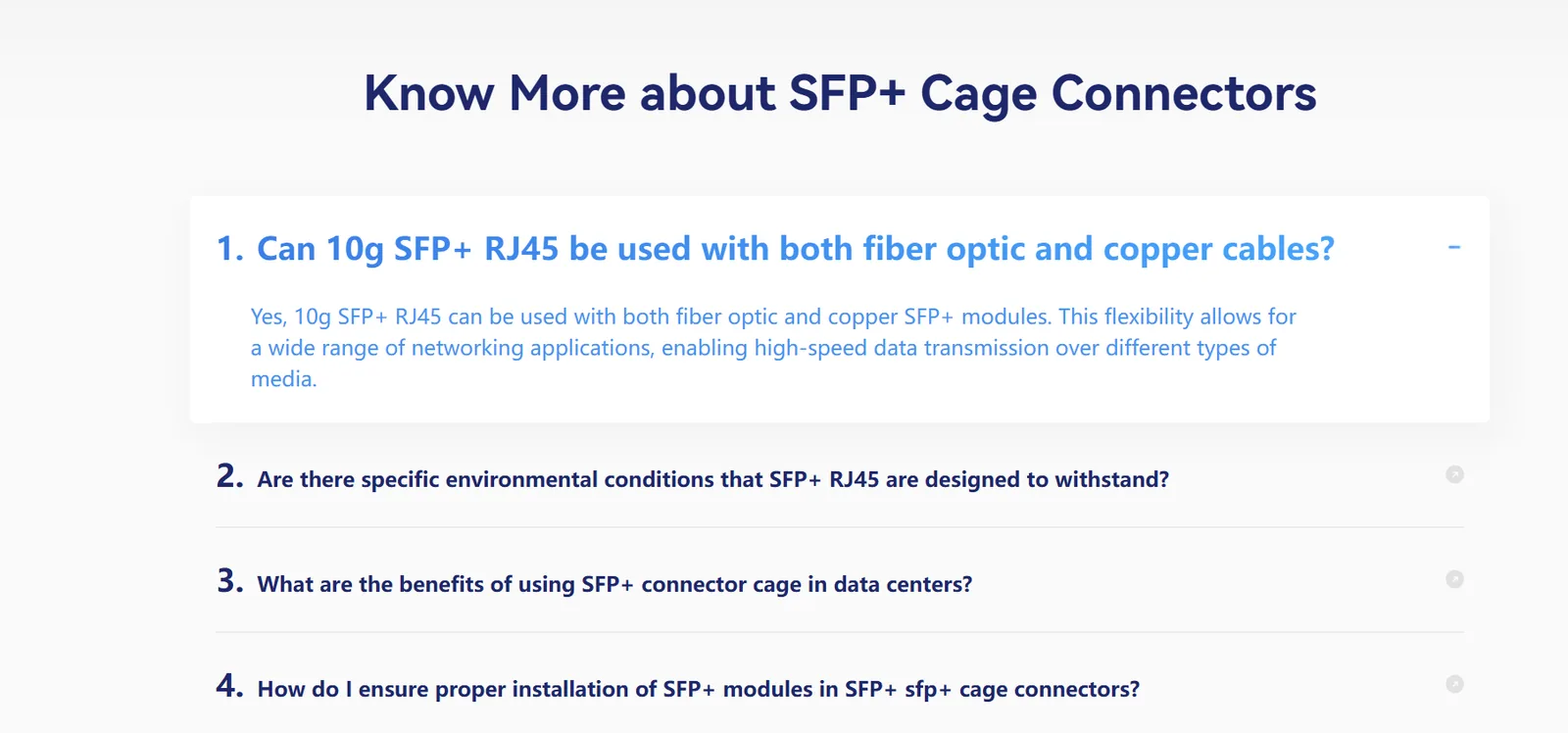
- The lack of FAQs, case studies, process descriptions, quality control, and comparative data —these are precisely the parts that AI can most easily extract.
- The lack of internal links between pages prevents the formation of a cohesive thematic authority, making it impossible for AI to determine your expertise in this category.
Point 4 is the easiest to overlook, but also the easiest to correct.
By writing these kinds of questions and answers directly on the page (instead of just putting them in an image), AI can extract them into the answer.
In short: AI cannot understand a factory's strengths out of thin air. Businesses need to transform what was previously only expressed in sales communications into clear, systematic, and credible content on web pages.
III. Correct Approach: Arrange the content in five layers according to the buyer's decision-making chain.
Overseas buyers go through five stages from "discovering trouble" to "sending inquiries." The correct approach for GEO is to have a batch of content for each of these five stages , rather than putting all resources into the last stage.
| Decision-making stage | What questions might a buyer ask (English example) | What content should be given? | Current status of most export businesses |
|---|---|---|---|
| ① Problem layer: I know there's a problem. | why does my pouch seal leak / how to reduce packing waste | Problem-solving articles, troubleshooting, and industry science popularization | Almost none |
| ② Solution layer: What are the possible solutions? | vertical vs premade pouch packing machine | Solution comparison, selection guide, cost and applicability analysis | rare |
| ③ Scenario layer: Used in my industry | packaging machine for powder / for medical devices | Application Scenario Page (One Product × Multiple Industries) | Some have |
| ④ Supplier level: Who can do it? | pouch packing machine manufacturer / custom | Product page (specifications + procurement questions), company strength page | Almost all of them are here. |
| ⑤ Trust Layer: Is this company reliable? | [Your Brand] Review / Case Study / ISO Certification | Case studies, qualifications, testing capabilities, customer testimonials | Some have |
This table is the most important one in the entire document. In the 30 projects we reviewed, a significant portion of the content on the websites before the revamp was concentrated in layer 4 (the vendor layer), while the first three layers were basically empty.
The consequence is that when AI answers "What to do if the packaging bag is not sealed properly", it will not even go to the supplier level, so even the best product page will not be able to get the answer; and when buyers actually search for "manufacturer", all competitors are crowded on the same level, and you can only compete on price and years of service.
The following five steps are to complete each of these five layers one by one.
Fourth level: First, clarify the "corporate identity".
This is the starting point for most businesses, and the first layer that must be done correctly. Let AI clearly identify your identity: Are you a manufacturer, factory, supplier, OEM/ODM service provider, or solutions provider? Do you serve brand owners, wholesalers, engineers, equipment manufacturers, or end-project customers?
The homepage, about us, product page, and solutions page should all revolve around this point. Don't just write "high quality products," but clearly state: what you produce, who you serve, what technological capabilities you have, what customizations you support, and what application scenarios you are suitable for.
Taking the packaging machinery industry as an example, we typically advise clients to use a description structure of "brand + category + application scenario," such as "[Your brand] is an automated packaging machinery manufacturer serving the food, daily chemical, and consumer goods industries, primarily providing vertical packaging machines, pre-packaging machines, filling and sealing machines, and complete packaging line solutions." This structure allows AI to simultaneously identify the brand entity, category affiliation, and service scenario.
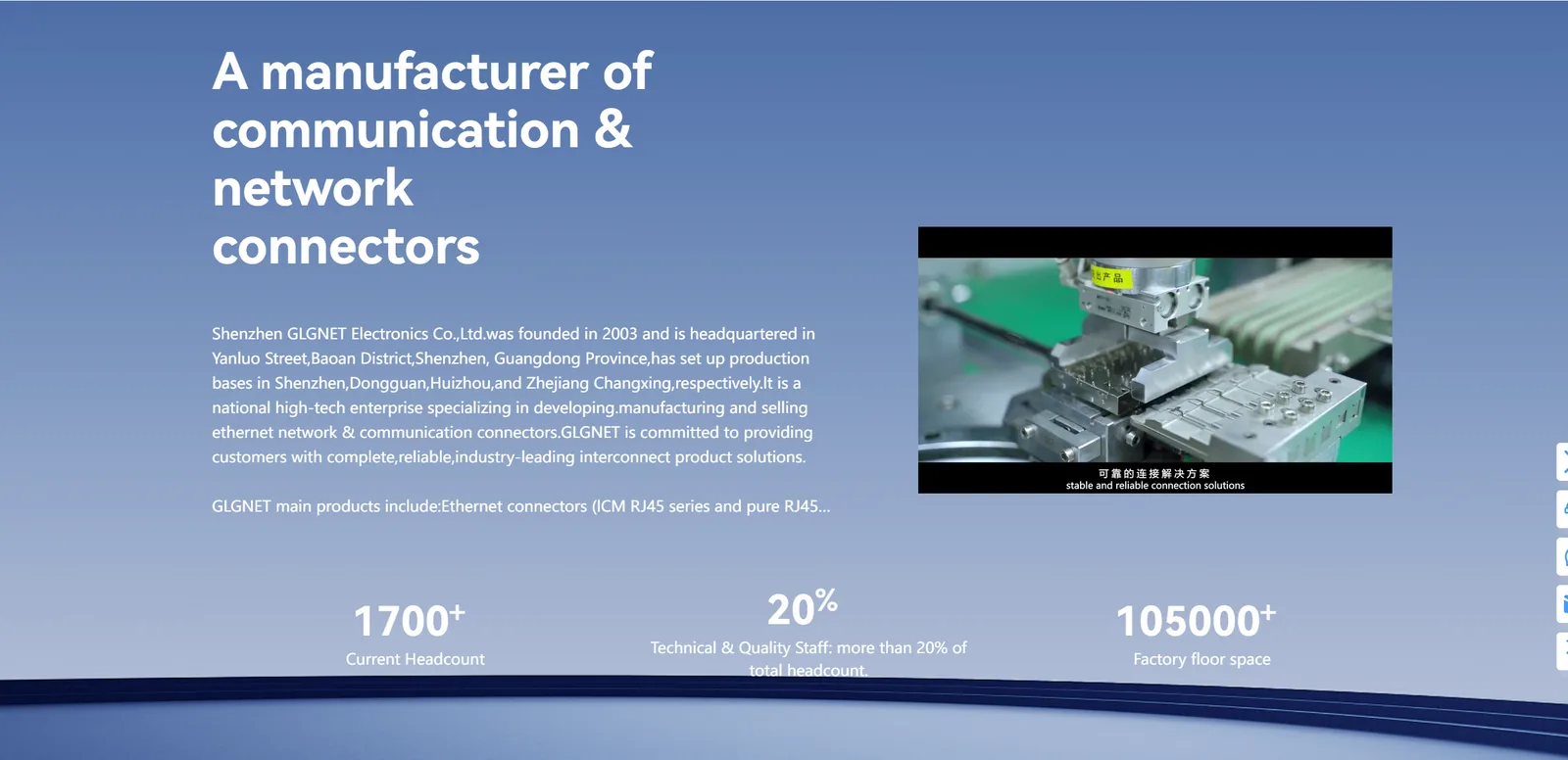
"Company identity" is usually found on the company introduction page, focusing on quantifiable production capacity and qualification data , rather than adjectives.
Fourth layer: Product pages should not only display parameters, but also answer purchasing questions.
The product page is the core page of GEO. A good product page not only displays model numbers, pictures, and specifications, but also answers the questions that customers care about most before purchasing:
- Which industries is this product suitable for? What problems can it solve?
- What materials or specifications are available? Is customization supported?
- What are the differences compared to ordinary products?
- How to choose the right model?
- Are the minimum order quantity, delivery time, quality inspection process, and packaging method clear?
The more specific the content, the easier it is for AI to determine whether your page can answer user questions, and the easier it is for customers to build trust.
Suggested order for completing the task
Don't do it all at once. Sort by "first the ones closest to the money, then the ones with higher costs":
- Layer 3 (Application Scenario Page): Located close to procurement and with less competition, these pages typically send signals first.
- Layer 4 (Product Page + Company Strength Page): Transform your existing content into a format that answers purchasing questions.
- Level 5 (Case Studies + Qualifications): Transferring sales materials online.
- Layers ① and ② (Problem-based content): Highest cost and longest cycle, but determines whether AI will mention you after 6 months.
Fourth, the third layer: using application scenario pages to meet real needs.

Customers often don't search for product names directly, but rather for solutions in a specific scenario. For example, "for medical devices," "for industrial control cabinet," "for EV battery pack," "for warehouse safety," or "for semiconductor fixtures."
Therefore, businesses need to create application scenario pages around their core products. One product can correspond to multiple industries, and one industry can correspond to multiple solutions. This not only expands keyword coverage but also allows AI to more clearly understand which real needs your product is applicable to.
This layer has the highest return on investment among the five layers : it is closest to procurement, but almost no one in the industry is doing it seriously.
Fifth, Levels ① and ②: Building cognition through problem-based content
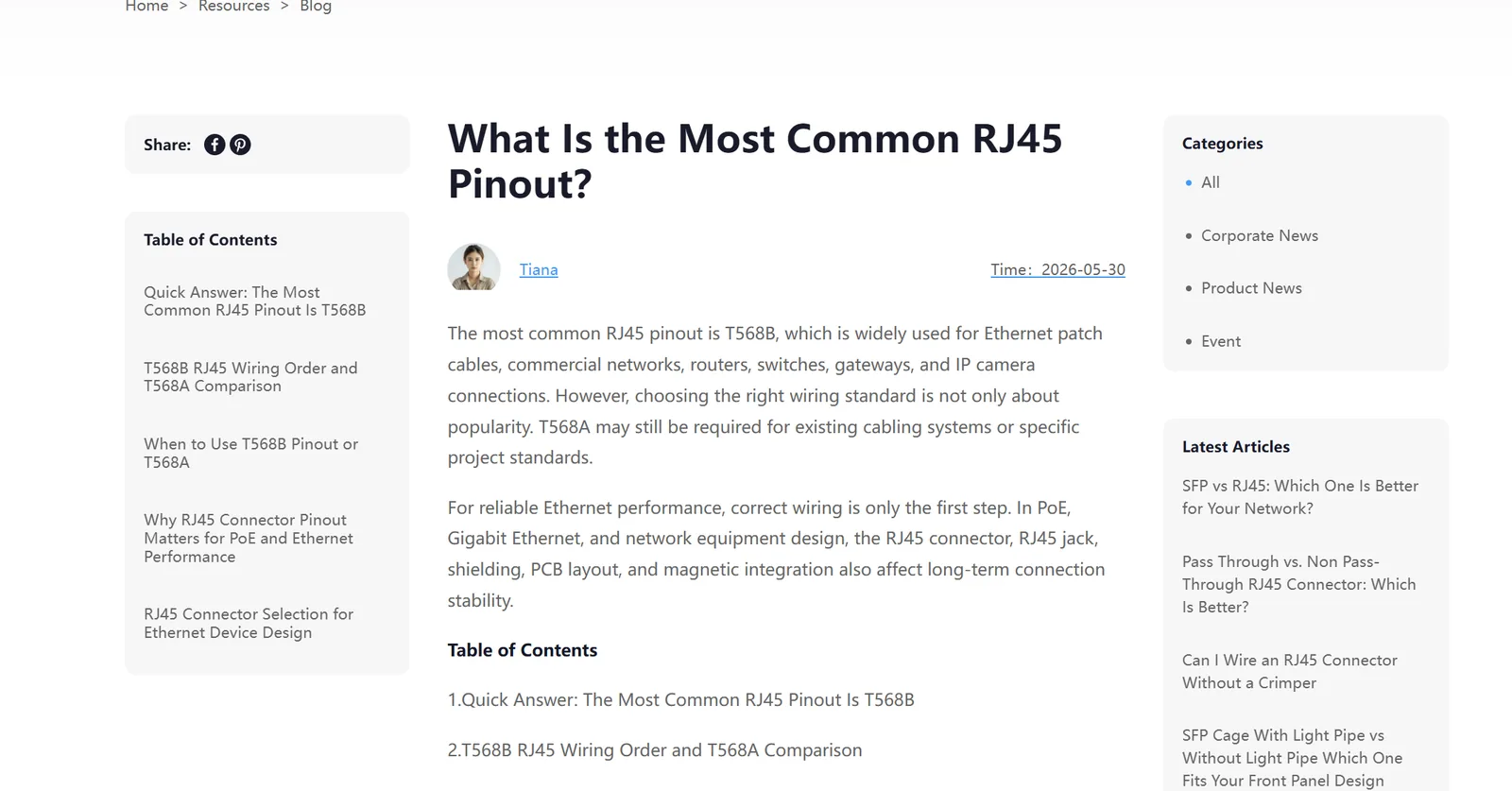
The content should not simply revolve around "product manufacturer X," but should focus on the customer's actual problems:
- How to choose a certain type of product?
- What are the differences between the different materials?
- What parameters are required for customization?
- What are some common quality problems?
- How do importers evaluate suppliers?
- What precautions should be taken when using this product in a particular industry?
These types of questions are more likely to enter the context of AI responses and more likely to influence purchasing decisions.
A key takeaway: Don't create content based on "questions," but on "needs." AI relies on semantic understanding and matching; a single need can have dozens of different ways of asking the same question. If you thoroughly explain the need, all related questions will benefit. Conversely, writing a separate page for each question will only produce a bunch of thin content.
VI. Level ⑤: Demonstrating credibility through case studies and capabilities
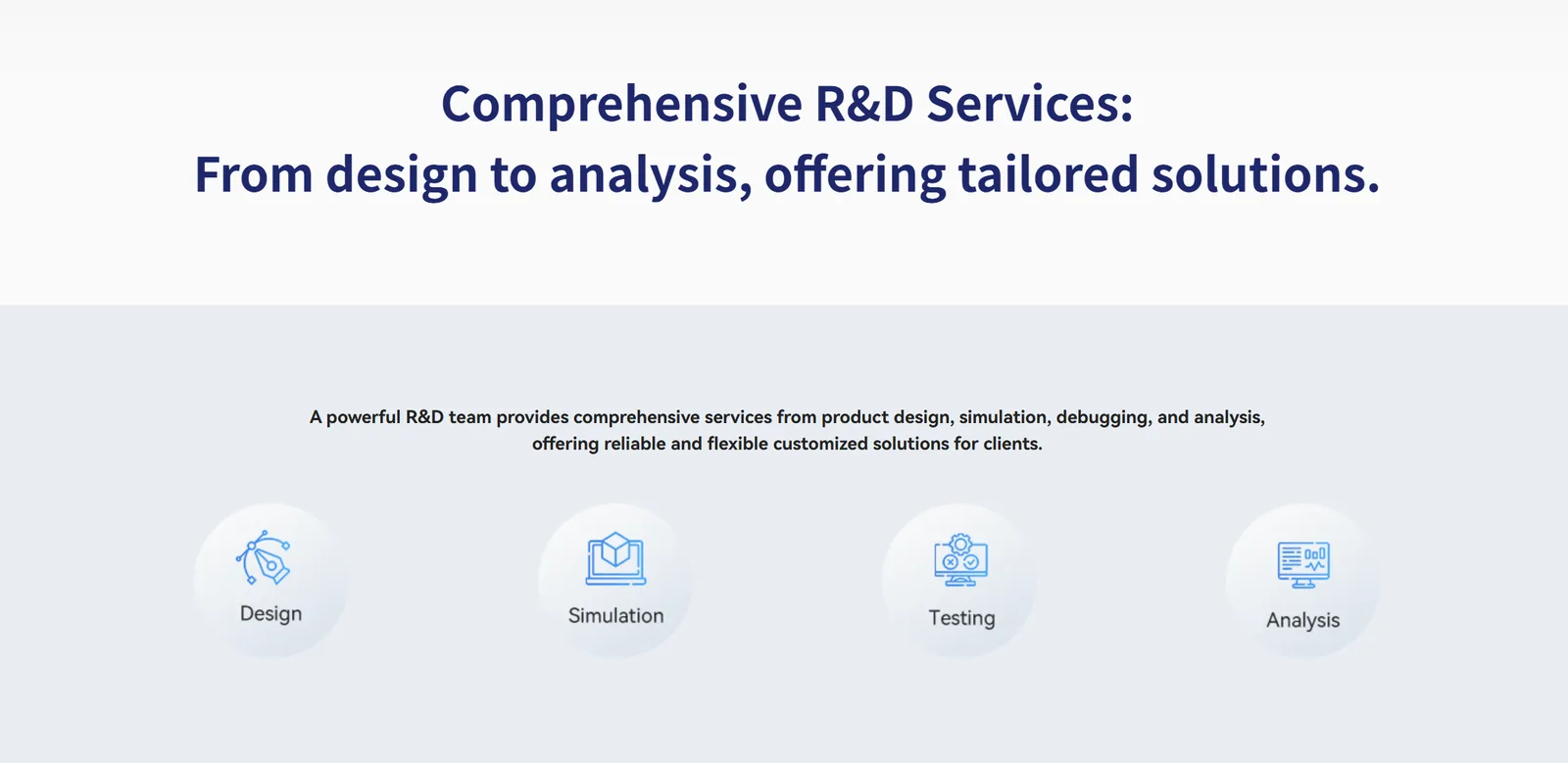
Companies should try their best to express their production capacity, testing capabilities, certifications, equipment configuration, project cases, export experience, customized processes, and quality control standards.
If you can't disclose the client's name for the time being, you can use anonymous case studies, such as "customizing a certain type of component for European industrial equipment clients" or "providing OEM packaging solutions for North American brand owners." The point is not to boast, but to ensure that both the client and the AI can determine that this company is not just an ordinary trade information page, but a real manufacturer with delivery capabilities.
Research and development and testing capabilities deserve a separate page in particular—they are a key factor for B2B buyers to determine whether you are a factory or a trading company.
VII. Official Website Technical Side: Three Essential Actions (Extremely Low Cost, But Often Overlooked)
Even if the content is correct, if a single technical switch isn't turned on, all the previous work can be wasted. The following three things are especially crucial for foreign trade websites .
1. Check if robots.txt is blocking AI crawlers.
Many website building systems, security plugins, and CDNs have default rules that block unknown crawlers. AI crawlers such as PerplexityBot, ClaudeBot, Google-Extended, and OAI-SearchBot are often rejected outright at this step.
This is the most common technical reason for "GEO working for six months without results," and the troubleshooting time is less than ten minutes. Check method: Directly open `你的域名/robots.txt` and confirm that there is no `Disallow` for the following User Agents:
```
GPTBot、OAI-SearchBot、ChatGPT-User
PerplexityBot
ClaudeBot、anthropic-ai
Google-Extended
Applebot-Extended
Bytespider
```
If permission is required, explicitly write `Allow` . After making changes, remember to update the sitemap and resubmit in GSC.
2. Add a llms.txt to actively feed the core page to the AI.
`llms.txt` is a plain text index placed in the site's root directory, using a structured list to tell the AI: what this site does, which pages are the core content, and where the contact information is. An advanced approach is to also provide a `llms-full.txt` , directly placing the full text of the core pages into it.
For AI, this is equivalent to changing the process of "scraping and parsing data itself" to "directly reading ready-made answers." The production cost is simply exporting the core page text once, a one-time investment with long-term benefits —especially cost-effective for foreign trade websites with a limited number of pages.
It is recommended to include at least the following: company profile, main product page, application scenario page, articles on core issues, case study page, and contact information.
3. Multilingual sites: hreflang and regionalized structured data
This is a unique feature of foreign trade websites, and domestic GEO service providers generally do not cover it.
- Hreflang requires bidirectional annotation : each language version must point back to all other versions; unidirectional annotation is equivalent to no annotation at all. Without it, AI and search engines cannot determine whether the English version should be given to customers in Europe and America or to customers in Southeast Asia.
- Do not use JS or cookies to automatically redirect to a different language : AI crawlers mostly do not execute JS and will only capture the version in the default language.
- Organizational structured data should be regionalized : company addresses, contact numbers, and service areas in different markets should be labeled separately, rather than using the same set across the entire site.
After completing these three tasks, and returning to the content development section in Part 3, GEO will truly be running on a complete pipeline.
8. What kind of companies are not suitable for doing GEO now?
Based on our experience with 30 projects, we believe there are four types of companies that need to carefully assess the timing of their investment:
| type | reason | suggestion |
|---|---|---|
| The assessment period is within three months. | The leading indicator for GEO takes 1-2 months to appear, and inquiries don't appear until 6 months later. | Prioritize SEM for faster and more controllable results. |
| Single product range, narrow product categories | Content matrix strategies have limited scope for expansion, and their return on investment is significantly lower than that of multi-category companies. | Focus on mastering the core product category first, then consider expansion. |
| Lacking the ability to continuously produce content | GEO needs to consistently produce problem-solving content; a break in updates will render all previous efforts ineffective. | Solve the content supply issue (internal or outsourced) before starting. |
| The product definition is still changing frequently. | The product definition was changed as soon as the page was understood by AI, which meant repeatedly starting from scratch. | Invest after the product line is stable. |
Conversely, manufacturing companies with high average order values, strong customization requirements, and high technological barriers are precisely the most suitable targets for GEOs—because their decision-making cycles are long and require repeated research, there is room for content intervention. However, these companies need to be prepared for a 12-month-long battle.
9. What performance indicators should GEOs look at?
In manufacturing, GEO analysis shouldn't solely focus on the number of inquiries. More reasonable metrics include:
| category | Specific indicators | illustrate |
|---|---|---|
| Collection and Exposure | New page indexing status, GSC impressions, number of long-tail keywords | Basic signals will appear within 1-2 months. |
| AI Visibility | Whether the brand is mentioned by AI, whether the official website URL is cited, and whether the mention is positive. | GEO's core metrics |
| Decision chain coverage | How many pages from each of the five decision-making levels appeared in the AI's answers? | To determine if the content structure is unbalanced, see the table in Section 3. |
| Page performance | Product page click-through rate, user dwell time | Does the content match the requirements? |
| traffic source | Recommended traffic from AI platforms such as ChatGPT | It needs to be marked separately in GA4 |
| Quality Signal | The specificity of the inquiries | The more detailed the questions a client asks, the more effective the content is. |
The last point is particularly important. If the questions customers ask become more specific, it means that part of the sales training has already been completed. For the manufacturing industry, this is often more valuable than simply increasing ineffective traffic.
Monitoring Method : Establish a set of fixed prompts (simulating how overseas buyers ask questions to AI), covering five decision-making levels. Test once a week at a fixed time, recording whether the brand is mentioned, whether the official website is referenced, and whether the mention is positive. Judging by intuition is the most unreliable approach.
Use the "five-layer verification pyramid" to clearly explain the effects of GEO.
The most frequent question from clients is, "How exactly is GEO measured?" We can break down the effect into five layers, from the bottom up, with measurable signals at each layer:
| layer | name | Signals You Should Watch |
|---|---|---|
| bottom layer | Cover layer | Does the AI reach your target intent keywords/questions? New page indexing, number of long-tail keywords. |
| Second floor | Intent layer | Does AI mention you with the "correct intent" (as a general term for a product category, or in a specific scenario/region)? |
| Third layer | Interaction layer | User dwell time, favorites, and repeat visits after clicking in |
| Fourth floor | Influence layer | AI describes whether your wording is positive and whether it associates you with specific abilities. |
| Top floor | Value layer | Quantity and quality of inquiries (are the questions more specific?), lead conversion, attributable ROI |
This layering directly dismantles the objection that "GEO cannot be measured": it attributes everything from coverage to ROI, and each layer can be recorded. The eight articles in this series also roughly correspond to these five layers—the mechanism article discusses the intent layer, the content and product page articles discuss coverage and intent, the platform and supporting evidence articles discuss the impact layer, and the final conclusion falls on the value layer.
Frequently Asked Questions
Q: Are GEO and SEO the same thing?
No. SEO addresses "being seen in search results," while GEO addresses "being mentioned in AI-generated answers." They overlap, but their content organization differs—SEO organizes pages around keywords, while GEO organizes content around complete questions customers might ask.
Q: I've been doing SEO for several years now, do I still need to do GEO separately?
It depends on the existing content format. If the website only has product pages and company profiles, lacking FAQs, comparisons, selection guides, and case studies, then another round of AI-focused content creation is still needed.
Q: How much investment is required to implement GEO?
It depends on the competitiveness of the product category and the existing content base. Zero-cost solutions can start with two things: first, check if robots.txt is blocking AI crawlers; second, transform the product pages into pages that can answer purchasing questions.
Q: What is llms.txt ? Is it worth doing?
It's a plain text index file located in the site's root directory, telling the AI in list form which pages are the site's core pages. The production cost is extremely low (only the core page text needs to be exported once), making it very cost-effective for foreign trade sites with a limited number of pages. See Section 4 for details.
Q: What additional things should I be aware of when implementing GEO for a multilingual website?
Three points: hreflang must be bidirectional; do not use JS or cookies for automatic language redirection, as AI crawlers cannot detect it; in Organization structured data, addresses, phone numbers, and service areas should be labeled separately by market, not the same set across the entire site.
Q: How do I determine if GEO is effective?
Establish a set of fixed prompts (simulating how customers ask questions of the AI), and test them at a fixed time each week, recording whether the brand is mentioned, cited, and whether the mentions are positive. Judging by intuition is the most unreliable approach.
Q: I have never built a content-driven e-commerce website before. Is it too late to start now?
There's still time. GEO prioritizes whether content can be extracted, understood, and combined into answers by AI, rather than the quantity of articles. Ten high-quality, answer-oriented articles are often more valuable than dozens of generic industry news articles.
Q: How long will it take to see AI mention our brand?
It typically begins to appear within 3-6 months. However, this is contingent on the product pages and content having undergone a structural transformation to be geared towards AI.
Related Reading
- [Buyers ask 5 types of questions, but your business website only answers 1] ( https://www.ctmon.com/newsdetail/waimao-dulizhan-mai-jia-wu-lei-wen-ti.html) — A Prelude to the 5-Layer Buyer Decision Chain)
- [Why must a B2B export website adapt to AI search in 2026?] ( https://www.ctmon.com/newsdetail/waimao-dulizhan-weihe-bixu-shipei-ai-sousuo.html) — GEO / AI Search Overview)
- [Business website has traffic but no inquiries, what's the problem?] ( https://www.ctmon.com/newsdetail/waimao-dulizhan-liuliang-xunpan.html) — Traffic to Inquiry Conversion Diagnosis)
- [What exactly is a B2B export website? Many factories misunderstand it from the very beginning] ( https://www.ctmon.com/newsdetail/what-is-independent-website.html) — Basic Understanding of Business Websites)
About this article : This article was written by the CTMON overseas digital marketing team, based on implementation data from 30 manufacturing GEO projects. We provide GEO and B2B export website content creation services for industrial equipment and manufacturing companies in the B2B digital marketing field.
Data Scope Explanation : The "30 projects" mentioned in the text refer to the cumulative projects implemented by CTMON and its team in the manufacturing GEO field, primarily in the packaging machinery, industrial parts, and electronic equipment industries, mainly targeting the European, American, and Southeast Asian markets. The time to effectiveness is an observed range, not a guaranteed value; the level of competition in different product categories, site infrastructure, and content investment will significantly affect the actual time to effectiveness. The third-party site screenshots cited in the text are public page examples, used only to illustrate the methodology, and do not represent that their effects were generated by us.
CTMON (CTMON) · Shenzhen · Over a decade of experience in B2B digital marketing · Official website ctmon.com
Data Scope: The "30 projects" mentioned in the article refer to the cumulative projects implemented by CTMON and his team in the manufacturing GEO field, mainly in the packaging machinery, industrial parts, and electronic equipment industries, primarily targeting the European, American, and Southeast Asian markets. The time to effectiveness is an observed range, not a committed value; the level of competition in different product categories, site infrastructure, and content investment will significantly affect the actual timeframe. The third-party site screenshots cited in the article are all public page examples and are used only for methodology illustration.

What does international social media management service include? 2026 Guide to Social Media Management for Export Businesses
2026-10-28

How to write a WordPress product page that will make overseas buyers want to send inquiries?
2026-10-28

How to fix WordPress form emails not sending: Practical WP Mail SMTP configuration
2026-10-27

Are foreign trade promotion companies reliable? Six key criteria for businesses to judge promotion service providers in 2026.
2026-10-26

How do I set up an email account for export businesses? How can I configure it to avoid it ending up in the spam/junk mail folder?
2026-10-26
Related Articles
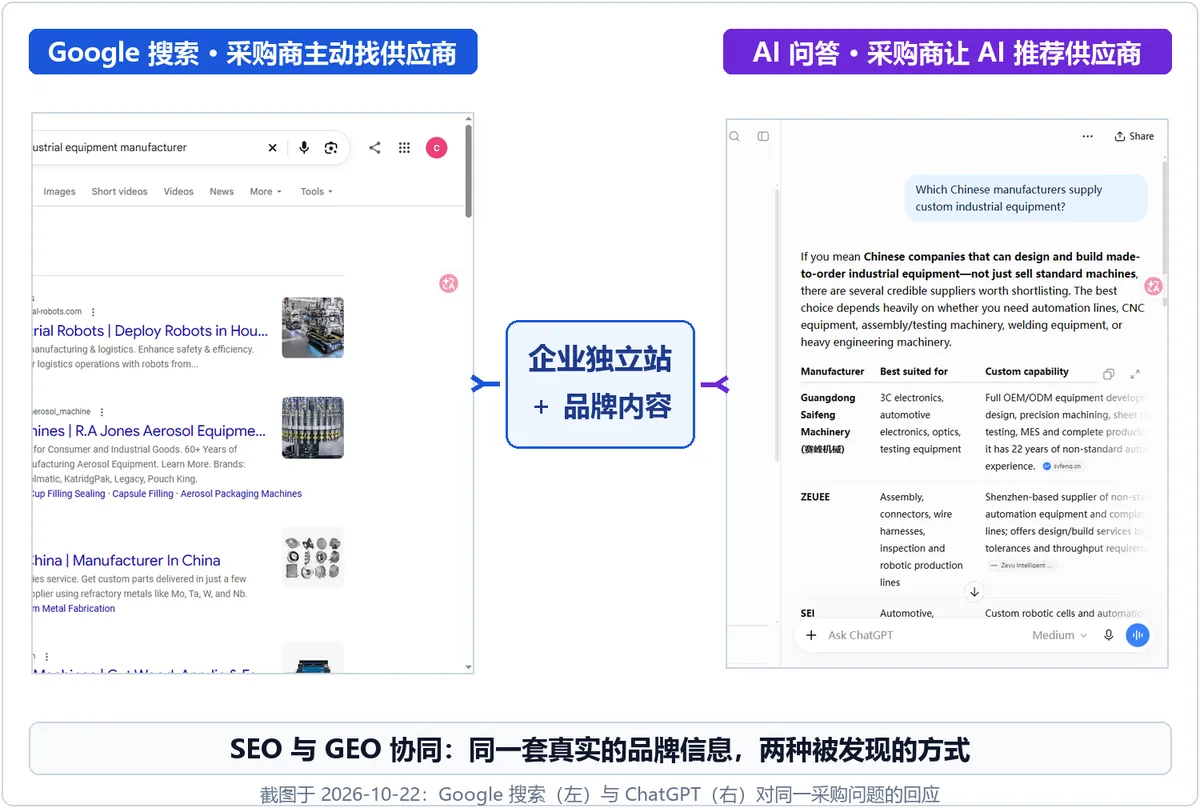
During the Canton Fair, how can export businesses optimize their GEO (Google App Store) to make it easier for AI to discover and recommend their brands?
Which GEO optimization company offers the best service? A guide to selecting and evaluating GEO service providers in 2026.

For GEO (Genomics Oriented to Enterprises in the Industrial Equipment Industry): Is Supporting Evidence More Important, or Are Inquiries More Important? (2026 Edition)

How to optimize product pages for B2B export websites using Geometry? Making AI search more effective (2026 version)

Using Reddit for overseas GEO content mentions? Its real value lies in being a "source of real user signals" (2026 version).

