Contents +
Why would AI mention your brand in an answer? The underlying logic behind GEO being mentioned (2026 version)
Source: 创同盟
Date: 2026-09-10
Views: 144
Many B2B companies using GEO " believe that AI mentions a " in their responses are due to keyword stuffing or brand name manipulation. The truth is—whether AI mentions a brand in its responses depends on whether that brand has established a clear " connection between brand, category, scenario, and region " its public information, and whether there are sufficiently credible sources to cite. This article uses a case study to break down the entire underlying logic of AI brand mentions and provides a self-check checklist that can be verified.
In short: GEO is not " manipulating AI to provide answers " , but rather about building an environment that makes it easier for AI to understand, verify, and reference your information.
First, let's look at a real hand-made example.
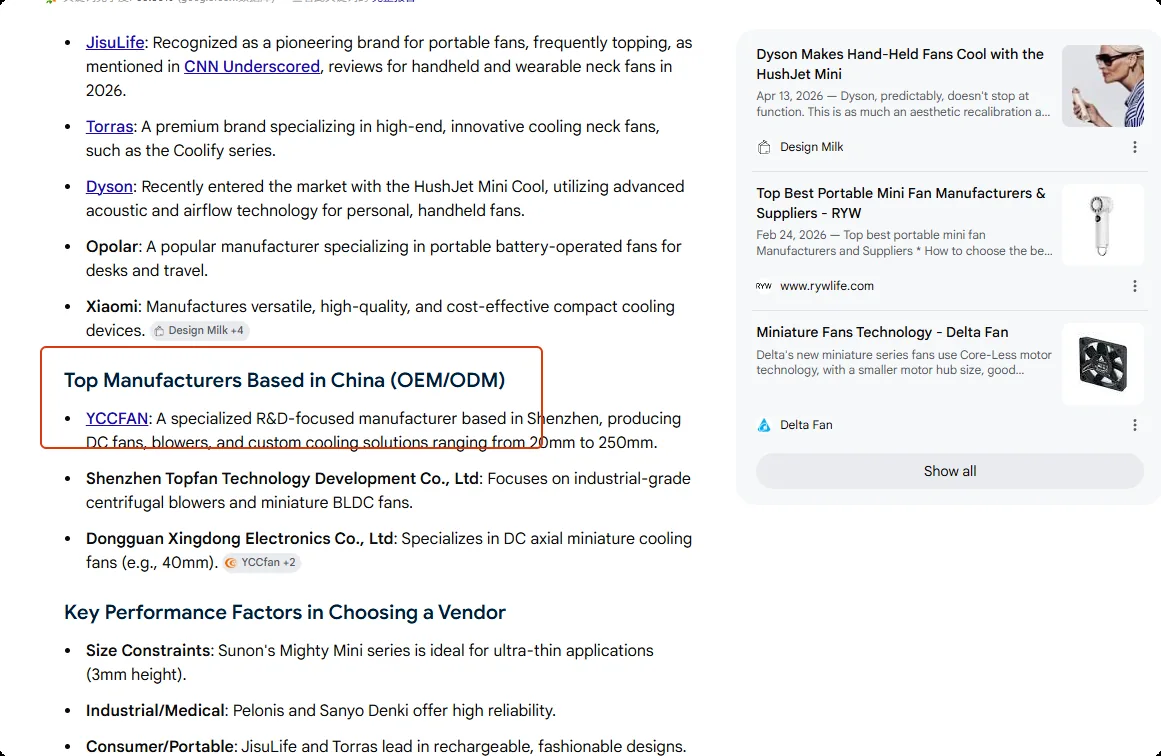
We conducted a very simple test: we directly fed the AI search with the questions that B-end procurement professionals would actually ask, and saw if it would list brands in the answers.
Question 1: "Top manufacturers of miniature cooling fans"
Question 2: "Who are the best miniature cooling fan manufacturers?"
Question 3: "Leading miniature fan manufacturers"
When we add a layer " " to the question—such as "Top off-grid inverter brands in Nigeria," "Best hybrid inverter manufacturers for the Nigerian market," or "Best hybrid inverter brands in the Philippines"—the AI's answer will more clearly point to specific brands, specific markets, and specific application scenarios.
These screenshots illustrate one thing: AI does indeed list brands in the answers, and it often doesn't " who advertises the " , but " who is most " associated with this question in public information.
II. Core Judgment: AI-powered brand identification is not based on keyword matching, but on semantic association.
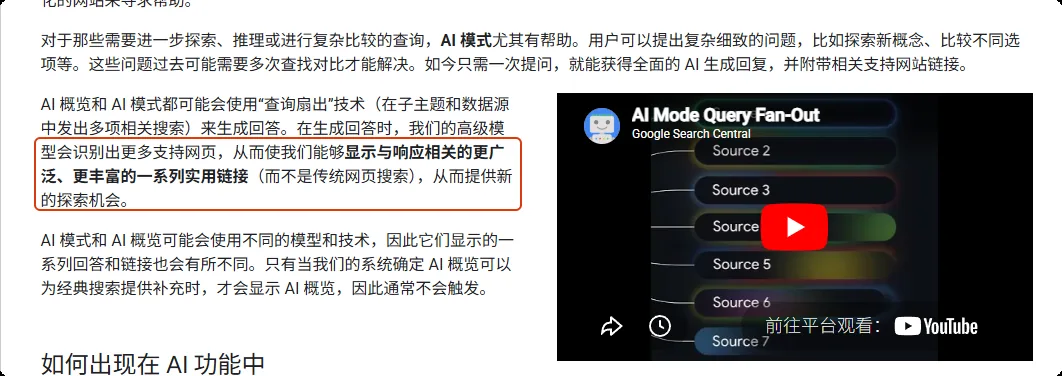
The core logic mentioned by the GEO brand can be summarized as follows: when users ask AI a question, the AI will first understand the intent of the question, and then organize the answer based on existing knowledge or real-time search results; if a brand is relevant enough to the question scenario, the information is clear enough, and the source is credible enough, it has a better chance of being included in the answer.
Asking "hybrid inverter" and asking "Best hybrid inverter manufacturers for the Nigerian market?" are not the same questions for AI. The former is more like a category explanation, while the latter clearly includes brand recommendations, regional market information, and purchase decision intent.
Therefore, whether a brand is mentioned depends primarily on whether the user's question triggers the brand candidate set " " . Questions like "best brands," "top manufacturers," "alternatives to…," and "which supplier is reliable…" will inherently prompt the AI to output a list of brands, suppliers, or products. GEO research also defines the visibility of generative engines as the appearance and influence of content in generated answers " " , rather than page ranking in traditional search.
Further Reading: The Three Evolutions of AI Search Algorithms Determine Why " Only Creating Product Pages " Are Not Enough
Looking at the previous cases from a deeper perspective, AI's recommendation logic has undergone three evolutions, each one making the strategy of simply piling up product pages " and " less effective:
- From " to " to " , and " : AI no longer checks if your content contains a certain word, but understands what your content is about; even without using the original word, it can hit the target semantically. This means that product pages with embedded keywords like " " are becoming increasingly difficult to identify.
- From understanding semantics " " to assessing authority " " , AI begins to determine a brand's knowledge authority in a specific field. The criterion is not the brand's size, but whether the content covers all levels of that field, from basic questions to in-depth solutions " " Simply discussing product parameters only covers one level.
- From a single-source source ( " " to cross-platform cross-validation " " (currently underway) : AI will combine official websites, industry media, forums, reviews, and social media discussions to determine whether you are a local expert " " or an industry authority " " ). Focusing solely on the official website without considering third-party context results in AI seeing only a self-serving supplier " " , making it difficult to get on the recommendation list.
In short : AI can see you if you only work on the supplier layer (product page), but it can't see your achievements in the industry. What GEO aims to do is to extend content coverage from the user's discovery of problems in " to the end-to-end verification and trust process in " " " which is also the direction explored in the other articles of this series.
Third, AI's answers typically come from two types of information: model knowledge + real-time retrieval.
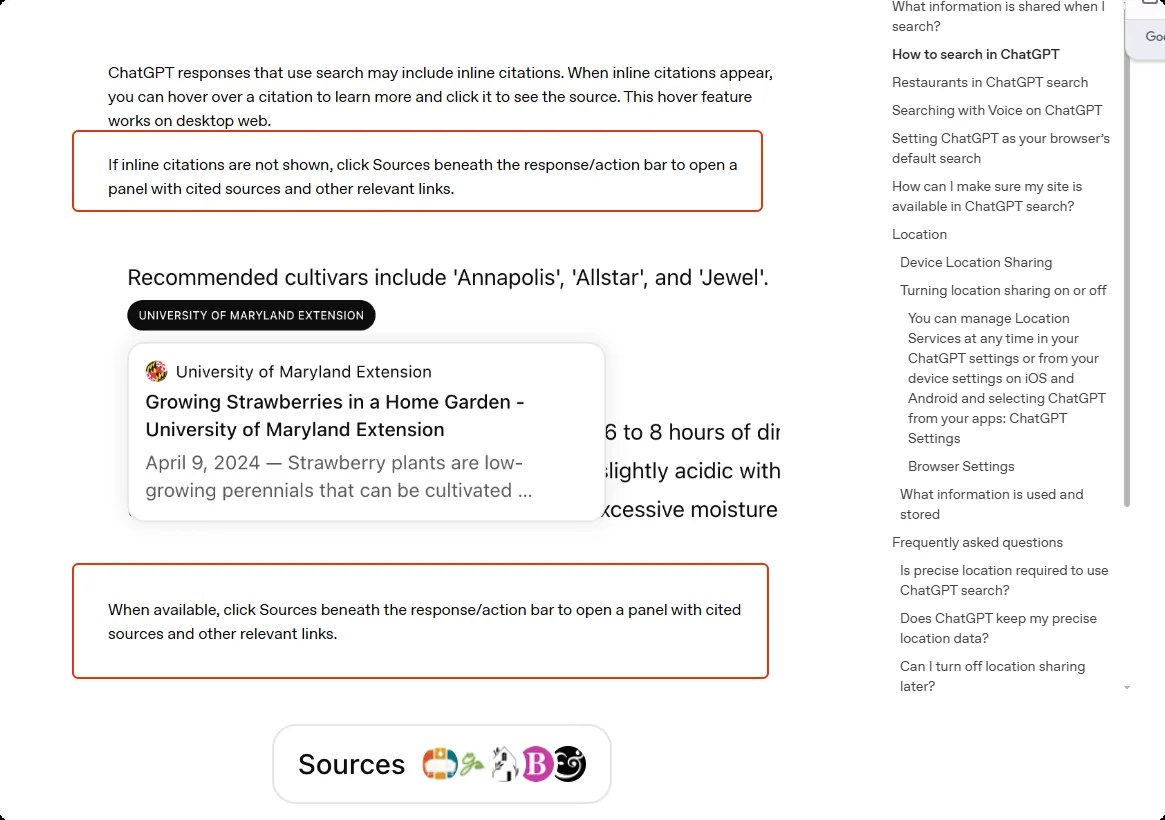
When AI answers brand-related questions, it may use existing knowledge from the model or real-time web page retrieval.
- OpenAI's official description: ChatGPT Search can automatically search web pages based on user questions and return answers with links to relevant web page sources.
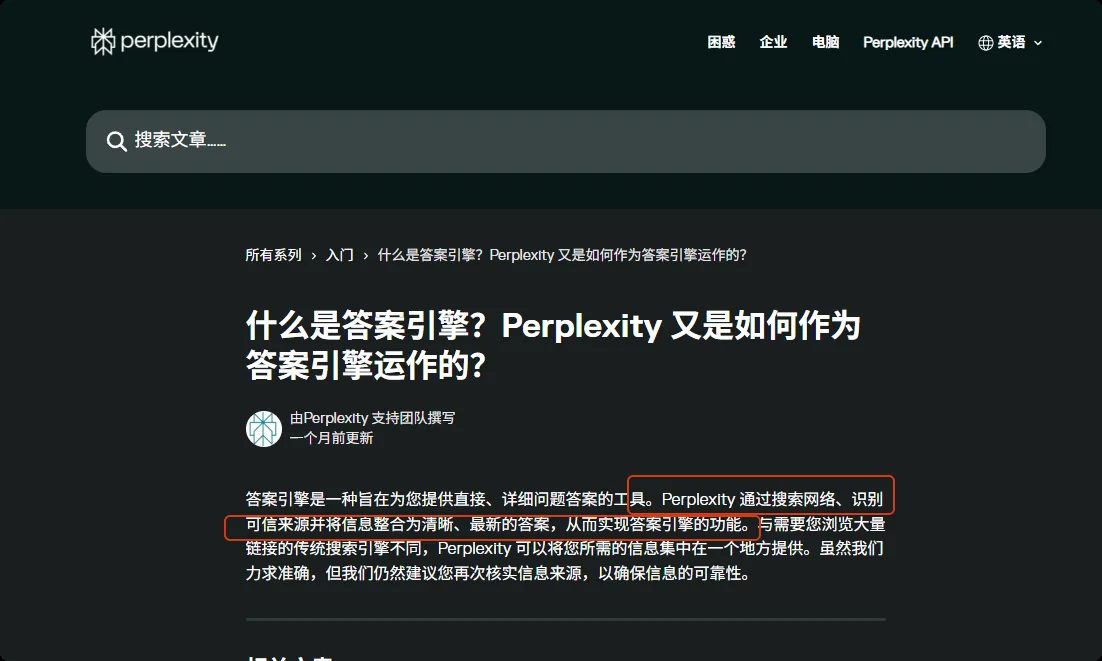
- Perplexity defines itself more directly: it is an answer engine that searches the web, identifies credible sources, and synthesizes information into clear and timely answers.
This leads to a key practical conclusion: when brands are developing their GEO (Generative Adversarial System), they shouldn't only consider whether AI remembers them " , " ), but also whether AI can find them " , " ) during a search. If there is little online content about the brand, or if the content doesn't clearly explain the brand's category, target market, or suitable applications, AI will have difficulty considering it as a candidate for specific questions.
IV. The key to GEO is to establish the semantic association between the " brand, category, and scenario "
When AI mentions a brand, it first needs to understand the relationship between that brand and a certain product category.
Take cooling fans as an example: If a brand only writes "cooling solutions," this expression is too general, and AI will have difficulty determining whether it should appear in questions about small cooling fans, miniature cooling fans, industrial cooling fans, electronic cooling fans, or HVAC fans. More effective content should link the brand with specific products and application scenarios, such as "small DC brushless cooling fan for electronics cooling," "compact axial fan for control cabinets," or "OEM miniature cooling fan manufacturer."
For example, when it comes to hybrid inverters or off-grid inverters, brands can't just vaguely write "solar power solution." If you want AI to mention your brand in questions related to the Nigerian or Philippine markets, you need to repeatedly establish semantic associations in public content, such as "hybrid inverter + battery backup + home solar + Nigerian market" or "off-grid inverter + island areas + Philippines + lithium battery."
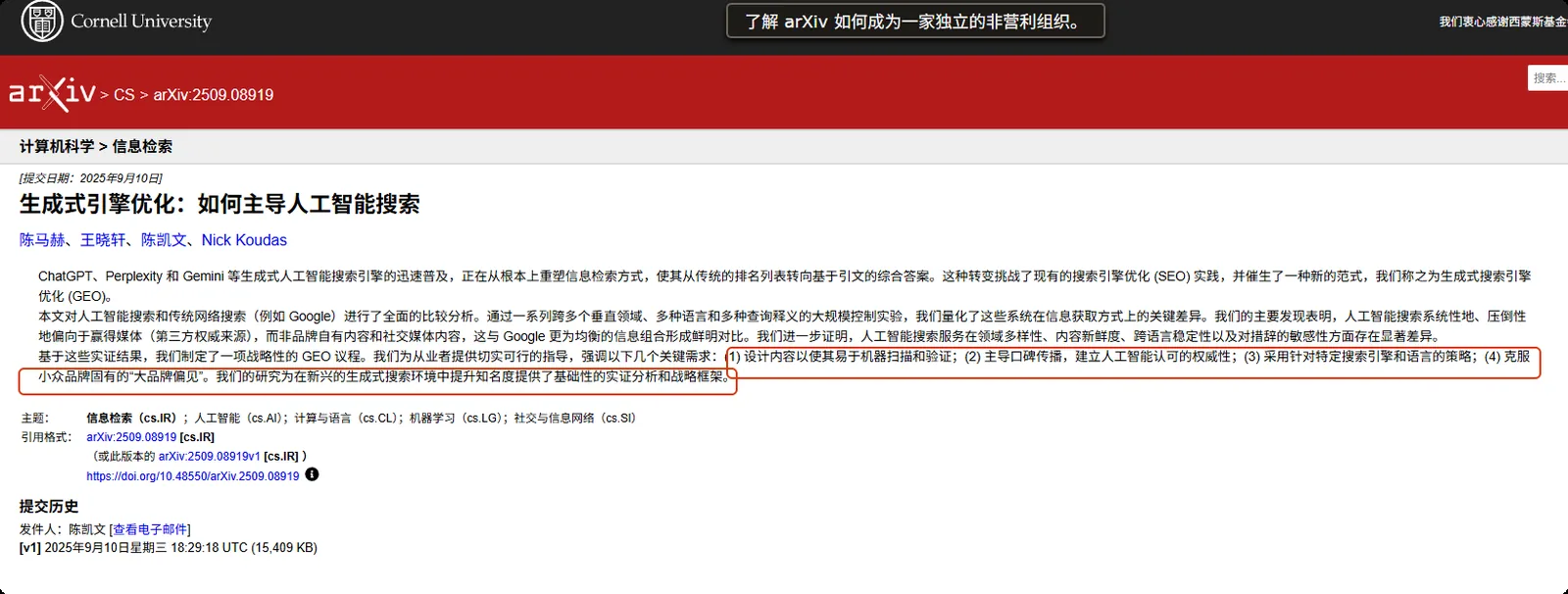
A 2025 study on the differences between AI Search and traditional search also pointed out that AI search systems are very sensitive to different platforms, languages, query rewriting, and source types, so brands need to do more granular semantic and scenario coverage.
Fifth, AI tends to cite or mention credible, clear, and verifiable sources.
AI doesn't just look at how brands describe themselves; it also refers to external web pages, third-party content, and verifiable sources.
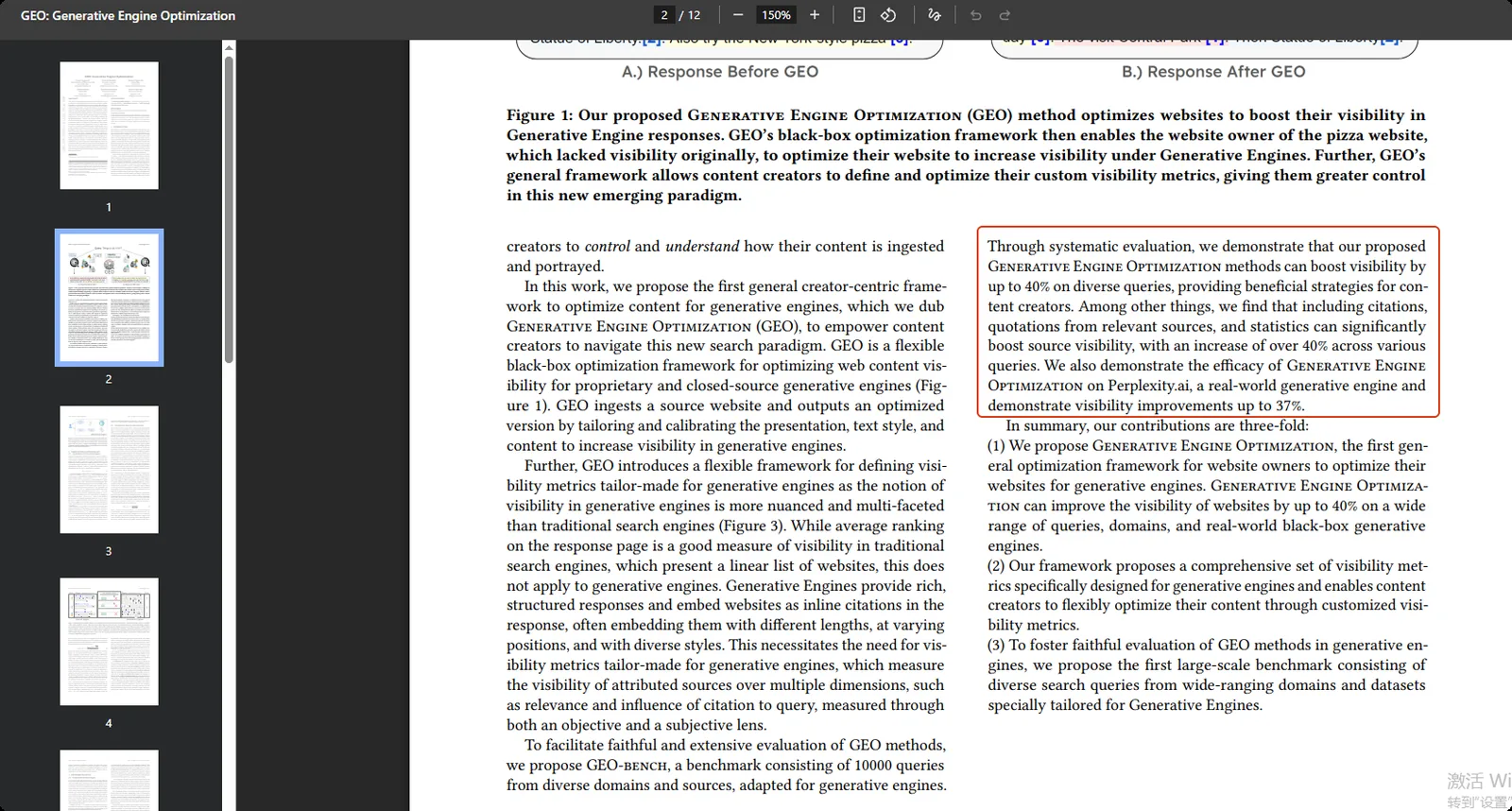
A key finding of the original GEO paper is that adding reliable citations, statistics, and references from relevant sources can significantly improve the visibility of content in generative engine answers . The paper mentions that various GEO methods can bring up to approximately 40% improvement in visibility.
Therefore, a brand's official website is important, but third-party sources are also important:
- The official website is used to explain the brand identity, product types, application scenarios, and parameters;
- Third-party industry directories, exhibition pages, customer case studies, review articles, purchasing guides, and news reports can enhance AI's judgment of brand authenticity and credibility.
A 2025 study on AI Search found significant differences between AI search and traditional search in terms of source selection, and emphasized the important role of earned media (authoritative third-party sources) in AI visibility.
VI. The Essence of GEO: The Information Environment that Affects AI
From a content creation perspective, brands need AI to clearly identify several questions: Who are you? What category do you belong to? What application scenarios are you suitable for? Which regions do you serve? Which competitors are in the same context as you? What third-party evidence do you have to support your claims?
For small industrial cooling fan brands, content should be built around themes such as "small cooling fan," "miniature cooling fan," "compact axial fan," "DC brushless fan," "OEM fan manufacturer," "electronics cooling," and "control cabinet cooling." For hybrid inverter or off-grid inverter brands, content should be built around themes such as "hybrid inverter," "off-grid inverter," "battery backup," "LiFePO4 compatibility," "Nigeria market," "Philippines market," and "rural solar system."
The final conclusion can be verified: GEO doesn't manipulate the AI to answer " " , but rather builds an information environment that makes it easier for AI to understand, verify, and reference brands. For your cooling fan and hybrid/off-grid inverter scenarios, the most important thing is to continuously link the brand with specific product terms, application scenarios, regional markets, purchasing roles, and competitor contexts. This way, when faced with relevant purchasing questions, the AI has a stronger reason to include the brand in its answer.
Six self-inspection checklists that can be checked back
| Inspection Items | Self-check issues | Performance when not satisfied |
|---|---|---|
| Clear identity | Can AI define who you are and what category you belong to in a single sentence? | It is only treated as a generic term for a literary genre and cannot be included in the brand list. |
| Scene binding | Does the content tie the brand to a specific application? | It appears in the wrong scenario, or it doesn't appear at all. |
| Regional Coverage | Does the semantics of target market appear repeatedly? | Localization issues are dominated by competitors |
| Source is reliable | Are there any third-party mentions and empirical data? | AI dares not cite it, and only cites isolated evidence from the official website. |
| Clear structure | Do key pages provide answers directly, or include tables/lists? | Content was retrieved but not extracted. |
| Continuous maintenance | Is the information updated consistently and free of outdated content? | Sources identified as low quality by AI |
Frequently Asked Questions (FAQ)
Q1: Is doing GEO just about writing more brand names and using more brand keywords?
No. AI suggests that brands rely on semantic relevance and credible sources, not keyword density. Forcibly stuffing brand names or spamming links on irrelevant pages may actually be judged as low-quality or manipulative, which is counterproductive.
Q2: If a small brand doesn't have a large budget for content creation, is there still a chance for it to be mentioned by AI?
Yes. The core of GEO is to clearly define the connections between the " brand, product category, scenario, and region " This doesn't require a large budget, but rather a content strategy and systematic accumulation. Making the official website a hub for industry knowledge is more effective than publishing articles everywhere.
Q3: Which is more important for GEO: the official website or third-party platforms?
Both are important, but their roles differ. The official website serves as a controllable center for identity and evidence; third-party directories, reviews, forums, and media act as credibility amplifiers. Focusing solely on the official website easily leads to isolated evidence " END " END), while focusing solely on third-party evidence easily leads to loss of control " " ).
Q4: Are the brands shown in the AI's answers made up by the AI itself?
In most cases, no. AI either draws on existing training knowledge or searches web pages in real time and synthesizes various sources. The clearer and more authoritative the source, the more readily the AI will cite it; if the source is missing or contradictory, the AI will usually avoid citing specific brands.
Q5: Why does my brand rank well on Google, but AI never mentions it?
Traditional ranking methods consider page authority and links, while AI-driven ranking focuses on the match between the question ( " ), answer, and source " ). Even if a content ranks highly, if it doesn't specifically answer the question, lacks structured expression, or provides third-party corroboration, AI may still skip it.
Q6: How to do GEO in regional markets? For example, only targeting Nigeria or Philippines?
To ensure success, repeatedly establish semantic combinations " " product + scenario + region in public content, such as "hybrid inverter + Nigeria market + battery backup". AI is highly sensitive to regional qualifiers; the more detailed the localized semantic coverage, the higher the probability of being shortlisted.
Q7: Is it better to have more third-party sources?
It's not about quantity, but quality and consistency. A few authoritative, positive, and consistent third-party mentions are better than dozens of low-quality ones. Be especially wary of self-answered questions, machine-translated content, and inflated click rates.
Q8: How long will it take to see changes in AI mention rates?
It depends on the site's foundation, content investment, and category competition. Initial signs typically appear in 3–6 months, with more stable mentions forming in 6–12 months. Treat mentions of " " as asset building, rather than a one-time investment.
Related Reading
- [Conclusions after completing 30 GEO projects? How long does it take to see results, and what's the correct approach?] ( https://www.ctmon.com/newsdetail/geo-30-projects-conclusion.html) )
- [Why must a B2B export website adapt to AI search in 2026?] ( https://www.ctmon.com/newsdetail/waimao-dulizhan-weihe-bixu-shipei-ai-sousuo.html)
- [Buyers ask 5 types of questions, but your business website only answers 1]( https://www.ctmon.com/newsdetail/waimao-dulizhan-mai-jia-wu-lei-wen-ti.html) )
- [What exactly is a B2B export website? Many factories misunderstand it from the very beginning.]( https://www.ctmon.com/newsdetail/what-is-independent-website.html)
About this article
This article was written by the CTMON overseas digital marketing team . Founded in 2013, CTMON is a digital marketing service provider specializing in B2B foreign trade enterprises, offering GEO and B2B export website content creation and overseas digital marketing services to industrial equipment and manufacturing companies.
Data Scope Explanation : The original GEO research and AI Search differential research cited in this article are all publicly available academic and industry literature used to illustrate the mechanism principles; the search screenshots for "cooling fan," "hybrid inverter," etc., are examples from publicly available pages and are only used to illustrate the methodology, not to imply that their effects were generated by us. CTMON has accumulated implemented projects in the GEO field of manufacturing, mainly in the packaging machinery, industrial parts, and electronic equipment industries, primarily targeting the European, American, and Southeast Asian markets; the period of effectiveness is an observed range, not a guaranteed value.
What does international social media management service include? 2026 Guide to Social Media Management for Export Businesses
2026-10-28
How to write a WordPress product page that will make overseas buyers want to send inquiries?
2026-10-28

How to fix WordPress form emails not sending: Practical WP Mail SMTP configuration
2026-10-27
Are foreign trade promotion companies reliable? Six key criteria for businesses to judge promotion service providers in 2026.
2026-10-26
How do I set up an email account for export businesses? How can I configure it to avoid it ending up in the spam/junk mail folder?
2026-10-26
Related Articles
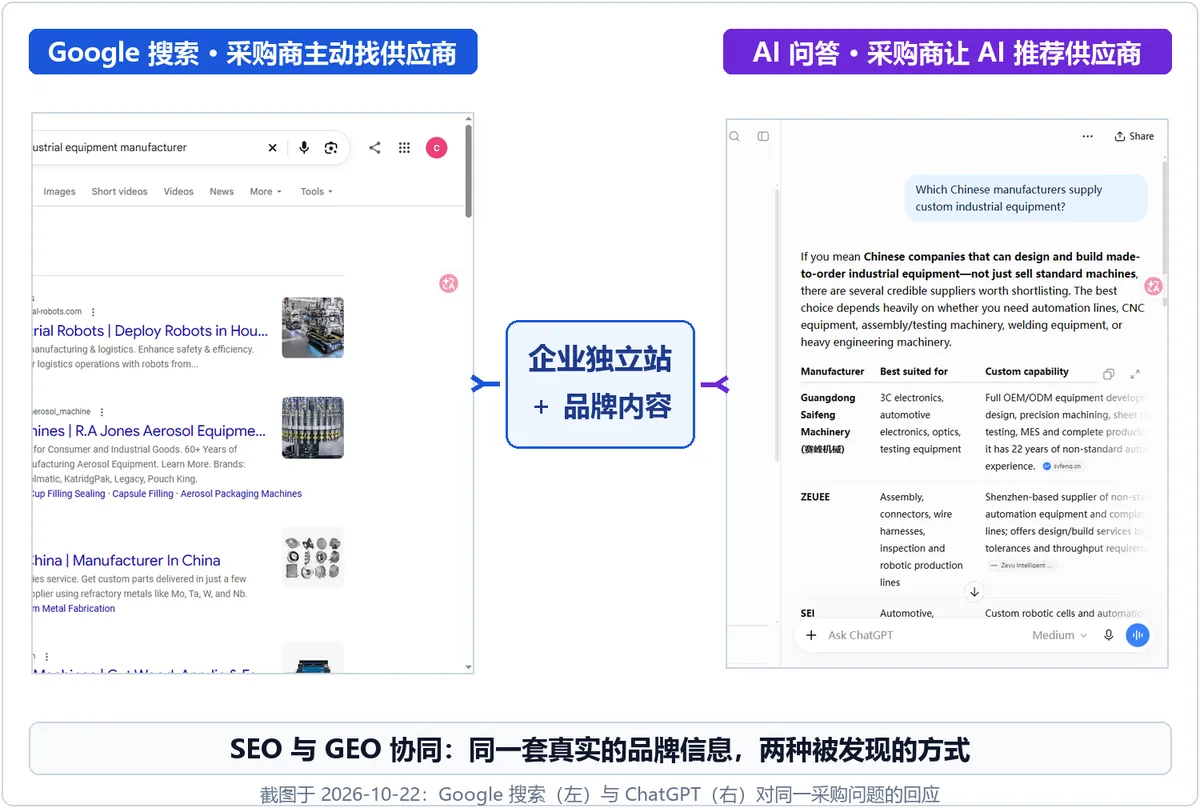
During the Canton Fair, how can export businesses optimize their GEO (Google App Store) to make it easier for AI to discover and recommend their brands?
Which GEO optimization company offers the best service? A guide to selecting and evaluating GEO service providers in 2026.

For GEO (Genomics Oriented to Enterprises in the Industrial Equipment Industry): Is Supporting Evidence More Important, or Are Inquiries More Important? (2026 Edition)

How to optimize product pages for B2B export websites using Geometry? Making AI search more effective (2026 version)

Using Reddit for overseas GEO content mentions? Its real value lies in being a "source of real user signals" (2026 version).

